
Enrol to start learning
Reading is open to everyone. Enrolling is free, and it is what unlocks the audio lessons, practice tests and progress tracking.
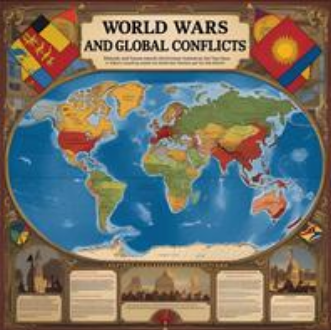
Chapter: World Wars and Global Conflicts
Learn about Chapter: World Wars and Global Conflicts and discover its key concepts through interactive lessons and practical exercises.
Sections
The causes of World War I include long-term factors such as nationalism, imperialism, and militarism, along with the immediate trigger of the assassination of Archduke Franz Ferdinand.
This section examines the course of World War I, focusing on key fronts, technology in warfare, and significant events leading up to the conclusion of the war.
The Treaty of Versailles imposed strict penalties on Germany after World War I, leading to significant political and economic consequences during the interwar period.
World War II's causes stemmed from a combination of political, economic, and social factors that destabilized Europe in the interwar period.
World War II involved significant military campaigns, key battles, and turning points that reshaped global dynamics.
This section explores the significant human, political, and social impacts of the World Wars, including the emergence of new global structures and the significant movement towards decolonization.
The Cold War marked a significant ideological conflict between capitalism and communism, accompanied by regional conflicts influenced by these ideologies.
Master the fundamentals of Chapter: World Wars and Global Conflicts
Apply learned concepts in practical scenarios
Successfully complete all chapter exercises
Practice Exercises
Total Questions
3
Estimated Time
6 min
Passing Score
70%
Instructions
- Read each question carefully
- You can use hints if you need help
- Complete all questions before submitting