
Enrol to start learning
Reading is open to everyone. Enrolling is free, and it is what unlocks the audio lessons, practice tests and progress tracking.
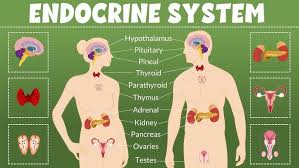
4. Human Body: Endocrine, Circulatory, and Nervous System
The human body regulates essential functions through three primary systems: the endocrine system, which uses hormones for chemical control; the circulatory system, which transports oxygen and nutrients via the heart-blood network; and the nervous system, which transmits rapid electrical signals for immediate responses. These systems work in concert to maintain homeostasis and respond to environmental stimuli.
Sections
The endocrine system consists of glands that release hormones, regulating various bodily functions.
The circulatory system is a vital network that transports blood, oxygen, nutrients, and waste throughout the human body.
The nervous system functions as the body's electrical wiring, coordinating fast responses and reflexes, and works seamlessly with the endocrine and circulatory systems.
The section describes how the endocrine, circulatory, and nervous systems interact to maintain homeostasis and manage responses to stress.
This chapter provides an overview of the human body's endocrine, circulatory, and nervous systems, highlighting their functions, interactions, and importance in maintaining balance.
This section presents hands-on activities that solidify understanding of the human body systems including model-making and reaction time testing.
This section focuses on the visuals needed to enhance understanding of the human body's control systems: the endocrine, circulatory, and nervous systems.
This section highlights an intriguing fact about the nervous system's speed of signal transmission, comparing it to an F1 racing car.
The endocrine system utilizes hormones for slow chemical responses.
The circulatory system is responsible for delivering oxygen and nutrients throughout the body.
The nervous system enables rapid responses to stimuli through electrical signals.
All three systems integrate to ensure the body's functionality and adaptability.
Endocrine System
A system that uses chemical signals (hormones) to regulate various bodily functions.
Circulatory System
A system that transports blood, nutrients, and oxygen to cells and moves waste away from them.
Nervous System
A system that uses electrical impulses to relay information and coordinate responses.
Hormones
Chemical messengers produced by glands that regulate physiological processes.
Neural Pathway
The route taken by electrical impulses through neurons to convey signals.