
AllRounder.ai

Enrol to start learning

Reading is open to everyone. Enrolling is free, and it is what unlocks the audio lessons, practice tests and progress tracking.
Enrol free
7. Hydrogen

7. Hydrogen

Hydrogen is the most abundant and lightest element in the universe, playing a pivotal role in forming water and organic compounds. It exists in free and combined states and exhibits both physical and chemical properties that underline its significance in various applications. This chapter discusses the occurrence, preparation methods, uses, and safety precautions related to hydrogen.

Sections

Occurrence of Hydrogen

Hydrogen is the most abundant element in the universe, occurring both freely and in various compounds.

1 Section Overview

Start current section content and materials

1.1 Free State

Hydrogen is primarily found in the free state in stars and the sun, while being present in various compounds on Earth.

1.2 Combined State

This section describes the different states of hydrogen, focusing on its combined forms in various compounds.

Position in the Periodic Table

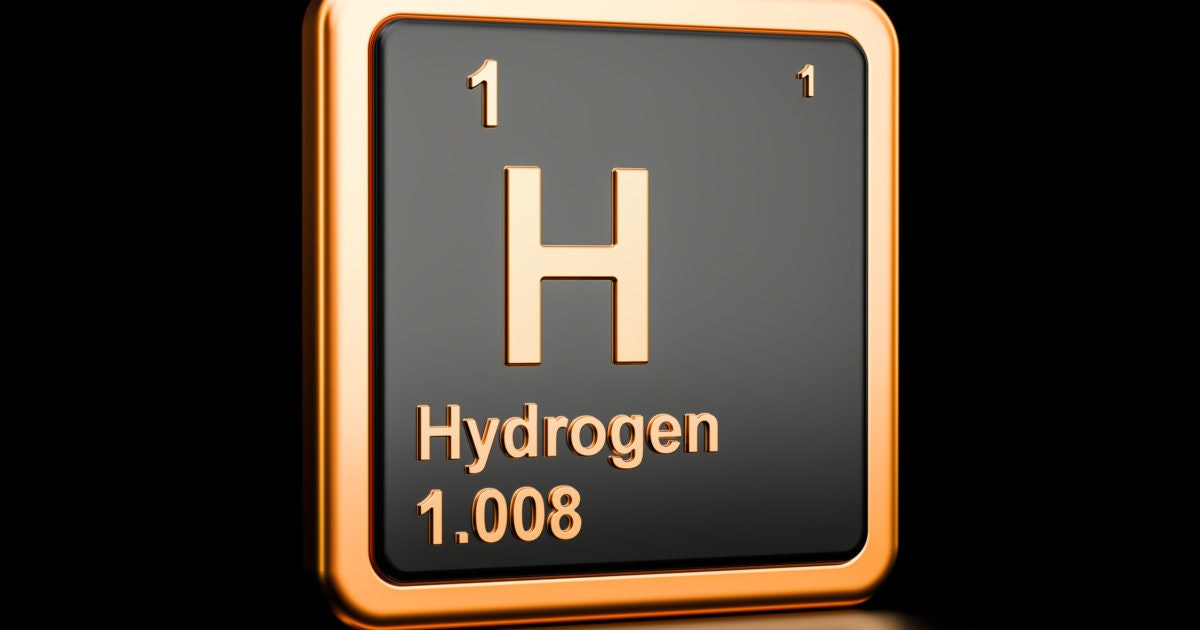
This section describes the unique position of hydrogen in the periodic table, encompassing its atomic number, symbol, atomic mass, and its classification in relation to other elements.

2 Section Overview

Start current section content and materials

Physical Properties of Hydrogen

This section outlines the key physical properties of hydrogen, emphasizing its unique characteristics as the lightest and most abundant element.

3 Section Overview

Start current section content and materials

Chemical Properties of Hydrogen

This section explores the chemical properties of hydrogen, highlighting its reactions with oxygen, metals, non-metals, and its role as a reducing agent.

4 Section Overview

Start current section content and materials

4.1 Combustion

This section discusses the combustion of hydrogen, its chemical reactions, properties, and uses in various applications.

4.2 Reaction with Oxygen

Hydrogen reacts with oxygen to form water, a key chemical reaction that is exothermic in nature.

4.3 Reaction with Metals (to form metal hydrides)

This section covers how hydrogen reacts with metals to form metal hydrides, highlighting key reactions and their significance.

4.4 Reaction with Non-Metals

This section explores hydrogen's reactions with non-metals, particularly focusing on its interactions with chlorine and nitrogen.

4.5 Reducing Agent

This section discusses hydrogen's role as a reducing agent, particularly its ability to remove oxygen from metal oxides.

Preparation of Hydrogen

This section outlines the methods for preparing hydrogen in laboratory and industrial settings.

5 Section Overview

Start current section content and materials

5.1 Laboratory Preparation (Zinc + Dilute Acid)

This section discusses the laboratory preparation of hydrogen gas through the reaction of zinc with dilute acids.

Industrial Preparation of Hydrogen

This section discusses the industrial methods used for the preparation of hydrogen, namely from water gas and through the electrolysis of water.

6 Section Overview

Start current section content and materials

6.1 From Water Gas (CO + H₂)

Water gas is a mixture of carbon monoxide and hydrogen, produced by passing steam over red-hot coke, and is an important method for industrial hydrogen production.

6.2 From Electrolysis of Water

Electrolysis of water is the process of using electricity to split water into hydrogen and oxygen gas.

Uses of Hydrogen

Hydrogen is extensively utilized in various industries, including ammonia production, hydrogenation, fuel cells, and more.

7 Section Overview

Start current section content and materials

Test for Hydrogen

The section discusses how to identify the presence of hydrogen gas through a simple test involving a burning splint.

8 Section Overview

Start current section content and materials

Hazards and Precautions

This section discusses the hazards associated with hydrogen handling and necessary precautions to mitigate risks.

9 Section Overview

Start current section content and materials

Learning Objectives

  • Hydrogen is the lightest element in the universe and is found in both free and combined states.

  • It has unique properties that categorize it as both a metal and a non-metal.

  • Hydrogen is significant in various industrial applications such as fuel cells, ammonia production, and oil hydrogenation.

Key Concepts

Atomic number

The atomic number of hydrogen is 1, indicating it has one proton in its nucleus.

Hydrogenation

The process of adding hydrogen to unsaturated oils to convert them into saturated fats.

Combustion

Hydrogen burns in the presence of oxygen to produce water and heat, indicating its highly combustible nature.

Electrolysis of Water

A method to produce hydrogen by passing an electric current through acidified water, resulting in the separation of hydrogen and oxygen.

Reducing Agent

Hydrogen acts as a reducing agent by removing oxygen from metal oxides.