
AllRounder.ai

Enrol to start learning

Reading is open to everyone. Enrolling is free, and it is what unlocks the audio lessons, practice tests and progress tracking.
Enrol free
Chapter 2 :  Physical Quantities and Measurements

Chapter 2 : Physical Quantities and Measurements

Learn about Chapter 2 : Physical Quantities and Measurements and discover its key concepts through interactive lessons and practical exercises.

Sections

Fundamental Physical Quantities

This section introduces fundamental physical quantities such as length, mass, and time, emphasizing the importance of measurement in physics.

1 Section Overview

Start current section content and materials

1.1 Base Quantities Table

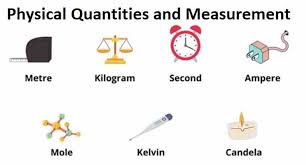
This section provides an overview of fundamental physical quantities, their SI units, and measuring instruments.

Measurement Instruments

The section discusses measurement instruments such as the vernier caliper, their components, and their accuracy compared to other tools.

2 Section Overview

Start current section content and materials

2.1 Vernier Caliper Components

This section details the essential components of a vernier caliper, a crucial instrument for precise measurement in physics.

2.2 Accuracy Comparison

This section examines the accuracy of various measuring tools in physics, highlighting their precision and error margins.

Derived Quantities

Derived quantities are physical quantities derived from fundamental quantities through mathematical relationships, essential for measuring areas, volumes, and densities.

3 Section Overview

Start current section content and materials

3.1 Common Derived Units

This section discusses derived quantities in physics and their common units, emphasizing the importance of measurement techniques.

3.2 Activity

The section focuses on measuring physical quantities and the importance of accuracy in using various measurement tools.

Measurement Errors

Measurement errors are deviations in the measurement of physical quantities, categorized into systematic and random errors.

4 Section Overview

Start current section content and materials

4.1 Error Types

This section discusses the various types of errors that can occur during measurement in physics, specifically highlighting systematic and random errors.

4.1.1 Systematic Errors

This section discusses systematic errors in measurements, their causes, and how they can impact scientific accuracy.

4.1.2 Random Errors

This section discusses random errors in measurements, their causes, and how they can be minimized through methods like averaging multiple readings.

4.2 Case Study

This section explores measurement in physics through the lens of the Mars Climate Orbiter case study, highlighting the importance of accurate units and measurement techniques.

Chapter Summary

This chapter emphasizes the critical nature of precise measurements in physics, focusing on fundamental and derived quantities, measurement tools, and the common errors encountered in measurements.

5 Section Overview

Start current section content and materials

Activities

This section covers hands-on activities for students to gain practical understanding of measurement techniques in physics.

6 Section Overview

Start current section content and materials

6.1 Lab Work

This section discusses the significance of precise measurements in physics, exploring tools and techniques for measuring fundamental and derived quantities.

6.2 Research

This section delves into the significance of precise measurements in physics, covering fundamental and derived quantities, measurement tools, and the implications of measurement errors.

6.3 Visuals to Add

This section highlights the importance of visuals in understanding physical quantities and measurements in physics, as well as the tools and techniques for accurate measurement.

Assessment Questions

The section focuses on assessment questions related to the measurement of physical quantities in physics.

7 Section Overview

Start current section content and materials

Learning Objectives

  • Master the fundamentals of Chapter 2 : Physical Quantities and Measurements

  • Apply learned concepts in practical scenarios

  • Successfully complete all chapter exercises

Practice Exercises

Total Questions

3

Estimated Time

6 min

Passing Score

70%

Instructions

  • Read each question carefully
  • You can use hints if you need help
  • Complete all questions before submitting