How to Deal with Academic Burnout and Stay Motivated
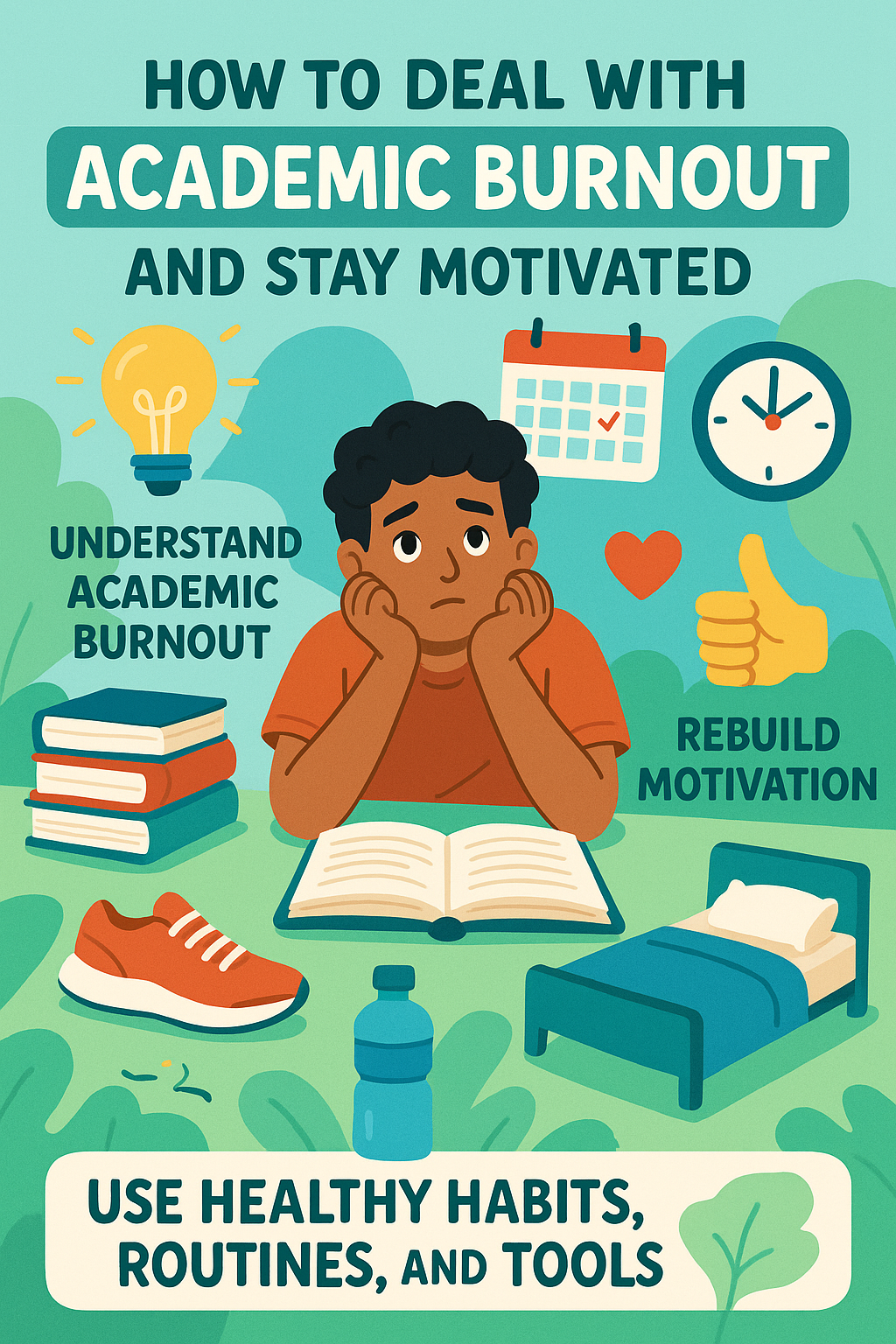
Academic burnout affects many students, often without them realising it. Burnout develops when stress builds up over time and the mind becomes tired of constant pressure. It shows up as fatigue, irritability, lack of concentration, reduced interest in subjects and a feeling of not being able to keep up. When students push themselves without rest or support, burnout becomes unavoidable. The good news is that with the right strategies, students can recover their energy and return to learning with renewed motivation.
Modern schooling expects students to balance classes, homework, exams, competitions and extracurriculars. Digital distractions and social expectations add to this load. Many students try to push through exhaustion because they fear falling behind, but that often makes burnout worse. Understanding these patterns helps students and parents catch burnout early and respond with healthier routines.
Resources such as how stress affects student performance offer deeper insight into how pressure influences learning. Once students recognise the signs, they can rebuild motivation gradually and effectively.
Understanding the Signs of Burnout Early
Burnout rarely appears suddenly. It grows slowly, beginning with tiredness or frustration and turning into a deep sense of exhaustion. Students may notice they are losing interest in subjects they once enjoyed. Others may struggle to focus or remember what they have studied.
Some students become irritable or withdrawn. Others may avoid homework because their brain feels overloaded. In many cases, burnout leads to procrastination. Parents exploring how to make homework less stressful can recognise when their child is overwhelmed rather than lazy.
By identifying early signs, students can take steps to rebuild their energy before burnout becomes severe.
Why Students Experience Academic Burnout
There are several common causes of burnout. Constant pressure to achieve high marks is one of the biggest. When students feel their self-worth depends entirely on performance, they often push themselves beyond healthy limits.
Another cause is a lack of balance. Students may spend long hours studying with little time for rest, hobbies or physical activity. Families who explore how music, art and sports improve academic performance understand the value of non-academic activities in maintaining emotional health.
Peer influence also plays a major role. Competitive environments can make students compare themselves constantly. Insights from how peer influence shapes student motivation show that unhealthy comparisons drain motivation and increase stress.
When students combine academic pressure, lack of rest and emotional stress, burnout becomes almost inevitable.
Creating a Healthier Study Routine
One of the most effective ways to deal with burnout is to restructure the study routine. Many students study for long hours without understanding how the brain works. The mind learns better in short, focused periods rather than extended sessions.
Students can use structured learning paths through AllRounder.ai, which break lessons into clear modules, making study time more manageable. When routines are predictable and balanced, motivation increases naturally.
Breaking study sessions into blocks with small breaks refreshes the mind. Parents can support this by creating calm study environments and encouraging consistent but realistic routines.
Balancing Academics with Rest and Recreation
Burnout often comes from ignoring rest. Students need time to relax, play, exercise and enjoy hobbies. The mind resets during these moments, making learning more efficient later.
Routines that combine study, breaks, family interaction and physical activity help students stay mentally strong. Parents can support this through positive parenting tips that boost academic confidence. When family conversations are supportive instead of demanding, children feel safe to rest and restart.
Recreation is not wasted time. It is part of a healthy learning cycle.
Using Goal Setting to Regain Motivation
When students feel overwhelmed, goals feel unreachable. Setting small, achievable goals helps them rebuild confidence. Instead of planning long study hours, they can focus on completing one topic, solving a certain number of questions or finishing a short revision.
Families can use strategies from how to help your child set realistic academic goals to break tasks into manageable steps. Achieving small goals gives students a sense of progress, which restores motivation over time.
Goal setting shifts the focus from perfection to growth, which is essential when recovering from burnout.
Rebuilding Confidence Through Encouragement
Confidence often drops when burnout develops. Students may think they are not capable or that they will never catch up. Encouragement from parents and teachers plays a key role in emotional recovery.
Insights from why encouragement matters more than perfection remind families that supportive words improve emotional resilience. When students feel appreciated for effort rather than results, their motivation returns slowly and steadily.
Meaningful encouragement helps children reconnect with their strengths and approach learning more positively.
Strengthening Curiosity to Reduce Mental Fatigue
Curiosity is a powerful antidote to burnout. When students become genuinely interested in what they learn, studying feels less like a burden. Curiosity reduces stress because it turns learning into exploration.
Parents can nurture curiosity through real-life discussions, questions and relatable examples. Insights from the role of curiosity in a child’s learning journey show that curious learners are more resilient and self-motivated.
When students reconnect with curiosity, they rebuild their excitement towards learning and recover from burnout naturally.
Making Study Time More Interactive and Enjoyable
A major cause of burnout is monotony. When study time feels repetitive, the brain becomes tired. Using interactive tools like videos, quizzes and educational games can make learning more engaging.
Students can explore interactive lessons aligned with CBSE, ICSE and IB courses to bring variety into their study routine. Interactive formats lighten the workload while still strengthening understanding.
Fun, engaging learning breaks monotony and lifts motivation.
Reducing Pressure Through Balanced Expectations
Burnout grows when students feel they must meet high expectations constantly. Parents who adopt a supportive approach instead of a demanding one help children feel more secure.
Guidance from building academic discipline without pressure highlights how balanced expectations promote resilience. Discipline develops slowly when children feel respected, understood and guided instead of overwhelmed.
By shifting focus from perfection to steady progress, families create healthier learning environments.
Using Grade-Based Digital Support for Difficult Phases
Students in different grades face different types of stress. Younger students may struggle with building habits, while older students face exam pressure and complex subjects.
Digital support such as Grade 8 courses, Grade 9 and Grade 10 programs help students manage their academic load more effectively. Senior learners in Grade 11 and Grade 12 can use targeted lessons to reduce confusion during difficult concepts.
Digital tools break down information into simpler formats, which prevents students from feeling overwhelmed.
Practising Mindfulness and Emotional Awareness
Managing emotions helps prevent burnout. Students who practise mindfulness learn to slow down, observe their feelings and respond calmly. Deep breathing, reflection, short pauses and simple relaxation exercises help reset the mind.
When emotions feel overwhelming, mindfulness creates a sense of balance. It helps students focus better, study efficiently and avoid overthinking. It also helps them recognise when they need rest rather than pushing themselves further.
Emotional awareness becomes a protective shield against academic stress.
Using Practice Tests to Build Confidence Gradually
Burnout often comes from fear of exams. Students may feel anxious about performance or uncertain about their preparation. Regular practice with low-pressure assessments builds confidence and reduces stress.
Tools like practice tests help children understand question patterns, manage time and identify weak areas without anxiety. Small, frequent practice sessions are more effective than last-minute cramming.
When students practise steadily, they feel more in control and less overwhelmed.
Taking Breaks Without Feeling Guilty
Rest is part of the learning process. Many students feel guilty when they take breaks, believing it will affect their progress. In reality, breaks restore focus and energy.
Parents can remind children that rest is not failure. Encouraging healthy downtime helps the mind reset, which prevents emotional exhaustion. Spending time outdoors, sleeping well and engaging in light hobbies helps students return to study with renewed concentration.
A rested mind learns faster and remembers better.
Conclusion: Burnout Can Be Managed With the Right Support
Academic burnout is common, but it does not mean a student is weak or incapable. It simply means the mind needs rest, balance and healthier routines. Students recover best when they combine small goals, supportive communication, interactive learning and mindful breaks.
With access to structured tools on AllRounder.ai, parent encouragement and realistic expectations, students can rebuild motivation gradually. Burnout becomes easier to manage when learning feels meaningful, balanced and supported.