How Family Attitudes Shape Student Confidence
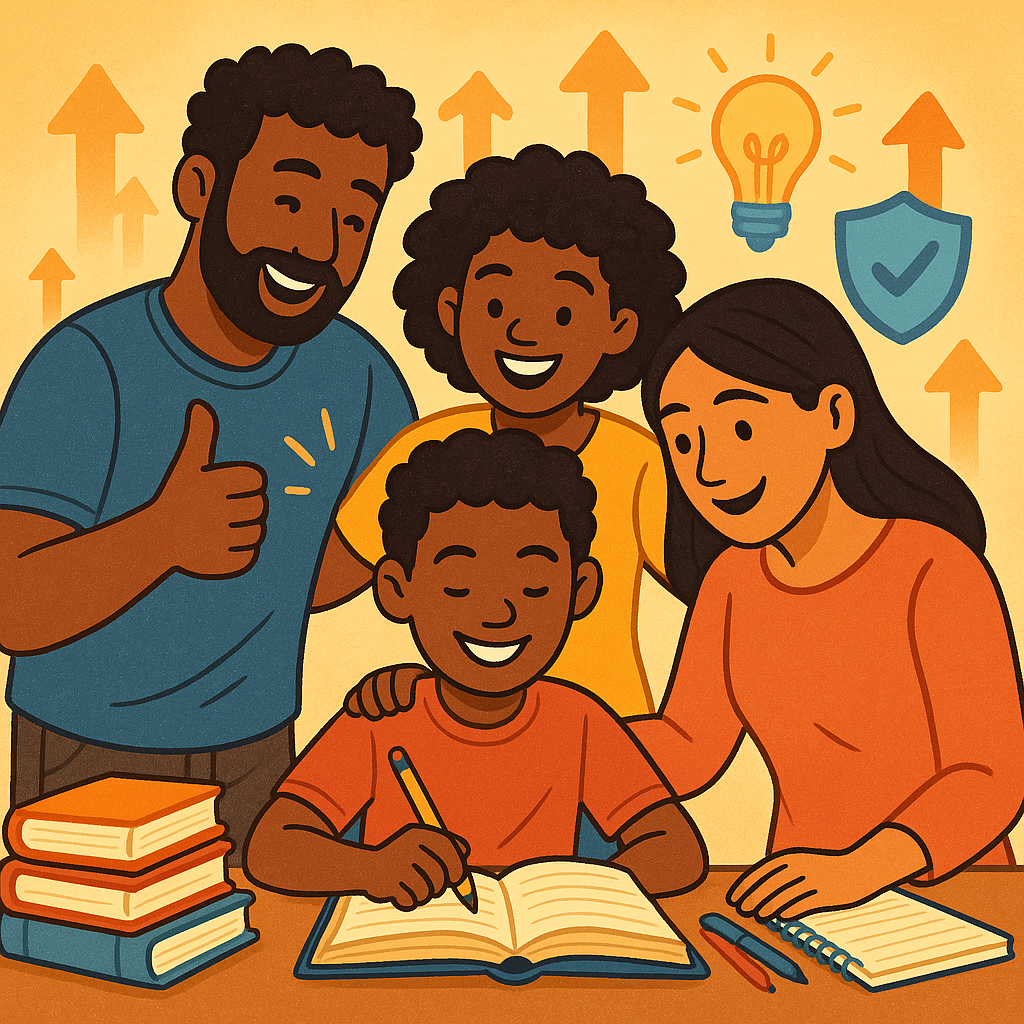
A child’s confidence does not develop in isolation. Long before grades, rankings or exam results begin to matter, children form beliefs about themselves based on everyday interactions at home. Family attitudes toward learning, effort and mistakes quietly shape how students view their own abilities. These beliefs influence how confidently they approach schoolwork, exams and challenges.
Student confidence plays a critical role in academic outcomes across boards such as CBSE, ICSE and IB. Confident learners participate more, persist longer and recover faster from setbacks. Understanding how family attitudes contribute to this confidence helps parents create environments where children grow academically and emotionally.
What Student Confidence Really Looks Like
Student confidence is not about always being correct or excelling in every subject. It shows up as willingness to try, ask questions and engage with learning even when tasks feel difficult. Confident students are not fearless, but they believe effort will lead to improvement.
At home, confidence grows through consistent messages about ability and growth. When families value effort over outcomes, children feel safe experimenting and learning from errors.
Confidence develops gradually through repeated experiences of support and understanding.
How Family Attitudes Are Communicated Daily
Family attitudes are expressed through tone, reactions and expectations rather than formal conversations. Comments about grades, comparisons with others and responses to mistakes all send strong signals.
Children observe how adults talk about learning, failure and success. These observations shape how children interpret their own experiences at school.
Small daily interactions often matter more than big motivational talks.
The Impact of Comparison on Confidence
Comparison is one of the fastest ways to weaken confidence. When children are compared to siblings or peers, they feel measured rather than understood.
This creates pressure and self-doubt, especially for children who learn at a different pace. The long-term effects are explored in why comparing children hurts learning progress.
Focusing on individual growth builds stronger confidence than any comparison ever could.
How Belief Shapes a Child’s Inner Voice
Children internalise family beliefs about intelligence and ability. When parents believe skills can improve with effort, children adopt the same mindset.
This internal dialogue directly affects performance. How belief and self-talk affect student performance explains how supportive beliefs lead to persistence and resilience.
Positive belief becomes a powerful driver of confidence.
Why Confidence Matters More Than Pressure
Pressure may push short-term effort, but confidence sustains long-term learning. Children under pressure often fear failure and avoid challenges.
Confidence allows children to take academic risks and learn deeply. This connection is explained in how learning confidence shapes academic performance.
Supportive family attitudes protect confidence during setbacks.
How Families Respond to Mistakes Shapes Learning
Mistakes are unavoidable in learning. Family reactions determine whether mistakes become lessons or sources of fear.
When errors are treated as learning opportunities, children feel safe trying again. Why mistakes are an important part of the learning process highlights how acceptance builds resilience.
Calm responses to mistakes strengthen confidence.
Building Trust Through Family Communication
Confidence grows when children trust that they can share struggles without criticism. Open communication builds emotional safety.
Parents who listen without judgment encourage honesty. How parents can build trust so children share academic struggles explains how trust improves learning support.
Trust allows confidence to develop naturally.
How Family Attitudes Influence Fear of Subjects
Many children lose confidence in specific subjects due to negative experiences or reactions at home. Fear grows when struggles are met with frustration.
Supportive attitudes help children face difficulty calmly. How to help children overcome fear of difficult subjects shows how reassurance restores confidence.
Understanding reduces avoidance and builds courage.
Why Children Resist Studying When Confidence Is Low
Resistance to studying often signals low confidence rather than laziness. Children avoid tasks they fear failing.
Family attitudes that emphasise outcomes over effort increase this resistance. Why children resist studying and what parents can do about it explains how empathy improves cooperation.
Supportive environments reduce resistance.
The Role of Clear and Respectful Communication
Communication style influences how children interpret expectations. Clear, respectful conversations reduce confusion and anxiety.
Parents who communicate calmly help children feel capable. How parents can communicate better with their school-going children provides practical guidance.
Healthy communication strengthens confidence.
Simplifying Learning to Protect Confidence
Overloading children with instructions and resources can overwhelm them. Simplified learning environments reduce self-doubt.
Parents who simplify routines help children focus on progress. How parents can simplify learning at home explains how clarity improves confidence.
Less clutter leads to more confidence.
How Family Attitudes Evolve Across Grade Levels
Confidence needs change as children grow. Younger students need reassurance and patience. Older students need trust and autonomy.
Students in Grade 8 and Grade 9 begin facing academic comparisons. Supportive attitudes help them adapt.
In Grade 10, Grade 11 and Grade 12, confidence becomes essential for managing exam pressure and future decisions.
Encouraging Independence Without Withdrawal
Confidence grows when children feel trusted to manage responsibilities. Constant monitoring signals doubt.
Families that encourage independence while remaining available build strong self-belief. Children learn to rely on their abilities.
Balanced involvement supports confident decision-making.
Using Learning Tools to Support Confidence
Well-structured learning tools reduce confusion and dependency. They support confidence by offering clarity and consistency.
Platforms like AllRounder.ai support learning across CBSE, ICSE and IB when used alongside supportive family attitudes.
Tools work best when confidence is nurtured at home.
Practice Without Fear Builds Stronger Learners
Practice improves confidence when it feels safe. Fear-based practice increases anxiety.
Using practice tests as learning tools rather than evaluation tools supports growth. Calm review builds understanding.
Confidence grows through supportive practice.
Gamified Learning and Confidence Building
Educational learning games can boost confidence when used intentionally. They encourage participation without fear of failure.
Games work best when families respect limits and listen to children’s preferences. Balanced use supports engagement.
Positive experiences strengthen confidence.
Long-Term Effects of Supportive Family Attitudes
Children raised in supportive environments develop resilience, self-belief and adaptability. These traits support academic success and emotional well-being.
They approach challenges with confidence and recover from setbacks faster. Family attitudes leave lasting impressions.
Confidence built at home influences lifelong learning.
Choosing Attitudes That Empower Children
Family attitudes shape how children see themselves as learners. Encouragement, trust and understanding create confident students.
When families focus on growth rather than comparison, children thrive academically and emotionally. Confidence becomes a steady foundation for success.
Supportive attitudes turn learning into a journey of growth rather than pressure.