Why Trust Between Parents and Children Improves Learning
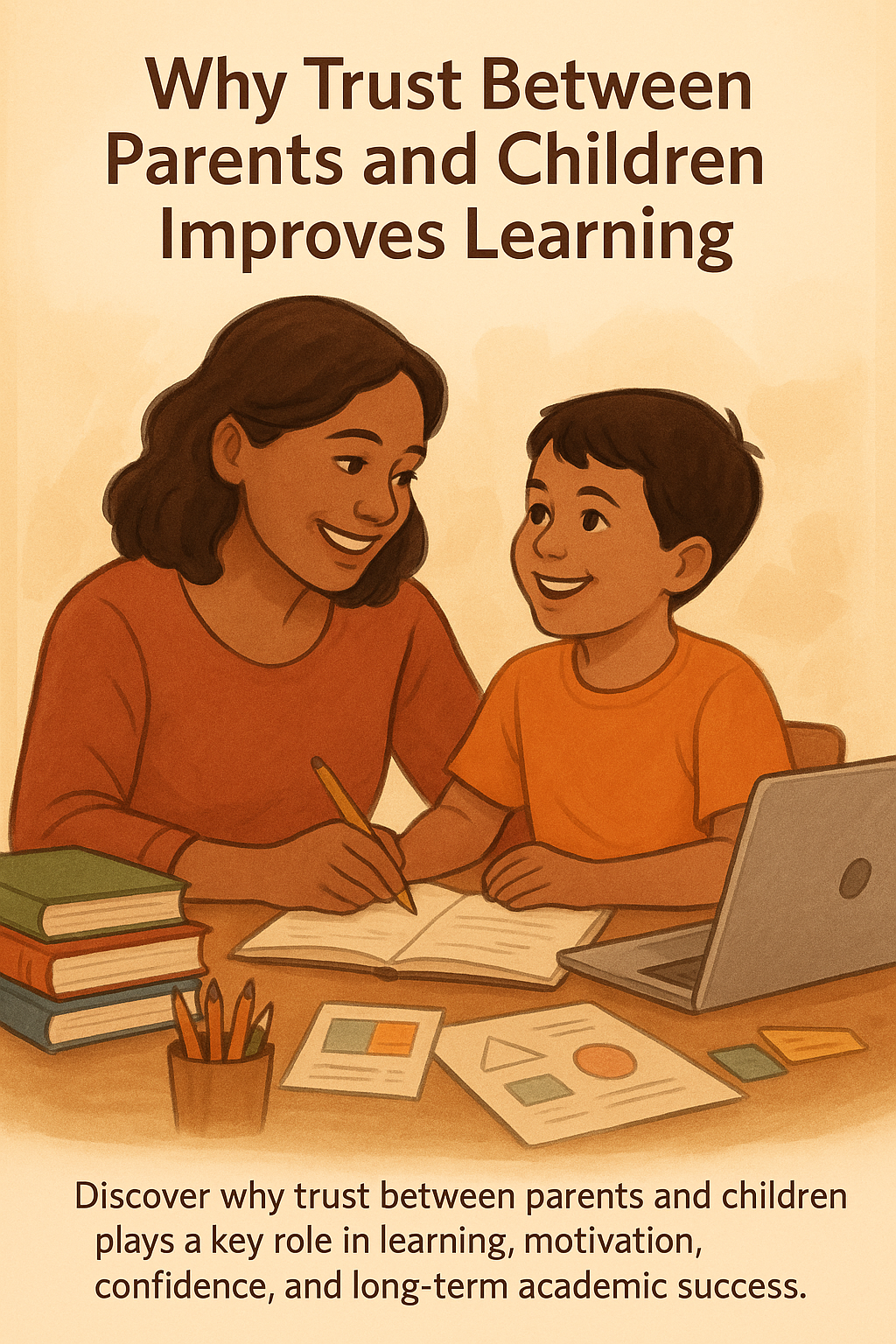
Trust forms the emotional foundation of a child’s learning journey. When children trust their parents, they feel safe to express doubts, share struggles and take academic risks. This sense of security allows learning to happen without fear or pressure. In contrast, when trust is weak, children often hide mistakes, avoid difficult topics and lose motivation.
Parents play a powerful role in shaping how children view learning. Supportive relationships encourage curiosity, persistence and self belief. Trust helps children see parents as allies rather than judges. Over time, this partnership improves focus, confidence and academic growth across school years.
How Trust Shapes a Child’s Approach to Learning
Children who trust their parents approach learning with openness. They ask questions without fear of criticism and admit when they do not understand something. This honesty allows parents to guide children in a meaningful way.
When trust is present, mistakes feel like part of learning rather than failure. Children remain willing to try again after setbacks. This attitude supports steady improvement and emotional resilience.
Trust also encourages independence. Children feel confident managing their work because they know support is available when needed. This balance between freedom and guidance strengthens long-term learning habits.
The Link Between Trust and Academic Confidence
Academic confidence grows when children feel believed in. Parents who show trust communicate that effort matters more than outcomes. This belief shapes how children view their abilities.
Confidence increases when parents follow positive parenting tips that focus on encouragement and understanding. Children internalise this support and begin to trust their own learning process.
Confident learners participate more in class, attempt challenging questions and handle feedback with maturity. Trust creates the emotional space needed for these behaviours to develop.
Why Fear Blocks Learning When Trust Is Missing
Fear becomes a barrier when children worry about disappointing parents. This fear often leads to avoidance, excuses or emotional shutdown during study time.
Children may rush through work or hide poor performance to avoid reactions. Over time, this pattern damages motivation and weakens learning foundations.
Understanding why encouragement matters more than perfection helps parents replace fear with reassurance. When fear fades, curiosity and effort return.
Building Trust Through Everyday Interactions
Trust is built through small daily moments. Listening without interrupting, acknowledging feelings and responding calmly shape how children perceive parental support.
Parents strengthen trust when they separate behaviour from identity. Instead of labelling a child as careless, they discuss specific challenges and solutions.
Consistent responses matter. When children know what to expect, they feel secure. Over time, this reliability strengthens emotional connection and learning confidence.
Trust and the Development of Self Discipline
Self discipline grows in an environment of trust. Children develop internal motivation when they feel responsible rather than controlled.
Parents who encourage accountability while offering guidance help children build lasting habits. Learning how to build self discipline supports this balanced approach.
Trust allows parents to step back gradually. Children then practise managing time, effort and priorities on their own, which strengthens academic independence.
Encouraging Growth Through a Trust-Based Mindset
A growth mindset thrives in trusting relationships. Children feel comfortable exploring new ideas when failure is not punished.
Parents who support building a growth mindset help children see learning as a process. This mindset encourages persistence and adaptability.
Trust ensures that children remain open to feedback. They view guidance as support rather than criticism, which improves learning outcomes.
Setting Goals Together Builds Mutual Trust
Goal setting becomes effective when parents involve children in the process. Shared goals encourage ownership and cooperation.
Children feel respected when parents discuss expectations openly. This collaboration reduces resistance and increases motivation.
Using approaches from setting realistic academic goals helps families align ambitions with ability. Trust grows when goals feel fair and achievable.
Trust Reduces Study-Related Conflict at Home
Many study conflicts arise from misunderstanding rather than lack of effort. Trust reduces defensiveness and opens communication.
When parents trust children’s intentions, discussions remain calm even during challenges. Children respond with honesty instead of avoidance.
Parents who learn to guide children without micromanaging preserve autonomy while maintaining support. This balance lowers tension and improves cooperation.
How Trust Supports Consistency and Patience
Learning takes time. Trust helps children stay patient during slow progress. They understand that improvement matters more than speed.
Parents can nurture this mindset by teaching consistency and patience through daily routines and calm reinforcement.
Children who trust parental guidance remain committed even when results take time. This steady effort leads to stronger academic foundations.
The Role of Family Support in Academic Success
Family support shapes how children view education. Trust strengthens this support by creating emotional safety.
Research and experience show that family support impacts academic success through encouragement, structure and understanding.
Children who feel supported are more likely to seek help early, practise regularly and remain engaged with learning goals.
Strengthening the Parent-Learning Relationship
A positive learning relationship rests on trust. Parents who position themselves as partners foster cooperation rather than resistance.
Following principles that build a positive parent-learning relationship helps parents stay connected to their child’s academic journey.
This partnership encourages shared responsibility. Children feel valued and parents feel involved without creating pressure.
Trust Across Different Academic Stages
Trust remains important across all grades. Younger students need reassurance and guidance, while older students need autonomy and respect.
Parents can support learners in Grade 8, Grade 9 and Grade 10 with close encouragement, then shift toward independence for Grade 11 and Grade 12.
Adjusting support based on age builds trust and prepares students for future responsibility.
Trust and Academic Support Tools
Trust allows parents to introduce learning tools without resistance. Children accept support when they do not feel forced.
Structured platforms such as AllRounder.ai offer lessons, revision and practice that complement school learning. When parents recommend tools instead of imposing them, children engage more willingly.
Students across boards benefit from structured support through CBSE courses, ICSE courses and IB courses when trust guides decision-making.
Encouraging Honest Conversations About Challenges
Children often hide struggles when trust is weak. Honest conversation emerges when parents respond with understanding.
Parents can ask reflective questions instead of focusing on results. This shows interest in effort and process.
Over time, children feel safe discussing fears, confusion and stress. This openness allows timely support and prevents academic setbacks.
Trust Improves Exam Preparation and Performance
Exams increase pressure. Trust helps children manage this stress without panic.
When parents trust preparation efforts, children focus better. They feel less need to prove themselves and more freedom to learn.
Using tools like practice tests helps children prepare with confidence while maintaining calm support at home.
Balancing Expectations With Emotional Support
High expectations without trust cause anxiety. Balanced expectations supported by trust build resilience.
Parents can communicate belief in their child’s ability while remaining flexible. This balance encourages effort without fear.
Children perform best when they know that support continues regardless of outcomes.
Conclusion: Trust as the Core of Effective Learning
Trust between parents and children shapes every aspect of learning. It influences motivation, confidence, discipline and emotional wellbeing. When trust exists, children approach learning with openness and persistence.
Parents who listen, encourage and guide with patience create an environment where learning thrives. With supportive tools like AllRounder.ai and a strong emotional foundation, children grow into confident, independent learners.
Trust does not remove challenges, but it transforms how families navigate them together.