
The Epics: Ramayana and Mahabharata
Interactive Audio Lesson
Listen to a student-teacher conversation explaining the topic in a relatable way.
Introduction to the Ramayana
🔒 Unlock Audio Lesson
Sign up and enroll to listen to this audio lesson

Today, we're diving into the Ramayana, an epic poem attributed to the sage Valmiki. Can anyone tell me what the Ramayana is about?

It's about Prince Rama and his adventures, right?
Exactly! It literally means 'Rama's Journey.' The narrative illustrates profound themes like Dharma, duty, and ideal kingship. Rama embodies Maryada Purushottama, the ideal man of righteousness. Now, why do you think these themes are important?

They show us how to live ethically and make good decisions.
Absolutely! These lessons have been used to guide moral conduct in society for centuries. Remember the acronym 'DREAM' to recall his qualities: D for Duty, R for Righteousness, E for Ethics, A for Adherence, and M for Morality. Let's move on to the characters. How does Sita fit into this narrative?

She represents purity and loyalty, facing great trials.
That's correct! Sita's journey highlights sacrifice and righteousness—she endures many trials yet remains steadfast. Before we finish, can someone summarize our key points on Rama and Sita?

Rama is the ideal king with a focus on Dharma, and Sita shows great loyalty and courage.
Great summary! Always keep in mind how these characters embody the principles of life.
Understanding the Mahabharata
🔒 Unlock Audio Lesson
Sign up and enroll to listen to this audio lesson

Now, let’s shift our focus to the Mahabharata. Can anyone tell me its central conflict?
It's about the battle between the Pandavas and Kauravas.
Correct! This epic is vast and showcases the complexities of human nature and moral ambiguity. The characters face difficult choices—can someone explain what makes these dilemmas significant?
They reveal how tough it can be to do the right thing.
Exactly! The Mahabharata doesn’t just depict a war; it explores deep truths about duty, loyalty, and sacrifice. Let’s focus on the Bhagavad Gita—is anyone familiar with its context?
Isn't it a dialogue between Krishna and Arjuna?
Yes! It's set just before the battle, addressing Arjuna's moral crisis. Remember the four paths to liberation: Karma Yoga, Jnana Yoga, Bhakti Yoga, and Dhyana Yoga. Can anyone elaborate on Karma Yoga?
It's about doing your duty without being attached to the outcomes.
Exactly! It's integral to understanding ethical action in our lives. To summarize, the Mahabharata addresses complex relationships and moral dilemmas, offering timeless lessons.
Cultural Impact of the Epics
🔒 Unlock Audio Lesson
Sign up and enroll to listen to this audio lesson
Let's talk about how the Ramayana and Mahabharata have shaped Indian culture over the ages. How do you think these stories impacted society?
They set moral examples for people.
Correct! They serve as moral compasses, influencing art, literature, and social values. Both epics are also retold in various forms. Can anyone give examples of their adaptations?
There are TV series and plays based on them.
Yes! These stories have been adapted into films, theater, and dance, ensuring their relevance today. Let’s summarize their impact on culture—who would like to try?
They guide morals, creatively influence the arts, and keep lessons alive through generations.
Excellent summary! Remember, the messages and teachings from both epics continue to resonate culturally and morally in India.
Introduction & Overview
Read summaries of the section's main ideas at different levels of detail.
Quick Overview
Standard
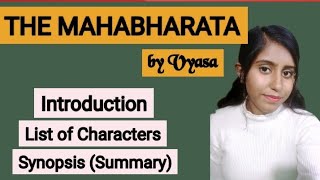
These two epic poems, the Ramayana attributed to Valmiki and the Mahabharata attributed to Vyasa, serve as vital cultural resources. They encapsulate moral dilemmas, ethical teachings, and philosophical discourse, influencing Indian civilization's art, literature, social customs, and moral values.
Detailed
The Ramayana, literally meaning 'Rama's Journey,' narrates the life of Prince Rama, an incarnation of the god Vishnu, focusing on themes of Dharma—righteousness, duty, and ideal kingship. Central to the epic are the characters of Rama and Sita, whose adherence to moral values amidst challenges showcases the triumph of good over evil. In contrast, the Mahabharata, the longest epic in the world, observes the conflict between the Pandavas and Kauravas and explores complex themes of human nature, ethical dilemmas, and the consequences of war. Key elements include the Bhagavad Gita, which conveys profound spiritual and ethical wisdom, elucidating paths to liberation. Both epics continued to shape moral and ethical discourse in Indian society and remain a living tradition of cultural significance.
Youtube Videos


Audio Book
Dive deep into the subject with an immersive audiobook experience.
Introduction to the Epics
Chapter 1 of 6
🔒 Unlock Audio Chapter
Sign up and enroll to access the full audio experience
Chapter Content
The Ramayana and Mahabharata are not merely long poems; they are foundational pillars of Indian civilization, colossal reservoirs of mythology, philosophy, ethics, and human experience. These epics, revered as sacred texts, have permeated every aspect of Indian culture, influencing art, literature, social customs, and moral values for millennia.
Detailed Explanation
The Ramayana and Mahabharata are essential texts for understanding Indian culture and values. They are more than just stories; they encompass significant moral and philosophical ideas that have shaped ethics, art, and social norms in India. By referring to them as pillars of civilization, we acknowledge their lasting impact on various aspects of life, from literature to social behaviors.
Examples & Analogies
Think of the Ramayana and Mahabharata like the foundational novels or stories in a culture, such as 'The Odyssey' in Western literature. Just like 'The Odyssey' teaches lessons about heroism, loyalty, and the human experience, these epics impart crucial life lessons that inform people’s values and actions.
The Ramayana Overview
Chapter 2 of 6
🔒 Unlock Audio Chapter
Sign up and enroll to access the full audio experience
Chapter Content
Attributed to the revered sage Valmiki, the Ramayana, literally 'Rama's Journey,' is a narrative of profound moral and spiritual significance. It recounts the life of Prince Rama of Ayodhya, an incarnation of the god Vishnu, and his virtuous wife, Sita.
Detailed Explanation
The Ramayana tells the story of Rama, a prince who embodies ideals of duty and virtue. It describes his life journey, notably his commitment to righteousness despite facing personal hardships. The narrative also includes the character of Sita, who represents loyalty and purity. This epic explores relationships, ethical behavior, and the concept of dharma, which is central to Indian ethos.
Examples & Analogies
Consider the relationship between Rama and Sita as a representation of strong moral values in relationships, similar to how in stories of modern heroes or successful relationships, we often highlight themes of loyalty, sacrifice, and integrity.
Themes in the Ramayana
Chapter 3 of 6
🔒 Unlock Audio Chapter
Sign up and enroll to access the full audio experience
Chapter Content
The central theme of the Ramayana is the concept of Dharma—righteousness, moral duty, and cosmic order. Rama is presented as Maryada Purushottama, the ideal man, embodying unwavering adherence to Dharma as a son, brother, husband, and king. His character exemplifies selflessness, integrity, obedience to elders, and commitment to justice, even when faced with unimaginable personal suffering.
Detailed Explanation
Dharma in the Ramayana emphasizes the importance of following one's moral and ethical responsibilities in life. Rama's actions reflect ideal responses to challenges, showcasing virtues like integrity and selflessness. The narrative illustrates that adhering to dharma often involves sacrifice, as seen through Rama's exile and the struggles he endures to honor his father's word.
Examples & Analogies
Imagine a person in a leadership position who must make a tough decision against their personal interests for the well-being of their community; this reflects the essence of dharma. Just like Rama, such individuals prioritize their duties and responsibilities above their own desires.
The Mahabharata Overview
Chapter 4 of 6
🔒 Unlock Audio Chapter
Sign up and enroll to access the full audio experience
Chapter Content
Attributed to Vyasa, the Mahabharata is an epic of unparalleled length and complexity, often considered the longest poem in the world. Its central narrative revolves around the cataclysmic dynastic struggle between two cousin factions of the Kuru clan—the virtuous Pandavas and the ambitious Kauravas—culminating in the devastating Kurukshetra War.
Detailed Explanation
The Mahabharata presents not only a story of conflict but also a rich tapestry of philosophical and ethical questions. It examines the nature of righteousness through the lens of a war between relatives, embodying deep moral ambiguities and dilemmas. The epic showcases how personal vendettas, loyalty, and ethical conduct clash, leading to significant consequences.
Examples & Analogies
Much like in real family disputes where personal relationships become complicated by conflicting interests, the Mahabharata illustrates how even the closest ties can unravel under the weight of ambition, desire, and ethical conflicts.
Ethical Dilemmas in the Mahabharata
Chapter 5 of 6
🔒 Unlock Audio Chapter
Sign up and enroll to access the full audio experience
Chapter Content
The Mahabharata explores human nature, moral ambiguity, and the devastating consequences of conflict, often presenting characters who are complex and morally gray, forced to make agonizing choices in morally ambiguous situations.
Detailed Explanation
This epic is unique as it does not portray characters as purely good or evil; rather, it delves into the complexity of human emotions and the difficult choices individuals face. The text emphasizes that conflicts often arise from differing interpretations of dharma, leading to tragic outcomes, showcasing the intricacies of human nature.
Examples & Analogies
Imagine a scenario where two friends have a falling out over a misunderstanding. The nuances of their personalities and circumstances contribute to the conflict, paralleling how in the Mahabharata, each character's motivations are multifaceted and drive the narrative of conflict.
The Bhagavad Gita as a Philosophical Discourse
Chapter 6 of 6
🔒 Unlock Audio Chapter
Sign up and enroll to access the full audio experience
Chapter Content
One of the most significant sections of the Mahabharata is the Bhagavad Gita ('Song of God'), a philosophical discourse between Lord Krishna and Arjuna on the battlefield of Kurukshetra, just before the war begins.
Detailed Explanation
The Bhagavad Gita serves as a spiritual guide, addressing Arjuna's moral dilemmas and confusions about fighting in the war. Krishna imparts wisdom about duty, righteousness, and the paths to spiritual liberation. The teachings are essential for understanding various aspects of Hindu philosophy, encompassing action, knowledge, devotion, and meditation.
Examples & Analogies
Consider this dialogue as a mentor guiding a student facing a tough decision in life. Just as a mentor shares valuable insights to help the student resolve their dilemmas, Krishna provides Arjuna with the philosophical tools to understand his responsibilities and navigate through life's challenges.
Key Concepts
-
Ramayana: A narrative about Prince Rama, focusing on Dharma.
-
Mahabharata: An epic exploring moral dilemmas through the Pandavas and Kauravas.
-
Bhagavad Gita: A dialogue discussing ethical living and paths to liberation.
Examples & Applications
Rama's exile is a pivotal moment that emphasizes the importance of Dharma and self-sacrifice.
The ongoing conflict between the Pandavas and Kauravas symbolizes the struggle between good and evil in society.
Memory Aids
Interactive tools to help you remember key concepts
Rhymes
In the Ramayana, Rama leads the way, / With morals and duty to display.
Stories
Once, in a land of Dharma and strife, / Rama fought for justice, preserving life.
Memory Tools
Remember 'Karma Is Vital' for Karma Yoga in the Gita.
Acronyms
DREAM for Rama's qualities
Duty
Righteousness
Ethics
Adherence
Morality.
Flash Cards
Glossary
- Dharma
Righteousness, moral duty, and cosmic order in Hindu philosophy.
- Rama
The protagonist of the Ramayana, symbolizing the ideal man and king.
- Mahabharata
The longest epic poem in the world, detailing a dynastic struggle.
- Bhagavad Gita
A philosophical discourse within the Mahabharata, focusing on duty and ethics.
- Pandavas
The five brothers in the Mahabharata who represent virtue and righteousness.
- Kauravas
The antagonistic cousins of the Pandavas in the Mahabharata, representing ambition.
Reference links
Supplementary resources to enhance your learning experience.