
Macromolecules: Structure and Function
Interactive Audio Lesson
Listen to a student-teacher conversation explaining the topic in a relatable way.
Carbohydrates
🔒 Unlock Audio Lesson
Sign up and enroll to listen to this audio lesson

Today, we will start with carbohydrates. Can anyone tell me what carbohydrates are made of?

I think they are made of carbon, hydrogen, and oxygen, right?
That's correct! They have a general formula of (CH₂O)n. Now, do you remember what the simplest form of carbohydrates is called?

Monosaccharides, like glucose!
Excellent! What are some examples of carbohydrates and their functions?

Disaccharides like sucrose and polysaccharides like starch and cellulose.

Carbohydrates provide energy, right? They can store energy too!
Yes! Glucose is an immediate energy source, while starch in plants and glycogen in animals are energy storage forms. Remember: "C-E-S" - Carbohydrates for Energy and Storage.
That's a good trick to remember!
Great! To summarize, carbohydrates are essential for energy and structure in life. Now let's move to the next macromolecule.
Lipids
🔒 Unlock Audio Lesson
Sign up and enroll to listen to this audio lesson

Next up are lipids. What do you think lipids are made of?
They are primarily made of carbon and hydrogen!
Exactly! They can also contain some oxygen. Who can name some types of lipids?
Triglycerides, phospholipids, and steroids!
Good job! Can anyone explain the structure of triglycerides?
They consist of one glycerol molecule and three fatty acids.
Yes! And what are the functions of lipids?
They are for long-term energy storage and protection, right?
And making up cell membranes!
Exactly! Lipids are crucial for energy storage and form the biological membranes. Remember the acronym 'LIP' for Lipids Indicating Protection!
That's a helpful acronym! Let's move on.
Proteins
🔒 Unlock Audio Lesson
Sign up and enroll to listen to this audio lesson
Now, let's discuss proteins. What are proteins made of?
They're made of amino acids linked by peptide bonds.
Fantastic! What are the four levels of protein structure?
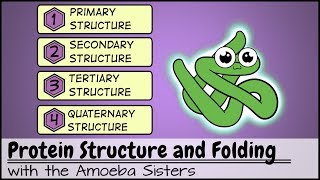
Primary, secondary, tertiary, and quaternary structure.
Exactly! Can someone describe what happens at each level?
The primary is the sequence of amino acids, secondary is folding formed by hydrogen bonds, tertiary is the overall 3D shape, and quaternary involves multiple polypeptide chains.
Well done! Now let's talk about their functions. What are the roles of proteins?
Enzymes for catalyzing reactions, structural roles, and transport!
And they help in defense as antibodies!
Exactly! Remember the phrase 'Proteins Perform' – they perform many vital biological functions.
Got it! That makes it easy to remember.
Great! Now, let's proceed to nucleic acids.
Nucleic Acids
🔒 Unlock Audio Lesson
Sign up and enroll to listen to this audio lesson
Finally, let's explore nucleic acids. What are they constructed from?
They are polymers of nucleotides, consisting of a phosphate group, sugar, and nitrogenous base!
Excellent! What are the two main types of nucleic acids?
DNA and RNA!
Correct! Can anyone talk about the differences between DNA and RNA?
DNA has deoxyribose sugar and uses thymine, while RNA has ribose sugar and uses uracil.
Good observation! What are their functions?
DNA stores genetic information, and RNA is involved in protein synthesis!
Spot on! Remember the mnemonic 'DNA = Data, RNA = Runners' to remember their roles in storing genetic data and running the process of coding proteins.
That's a great way to recall it!
Fantastic! To summarize, nucleic acids are vital for life, providing the genetic blueprint for organisms. Let's move on to the next topic!
Introduction & Overview
Read summaries of the section's main ideas at different levels of detail.
Quick Overview
Standard
Macromolecules are large essential molecules composed of smaller units called monomers. This section details the structure and functions of carbohydrates, lipids, proteins, and nucleic acids, explaining how each type plays a crucial role in biological systems.
Detailed
Macromolecules: Structure and Function
Macromolecules are large biological molecules crucial for life, composed of smaller building blocks called monomers. This section breaks down the four primary types of macromolecules: carbohydrates, lipids, proteins, and nucleic acids, elucidating their structures, functions, and significance.
2.1 Carbohydrates
- Structure: Composed of carbon (C), hydrogen (H), and oxygen (O) in a ratio of 1:2:1, with the empirical formula (CH₂O)n.
- Monomers: The simplest form is monosaccharides, such as glucose and fructose.
- Polymers: Disaccharides (like sucrose) and polysaccharides (like starch, glycogen, and cellulose).
- Functions: They serve as immediate energy sources (glucose), energy storage (starch in plants, glycogen in animals), and provide structural support (cellulose in plant cell walls).
2.2 Lipids
- Structure: Composed mainly of carbon, hydrogen, and oxygen; includes triglycerides, phospholipids, and steroids.
- Triglycerides: Comprised of glycerol and three fatty acids, which can be saturated or unsaturated.
- Functions: Lipids function as long-term energy storage, offer insulation and protection, are key components of biological membranes (phospholipids), and play roles in hormone production (steroids like cholesterol).
2.3 Proteins
- Structure: Formed from polymers of amino acids linked by peptide bonds.
- Levels of Structure: Include primary (linear), secondary (α-helix and β-pleated), tertiary (3D folding), and quaternary (multiple polypeptide chains, e.g., hemoglobin).
- Functions: Proteins serve as catalysts (enzymes), provide structural support (collagen), facilitate transport (hemoglobin), and function in defense (antibodies).
2.4 Nucleic Acids
- Structure: Composed of polymers of nucleotides, each consisting of a phosphate group, sugar, and nitrogenous base.
- Types: DNA (contains deoxyribose) and RNA (contains ribose).
- Bases: In DNA, the bases are adenine (A), thymine (T), cytosine (C), and guanine (G). In RNA, uracil (U) replaces thymine.
- Functions: Nucleic acids store genetic information (DNA) and aid in protein synthesis (RNA).
Understanding macromolecules is vital for comprehending how life's processes function at a molecular level.
Youtube Videos




Audio Book
Dive deep into the subject with an immersive audiobook experience.
Introduction to Macromolecules
Chapter 1 of 5
🔒 Unlock Audio Chapter
Sign up and enroll to access the full audio experience
Chapter Content
Macromolecules are large molecules essential for life, built from smaller units called monomers.
Detailed Explanation
Macromolecules are the large, complex compounds that are vital for the structure and function of living organisms. They are formed from smaller building blocks known as monomers. These monomers link together in various ways to form polymer chains, resulting in macromolecules like carbohydrates, lipids, proteins, and nucleic acids. Understanding the structure and function of these macromolecules is crucial for the study of biology, as they play key roles in cellular processes.
Examples & Analogies
Think of macromolecules as a train made up of different carriages representing various monomers. Just like each carriage (monomer) contributes to the whole train (macromolecule), different types of monomers come together to create significant biological compounds, each serving unique functions in living organisms.
Carbohydrates: Structure and Function
Chapter 2 of 5
🔒 Unlock Audio Chapter
Sign up and enroll to access the full audio experience
Chapter Content
Carbohydrates
- Structure: Made of carbon (C), hydrogen (H), and oxygen (O) with formula (CH₂O).
- Monomers: Monosaccharides (simple sugars like glucose, fructose).
- Polymers: Disaccharides (sucrose), polysaccharides (starch, glycogen, cellulose).
- Function:
- Immediate energy source (glucose).
- Energy storage (starch in plants, glycogen in animals).
- Structural support (cellulose in plant cell walls).
Detailed Explanation
Carbohydrates are macromolecules composed of carbon, hydrogen, and oxygen. They can be classified into three types according to their complexity: monosaccharides (the simplest form of sugar, such as glucose), disaccharides (two monosaccharides linked together, like sucrose), and polysaccharides (long chains of monosaccharides, like starch and cellulose). Carbohydrates are primarily recognized for their roles in providing energy to living organisms; glucose serves as an immediate energy source, while starch and glycogen store energy. Additionally, some carbohydrates, such as cellulose, serve structural purposes in plant cell walls, giving them rigidity.
Examples & Analogies
Consider carbohydrates as the fuel for a car. Just as gasoline provides fuel for a vehicle to move, carbohydrates, especially glucose, provide energy for our bodies to function. Complex carbohydrates like starch are similar to a gas tank – they store energy for later use when the body needs it.
Lipids: Structure and Function
Chapter 3 of 5
🔒 Unlock Audio Chapter
Sign up and enroll to access the full audio experience
Chapter Content
Lipids
- Structure: Composed mainly of carbon, hydrogen, oxygen; includes triglycerides, phospholipids, steroids.
- Triglycerides: Glycerol + 3 fatty acids; fatty acids can be saturated or unsaturated.
- Function:
- Long-term energy storage.
- Insulation and protection.
- Key components of biological membranes (phospholipids).
- Hormonal roles (steroids like cholesterol, sex hormones).
Detailed Explanation
Lipids are diverse macromolecules that include fats, oils, and hormones. They are primarily composed of carbon and hydrogen with smaller amounts of oxygen. Triglycerides, which are the most common type of fat, consist of one glycerol molecule bonded to three fatty acid chains. The structure of fatty acids can vary, leading to saturated (solid at room temperature) or unsaturated (liquid at room temperature) forms. Lipids serve multiple functions in the body, such as long-term energy storage, insulation to keep organisms warm, and forming cell membranes. Certain lipids also act as hormones, which regulate various biological processes.
Examples & Analogies
Think of lipids like a storage shed in your backyard. Just as a shed holds tools and equipment for future use, lipids store energy for your body when it doesn’t have immediate access to food. The shed also helps protect your yard from the elements, just like lipids help insulate and protect your body.
Proteins: Structure and Function
Chapter 4 of 5
🔒 Unlock Audio Chapter
Sign up and enroll to access the full audio experience
Chapter Content
Proteins
- Structure: Polymers of amino acids linked by peptide bonds.
- Levels of Structure:
- Primary: Linear sequence of amino acids.
- Secondary: α-helix and β-pleated sheet (due to hydrogen bonds).
- Tertiary: 3D folding from side chain interactions.
- Quaternary: Multiple polypeptide chains (e.g., hemoglobin).
- Function:
- Catalysts (enzymes).
- Structural proteins (collagen).
- Transport (hemoglobin).
- Defense (antibodies).
Detailed Explanation
Proteins are made up of chains of amino acids that are connected by peptide bonds. The sequence and arrangement of these amino acids determine a protein’s unique structure and function. Proteins can be described at four structural levels: primary (the sequence of amino acids), secondary (local folded structures), tertiary (the overall 3D shape), and quaternary (composed of multiple polypeptide chains). Proteins perform a variety of essential functions within living organisms, including as enzymes that catalyze biochemical reactions, providing structure (like collagen in skin), transporting molecules (like hemoglobin carrying oxygen), and playing roles in the immune response (antibodies).
Examples & Analogies
Think of proteins as a very skilled team of workers in a factory. Each type of protein has a special job, just like workers on an assembly line have specific roles. Some may be like machines, speeding up processes (enzymes), while others may build and maintain the structure of the factory (collagen).
Nucleic Acids: Structure and Function
Chapter 5 of 5
🔒 Unlock Audio Chapter
Sign up and enroll to access the full audio experience
Chapter Content
Nucleic Acids
- Structure: Polymers of nucleotides (phosphate + sugar + nitrogenous base).
- Types: DNA (deoxyribose sugar) and RNA (ribose sugar).
- Bases:
- DNA: Adenine (A), Thymine (T), Cytosine (C), Guanine (G).
- RNA: Adenine (A), Uracil (U), Cytosine (C), Guanine (G).
- Function: Store genetic information (DNA) and aid in protein synthesis (RNA).
Detailed Explanation
Nucleic acids, which include DNA and RNA, are polymers made from nucleotides. Each nucleotide consists of a phosphate group, a sugar (deoxyribose in DNA and ribose in RNA), and a nitrogenous base (adenine, guanine, cytosine, and thymine for DNA; uracil replaces thymine in RNA). DNA stores the genetic information necessary for the development, functioning, and reproduction of living organisms, while RNA plays a crucial role in translating that genetic information into proteins. The specific arrangements of bases in the nucleic acids determine the genetic code.
Examples & Analogies
Imagine nucleic acids as a recipe book in a kitchen. DNA contains all the recipes needed to create different dishes (organisms), while RNA is like a chef that takes those recipes and prepares the meal (proteins). Each recipe has specific instructions (base sequences) that need to be followed to create the final dish.
Key Concepts
-
Macromolecules: Large essential molecules in living organisms, composed of smaller units called monomers.
-
Carbohydrates: Serve as sources of energy and structural components, including monosaccharides and polysaccharides.
-
Lipids: Function in energy storage, insulation, and are structural components of cell membranes.
-
Proteins: Perform a wide range of functions, including catalysis, structure, and transport, and consist of amino acids.
-
Nucleic Acids: Store genetic information and aid in protein synthesis; include DNA and RNA.
Examples & Applications
Glucose is a primary energy source for cells and a monosaccharide.
Starch serves as an energy storage polysaccharide in plants.
Cellulose provides structural support in plant cell walls.
Triglycerides act as long-term energy storage molecules.
An enzyme like lactase aids in breaking down lactose.
Memory Aids
Interactive tools to help you remember key concepts
Rhymes
Carbs bring energy to our day, lipids help us store away, proteins build and enzymes play, nucleic acids lead the way!
Stories
In a kitchen, Carbohydrate was the chef, helping everyone get energy, while Lipid was the pantry, storing food; Protein was the builder, constructing everything, and Nucleic Acid was the librarian, keeping the recipes safe.
Memory Tools
C-L-P-N - Carbohydrates (energy), Lipids (storage), Proteins (catalysts), Nucleic Acids (information).
Acronyms
C-L-P-N
Carbs for energy
Lipids for storage
Proteins for structure
Nucleic Acids for genetics.
Flash Cards
Glossary
- Carbohydrates
Organic compounds made of carbon, hydrogen, and oxygen; serve as energy sources and structural components.
- Lipids
Organic molecules primarily made of carbon and hydrogen; function in energy storage, insulation, and cellular structure.
- Proteins
Large biomolecules made of amino acid polymers that perform a variety of functions in living organisms.
- Nucleic Acids
Biomolecules, such as DNA and RNA, that carry genetic information and are essential for protein synthesis.
- Monomers
Small building blocks of macromolecules; examples include monosaccharides for carbohydrates and nucleotides for nucleic acids.
- Polymers
Large molecules composed of repeating structural units (monomers), such as starch and polypeptides.
- Amino Acids
Organic compounds that serve as the building blocks of proteins.
- Fatty Acids
Long hydrocarbon chains that constitute lipids.
Reference links
Supplementary resources to enhance your learning experience.