Professional Courses
Industry-relevant training in Business, Technology, and Design
Categories
Interactive Games
Fun games to boost memory, math, typing, and English skills
Typing
Memory
Math
English Adventures
Knowledge

The JEE Advanced Result Archive: Past Trends and Data

The JEE Advanced Result Archive: Past Trends and Data
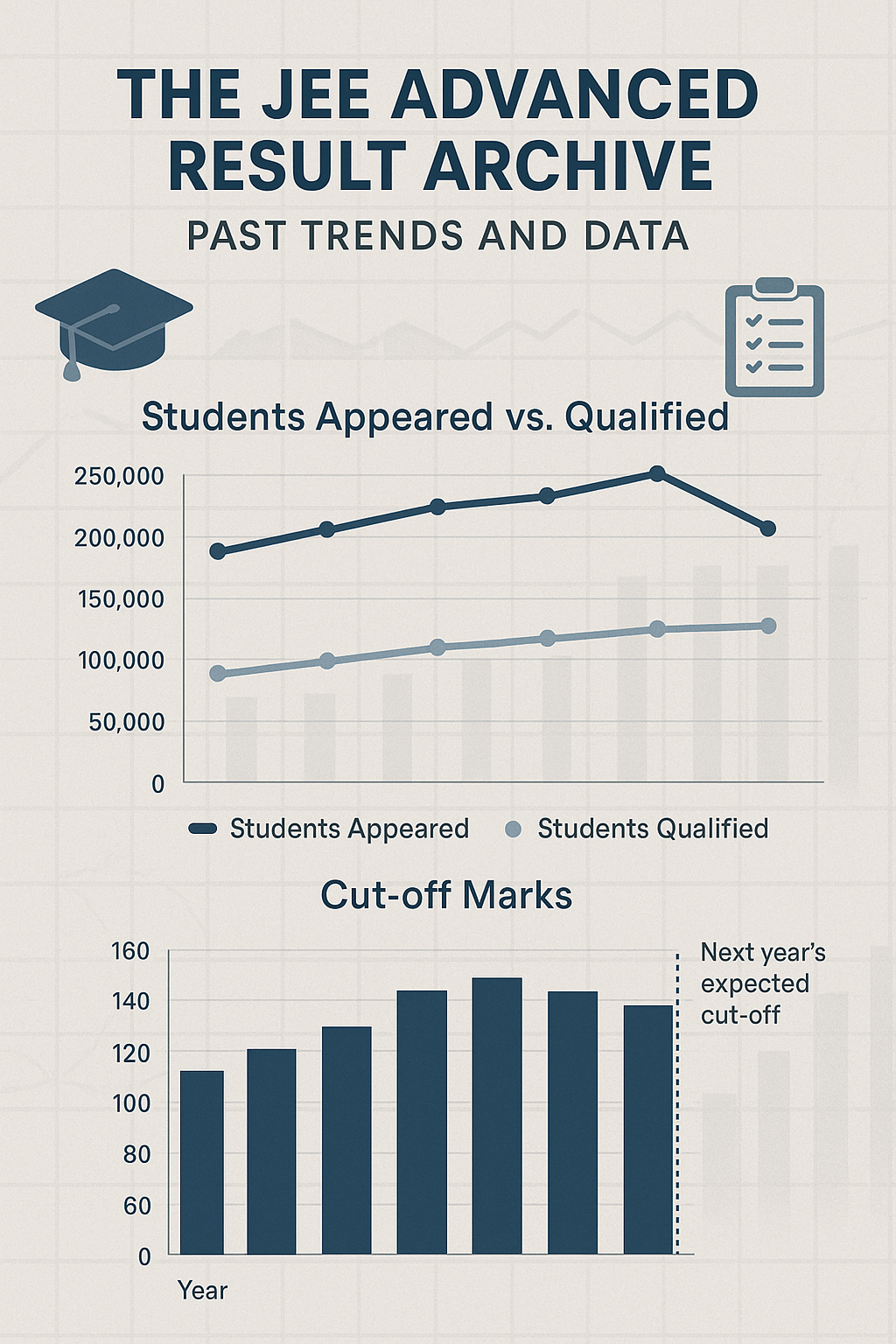
Every year, the JEE Advanced result marks a defining moment for thousands of engineering aspirants in India. The exam not only determines entry into the prestigious Indian Institutes of Technology (IITs) but also serves as a benchmark for academic excellence and competition.
While every year brings its own level of difficulty and surprises, the overall data and trends from past results tell a powerful story. The number of students appearing, the qualifying percentage, and the cut-offs reflect how preparation strategies and exam patterns have evolved over time.
This guide dives deep into the JEE Advanced result archive analysing previous years’ data, discussing the number of students who appeared and qualified, and predicting the expected cut-off for the upcoming year.
For additional context, check:
- How many seats in JEE Advanced
- Minimum percentile required for JEE Advanced eligibility
- How many students qualify for JEE Advanced every year
- JEE Advanced news and updates
- Options if not qualified for JEE Advanced
Understanding the Importance of Result Analysis
Before looking at the numbers, it’s important to understand why analysing the JEE Advanced result archive is valuable. The data from previous years helps students:
- Understand how difficulty levels impact cut-offs
- Estimate realistic qualifying marks
- Identify trends in the number of applicants and selections
- Strategize preparation based on expected competition
These insights not only guide future aspirants but also reveal how the IIT admission landscape has evolved.
The JEE Advanced Journey: A Quick Recap
JEE Advanced is the second stage of the Joint Entrance Examination (JEE), conducted after JEE Main. Only the top 2.5 lakh scorers in JEE Main qualify for this stage. The exam tests students across Physics, Chemistry, and Mathematics, with questions designed to challenge problem-solving and analytical skills.
The results of JEE Advanced determine eligibility for admission into 23 IITs across India. With limited seats and an intense selection process, even small shifts in difficulty or question patterns can significantly influence the cut-off and qualification rates.
For details on available seats, check: How many seats in JEE Advanced
Past Trends: Students Appeared vs. Qualified
Over the years, the JEE Advanced exam has seen a steady increase in participation, though not everyone qualifies. Let’s explore the general trend over the past few sessions:
JEE Advanced 2024
In 2024, around 1.9 lakh candidates appeared for the exam, out of which approximately 48,000 qualified. This year’s paper was moderately difficult, with Physics being the toughest section for most students.
JEE Advanced 2023
About 1.8 lakh students took the exam, and nearly 43,000 qualified. The cut-offs were slightly higher than in 2022 due to an easier Chemistry paper.
JEE Advanced 2022
Roughly 1.6 lakh candidates appeared, and 40,000 qualified. The difficulty level was above average, and the cut-off marks dropped slightly compared to the previous year.
JEE Advanced 2021
Despite the pandemic disruptions, 1.5 lakh students appeared, and 41,000 qualified. The performance gap widened due to uneven preparation conditions across regions.
The overall qualification rate over these years has hovered around 22 to 25 percent. The trend indicates that while more students attempt the exam each year, the qualification ratio remains consistent due to the challenging nature of the test.
For more details, refer to: How many students qualify for JEE Advanced every year
Cut-off Trends Through the Years
Cut-offs are one of the most closely followed elements of the JEE Advanced result. They fluctuate each year depending on paper difficulty, number of applicants, and overall performance.
Here’s an overview of how trends have shifted:
- In 2021, the general category cut-off for qualification was around 34%.
- In 2022, it dropped slightly to 28% due to a tougher paper.
- In 2023, the cut-off rose again to 31%.
- In 2024, early analysis showed a similar pattern, with expected cut-offs hovering near 30%.
The variation shows how small changes in question complexity or marking schemes can alter results.
For current percentile eligibility requirements, check: Minimum percentile required for JEE Advanced eligibility
Category-Wise Cut-off Observations
Over time, the qualifying marks for different categories have followed predictable gaps. The general category cut-off usually stands around 30–35% of the total marks, while the OBC-NCL and EWS categories are 10–12 marks lower on average. SC and ST categories typically see cut-offs ranging between 20–25% of total marks.
This consistent pattern allows students to estimate realistic targets depending on their category and previous year’s difficulty.
What Influences the JEE Advanced Result Trends?
Several key factors affect yearly trends in results and qualification rates:
-
Difficulty Level of the Paper
Even a small shift in paper difficulty can change the overall qualifying marks. For instance, a tougher Physics section often leads to a noticeable dip in average scores. -
Normalization and Evaluation Process
Because JEE Advanced is held in multiple sessions, normalization ensures fairness. However, differences in session difficulty can still influence final results. -
Number of Candidates Appearing
The competition becomes tighter as more students qualify from JEE Main. This impacts the cut-off as the relative ranking shifts. -
Seat Availability
If the number of seats increases, the cut-offs tend to relax slightly. You can review seat distribution here: How many seats in JEE Advanced -
Performance Distribution
If a large number of students score well in one subject but poorly in another, the aggregate cut-offs balance out accordingly.
Expected Cut-off for JEE Advanced 2026
Based on previous years’ data and current trends, the expected cut-off for JEE Advanced 2026 is projected to fall between:
- General Category: 31–33%
- OBC-NCL/EWS: 27–29%
- SC/ST: 21–24%
These estimates assume a moderate level of difficulty similar to 2024. However, actual results may vary depending on the exam design and candidate performance.
If you’re planning to appear in 2026, focus on consistent preparation and concept clarity rather than chasing a fixed number.
For guidance, see: Next steps after JEE Advanced result
Learning from Historical Data
Data alone doesn’t tell the whole story. What matters is how you use it to improve preparation. By reviewing trends, aspirants can:
- Identify which subjects historically determine rank movement.
- Adjust study plans based on changing weightage patterns.
- Focus on concept mastery to tackle variations in question style.
Analysing the JEE Advanced result archive isn’t about predicting exact outcomes, it’s about aligning preparation strategies with long-term trends.
For Students Who Didn’t Qualify
Not everyone qualifies for JEE Advanced, and that’s okay. There are still several pathways to success in engineering. Many aspirants pursue admissions through JEE Main into NITs, IIITs, or private institutions. Others explore state-level engineering entrances or B.Tech programs abroad.
You can read about your alternatives here: Options if not qualified for JEE Advanced
The key is not to lose momentum. Even if you didn’t make it this time, consistent effort and smart use of study tools can help you perform better in the next attempt.
How Students Can Use AllRounder.ai for JEE Preparation
Platforms like AllRounder.ai are transforming how students prepare for exams like JEE Advanced. The platform provides structured CBSE, ICSE, and IB courses, interactive games, and subject-based practice tests.
Students from Class 8 through Class 12 can build strong foundations in Physics, Chemistry, and Math ensuring that when it’s time for JEE Advanced, they’re confident and exam-ready.
Final Thoughts
The JEE Advanced result archive offers valuable lessons in perseverance, competition, and strategy. Each year’s result data shows not just numbers, but the dedication of thousands of aspirants striving for excellence.
If you’re preparing for upcoming attempts, use past data as a guide, not a limit. Trends can help set realistic expectations, but your performance will depend on consistent effort and the right approach.
From understanding how many students qualify each year to knowing the expected cut-off for next year, being informed gives you a decisive edge.
Keep an eye on updates through JEE Advanced news and results, stay disciplined, and remember, your journey doesn’t end with the result; it begins with what you learn from it.
Explore the JEE Advanced Result Archive with past years’ data, insights on students appeared vs qualified, cut-off...

Got your JEE Advanced result? Here’s the complete step-by-step guide to the JoSAA counselling process from...
.jpg?width=500)
How many seats in JEE Advanced? Explore IIT seat distribution across all branches like CSE, Mechanical, Aerospace,...
Compare all IITs for JEE Advanced aspirants. Learn about academics, placements, campus life, and find which IIT is...
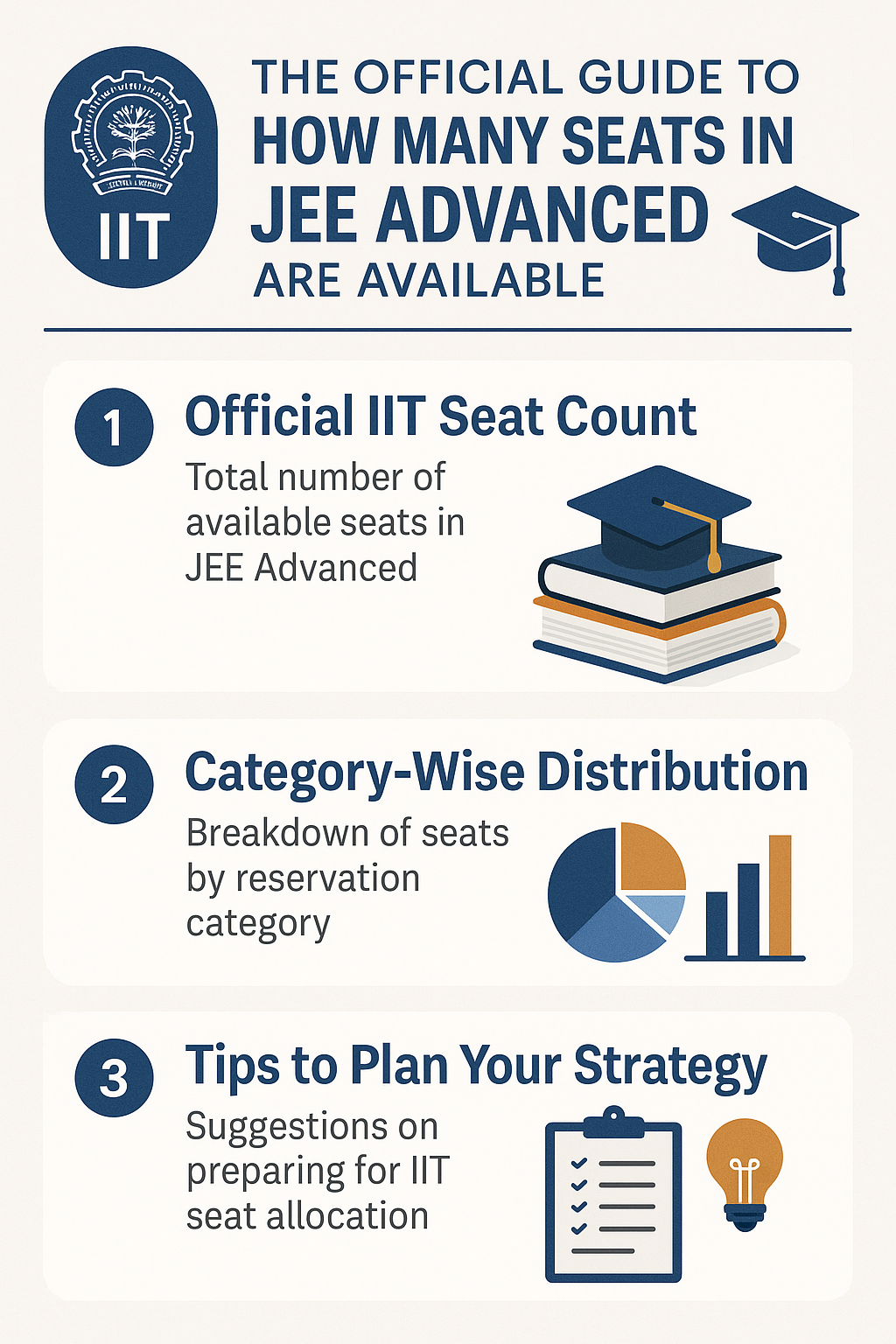
Wondering how many seats in JEE Advanced are available? Get the official IIT seat count, category-wise distribution,...
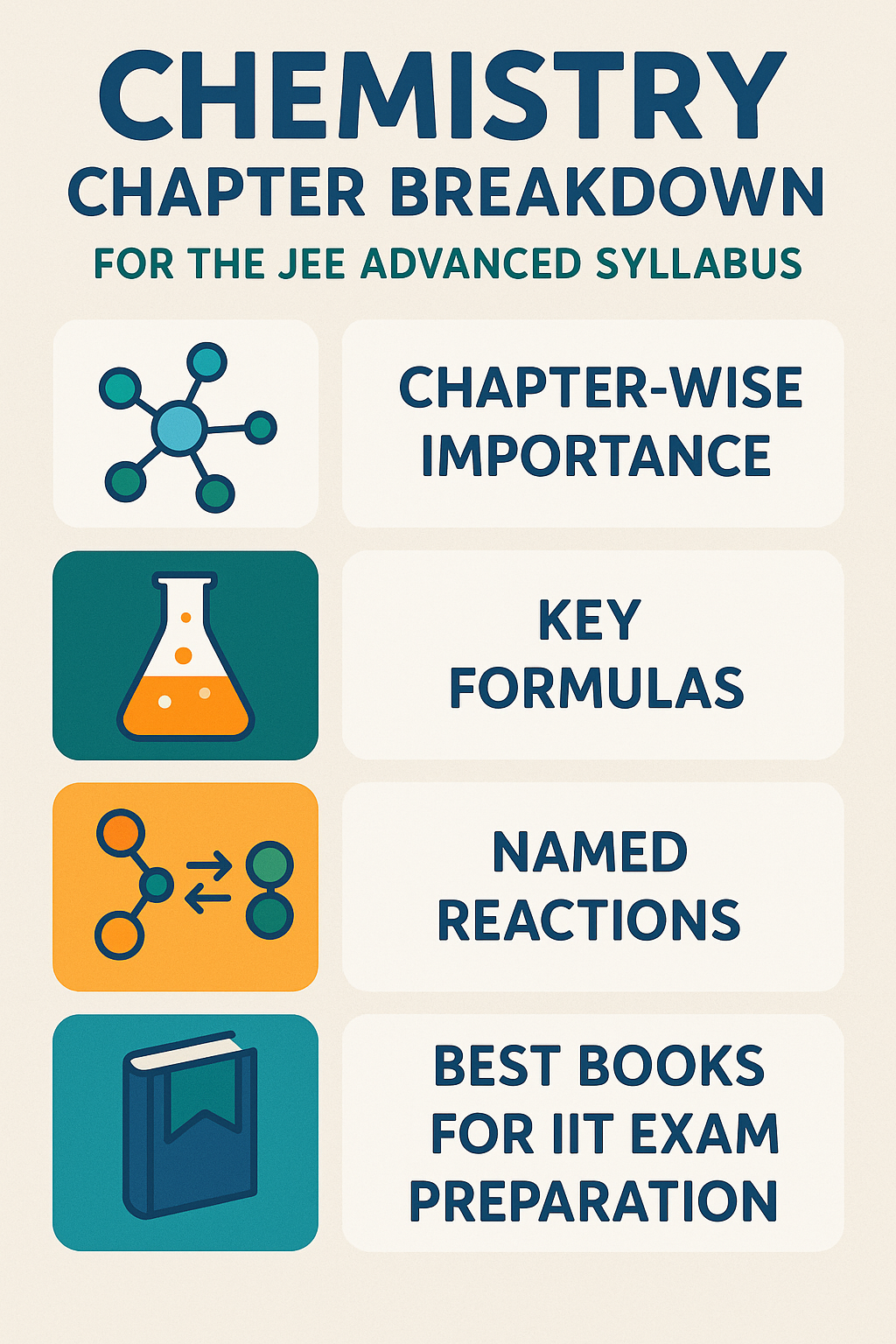
Explore the Chemistry JEE Advanced syllabus with chapter-wise importance, key formulas, named reactions, and the...
Explore the Maths JEE Advanced syllabus with chapter-wise importance, high-scoring topics, and the best books to...
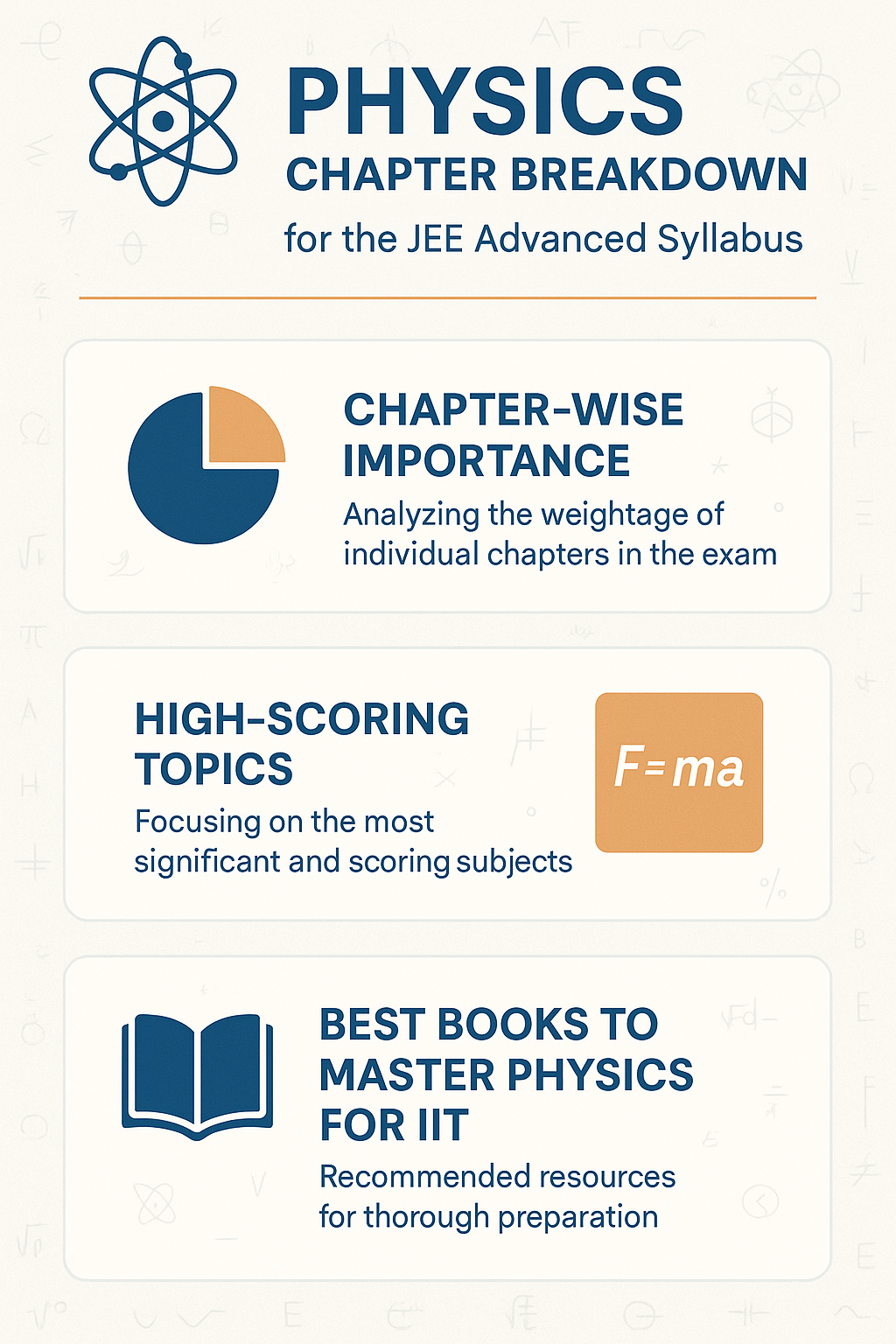
Explore the Physics portion of the JEE Advanced syllabus. Get chapter-wise importance, high-scoring topics, and the...
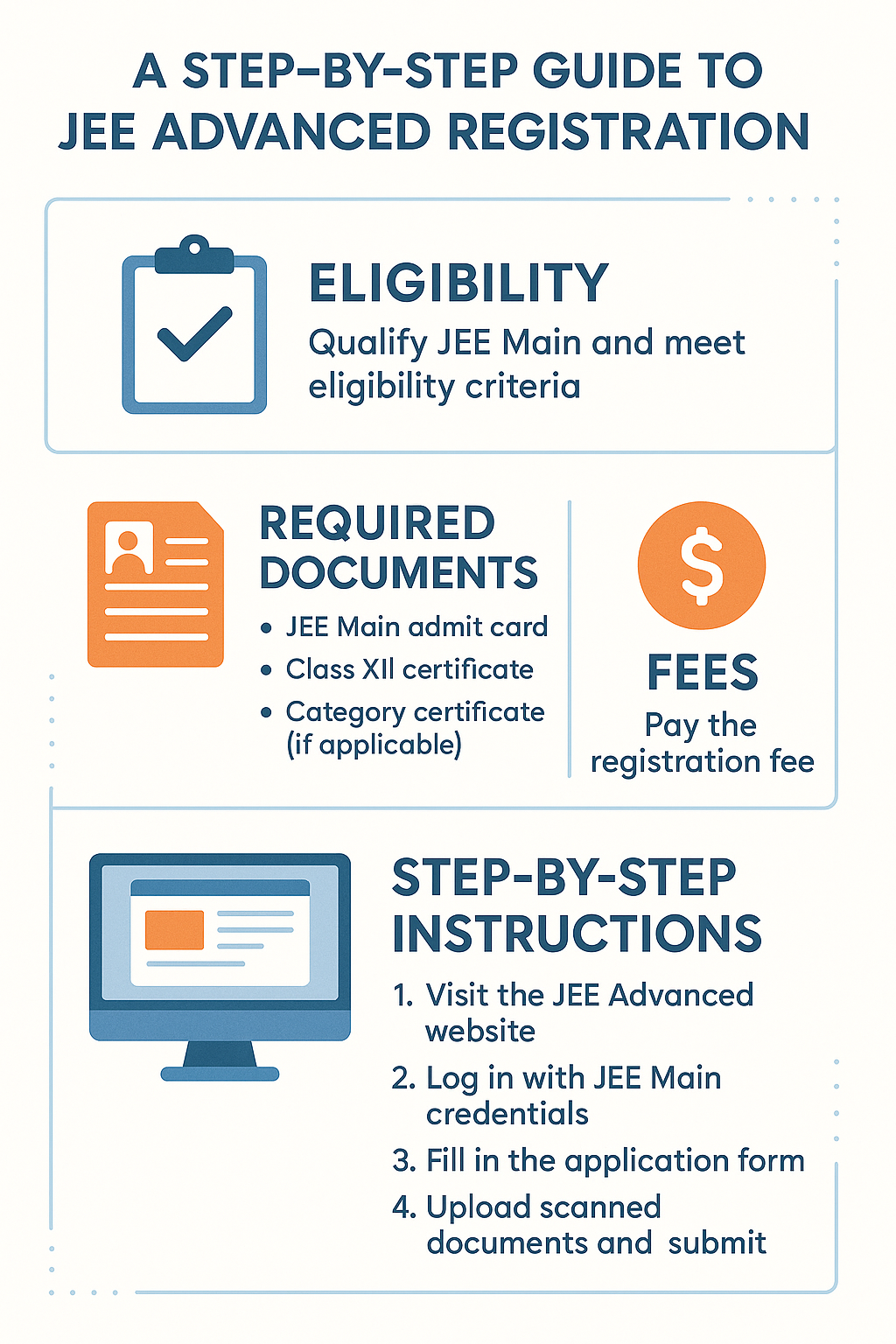
Learn the complete JEE Advanced registration process. Check eligibility, required documents, fees, and step-by-step...
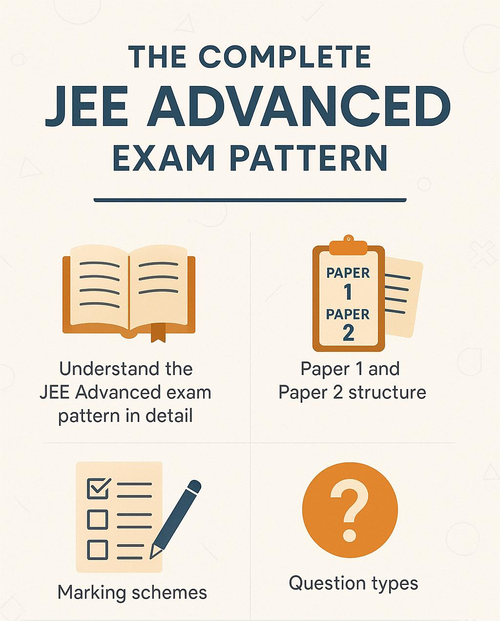
Understand the JEE Advanced exam pattern in detail. Learn about Paper 1 and Paper 2 structure, marking schemes,...

Find out the minimum percentile required for JEE Advanced eligibility. Learn category-wise cutoff trends, rules, and...

Wondering how many attempts are allowed for JEE Advanced? Learn the official rules, eligibility criteria, and...
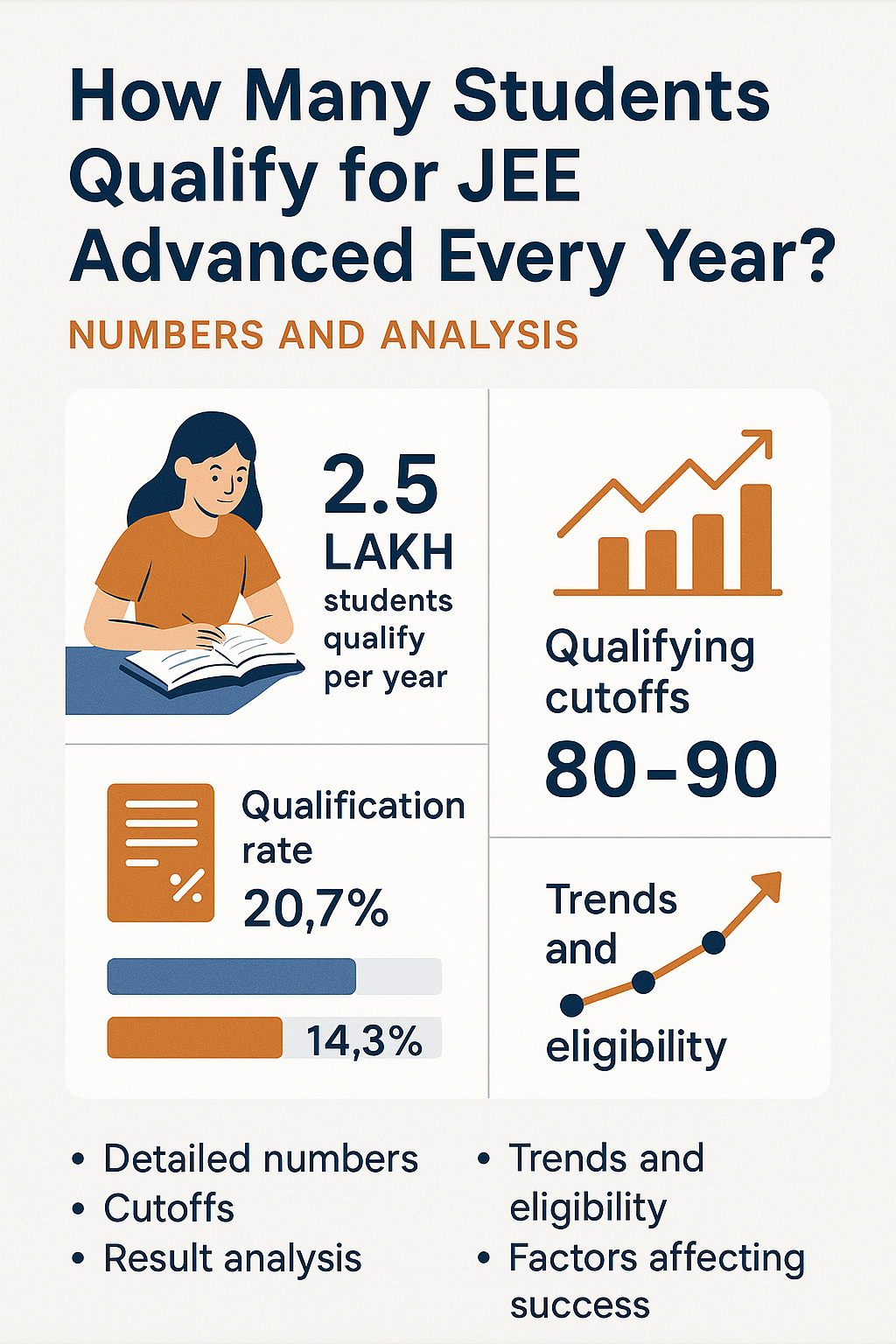
Discover how many students qualify for JEE Advanced every year with detailed numbers, cutoffs, and result analysis....

Stay updated with the latest JEE Advanced news. Get details on exam dates, registration process, results, and...
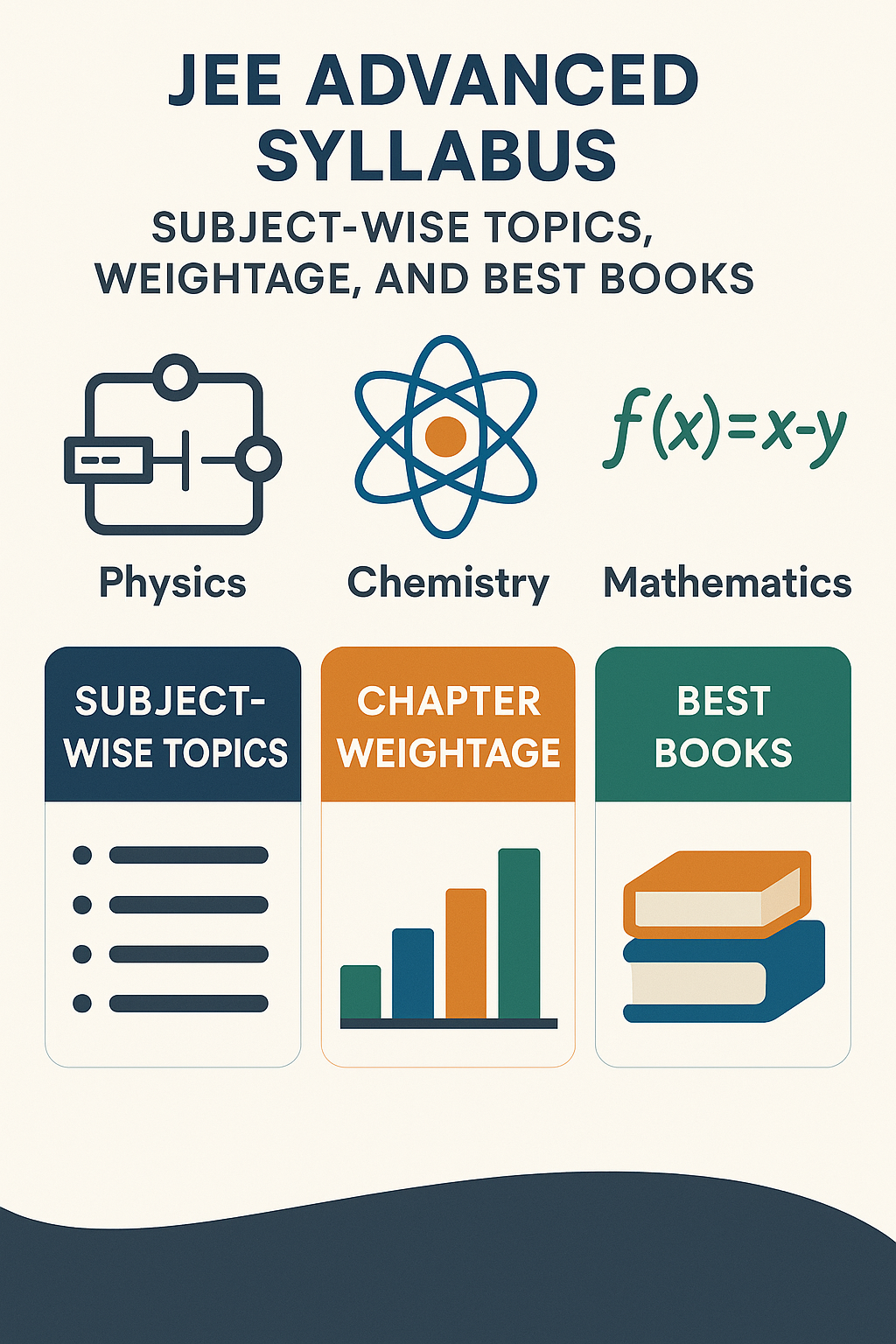
Explore the complete JEE Advanced syllabus with subject-wise topics, chapter weightage, and best books for Physics,...
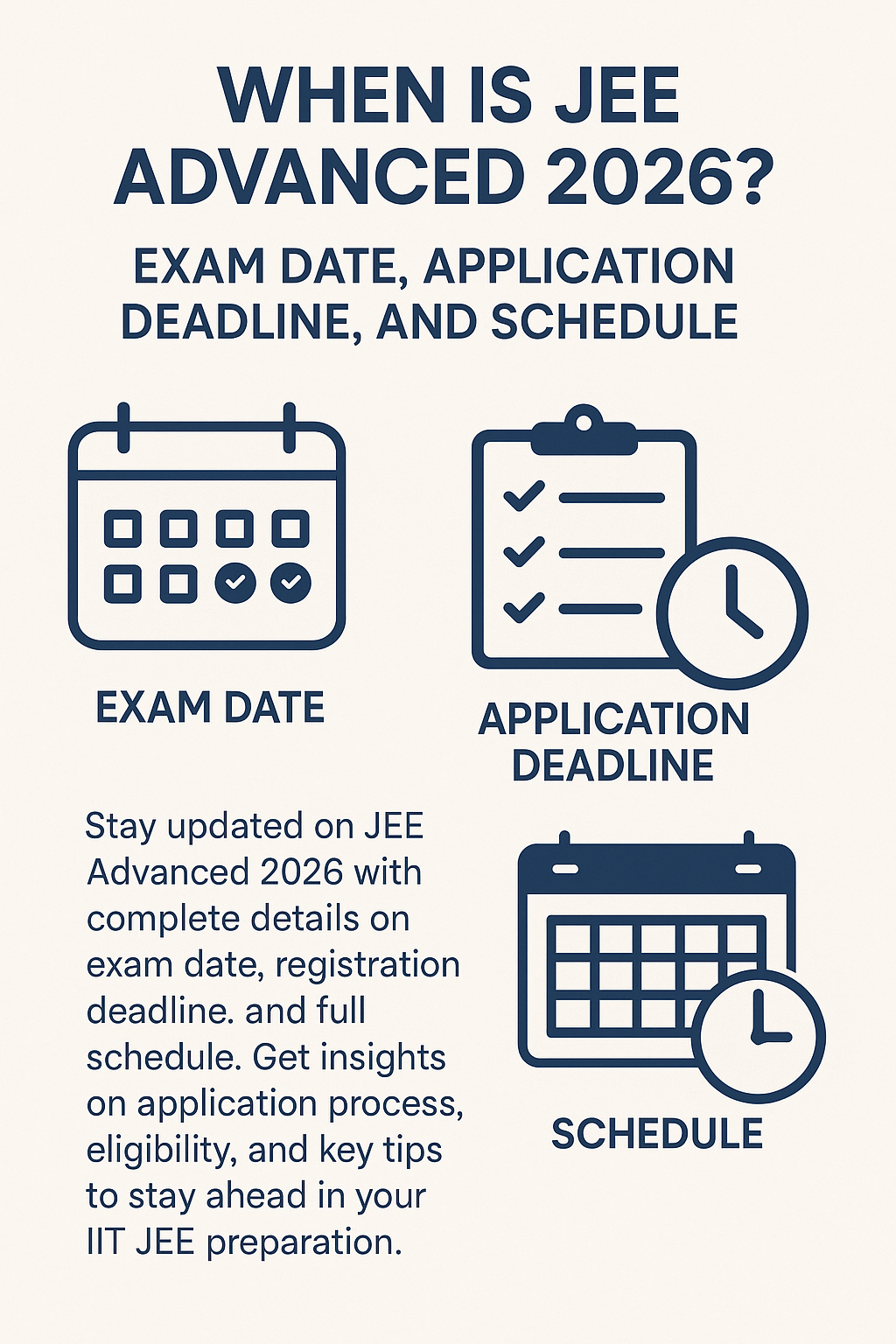
Stay updated on JEE Advanced 2026 with complete details on exam date, registration deadline, and full schedule. Get...
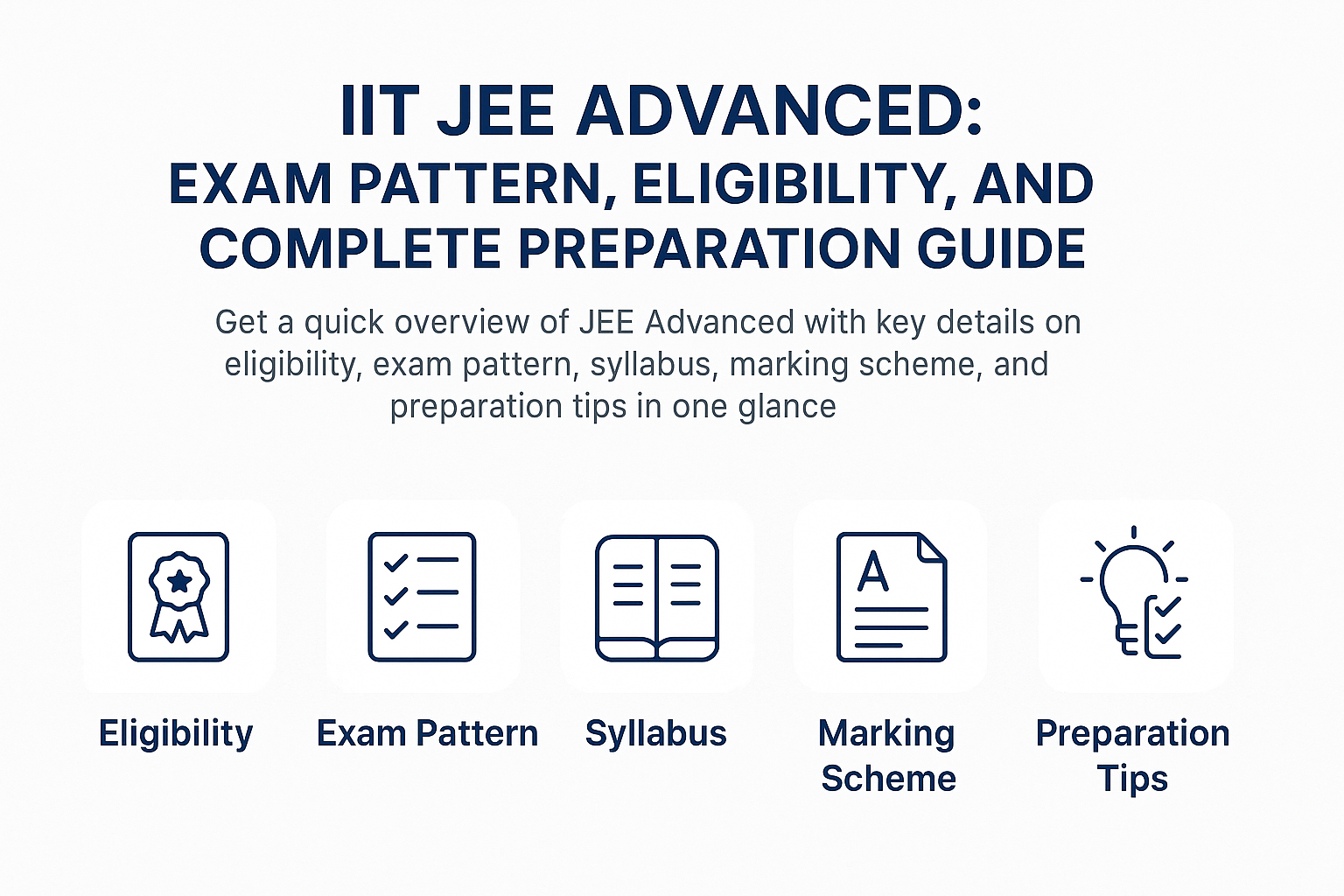
Get a quick overview of JEE Advanced with key details on eligibility, exam pattern, syllabus, marking scheme, and...
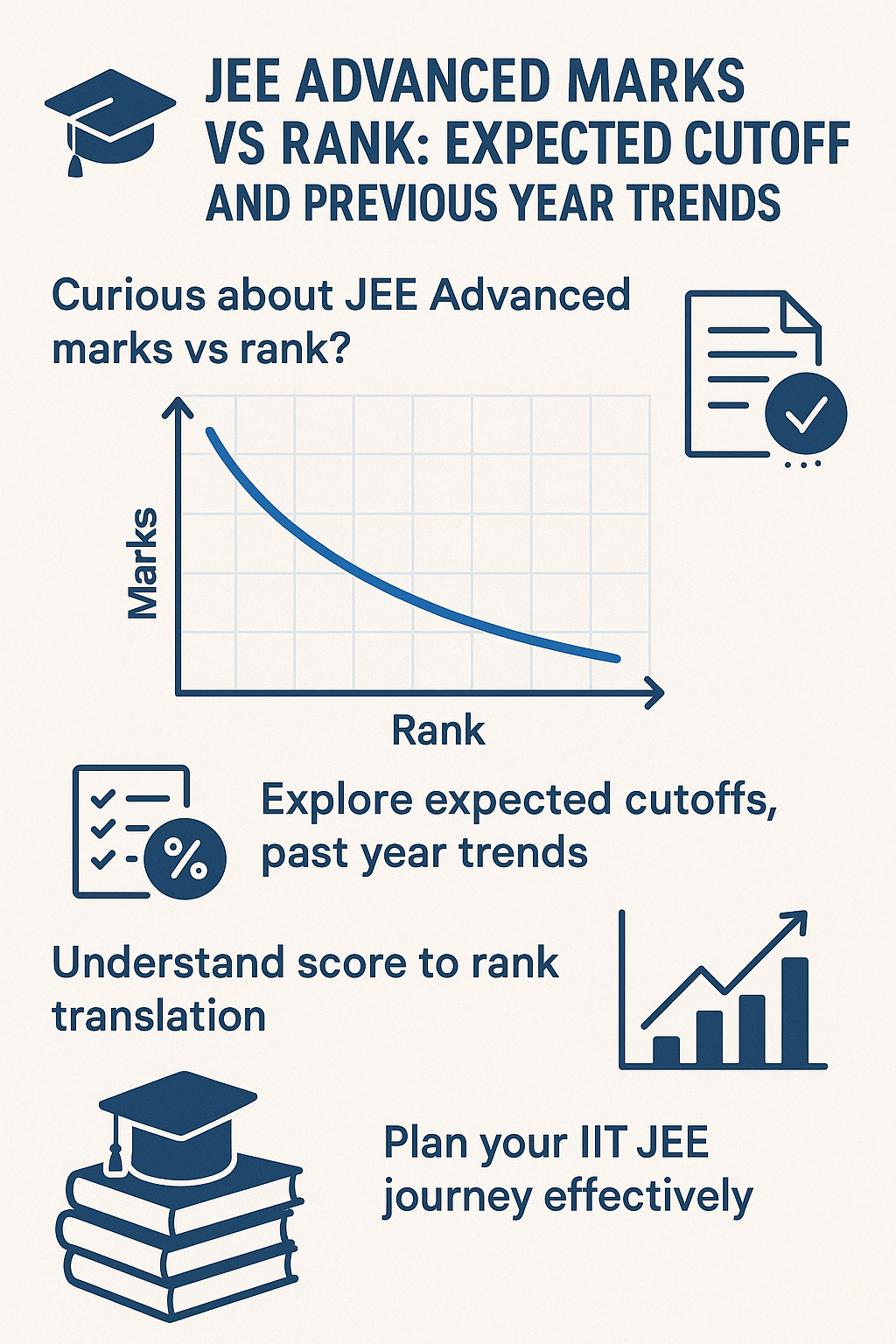
Curious about JEE Advanced marks vs rank? Explore expected cutoffs, past year trends, and how your score translates...
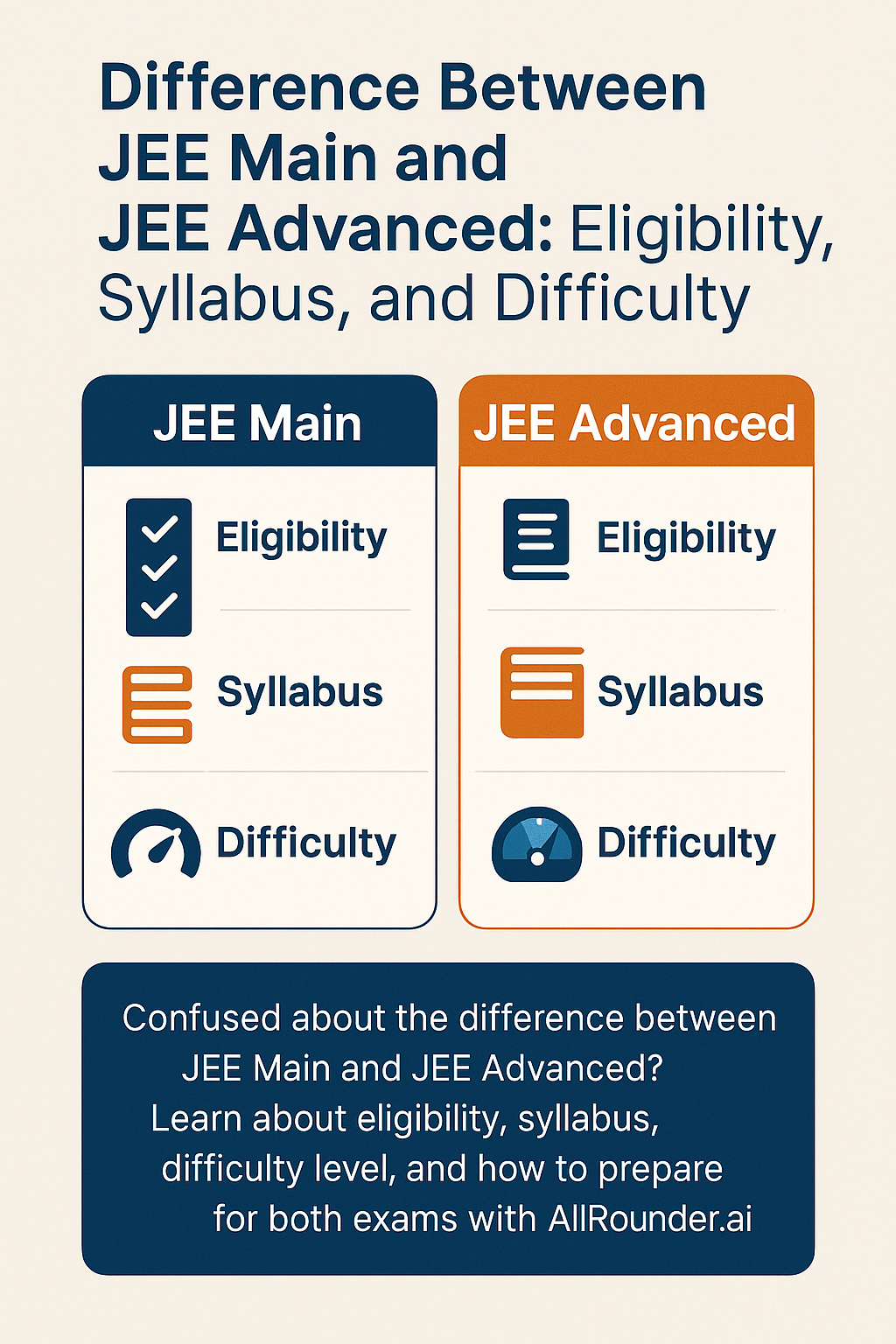
Confused about the difference between JEE Main and JEE Advanced? Learn about eligibility, syllabus, difficulty...
Resources
-
Your complete JEE Advanced resource for eligibility, exam dates, syllabus, marks vs rank, and...
-

Understand the entire JEE Main process, from application and eligibility rules to the exam...
-

Explore the IB Board – a global curriculum emphasizing holistic, student-centered learning...
-

Learn about CBSE – India’s national school board offering a standardized curriculum, NCERT...
-

Explore everything about the ICSE board – its curriculum, subjects, exam format, and academic...