
Enrol to start learning
Reading is open to everyone. Enrolling is free, and it is what unlocks the audio lessons, practice tests and progress tracking.
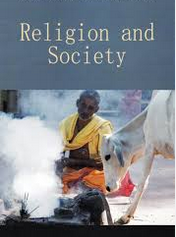
2. The Religion and Society
Religion serves as a complex institution influencing social structures, individual behavior, and moral guidance. The chapter explores the diverse roles of religion, including social integration, control, and its ability to inspire social change. Through the perspectives of sociologists like Durkheim, Weber, and Marx, the chapter examines both the stabilizing and transformative effects of religion in society. Additionally, it addresses the impact of secularization and globalization on religious practices in a diverse world.
Sections
Religion is a complex social institution defined as a system of beliefs and practices pertaining to the sacred, influencing individual and collective behaviors.
Religion plays a significant role in society by shaping social structures, maintaining social order, and providing individuals with a sense of meaning and belonging.
This section explores various sociological theories that explain the role and impact of religion on society.
This section explores the role of religion as a catalyst for social change and reform.
Secularization is the process through which religion's influence diminishes in various aspects of social life, particularly as societies modernize.
Religion plays a crucial role in shaping global relations, influencing both cross-cultural exchanges and conflicts worldwide.
Religious diversity refers to the coexistence of multiple religions within a community, requiring tolerance and understanding among individuals.
Religion is a unified system of beliefs and practices surrounding the sacred.
It plays critical roles in social integration, control, purpose, and legitimizing social structures.
Theories by Durkheim, Weber, and Marx offer varying insights into the interplay between religion, society, and social change.
Religion
A system of beliefs and practices related to the sacred, often linked to a higher power or deity.
Social Integration
The process by which religion creates a sense of community and belonging among individuals.
Secularization
The process through which religion loses its influence in social, cultural, and political life.
Religious Diversity
The coexistence of multiple religions within a society, fostering multicultural environments.