Professional Courses
Industry-relevant training in Business, Technology, and Design
Categories
Interactive Games
Fun games to boost memory, math, typing, and English skills
Typing
Memory
Math
English Adventures
Knowledge

ICSE Result: How to Check, Interpret, and Support Your Child After Results

ICSE Result: How to Check, Interpret, and Support Your Child After Results
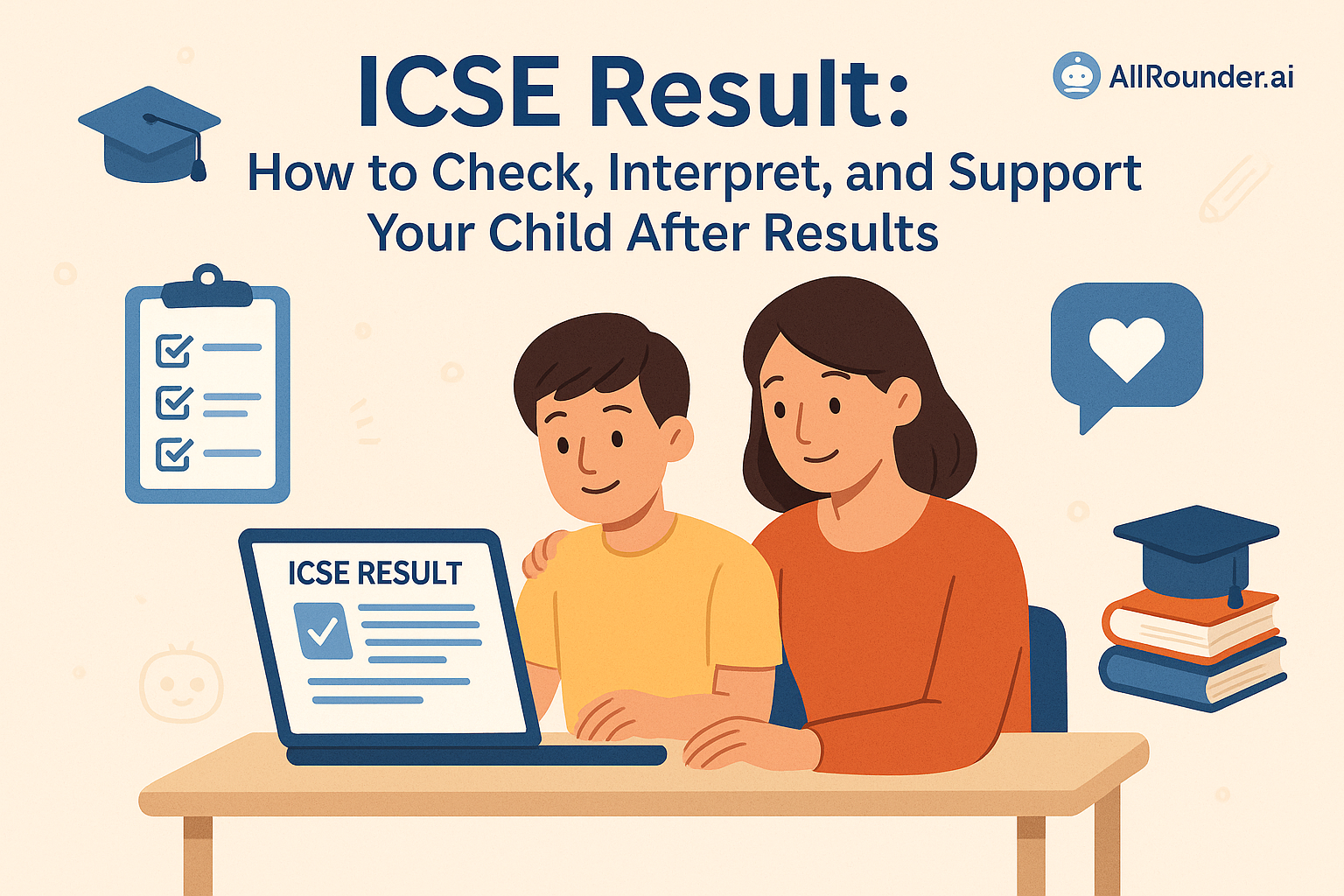
Every parent experiences a mix of pride and anxiety during exam result season. For students in the ICSE board, this period represents not just academic achievement but also personal growth and resilience. Whether your child has performed exceptionally well or is disappointed, understanding how to check and interpret the ICSE result can help you guide them with confidence and care.
In this detailed guide, we’ll explore how to access ICSE results online, what the grading system means, and most importantly, how parents can support their child emotionally and academically after the ICSE exam outcomes. Platforms like AllRounder.ai make this process easier by offering tools and resources to help students learn from their results and improve for the future.
Understanding the ICSE Result System
The Indian Certificate of Secondary Education (ICSE) follows a well-structured evaluation process under the Council for the Indian School Certificate Examinations (CISCE). The assessment is designed to measure not just memorisation but also conceptual understanding and analytical ability.
The Parent’s Guide to the ICSE Exam Structure and Evaluation System explains that the evaluation includes both internal assessments and final examinations. Students are graded on coursework, projects, and written papers to ensure a fair and balanced reflection of their performance.
How to Check the ICSE Result Online
Checking your child’s ICSE result is straightforward and can be done in a few simple steps. Here’s how:
- Visit the official CISCE website at cisce.org.
- Select the “ICSE Examination Results” link on the homepage.
- Enter your child’s Unique ID and Index Number as provided by the school.
- Input the Captcha code and click “Submit.”
- The detailed result will appear on the screen, showing subject-wise marks and overall grades.
It’s advisable to download and print a copy for record-keeping. Many schools also provide direct access through their official portals.
To better understand how results are evaluated, you can refer to the ICSE Marking Scheme and Grading System, which provides clear insights into how percentages and grades are calculated.
Interpreting the ICSE Grading System
The ICSE board uses a comprehensive grading scale that measures performance across different subjects rather than assigning simple letter grades.
Grades are typically divided as follows:
- Grade 1 & 2: Excellent performance
- Grade 3 & 4: Good performance
- Grade 5 & 6: Satisfactory performance
- Grade 7: Needs improvement
As described in the ICSE Marking Scheme and Grading System Guide, each grade reflects a band of percentage scores. This system helps reduce exam-related stress by recognising a range of abilities rather than comparing exact marks.
Beyond Numbers: What ICSE Results Really Indicate
The ICSE exam evaluates much more than academic memory. It measures analytical reasoning, creative thinking, and comprehension.
The Understanding the ICSE Board and Its Educational Approach highlights that every project, essay, and lab report contributes to a student’s development. Therefore, results should be viewed as a reflection of overall growth, not just test performance.
How to Talk to Your Child About Their Results
The way parents respond to results plays a huge role in shaping a child’s confidence and motivation. Whether your child has achieved their goals or not, focus on open communication.
Building Academic Discipline Without Pressure: A Parent’s Guide stresses that emotional support and encouragement help students recover from disappointment and stay motivated.
Ask open-ended questions such as:
- What do you feel went well this year?
- Which subjects do you find most challenging?
- How can we plan together for improvement?
Avoid harsh comparisons or criticism. Instead, celebrate effort and discuss strategies for the future.
Supporting Your Child After ICSE Results
After results are released, students often experience a mix of emotions, relief, excitement, or worry. As a parent, your role is to provide balance, guidance, and perspective. Here’s how to help:
1. Acknowledge Their Effort
Appreciate the hard work your child has put in, regardless of outcome. This reinforces the value of perseverance, a theme explored in The Power of Consistency: How Small Daily Habits Lead to Academic Success.
2. Identify Areas for Improvement
Instead of focusing on grades alone, look for patterns. Are certain subjects weaker? Is time management an issue? Tools like AllRounder.ai Practice Tests allow students to revisit topics, identify knowledge gaps, and improve through targeted revision.
3. Plan Next Steps
Help your child set short- and long-term goals. For instance, students moving from Grade 9 to Grade 10 can start preparing early for board exams using AllRounder.ai Courses for ICSE, which offer concept-based learning tailored to their curriculum.
Dealing with Low Scores Positively
Low scores do not define a child’s future potential. Many successful professionals once struggled academically but learned to build consistency and confidence over time.
How to Stay Motivated When Studying Feels Hard provides practical ways for students to rebuild motivation. Encouraging resilience and self-belief is the key.
Parents can remind their children that academic performance is a skill that improves with the right strategy and mindset, supported by smart tools like AllRounder.ai’s Interactive Learning Platform.
Helping Students Understand Their Mistakes
A results analysis session can be a turning point for growth. Sit with your child and go through each subject report. Discuss the following:
- Which topics were most difficult?
- Did revision techniques work effectively?
- Were there any time-management issues during exams?
Digital tools such as AllRounder.ai Practice Tests offer performance analytics that highlight weak areas and suggest focused practice. This transforms results into an actionable learning plan.
How the ICSE Curriculum Encourages Future Success
The ICSE board focuses on deep conceptual learning rather than memorisation, which builds a strong base for higher studies.
As explained in the ICSE Focus on Analysis Over Rote Learning, the syllabus promotes inquiry and analytical reasoning, qualities valued in university education. Students trained under this system find it easier to adapt to advanced courses later on.
For reinforcement, AllRounder.ai’s Concept-Based ICSE Courses help students strengthen fundamentals through interactive modules and practice exercises.
Encouraging a Growth Mindset After Results
Every result offers a lesson, success teaches confidence, and setbacks teach resilience. Encourage your child to focus on progress rather than perfection.
This idea is supported by How to Stay Motivated When Studying Feels Hard, which reminds students that motivation builds when they view effort as growth.
Even top-performing students can benefit from consistent improvement using AllRounder.ai Practice Tests and concept-revision tools.
Building Academic Discipline for the Next Academic Year
Post-result periods are ideal for setting new study routines and refining habits. Students can start early preparation with structured study schedules and short daily goals.
Building Academic Discipline Without Pressure: A Parent’s Guide offers valuable insights for creating study environments that reduce stress.
You can combine these principles with smart resources such as AllRounder.ai Games, which make learning fun and engaging, helping students stay consistent throughout the year.
Choosing the Right Stream After ICSE
After the ICSE exam, students moving to senior secondary levels must choose between Science, Commerce, and Humanities. The right stream should match their interests, strengths, and long-term goals.
Parents and students can explore board-specific study tracks such as AllRounder.ai Courses for CBSE, IB Curriculum Resources, and ICSE Courses by Grade to make informed decisions.
How Online Learning Platforms Support ICSE Students
The rise of AI-driven education platforms has revolutionised how students learn.
The resource How ICSE Help Platforms Simplify Learning for Students highlights how platforms like AllRounder.ai make study interactive and adaptive.
Students benefit from real-time progress tracking, conceptual games, and customised tests, a complete ecosystem for improvement after results.
Encouraging Stress-Free Learning
Exam results can bring emotional pressure. Parents should ensure their children understand that performance improves through effort, not fear.
Resources like The Power of Consistency: How Small Daily Habits Lead to Academic Success and Overcome Exam Stress and Anxiety emphasize that steady progress yields long-term success.
Parents can encourage short breaks, mindful study practices, and healthy routines to keep students balanced and confident.
Planning the Next Academic Phase
After results, the transition to the next grade is a great opportunity to reset and plan better. Whether your child is entering Grade 9, Grade 10, or Grade 11, having a structured roadmap ensures clarity.
With AllRounder.ai Practice Tests, students can measure preparedness, focus on conceptual gaps, and strengthen learning week by week.
Recognising Effort Over Outcome
Celebrate effort and improvement, not just marks. Students thrive when their hard work is acknowledged.
Parental encouragement builds resilience and self-worth, which are essential qualities for long-term academic growth. Using digital support like AllRounder.ai, parents can stay involved and help monitor progress without creating pressure.
Conclusion: Turning Results into a Stepping Stone
The ICSE result is not an endpoint; it’s a checkpoint in a child’s learning journey. Whether the marks reflect success or struggle, the key lies in reflection, encouragement, and planning for improvement.
By using resources such as the ICSE Marking Scheme and Grading Guide and AllRounder.ai’s ICSE Courses, parents can help students interpret results productively and prepare strategically for the future.
With AllRounder.ai’s ecosystem of interactive lessons, practice tests, and concept-based games, every child can learn to view results not as a judgment but as a starting point for growth, curiosity, and lifelong learning.
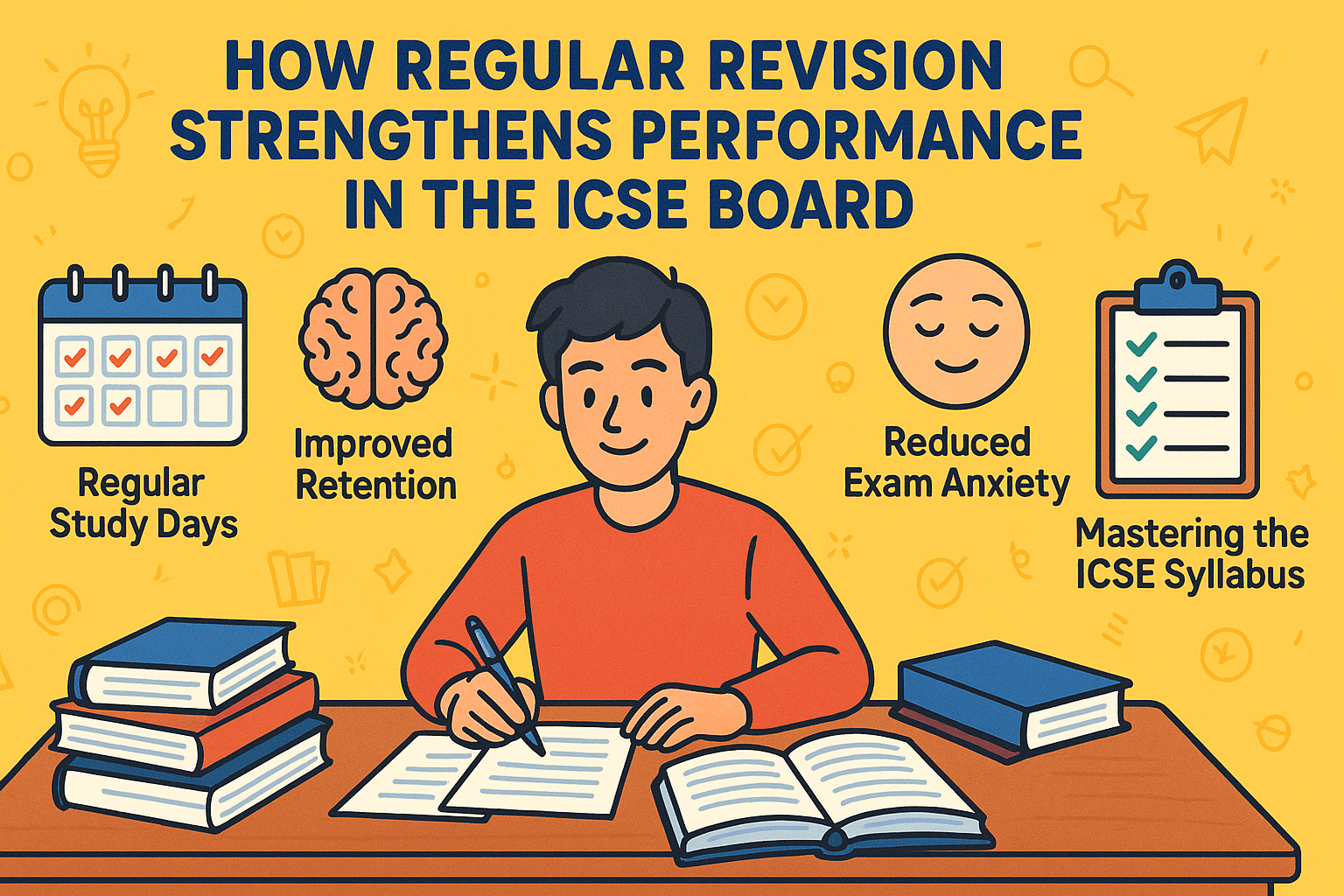
Learn how regular revision strengthens performance in the ICSE board, improves retention, reduces exam anxiety, and...

Learn how to create a reading-friendly home environment for ICSE students to improve comprehension, confidence, and...

Learn how to encourage curiosity and inquiry in ICSE learners by supporting concept clarity, safe questioning, and...
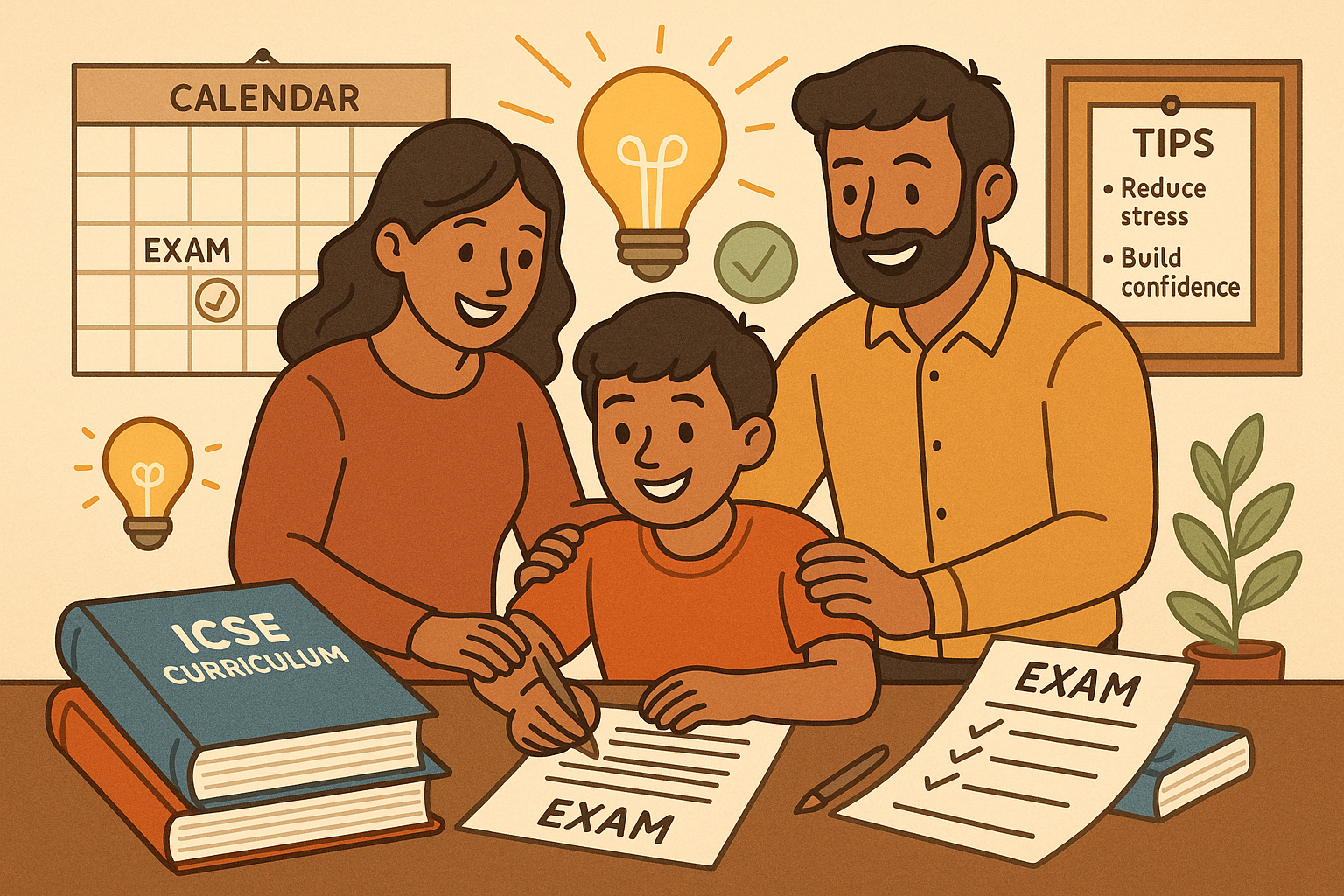
Explore the role of parents in supporting ICSE academic growth, from understanding the ICSE curriculum to building...
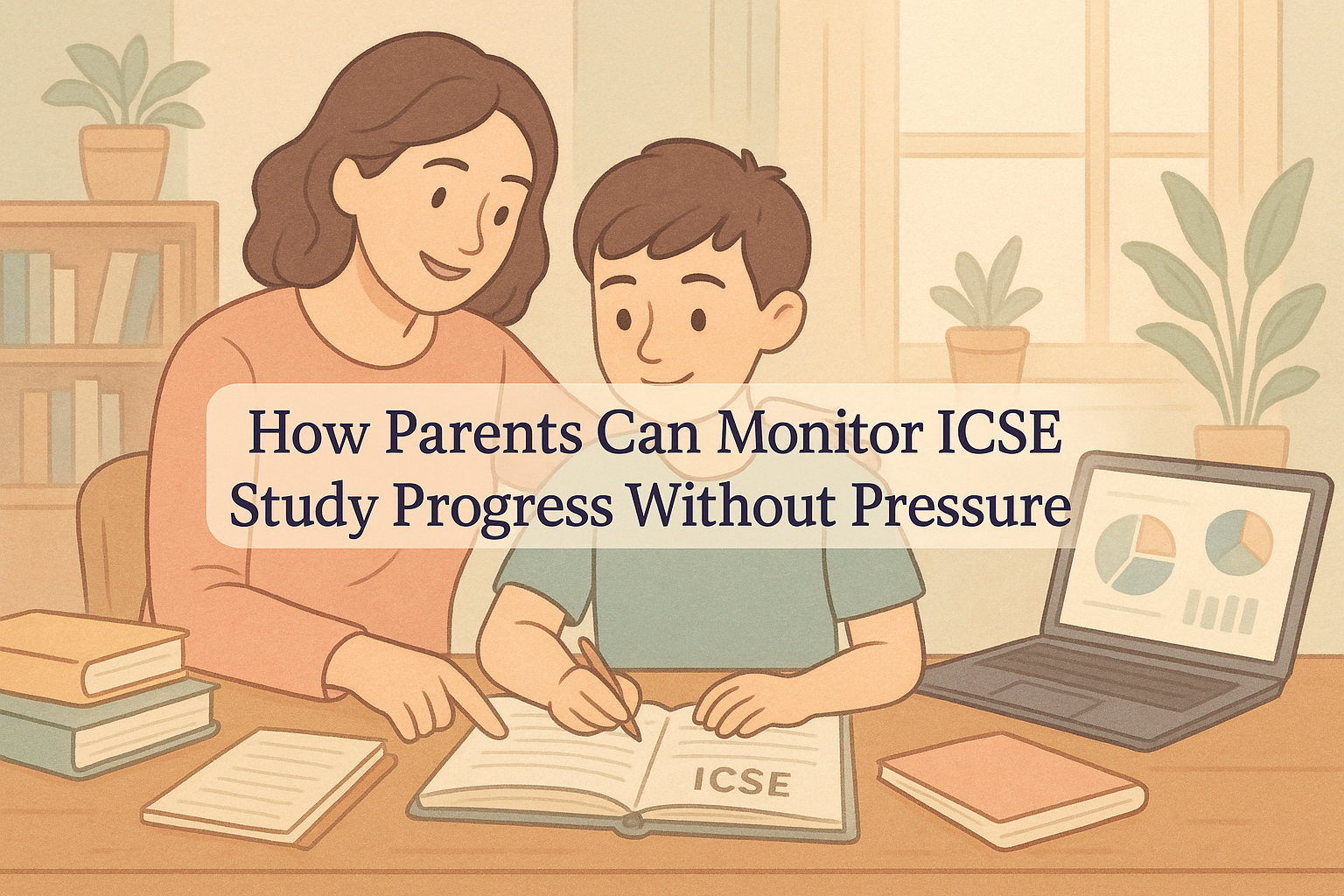
Learn how parents can monitor ICSE study progress without pressure, support concept clarity, reduce stress, and help...
Learn the essential time management skills every ICSE student should build early to handle the syllabus, reduce...
Learn how consistent study habits help ICSE students master the syllabus, reduce stress, and achieve long-term...
Learn how parents can help children manage the ICSE syllabus without burnout using balanced routines, smart...
Learn how the ICSE curriculum strengthens vocabulary and comprehension skills while helping students think deeply...
Explore why literature and language skills are central to ICSE learning and how strong English foundations shape...
Discover how the ICSE curriculum builds strong reading habits early through textbooks, literature, and structured...
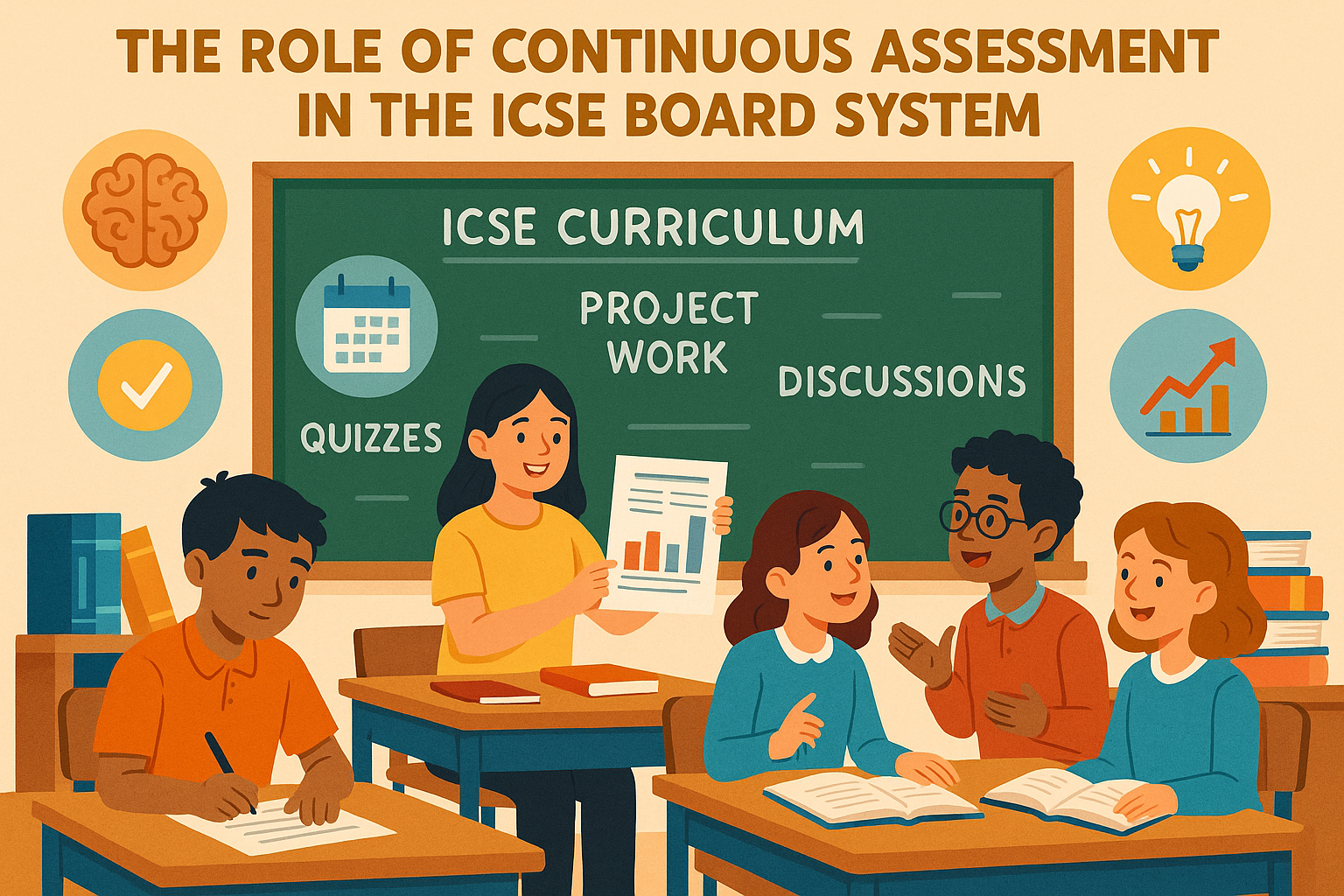
Understand how continuous assessment strengthens the ICSE curriculum by supporting deep learning, consistency, and...
Explore what makes the ICSE curriculum academically rigorous and why its depth, structure, and assessment style...
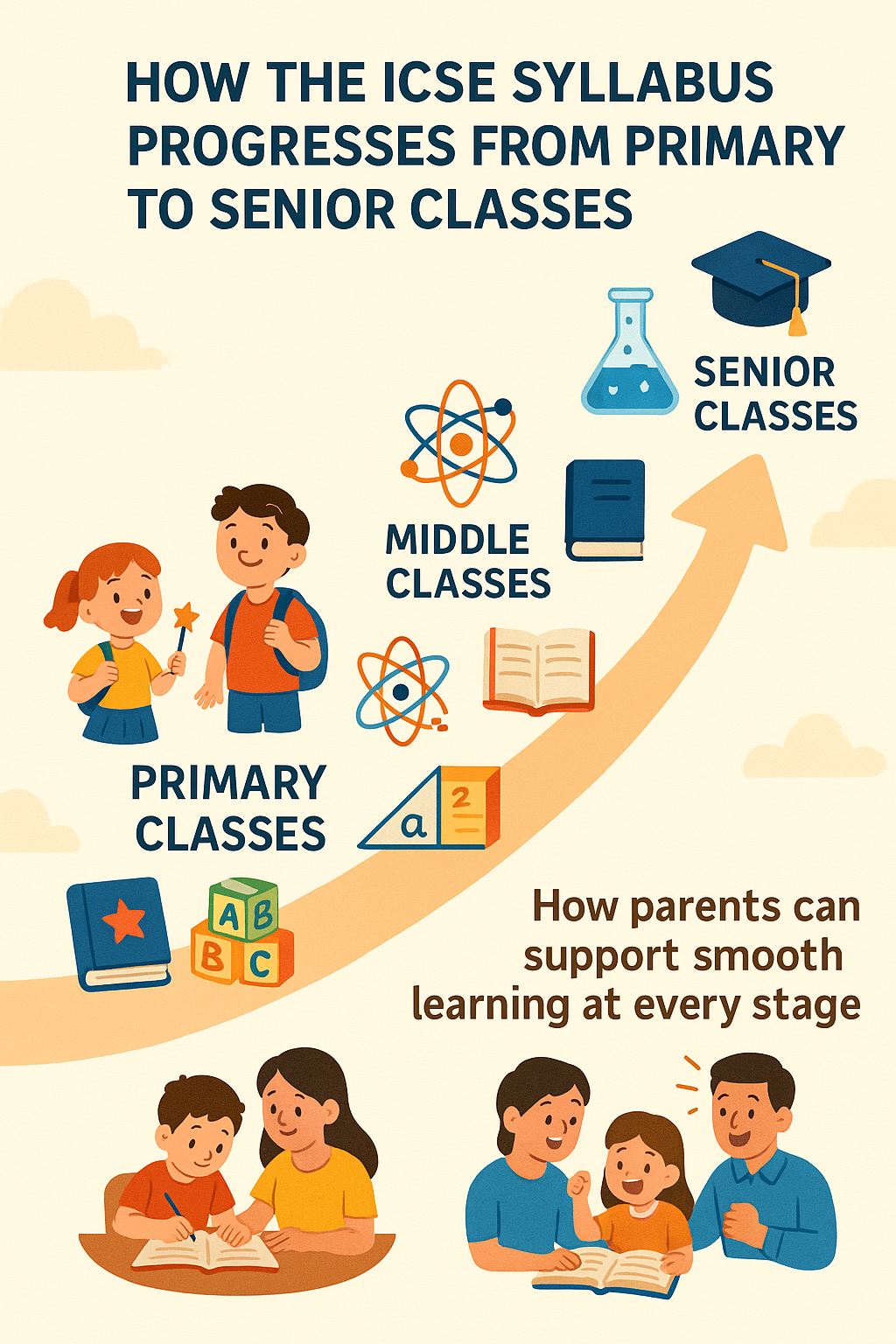
Understand how the ICSE syllabus progresses from primary to senior classes and how parents can support smooth...

Learn ICSE-specific methods parents can use to help children overcome exam anxiety, build confidence, and approach...
Learn how parents can support a smooth transition into ICSE Class 11 by building habits, confidence, and clarity...
Learn how early preparation for ICSE exams reduces stress, builds confidence, and improves scores through steady...

Learn how to use ICSE textbooks and supplementary guides effectively without overwhelming students, while building...

Discover what ICSE topper strategies reveal about effective parental support and how parents can guide learning...

Understand why ICSE students are excelling in competitive exams and how the ICSE curriculum builds strong concepts,...
Discover how ICSE help platforms support students struggling with multiple subjects through structured learning,...
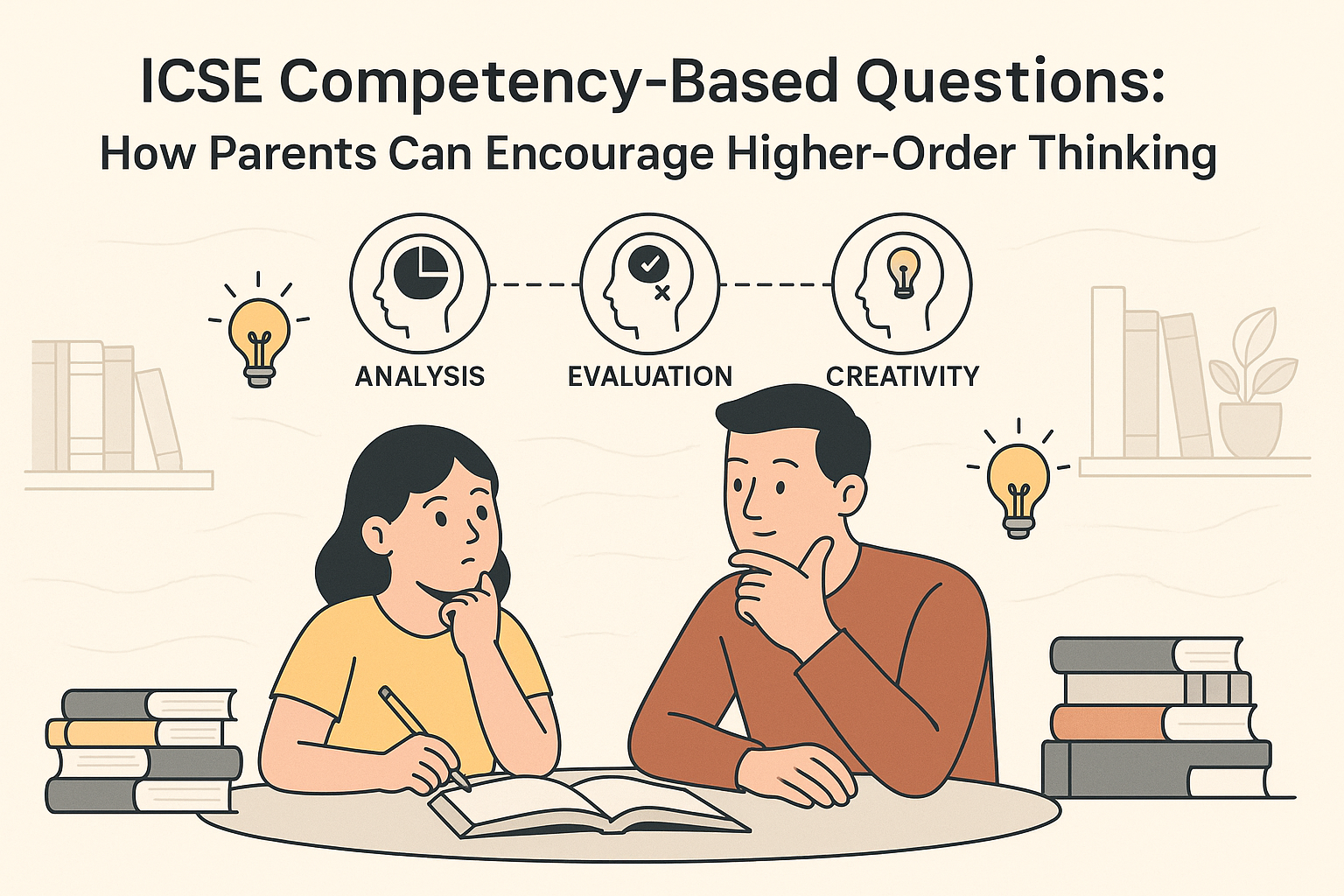
Learn how ICSE competency-based questions build higher-order thinking and how parents can support children through...
Explore how digital learning is reshaping ICSE schools by improving concept clarity, engagement, and academic...

Learn how to build strong self-study habits at home using ICSE help resources that improve understanding, confidence...
Understand how practical learning in ICSE schools builds clarity, confidence and real world skills that prepare...

Learn how project-based learning is transforming ICSE classrooms and helping students build real-world skills...
Explore why ICSE schools are gaining popularity in tier-2 cities and how curriculum depth, career readiness and...
Explore how recent ICSE syllabus realignments are equipping students with future-ready skills, career adaptability...
Understand how competency-based ICSE exams build strong foundations that prepare students for NEET, JEE and CUET...
Learn how to build a year-round ICSE exam study schedule that reduces stress, builds consistency and helps your...
Understand how ICSE textbooks support application-based learning and help students build strong concepts, analytical...

Explore why parents of high-performing students and toppers choose the ICSE board for senior classes and how its...
A clear guide for parents on the upcoming ICSE syllabus changes in 2026 and how these updates impact learning, exam...

Explore the best ICSE schools in Mumbai that balance academics and co-curricular growth while supporting holistic...

Discover the best ICSE schools in Mysore that blend strong academics with the city’s cultural traditions, while...
Discover the best ICSE schools in Lucknow that follow child-centric learning, strong academics and holistic...

Parents prefer ICSE schools in Ahmedabad for concept-based learning, strong academics and holistic development....

Explore the best ICSE schools in Madurai that offer balanced education, strong academics, and holistic development...

Explore the best ICSE schools in Pune that offer balanced education, strong academics and holistic development for...

Explore the top ICSE schools in Dehradun known for academic rigor, balanced learning and strong foundations that...
Explore the best ICSE schools in Chennai that offer strong academic foundations, holistic growth and a syllabus that...

Explore the top-rated ICSE schools in Hyderabad known for strong academics, balanced learning and a modern approach...

Explore the best ICSE schools in Coimbatore that blend tradition with innovation through strong academics, modern...

Discover the top ICSE schools in Bangalore that focus on academics, skills, creativity and holistic growth to help...
Discover the best ICSE schools in Chandigarh offering strong academics, modern facilities and a proven track record...

Explore the best ICSE schools in Kolkata known for academic strength, modern facilities and a strong focus on...
Explore the best ICSE schools in Nagpur offering strong academics, modern facilities and a balanced approach...
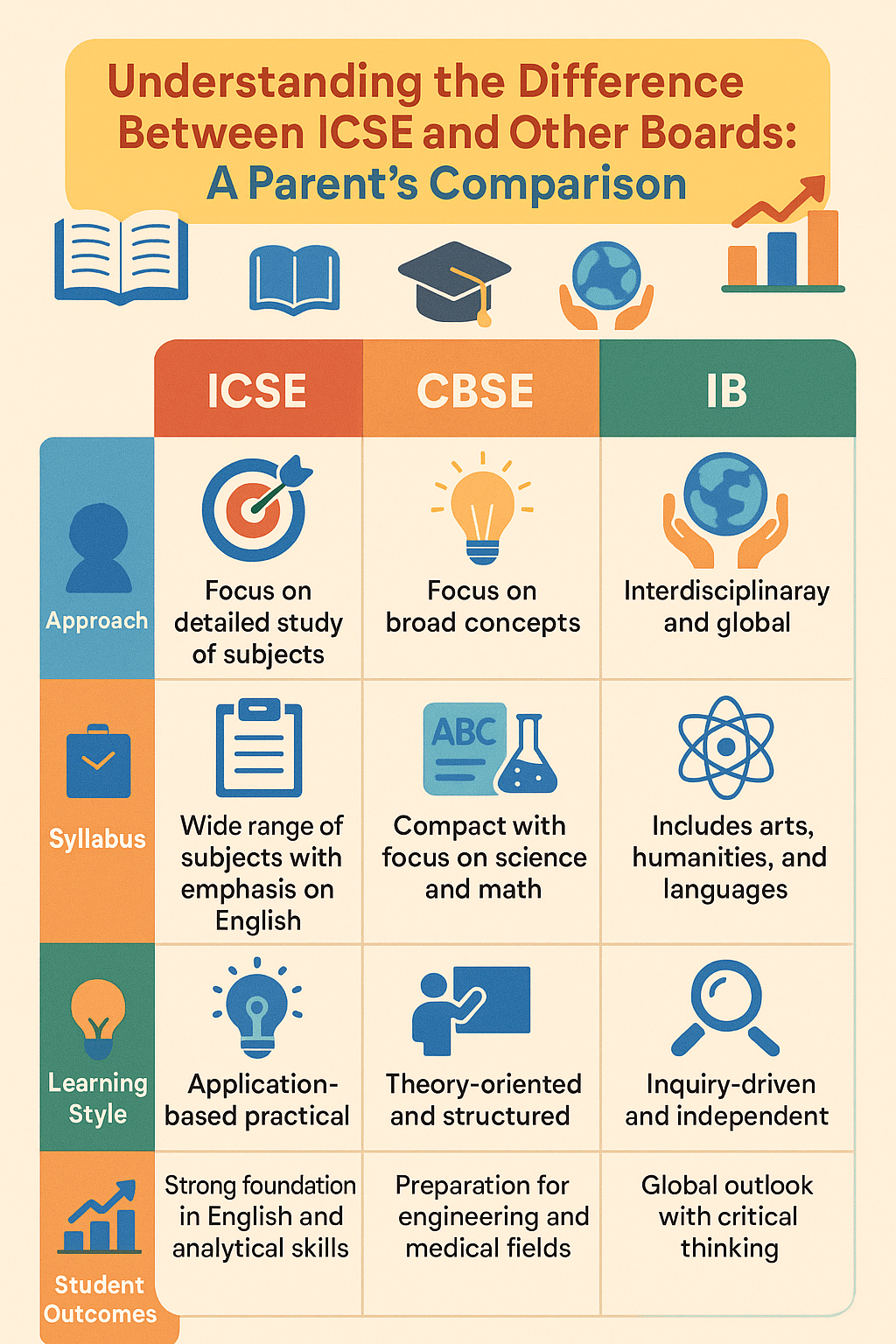
A clear comparison of ICSE, CBSE and IB boards to help parents understand differences in approach, syllabus,...
Explore how ICSE’s competency-based approach strengthens understanding, real-world thinking and lifelong learning...
Learn how to build an effective ICSE study plan with smart strategies, clear routines and structured resources for...
Learn how ICSE toppers study, stay consistent and master concepts. A complete guide for parents and students...
A complete step-by-step guide to using ICSE help materials effectively so students learn faster, stay organised and...
A complete guide for students and parents to prepare effectively for the ICSE exam with proven study strategies,...
A detailed guide for parents and students to identify genuine ICSE topper notes, reliable resources and accurate...
A parent-friendly guide to ICSE competency-based questions, why they matter and how they strengthen real-world...
A complete guide to choosing the right ICSE textbooks for your child, with tips on syllabus alignment, clarity,...

A parent-friendly guide to supporting children in ICSE Physics using practical methods, real-life learning and...
A complete parent-friendly guide to ICSE Biology, covering basics, syllabus insights and steps to help students...
.jpg?width=500)
Build strong ICSE Chemistry fundamentals with simplified concepts, smart study strategies, and structured ICSE help...

Improve ICSE History learning with engaging strategies, simplified explanations, and smart study tools. Help...
Discover how to improve writing and comprehension skills in ICSE English. Learn effective strategies, ICSE syllabus...
Discover practical ways parents can help children master ICSE Maths. Learn about the ICSE syllabus, study...
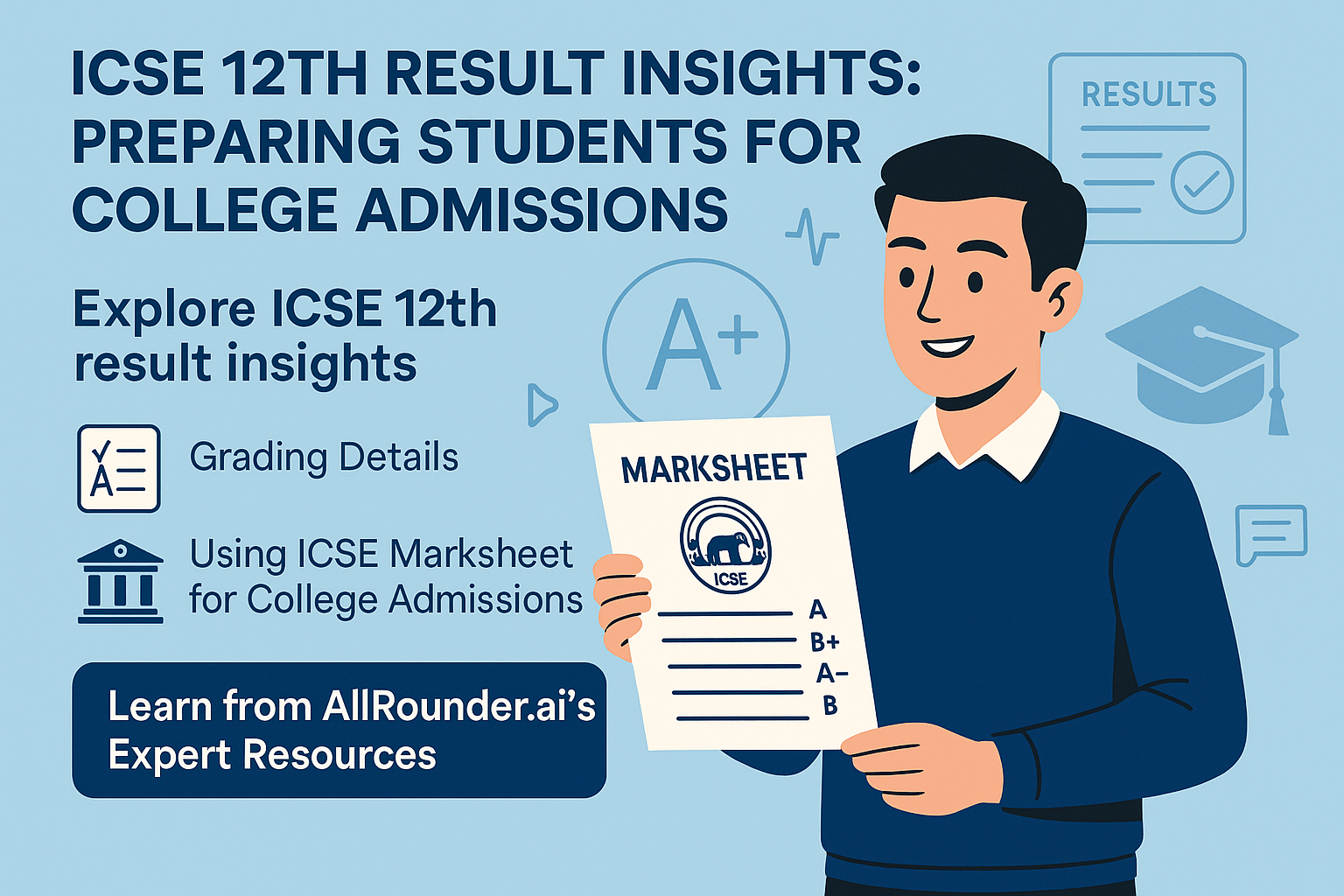
Explore ICSE 12th result insights, grading details, and how to use your ICSE marksheet for college admissions. Learn...
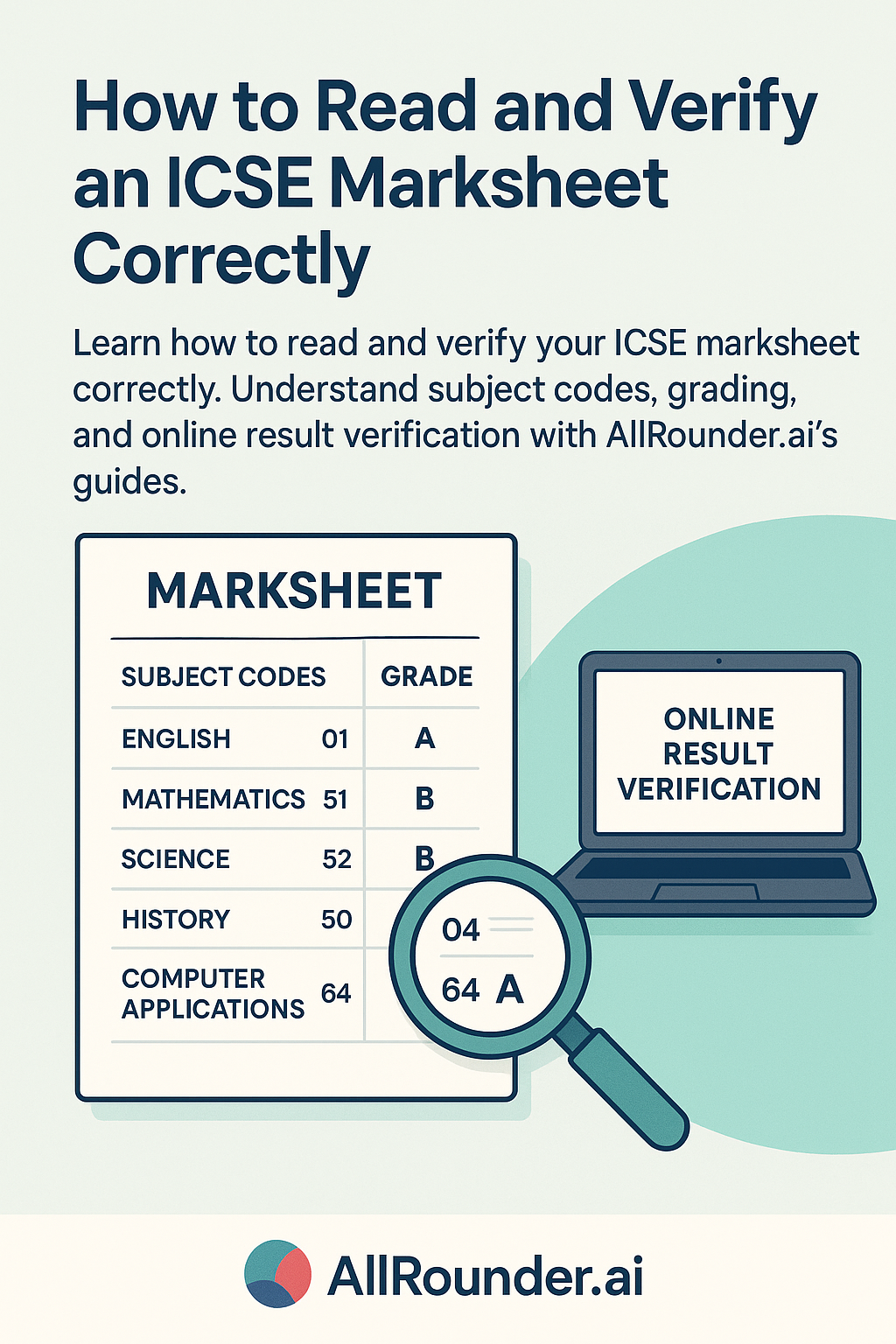
Learn how to read and verify your ICSE marksheet correctly. Understand subject codes, grading, and online result...
.jpg?width=500)
Explore key ICSE 10th result trends, marking patterns, and expert tips to excel in the ICSE exam with...
.jpg?width=500)
Master concept-heavy ICSE subjects with simple study strategies, smart tools, and AllRounder.ai’s personalized...
Learn how to check ICSE results, understand grading, and support your child emotionally and academically with help...
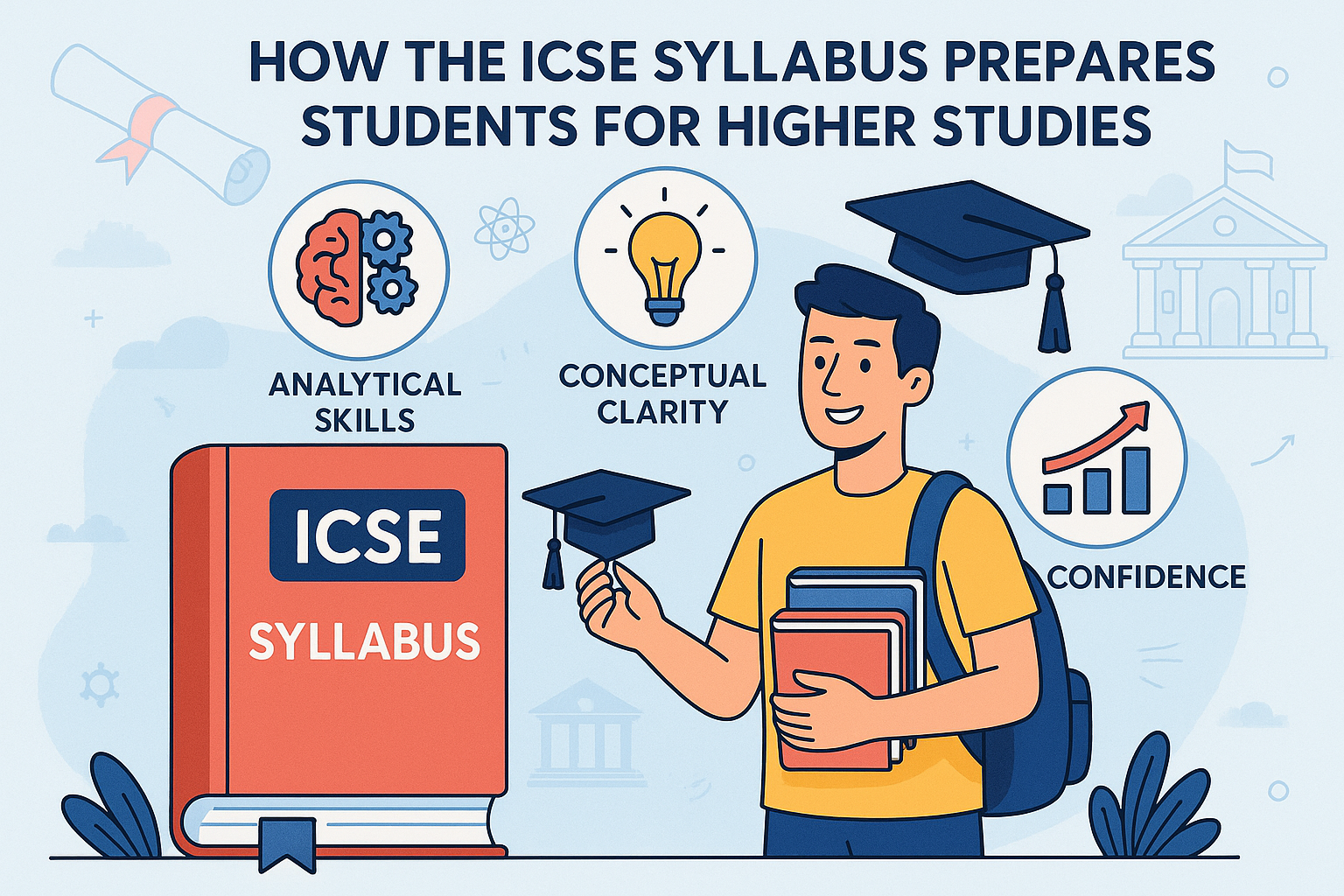
Discover how the ICSE syllabus builds analytical skills, conceptual clarity, and confidence to prepare students for...
Discover why the ICSE board is ideal for your child’s future with its balanced syllabus, analytical learning...
Understand how the ICSE exam system works with this detailed parent’s guide. Learn about subjects, evaluation...
Learn how the ICSE board promotes analytical thinking, conceptual understanding, and balanced development. Discover...
Explore how ICSE help platforms like AllRounder.ai make learning simpler for students by breaking down the ICSE...

A complete guide to the ICSE Class 10 Computer Applications project work. Learn how to choose a topic, plan design,...

Discover the best reference books for Class 10 ICSE Maths. Learn how to use them effectively with AllRounder.ai’s...

Planning for ICSE school fees? Our guide breaks down the costs in major Indian cities, helps you find affordable...

Compare ICSE vs. CBSE to choose the best board for your child. Learn about syllabus differences, teaching styles,...

Learn how to choose the best ICSE subjects for Class 9 and 10. Explore Group I, II, and III subjects, internal...
Learn how the ICSE grading system works in 2025–26. Know internal assessments, percentage calculation, and tips to...

Discover how ICSE builds critical thinking, analytical skills, and real-world problem-solving through its unique...
Understand the ICSE board – its history, structure, curriculum, and unique advantages over other boards.
Resources
-
Your complete JEE Advanced resource for eligibility, exam dates, syllabus, marks vs rank, and...
-
Understand the entire JEE Main process, from application and eligibility rules to the exam...
-

Explore the IB Board – a global curriculum emphasizing holistic, student-centered learning...
-

Learn about CBSE – India’s national school board offering a standardized curriculum, NCERT...
-

Explore everything about the ICSE board – its curriculum, subjects, exam format, and academic...