Professional Courses
Industry-relevant training in Business, Technology, and Design
Categories
Interactive Games
Fun games to boost memory, math, typing, and English skills
Typing
Memory
Math
English Adventures
Knowledge

How Project-Based Learning Is Being Adopted Across ICSE Schools

How Project-Based Learning Is Being Adopted Across ICSE Schools
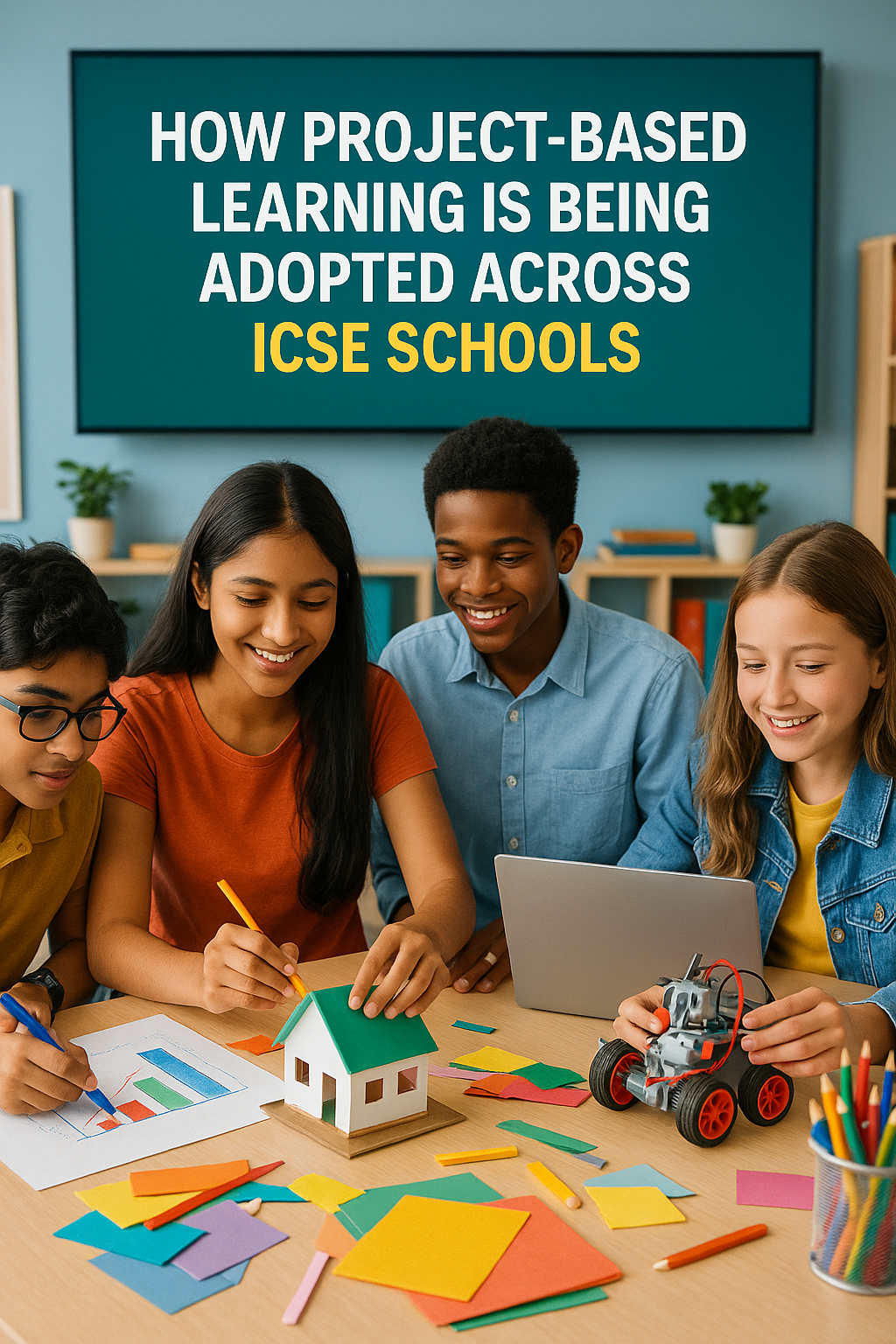
Classrooms across ICSE schools are beginning to look different from what many parents remember. Instead of only textbook reading and written answers, students are increasingly working on projects, presentations, experiments and collaborative tasks. This shift reflects a broader move toward project-based learning, an approach that helps students understand concepts through real-world application.
Project-based learning fits naturally within the ICSE syllabus, which already values depth, analysis and conceptual clarity. As schools adapt teaching methods to meet modern learning needs, project-based approaches are becoming an important part of the ICSE curriculum. Parents often notice that children are not just studying for exams but learning how to think, research and communicate.
What Project-Based Learning Means in the ICSE Context
Project-based learning involves students exploring a topic through extended tasks rather than isolated lessons. Students investigate questions, research information, apply concepts and present findings. The learning happens through doing, reflecting and improving.
Within ICSE schools, this approach aligns well with the board’s emphasis on understanding over memorisation. Parents who explore the ICSE board’s educational approach often see how naturally project-based learning fits into the ICSE philosophy.
Instead of replacing traditional teaching, projects complement it by reinforcing concepts in meaningful ways.
Why ICSE Schools Are Embracing Project-Based Learning
The ICSE Board has long encouraged analytical thinking and detailed understanding. Project-based learning supports these goals by requiring students to connect ideas across subjects.
Projects allow students to explore topics deeply rather than rush through chapters. This approach supports the board’s shift toward analysis, which parents can better understand through ICSE’s focus on analysis over rote learning.
As career expectations evolve, schools recognise that students need skills beyond exam preparation. Project-based learning helps build those skills early.
How Project Work Supports the ICSE Syllabus
The ICSE syllabus is known for being detailed and concept-heavy. Projects give students space to explore this depth without pressure.
For example, science projects encourage experimentation and observation, while history projects promote research and interpretation. Language projects strengthen communication and creativity.
Parents often worry about syllabus load, but structured guidance such as tackling concept-heavy ICSE subjects shows how projects can actually reduce stress by improving understanding.
Assessment Changes That Encourage Project-Based Learning
ICSE assessments increasingly reward explanation, clarity and application. Project work helps students practise these skills in a low-pressure setting.
Understanding how assessment works helps parents see the value of projects. Exploring the ICSE marking scheme and grading system explains why analytical responses and structured thinking matter.
Projects train students to express ideas clearly, which directly benefits exam performance.
Project-Based Learning Across Different Grades
Project-based learning is adapted to suit different age groups. Younger students work on guided projects, while older students take on more independent tasks.
Students in Grade 8 and Grade 9 often begin with small research or creative projects. These build confidence and curiosity. By Grade 10, projects become more structured and subject-focused.
Senior students in Grade 11 and Grade 12 handle complex projects that mirror higher-education expectations.
Building Research and Thinking Skills Through Projects
One of the strongest benefits of project-based learning is the development of research skills. Students learn how to gather information, evaluate sources and organise ideas logically.
These skills are essential for higher studies. Parents exploring how the ICSE syllabus prepares students for higher studies often recognise how projects strengthen academic readiness.
Students who research independently become confident learners who can handle unfamiliar topics.
Encouraging Collaboration and Communication
Many projects involve group work. Students learn how to share ideas, listen to others and resolve differences. These social skills are difficult to teach through textbooks alone.
Communication improves when students present their work orally or visually. They learn to explain concepts clearly and answer questions confidently.
These abilities support not only academic success but also future workplace readiness.
How Projects Make Learning More Engaging
Project-based learning makes lessons more engaging by connecting concepts to real life. Students often feel more motivated when they see purpose in what they study.
Interactive learning tools further enhance this engagement. Platforms offering educational games help students revise concepts playfully while reinforcing project learning.
Engagement reduces fear and increases curiosity, which strengthens learning outcomes.
The Role of Teachers in Project-Based ICSE Classrooms
Teachers act as facilitators rather than lecturers in project-based settings. They guide students, ask questions and support exploration.
This approach encourages independence while ensuring academic rigour. Teachers help students connect project work to syllabus objectives.
Parents often notice improved confidence when children are encouraged to think rather than simply follow instructions.
Supporting Project-Based Learning at Home
Parents play an important role in project-based learning. Support does not mean completing projects for children. It means encouraging planning, discussion and reflection.
Families can help children break projects into steps, manage time and review understanding. Guidance from using ICSE help materials can support learning without over-interference.
A calm, encouraging environment helps children enjoy project work.
How Digital Tools Strengthen Project Learning
Digital resources allow students to explore topics more deeply. Videos, simulations and interactive lessons help clarify complex ideas.
Platforms like AllRounder.ai provide structured academic support across boards, including ICSE, CBSE and IB.
Digital tools support project-based learning by offering explanations, examples and revision aligned with the ICSE curriculum.
Balancing Projects With Exam Preparation
Parents sometimes worry that project work may distract from exam preparation. In reality, projects strengthen exam readiness by improving understanding.
Students who understand concepts deeply perform better in written exams. Regular reinforcement through practice tests helps students translate project learning into exam success.
When balanced well, projects and exam practice complement each other.
Why Project-Based Learning Builds Lifelong Skills
Project-based learning builds skills that extend beyond school. Students learn planning, problem solving, communication and self-reflection.
These skills support adaptability in higher education and professional environments. They also build confidence in handling complex tasks.
This long-term benefit explains why many parents now see project-based learning as an advantage rather than an extra burden.
How ICSE Schools Maintain Academic Rigor
Despite increased use of projects, ICSE schools maintain high academic standards. Projects are designed to align closely with syllabus objectives.
Clear rubrics, teacher guidance and structured timelines ensure quality learning. This balance preserves academic discipline while encouraging creativity.
Parents considering board options often see this balance as a reason for choosing the ICSE board for a child’s future.
Project-Based Learning and Career Readiness
Modern careers require problem solving, collaboration and adaptability. Project-based learning develops these skills early.
Students learn to manage tasks, meet deadlines and present ideas clearly. These habits prepare them for professional environments.
ICSE schools adopting this approach are aligning education with real-world expectations.
Reducing Learning Stress Through Application
When students understand concepts through application, learning feels less stressful. Projects allow exploration without fear of immediate judgment.
Students make mistakes, learn from them and improve. This builds resilience and reduces exam anxiety.
A supportive learning environment helps students enjoy learning rather than fear it.
Why Parents Are Responding Positively to This Shift
Many parents notice improved engagement and confidence in children involved in project-based learning. Students talk about what they learn instead of memorising silently.
Parents appreciate seeing learning outcomes beyond marks. The ability to explain ideas clearly reassures families about academic growth.
This positive response encourages more ICSE schools to expand project-based approaches.
What the Future Holds for Project-Based Learning in ICSE
Project-based learning is likely to grow further across ICSE schools. As assessments continue to value understanding, projects will play a larger role.
Schools are investing in teacher training, digital tools and curriculum alignment to support this shift.
This evolution ensures that ICSE education remains relevant, rigorous and future-focused.
Conclusion: A Meaningful Shift in ICSE Education
Project-based learning is being adopted across ICSE schools because it aligns naturally with the board’s emphasis on understanding, analysis and real-world application. Students learn more deeply, engage more actively and build skills that matter beyond exams.
With structured support from platforms like AllRounder.ai, project-based learning becomes manageable and effective across grades. When combined with strong teaching and thoughtful assessment, it strengthens both academic performance and lifelong learning.
This shift reflects a broader understanding that education works best when students learn by doing, thinking and reflecting.
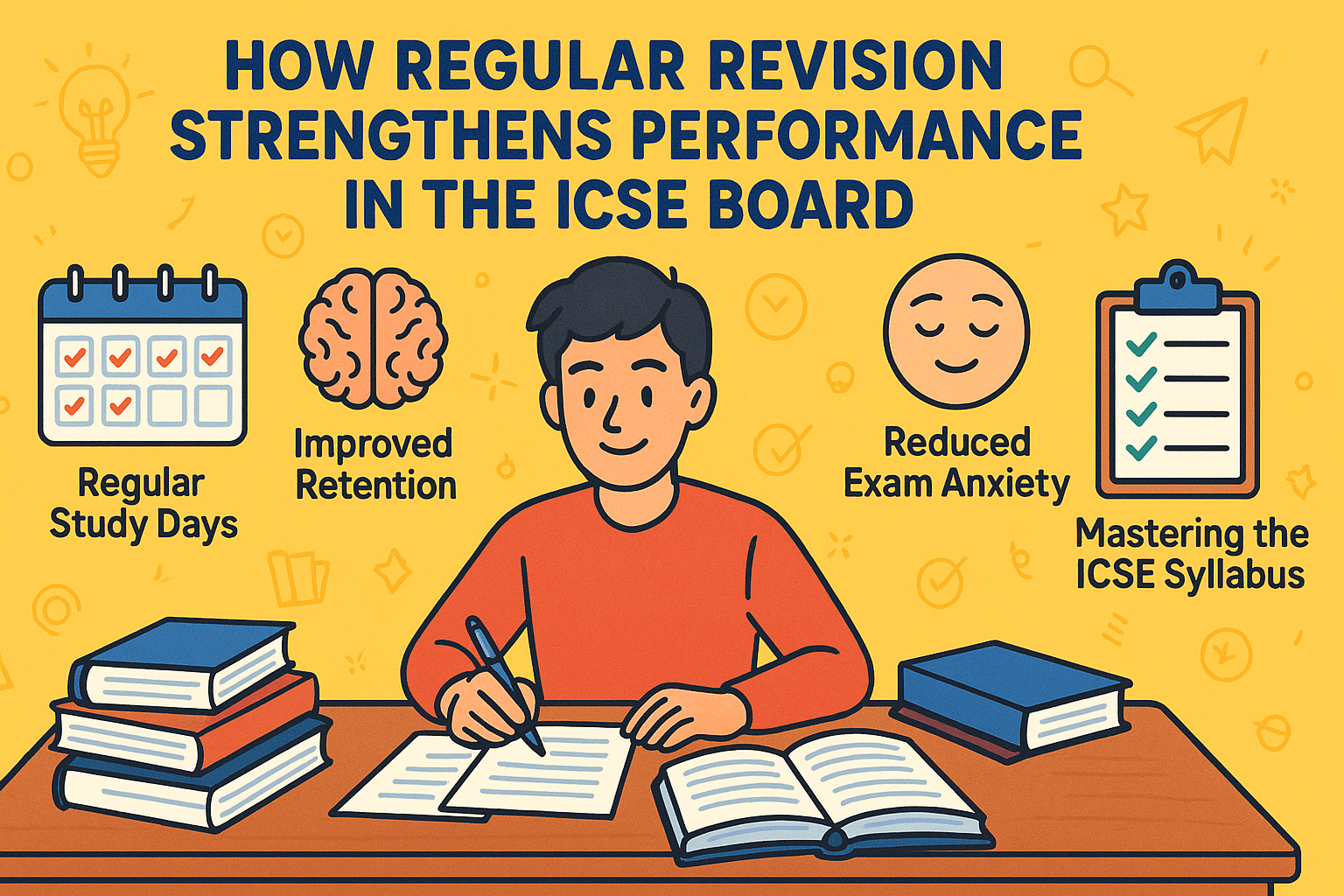
Learn how regular revision strengthens performance in the ICSE board, improves retention, reduces exam anxiety, and...
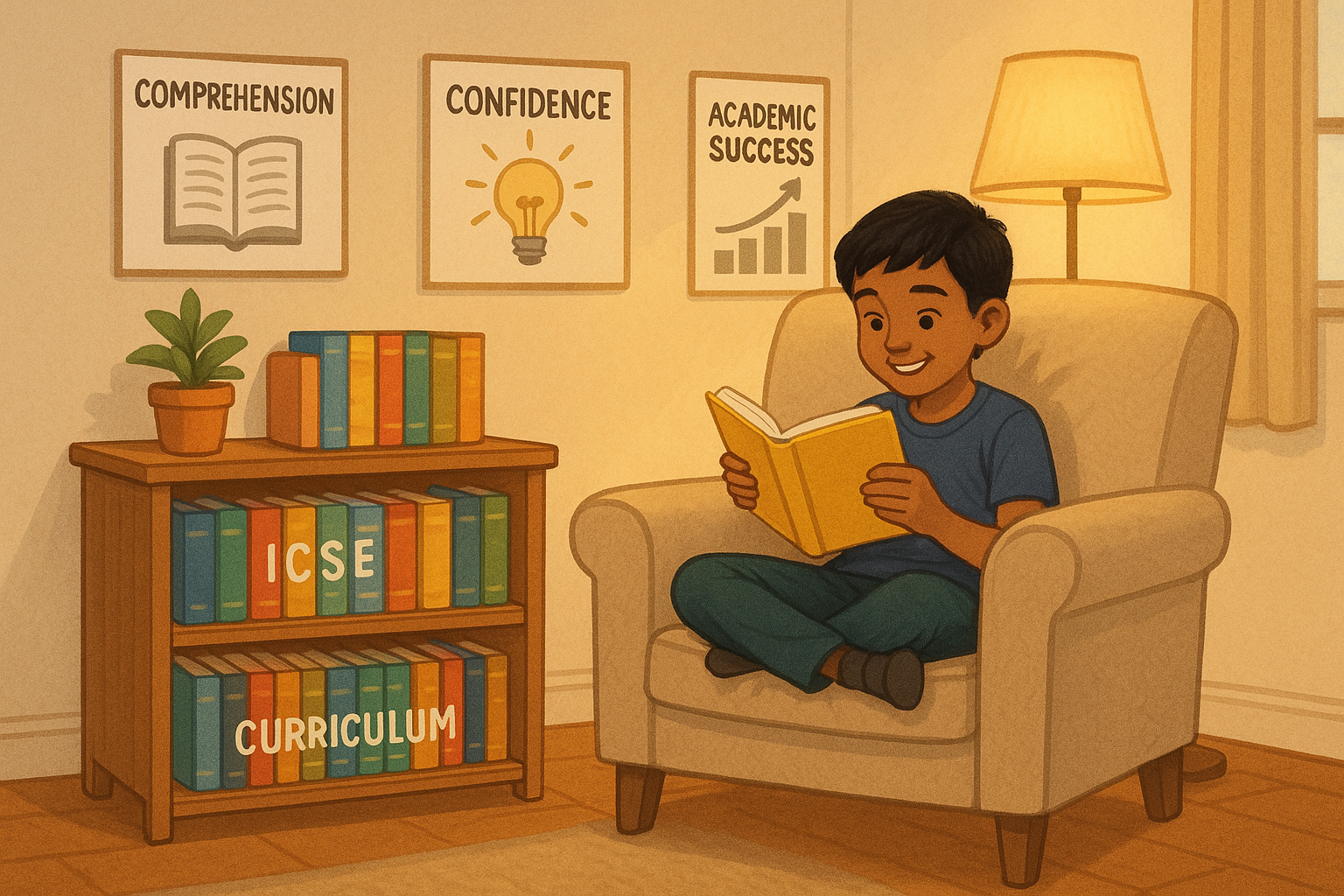
Learn how to create a reading-friendly home environment for ICSE students to improve comprehension, confidence, and...
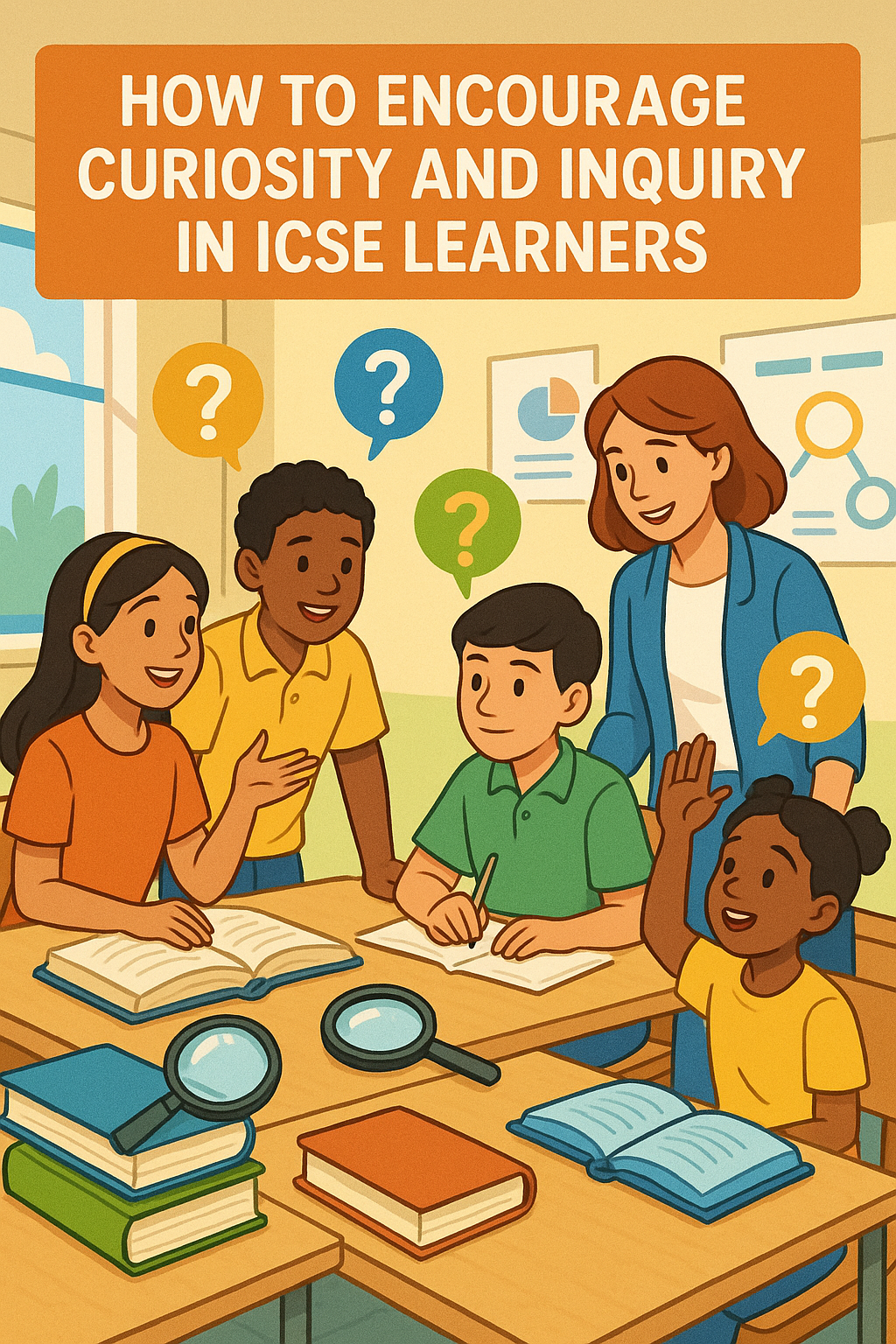
Learn how to encourage curiosity and inquiry in ICSE learners by supporting concept clarity, safe questioning, and...
Explore the role of parents in supporting ICSE academic growth, from understanding the ICSE curriculum to building...
Learn how parents can monitor ICSE study progress without pressure, support concept clarity, reduce stress, and help...
Learn the essential time management skills every ICSE student should build early to handle the syllabus, reduce...
Learn how consistent study habits help ICSE students master the syllabus, reduce stress, and achieve long-term...
Learn how parents can help children manage the ICSE syllabus without burnout using balanced routines, smart...
Learn how the ICSE curriculum strengthens vocabulary and comprehension skills while helping students think deeply...
Explore why literature and language skills are central to ICSE learning and how strong English foundations shape...
Discover how the ICSE curriculum builds strong reading habits early through textbooks, literature, and structured...
Understand how continuous assessment strengthens the ICSE curriculum by supporting deep learning, consistency, and...
Explore what makes the ICSE curriculum academically rigorous and why its depth, structure, and assessment style...
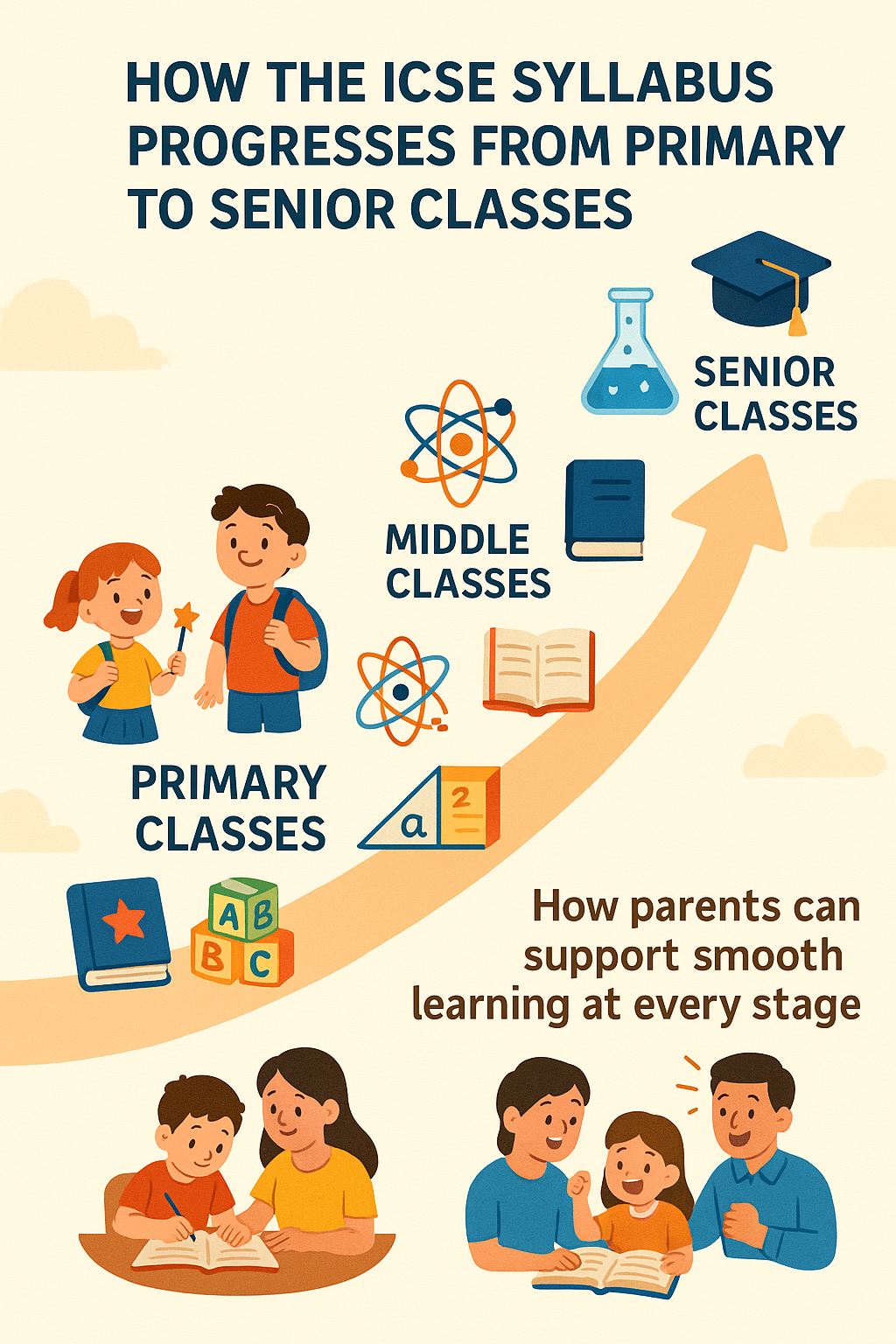
Understand how the ICSE syllabus progresses from primary to senior classes and how parents can support smooth...
Learn ICSE-specific methods parents can use to help children overcome exam anxiety, build confidence, and approach...
Learn how parents can support a smooth transition into ICSE Class 11 by building habits, confidence, and clarity...
Learn how early preparation for ICSE exams reduces stress, builds confidence, and improves scores through steady...
Learn how to use ICSE textbooks and supplementary guides effectively without overwhelming students, while building...

Discover what ICSE topper strategies reveal about effective parental support and how parents can guide learning...

Understand why ICSE students are excelling in competitive exams and how the ICSE curriculum builds strong concepts,...
Discover how ICSE help platforms support students struggling with multiple subjects through structured learning,...
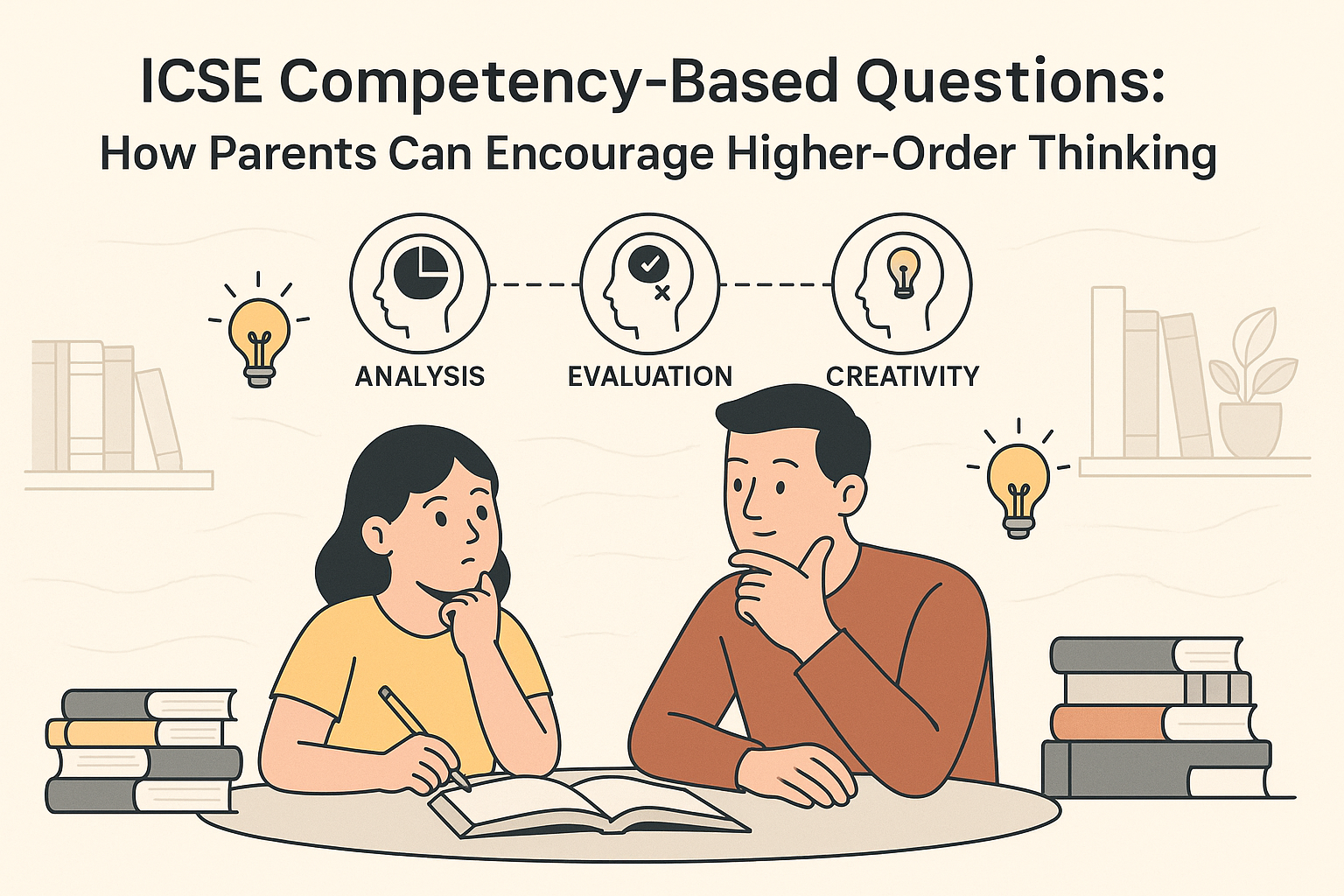
Learn how ICSE competency-based questions build higher-order thinking and how parents can support children through...
Explore how digital learning is reshaping ICSE schools by improving concept clarity, engagement, and academic...

Learn how to build strong self-study habits at home using ICSE help resources that improve understanding, confidence...
Understand how practical learning in ICSE schools builds clarity, confidence and real world skills that prepare...
Learn how project-based learning is transforming ICSE classrooms and helping students build real-world skills...
Explore why ICSE schools are gaining popularity in tier-2 cities and how curriculum depth, career readiness and...
Explore how recent ICSE syllabus realignments are equipping students with future-ready skills, career adaptability...
Understand how competency-based ICSE exams build strong foundations that prepare students for NEET, JEE and CUET...
Learn how to build a year-round ICSE exam study schedule that reduces stress, builds consistency and helps your...
Understand how ICSE textbooks support application-based learning and help students build strong concepts, analytical...

Explore why parents of high-performing students and toppers choose the ICSE board for senior classes and how its...
A clear guide for parents on the upcoming ICSE syllabus changes in 2026 and how these updates impact learning, exam...
Explore the best ICSE schools in Mumbai that balance academics and co-curricular growth while supporting holistic...

Discover the best ICSE schools in Mysore that blend strong academics with the city’s cultural traditions, while...
Discover the best ICSE schools in Lucknow that follow child-centric learning, strong academics and holistic...
Parents prefer ICSE schools in Ahmedabad for concept-based learning, strong academics and holistic development....
Explore the best ICSE schools in Madurai that offer balanced education, strong academics, and holistic development...

Explore the best ICSE schools in Pune that offer balanced education, strong academics and holistic development for...
Explore the top ICSE schools in Dehradun known for academic rigor, balanced learning and strong foundations that...

Explore the best ICSE schools in Chennai that offer strong academic foundations, holistic growth and a syllabus that...

Explore the top-rated ICSE schools in Hyderabad known for strong academics, balanced learning and a modern approach...
Explore the best ICSE schools in Coimbatore that blend tradition with innovation through strong academics, modern...
Discover the top ICSE schools in Bangalore that focus on academics, skills, creativity and holistic growth to help...
Discover the best ICSE schools in Chandigarh offering strong academics, modern facilities and a proven track record...

Explore the best ICSE schools in Kolkata known for academic strength, modern facilities and a strong focus on...
Explore the best ICSE schools in Nagpur offering strong academics, modern facilities and a balanced approach...
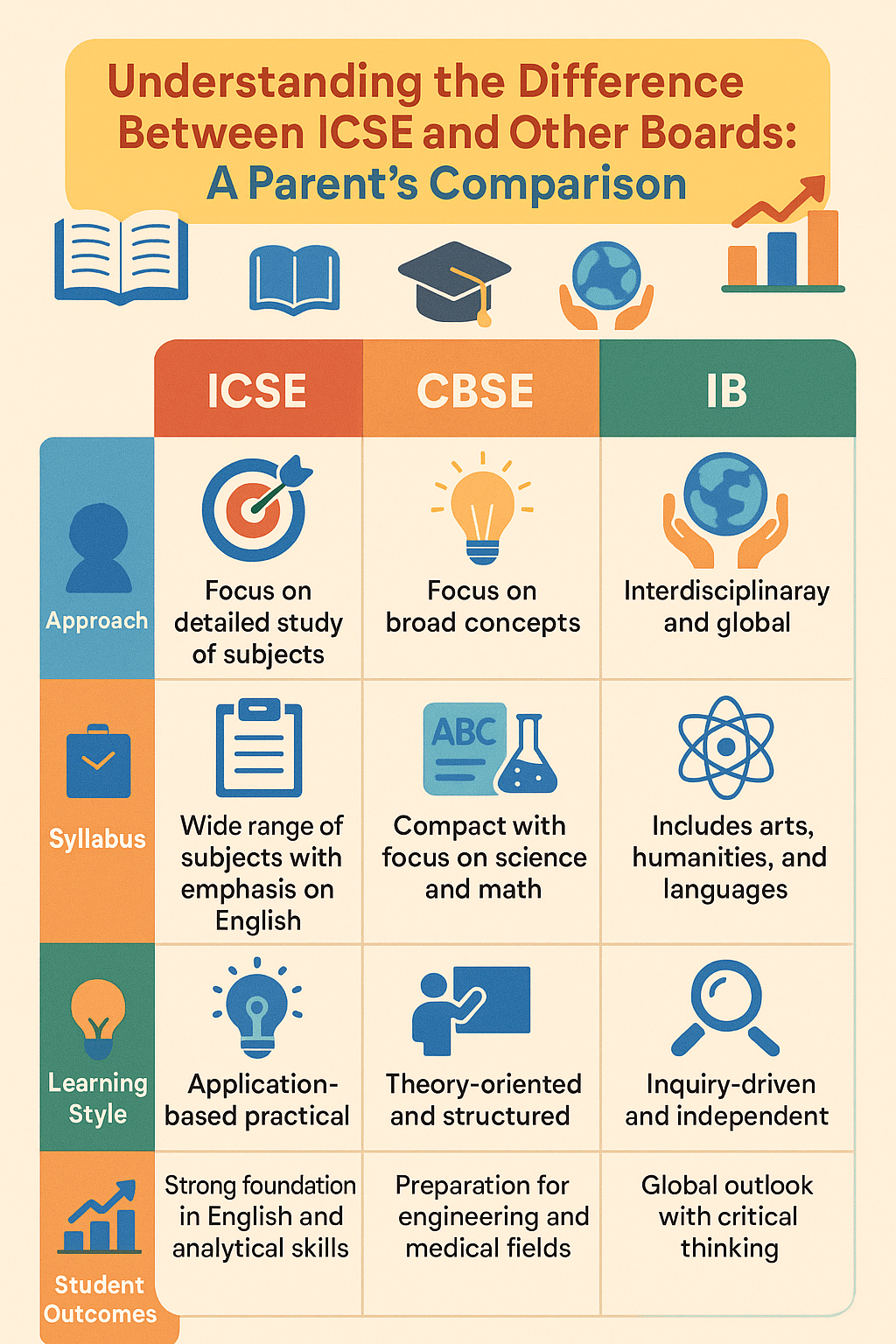
A clear comparison of ICSE, CBSE and IB boards to help parents understand differences in approach, syllabus,...
Explore how ICSE’s competency-based approach strengthens understanding, real-world thinking and lifelong learning...
Learn how to build an effective ICSE study plan with smart strategies, clear routines and structured resources for...
Learn how ICSE toppers study, stay consistent and master concepts. A complete guide for parents and students...
A complete step-by-step guide to using ICSE help materials effectively so students learn faster, stay organised and...
A complete guide for students and parents to prepare effectively for the ICSE exam with proven study strategies,...

A detailed guide for parents and students to identify genuine ICSE topper notes, reliable resources and accurate...
A parent-friendly guide to ICSE competency-based questions, why they matter and how they strengthen real-world...
A complete guide to choosing the right ICSE textbooks for your child, with tips on syllabus alignment, clarity,...
A parent-friendly guide to supporting children in ICSE Physics using practical methods, real-life learning and...
A complete parent-friendly guide to ICSE Biology, covering basics, syllabus insights and steps to help students...
.jpg?width=500)
Build strong ICSE Chemistry fundamentals with simplified concepts, smart study strategies, and structured ICSE help...
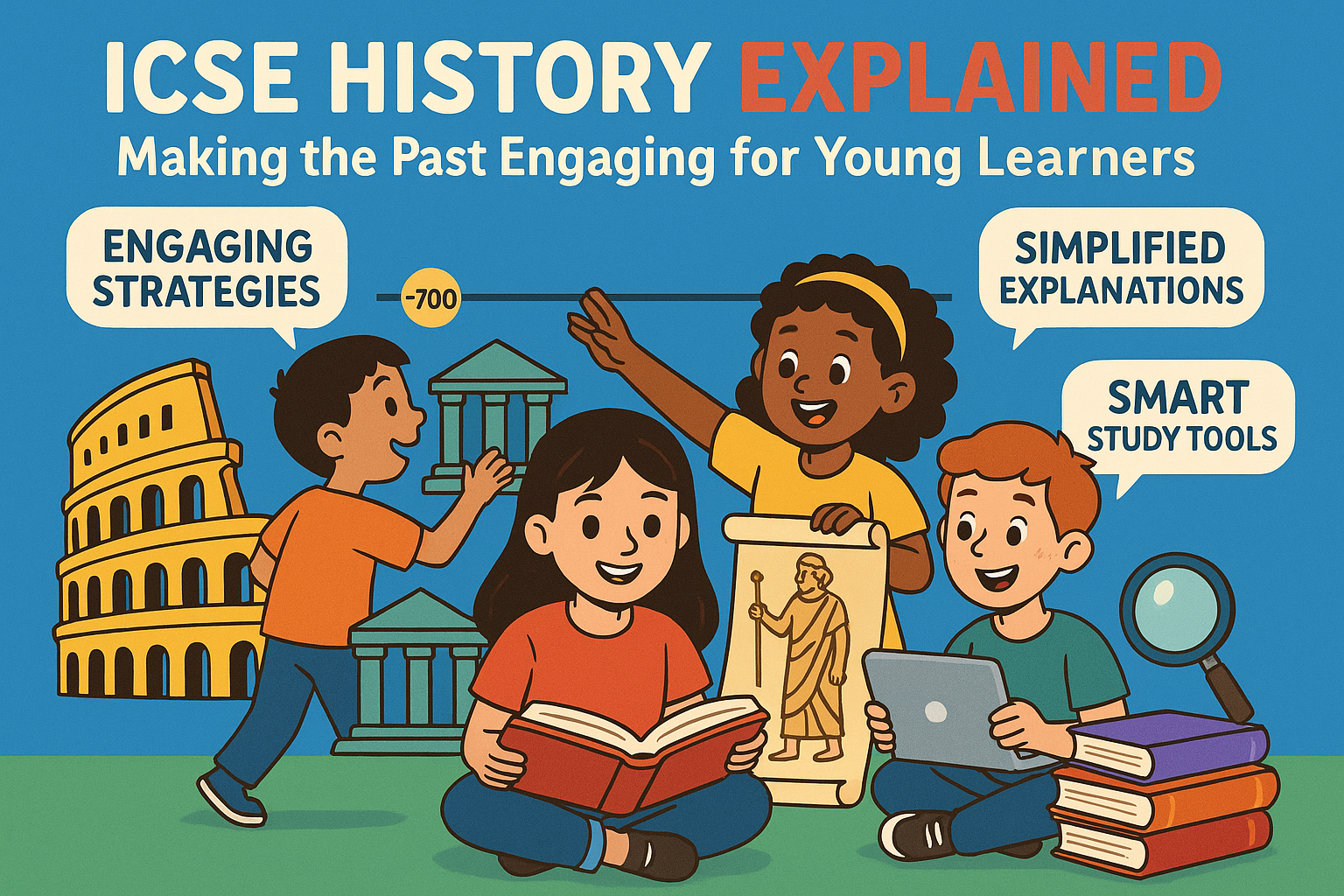
Improve ICSE History learning with engaging strategies, simplified explanations, and smart study tools. Help...
Discover how to improve writing and comprehension skills in ICSE English. Learn effective strategies, ICSE syllabus...
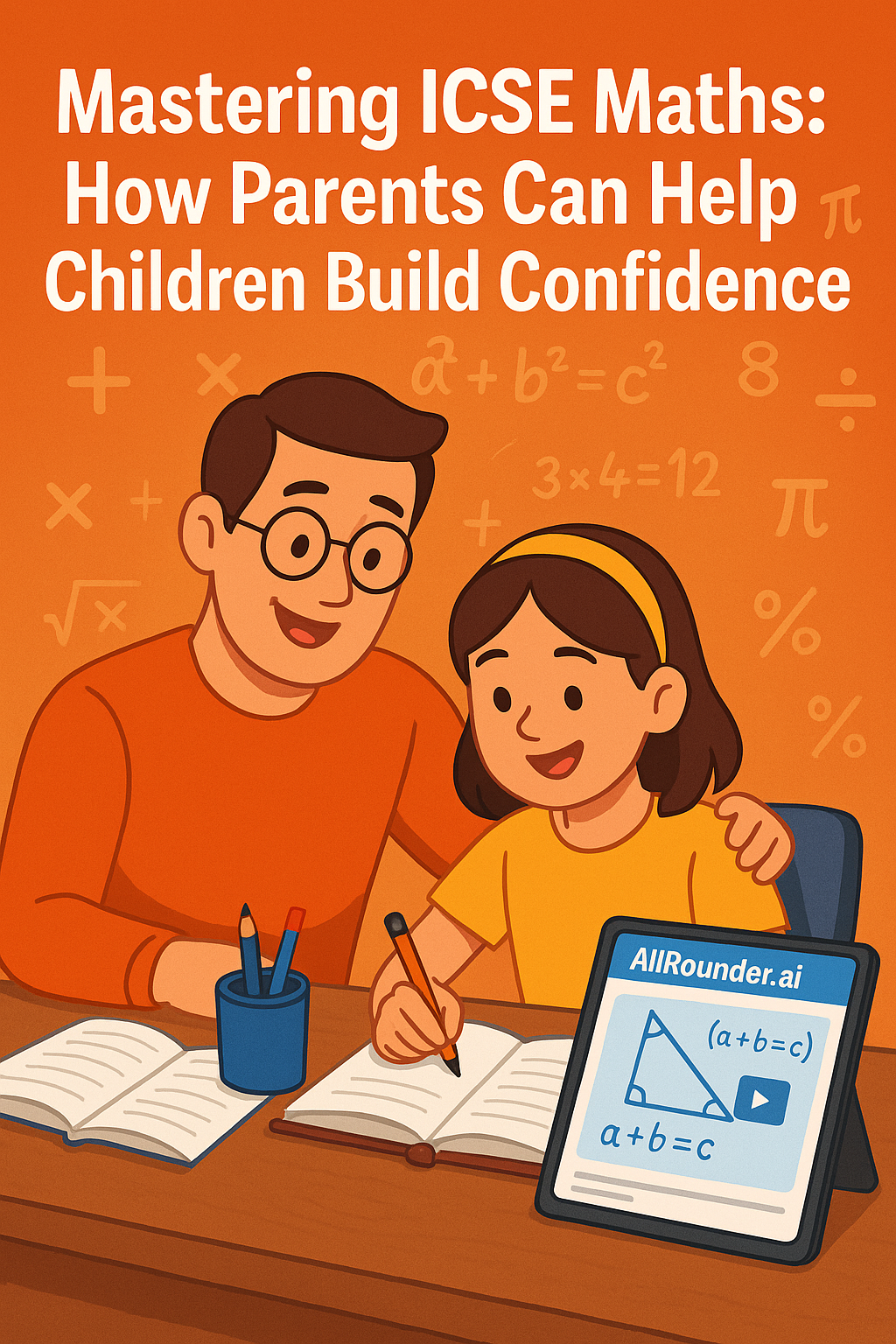
Discover practical ways parents can help children master ICSE Maths. Learn about the ICSE syllabus, study...

Explore ICSE 12th result insights, grading details, and how to use your ICSE marksheet for college admissions. Learn...
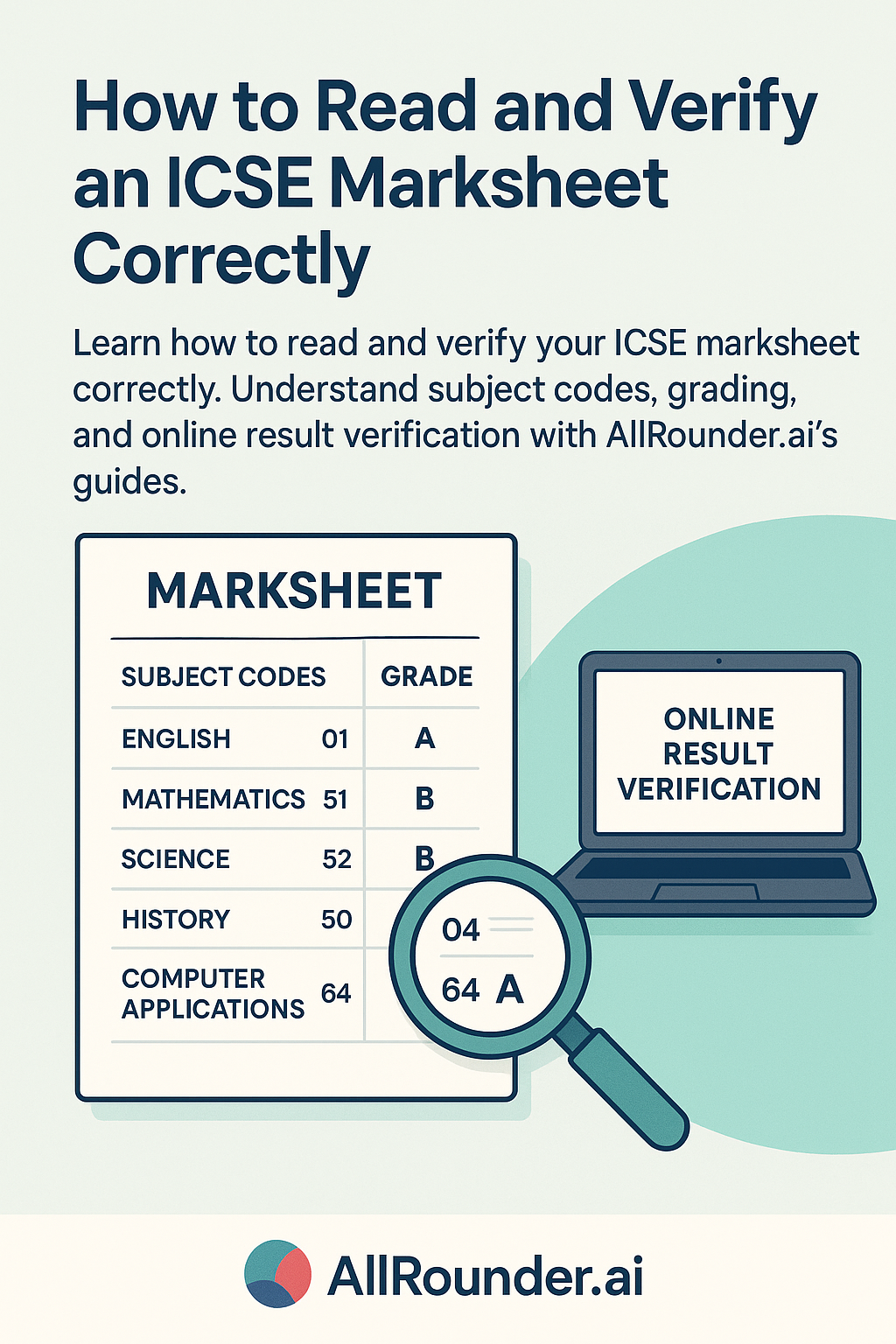
Learn how to read and verify your ICSE marksheet correctly. Understand subject codes, grading, and online result...
.jpg?width=500)
Explore key ICSE 10th result trends, marking patterns, and expert tips to excel in the ICSE exam with...
.jpg?width=500)
Master concept-heavy ICSE subjects with simple study strategies, smart tools, and AllRounder.ai’s personalized...
Learn how to check ICSE results, understand grading, and support your child emotionally and academically with help...
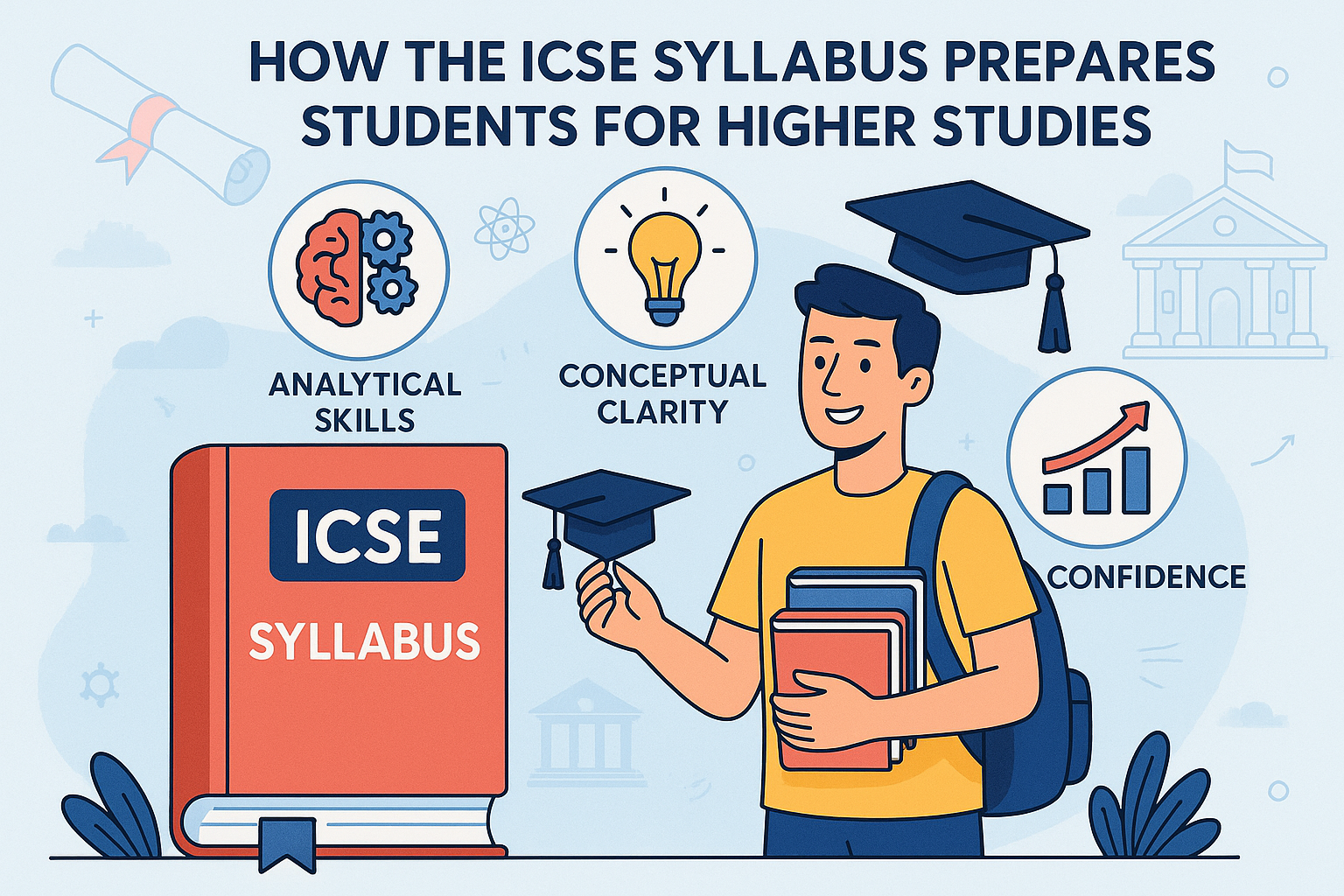
Discover how the ICSE syllabus builds analytical skills, conceptual clarity, and confidence to prepare students for...
Discover why the ICSE board is ideal for your child’s future with its balanced syllabus, analytical learning...
Understand how the ICSE exam system works with this detailed parent’s guide. Learn about subjects, evaluation...
Learn how the ICSE board promotes analytical thinking, conceptual understanding, and balanced development. Discover...
Explore how ICSE help platforms like AllRounder.ai make learning simpler for students by breaking down the ICSE...
A complete guide to the ICSE Class 10 Computer Applications project work. Learn how to choose a topic, plan design,...

Discover the best reference books for Class 10 ICSE Maths. Learn how to use them effectively with AllRounder.ai’s...

Planning for ICSE school fees? Our guide breaks down the costs in major Indian cities, helps you find affordable...
Compare ICSE vs. CBSE to choose the best board for your child. Learn about syllabus differences, teaching styles,...

Learn how to choose the best ICSE subjects for Class 9 and 10. Explore Group I, II, and III subjects, internal...
Learn how the ICSE grading system works in 2025–26. Know internal assessments, percentage calculation, and tips to...

Discover how ICSE builds critical thinking, analytical skills, and real-world problem-solving through its unique...
Understand the ICSE board – its history, structure, curriculum, and unique advantages over other boards.
Resources
-
Your complete JEE Advanced resource for eligibility, exam dates, syllabus, marks vs rank, and...
-
Understand the entire JEE Main process, from application and eligibility rules to the exam...
-

Explore the IB Board – a global curriculum emphasizing holistic, student-centered learning...
-

Learn about CBSE – India’s national school board offering a standardized curriculum, NCERT...
-

Explore everything about the ICSE board – its curriculum, subjects, exam format, and academic...