Professional Courses
Industry-relevant training in Business, Technology, and Design
Categories
Interactive Games
Fun games to boost memory, math, typing, and English skills
Typing
Memory
Math
English Adventures
Knowledge

Understanding the CBSE Private Candidate Application and Rules

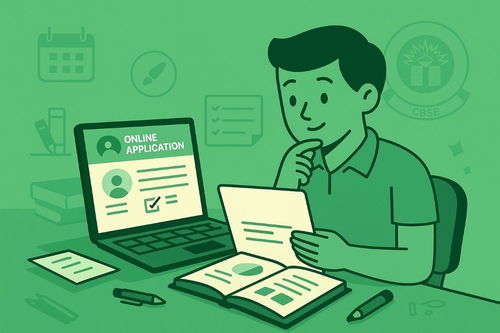
The Central Board of Secondary Education (CBSE) gives students more than one way to complete their education. One of the lesser‑known but very helpful options is the CBSE private candidate scheme. It allows students who cannot attend a regular CBSE‑affiliated school to appear for board exams as independent candidates. If you are planning to take this route, it is important to understand exactly how it works, how to apply, and what rules you need to follow.
This guide will take you step‑by‑step through everything you need to know. We will talk about who can apply, how to register, the documents you need, the exam pattern, and how to prepare using trusted tools like AllRounder.ai to improve your chances of success.
What Is a CBSE Private Candidate?
A CBSE private candidate is a student who appears for Class 10 or Class 12 CBSE board exams without being enrolled as a regular student in a CBSE school for that academic year. These students prepare on their own or through coaching institutes but register directly with the board for the examination.
CBSE created this system so that students who could not attend regular school for any reason would still have the opportunity to complete their education. It is especially useful for those who have failed, need to reappear in certain subjects, want to improve their marks, or have other valid reasons that prevent regular schooling.
Who Can Apply as a CBSE Private Candidate?
Not everyone can register as a private candidate. CBSE has specific eligibility conditions. The most common categories include:
- Students who failed in one or more subjects in the previous CBSE board exam.
- Students who passed but want to improve marks in one or more subjects.
- Students who have been detained in Class 10 or Class 12 in a CBSE‑affiliated school.
- Female students from Delhi who cannot attend regular school due to valid reasons.
- Students with special needs or those who meet the disability guidelines.
- Ex‑students who have completed schooling but want to appear in an additional subject.
If you are unsure about eligibility, it is always better to confirm directly from the CBSE notification for private candidates released each year.
Why Do Students Choose the Private Candidate Route?
Students choose this option for different reasons. Some want a second chance to improve marks to get into their dream college. Others may have health issues or personal commitments that make regular school attendance impossible. There are also cases where students have moved cities or countries and cannot get admission in a CBSE school mid‑year but still want to take the CBSE exam.
This flexibility is one of the strengths of the CBSE system. It ensures that life circumstances do not stop a student from continuing their education.
How to Apply for CBSE Private Candidate Exams
The application process for private candidates is entirely online. CBSE usually opens the registration window between September and October for the exams scheduled the following year. Here is how it works:
First, you must visit the CBSE private candidate section on the official website. Then you select the relevant exam whether Class 10 or Class 12 and the category you fall under. After that, you fill out the online form with your personal details, previous roll number, year of examination, and subject codes.
Once the form is filled, you upload the required documents and pay the examination fee. The system generates an acknowledgment page, which you must keep for future reference.
If you are appearing in Class 10 or Class 12 and also need help preparing for your subjects, you can explore dedicated resources for CBSE courses on AllRounder.ai.
Documents Required for CBSE Private Candidate Registration
The documents you need depend on your category. Commonly required ones include:
- Previous year’s CBSE admit card or mark sheet.
- Recent passport‑size photographs.
- Proof of identity such as Aadhaar card.
- Proof of residence.
- Caste or category certificate if applicable.
- Disability certificate for students with special needs.
Make sure your scanned copies are clear and match the board’s size and format guidelines.
Subjects and Syllabus for Private Candidates
CBSE private candidates follow the exact same syllabus as regular students. The subjects, marking scheme, and exam structure remain unchanged.
For Class 10, you have to appear for the five main subjects, which generally include English, Mathematics, Science, Social Science, and a language or elective. For Class 12, you appear for subjects from your chosen stream of Science, Commerce, or Arts.
The syllabus can be downloaded from the CBSE academics section, and all the smart lessons, interactive quizzes and study notes from AllRounder.ai CBSE courses.
Exam Pattern and Marking Scheme
The exam pattern for private candidates is identical to that of regular candidates. Theory exams are conducted for each subject, and practical are included wherever required.
In Class 10, the board assesses both theory and internal assessment marks, but private candidates usually have to appear for theory and practical together, depending on the subject. In Class 12, the practical component is essential for science and vocational subjects, and private candidates need to attend assigned exam centres for these tests.
The passing criteria are the same so students must score at least 33 percent in theory and practical separately to pass. If you are preparing for both theory and practical, practicing with chapter‑wise content and mock tests on AllRounder.ai can give you a major advantage.
CBSE Private Candidate Admit Card
Once your application is accepted, CBSE issues the admit card a few weeks before the exam. It is available for download from the official website using your application number or previous year’s roll number.
Your admit card contains details like your roll number, exam centre, subjects, and dates. Without it, you cannot appear for the exams, so keep multiple copies printed. You can also track your preparation and revise subjects quickly using AllRounder.ai Class 10 courses or Class 12 courses before the exam days arrive.
Practical Exams for Private Candidates
Many students wonder how practical exams work for private candidates. CBSE assigns designated centres for practical, often in affiliated schools. You will receive a schedule and need to appear with your admit card.
For subjects like Physics, Chemistry, Biology, or Computer Science in Class 12, and Science in Class 10, you must complete the practical test as it counts toward your final marks. It is wise to prepare lab work in advance with the help of teachers, online tutorials, or platforms like AllRounder.ai that guide you through practical concepts.
Declaration of Results
Private candidates receive their results at the same time as regular candidates. Results are published online on the CBSE results portal. You can check your marks using your roll number and date of birth.
Your mark sheet and certificates will be available digitally through CBSE’s DigiLocker service, and you can also collect physical copies from the designated centre. If you need guidance on downloading marksheets, the step‑by‑step process is explained in AllRounder.ai resources for CBSE students.
Common Mistakes to Avoid in the Application Process
While the process is simple, many students make avoidable mistakes. Some forget to upload the correct documents or miss the deadline. Others enter wrong subject codes or personal details, which can lead to problems during the admit card stage.
Always double‑check every entry before submitting your form. Keep copies of your application, payment receipt, and acknowledgment page. If you make a mistake, contact the CBSE regional office immediately.
How to Prepare as a CBSE Private Candidate
Being a private candidate means you must take full responsibility for your learning. There is no daily school routine or teacher reminders. You have to create a study plan and stick to it.
Break down your syllabus into smaller goals. Focus on NCERT textbooks first, then move on to reference books. Regularly attempt previous year question papers and mock tests to build speed and accuracy. You can find structured chapter‑wise resources for Class 10 and Class 12 preparation on AllRounder.ai.
Staying consistent is key. Even one hour of focused daily study is more effective than random long hours without a plan.
Advantages of the Private Candidate Option
The CBSE private candidate option offers several benefits. It gives flexibility to those who cannot attend regular classes. It allows you to prepare at your own pace, choose your study environment, and use online platforms for revision. It also offers a fair second chance for students to improve their marks or clear backlogs.
Things to Keep in Mind Before Applying
Before you register, consider your readiness for self‑study. Make sure you understand the syllabus and exam requirements. Check the official CBSE notifications carefully, as rules and timelines can change every year. Plan your preparation early so that you have enough time for revision and practice.
Final Thoughts
The CBSE private candidate application and rules are designed to keep education open and accessible for everyone. Whether you are looking for a second chance, trying to improve your marks, or completing your education under special circumstances, this option can help you achieve your goals.
By understanding the process, following the rules carefully, and preparing with the right resources like AllRounder.ai, you can approach the exams with confidence and secure good results.
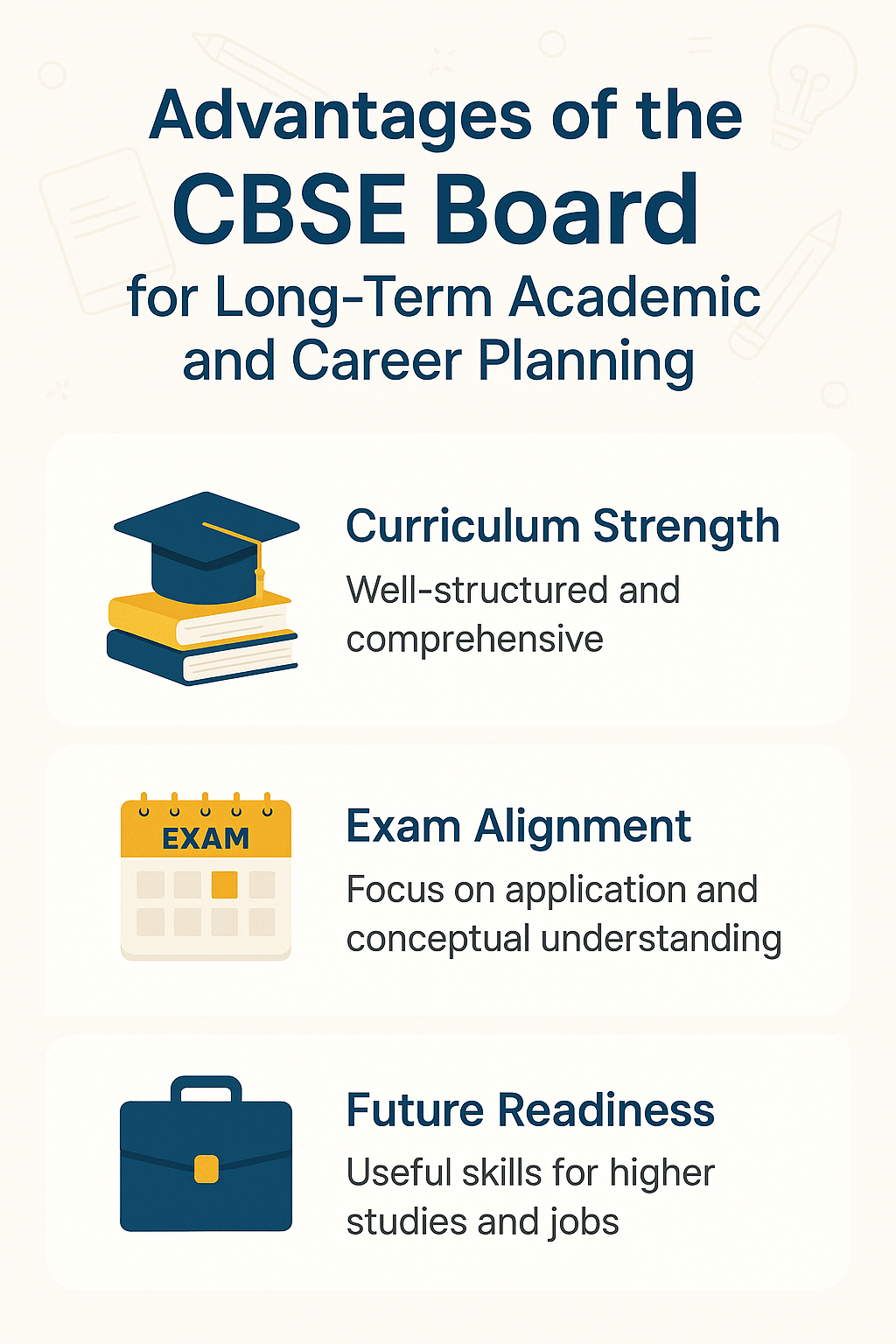
Discover the advantages of the CBSE board for long-term academic and career planning, including curriculum strength,...
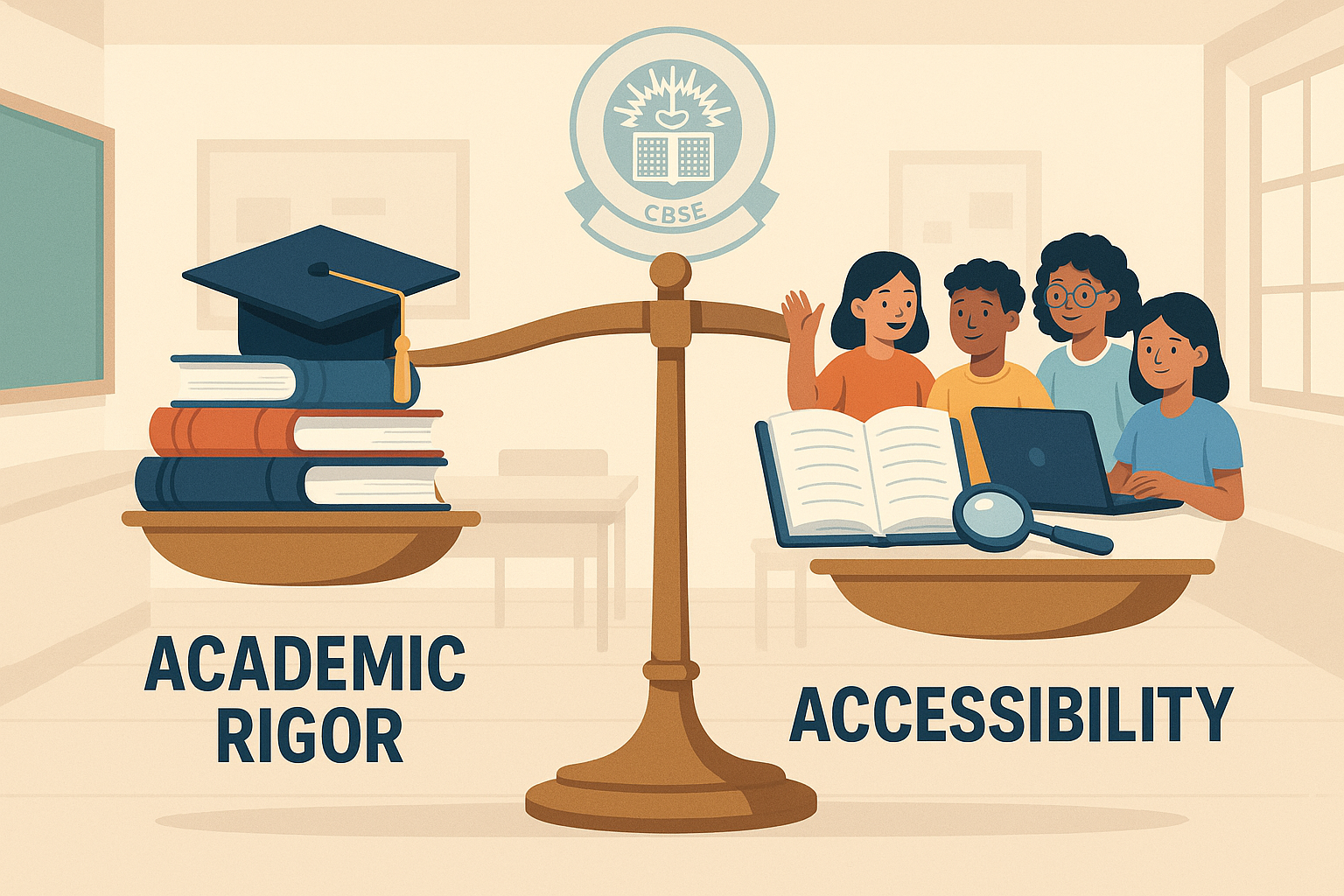
Explore how the CBSE board balances academic rigor and accessibility through its curriculum, syllabus, exams, and...
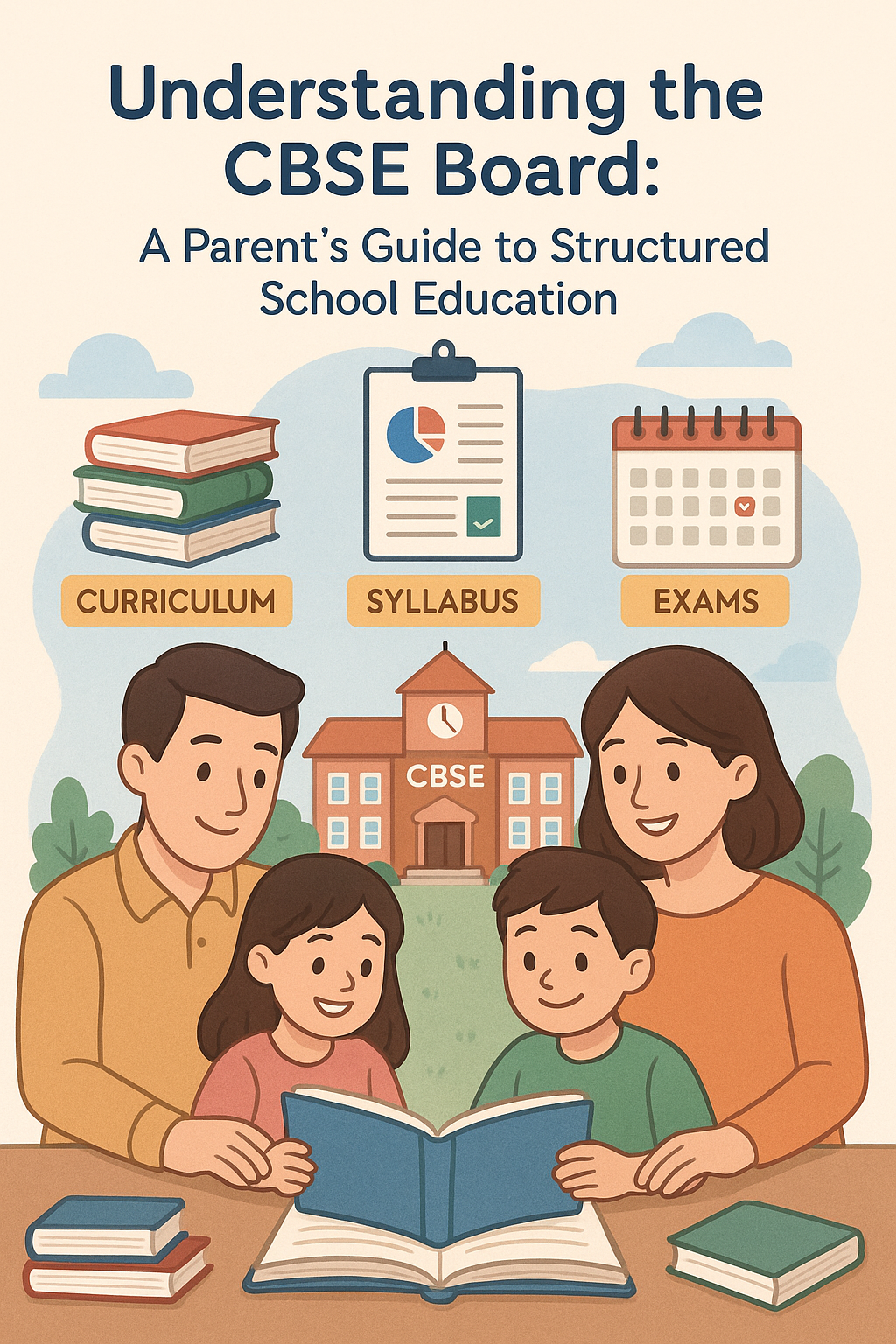
A complete parent’s guide to understanding the CBSE board, its curriculum, syllabus, advantages, exam structure, and...
Confused about CBSE school fees and admission? Here’s a complete guide to the CBSE admission process, fee...
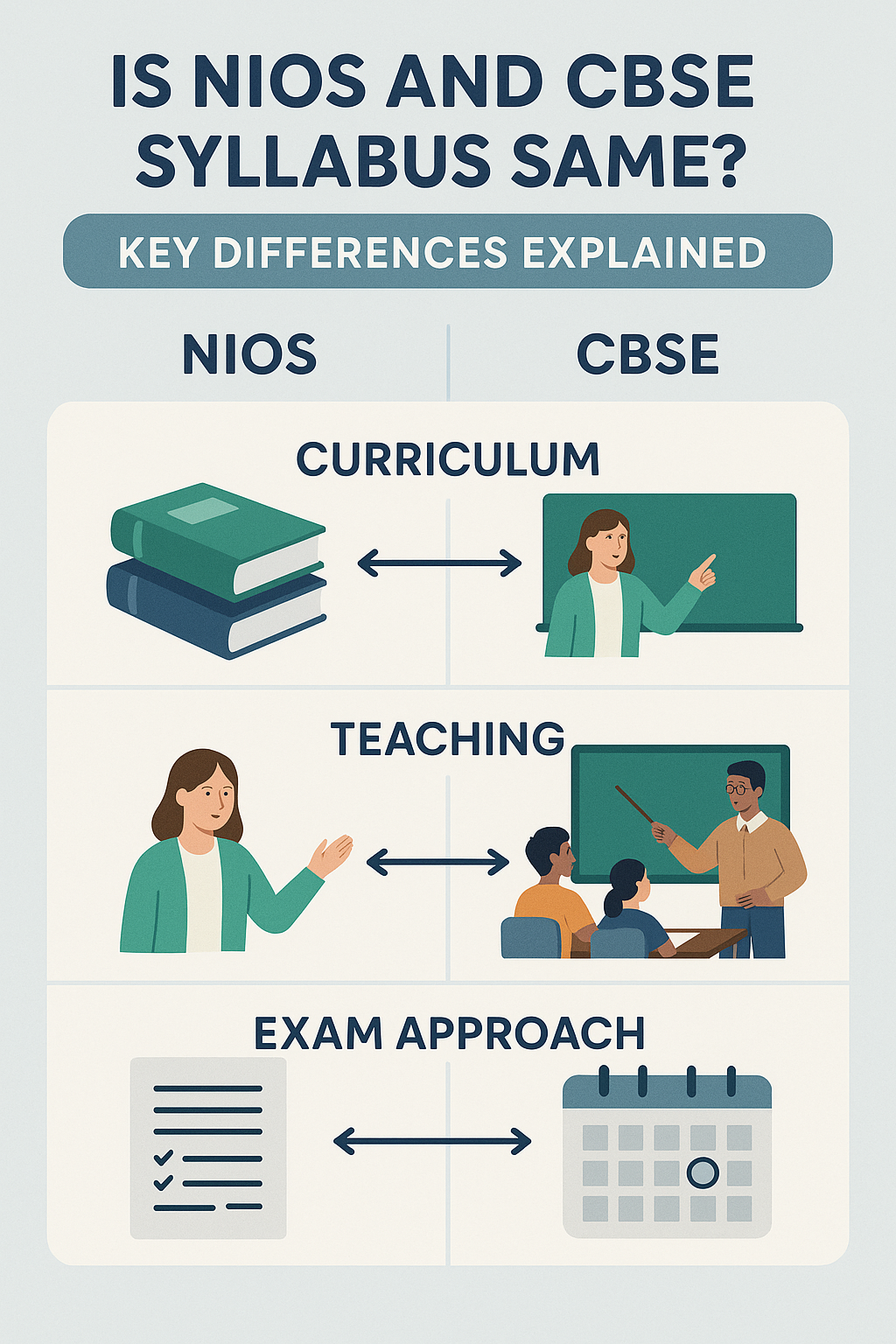
Is NIOS and CBSE syllabus same? Discover the key differences in curriculum, teaching, and exam approach. Learn how...
CBSE Holiday List 2025: Explore the official school calendar, national & regional holidays, summer & winter...
Learn how to calculate your CBSE 12th percentage from your marksheet using the official formula with a simple...
Confused about RT, COMP, and ER on your CBSE marksheet? Learn their meanings, reasons, and what steps you should...
Learn everything about the CTET exam for aspiring CBSE school teachers, including eligibility, syllabus, preparation...
Looking to apply for the CBSE Single Girl Child Scholarship Scheme? Learn eligibility, documents, application steps,...

Discover everything parents and students need to know about the CBSE Class 9 registration process, including...
Learn everything about the CBSE private candidate application process and rules. Understand eligibility,...

Confused about the CBSE answer key? This guide explains how to access it, interpret it, and use it to analyse your...

Confused about how CBSE re-evaluation or re-checking works? This guide explains eligibility, steps, fees, deadlines,...

Discover how to use the CBSE Academics website to access important resources like curriculum, sample papers, and...
Learn how to easily access your CBSE marksheets and certificates using DigiLocker. This step-by-step guide helps...
Confused about CBSE passing marks for theory and practical exams? This guide explains the minimum marks needed to...
Learn how the CBSE Open Book Exam will be implemented for Class 9 and Class 11 students. Understand the benefits,...
Confused about the CBSE compartment and improvement exam process? This complete guide explains eligibility, how to...
Learn how to obtain your CBSE Migration Certificate after Class 10 or Class 12. This detailed guide walks you...
Confused about your CBSE Admit Card? This easy step-by-step guide explains how to download it, what details to...

Discover what CBSE competency-based questions are and learn how to answer them expertly to you ace your exams.

Boost your Class 10 CBSE board prep with sample papers. Learn how to revise smartly, manage time, and score higher...

Learn how to score high in the CBSE curriculum with a subject-by-subject guide, expert tips, and AllRounder.ai tools...

Compare CBSE vs ICSE to choose the best board for your child. Understand syllabus, teaching style, exam prep, fees, and more.

Understand the latest CBSE marking scheme and question paper pattern. Learn about competency-based questions,...

Want to score above 95% in your CBSE Class 10 boards? Our strategy guide breaks down topper study plans to revision...

Compare CBSE vs ICSE to find the best board for NEET and JEE preparation. Understand syllabus match, exam formats,...

Treat your CBSE Class 12 exams using an athlete's approach to help you train, strategize, and perform your best on exam day.

Get ready for your CBSE Class 10 board exams with our survival kit. Find the official syllabus, a smart study...

Learn how to verify CBSE marksheets, certificates, and results online. Step-by-step guide for students and parents...

Master CBSE with top-rated tools, study planners, and expert online help. Perfect guide for Class 9–12 students...

Learn about CBSE – its full form, history, objectives, and structure. Get insights into CBSE’s role in Indian education.
Resources
-
Your complete JEE Advanced resource for eligibility, exam dates, syllabus, marks vs rank, and...
-
Understand the entire JEE Main process, from application and eligibility rules to the exam...
-

Explore the IB Board – a global curriculum emphasizing holistic, student-centered learning...
-

Learn about CBSE – India’s national school board offering a standardized curriculum, NCERT...
-

Explore everything about the ICSE board – its curriculum, subjects, exam format, and academic...