Professional Courses
Industry-relevant training in Business, Technology, and Design
Categories
Interactive Games
Fun games to boost memory, math, typing, and English skills
Typing
Memory
Math
English Adventures
Knowledge

The IB Learner Profile Explained: What Are the 10 Attributes and Why Do They Matter?


The IB Learner Profile: What Are the 10 Attributes and Why Do They Matter?
Education is more than just earning prestigious degrees and passing the stringent exams for which it is often so highly valued. It is meant to form people who are able to think, act responsibly and lead in a complex world. That’s what the International Baccalaureate (IB) strives for with its internationally renowned curriculum. Central to this programme is the IB Learner Profile, 10 attributes that characterise what a learner striving for the ‘ideal’ IB graduate should be.
These are not just words on a classroom wall. The IB Learner Profile is embedded into every lesson, assignment and project at all three levels of the PYP, MYP, and DP.
Let’s take a closer look at each of the 10 IB Learner Profile traits, and examples of why these traits are important in school as well as in life.
What does the IB Learner Profile mean?
The IB Learner Profile is a list of 10 attributes developed to encourage students to become well-rounded, global-minded people. These characteristics shape academic pursuits, interpersonal relations, and moment-to-moment choices.
They are not taught as a discrete topic, rather they are imbedded in the learning culture, developing students into ethical, inquisitive and resilient thinkers.
“The IB Learner Profile represents a broad range of human capacities and responsibilities that go beyond academic success.” — IB Mission Statement
Inquirers: The Foundation of Lifelong Learning
IB students are encouraged to be inquirers, being curious, open-minded and excited about any new idea. They question, they probe, they search for answers on their own.
Real-World Example:
In a PYP classroom, rather than memorizing facts about volcanoes, students construct models and inquire, “What causes eruptions, and what does an eruption do to a nearby town?” They might interview an expert in the area, or watch news coverage of a recent volcanic eruption.
Why It Matters:
Inquirers become researchers, innovators and problem solvers rather than just consumers of information.
2. Knowledgeable: Going Beyond Surface-Level Learning
IB students create a strong knowledge base in a wide variety of subjects. But knowledge is not about memorization of facts, it is about linking together concepts across disciplines.
Example:
A student studying renewable energy doesn't just learn the science of wind turbines and solar farms; they’re learning about the social and racial implications of land acquisition, the economic and environmental and ethical implications of green technology.
Why It Matters:
In a constantly changing world, interdisciplinary knowledge equips students to think critically and make informed decisions.
3. Critical Thinking: Assess Don't Just Accept
IB is all about critical thinking. Learners don’t simply take information in, they analyse, evaluate and form their own conclusions.
Example:
In IB DP ToK, the question could be: “To what extent do we trust scientific knowledge compared to historical knowledge?” They have to defend their ideas with analysis, real-world examples and multiple viewpoints.
Why It Matters:
From media literacy to scientific scepticism, in today’s digital, polarized world, you need to be a critical thinker who relies on information from proper sources to form the right opinion.
4. Communicators: Expressing Ideas Clearly and Respectfully
IB students learn to communicate in multiple languages and through various media, whether spoken, written and graphic.
Example:
A MYP student reports on the findings of their community project using a bilingual presentation and an infographic to make the message more clear to all viewers, using neutral, accessible language.
Why It Matters:
Big thoughts don’t count for much if you can’t articulate them well. IB fosters global communicators who listen and speak with intention.
5. Principled: Ethics at the Core
It is principled to be honest, fair, just and keep your word. IB learners are reflective and take responsibility for their own actions and choices.
Example:
If a student is caught cribbing from the internet, they’re not just reprimanded. They are then asked to reflect: Why is academic honesty important? How can I improve next time?
Why It Matters:
Principled learners develop into ethical adults, ranging from responsible citizens to honest business leaders.
6. Open-Minded: Embracing Diverse Perspectives
IB encourages students to have an open mind to various cultures, beliefs and perspectives.
Example:
In Literature class, they read India and Africa and Latin America and Europe, talking about cultural contexts rather than sitting in judgment.
Why It Matters:
In a global world, understanding and acceptance of other cultures are achievements in leadership, diplomacy, and the building of peace.
7. Caring: Building Compassionate Communities
IB nurtures empathy and compassion, not just academics. The students care for themselves and the world around them.
Example:
Students can start up a school recycling programme or make care packages for less fortunate communities, for example, as part of their CAS (Creativity, Activity, Service) in the IB DP.
Why It Matters:
It is brought about by caring people who are committed to building inclusive and socially responsible communities.
8. Risk-Takers: Courage to Experiment and Fail
IB learners are risk-takers and are willing to try to take risks, without knowing what the result will be.
Example:
A student terrified of speaking in public volunteers to organize and lead a school assembly. Through his efforts, he progresses, failing, learning and building resilience in the process.
Why It Matters:
Life requires adaptability and confidence in the face of uncertainty and failure. IB teaches students to develop this inner strength.
9. Balanced: Mind, Body, and Emotion
IB fosters a well-rounded life where academics, physical fitness, social skills, and emotional intelligence are equally important.
Example:
Students could be taught how to deal with test anxiety with the help of mindfulness classes or by harmonizing studies with music or sports.
Why It Matters:
Well-balanced learners are less prone to burnout, and more apt to find fulfilment in all aspects of life.
10. Reflective: Learning from Self-Awareness
The last trait is being a reflective thinker is someone who can gauge his strengths and weaknesses along with the lessons learned.
Example:
After a collaborative project, students write in a reflection journal: “What did I bring to the table? What worked? What could I do differently next time?”
Why It Matters:
Introspection is the most important force for personal development, better decisions, and critical lifelong learning.
The IB Learner Profile in action: A real impact on school life
With these core ideas in effect, this is how you may see these characteristics integrated in a typical IB school:
- Morning Circle (PYP): Starts by discussing examples of “Caring” or “Open-Mindedness” from home.
- Service Projects (MYP/DP): Students create local projects such as river clean-ups or literacy campaigns.
- Academic Work: Written essays, lab reports, and group presentations are all in part assessed for collaboration, teamwork, ethics, and reflection.
The result? Not just students who score well but responsible, curious and compassionate future citizens.
FAQs: People Also Ask
Q1. What are the 10 IB Learner Profile attributes?
Ans: The 10 traits are: Inquirers, Knowledgeable, Critical Thinkers, Communicators, Principled, Open-Minded, Caring, Risk-Takers, Balanced, and Reflective.
Q2. Why is the IB Learner Profile important?
Ans: It helps develop well-rounded individuals who can excel academically, socially, and ethically in a global context, not just in school but for life.
Q3. How is the IB Learner Profile taught?
Ans: It’s not a separate subject. The traits are integrated into teaching strategies, classroom activities, and assessments at every grade level.
Q4. Is the IB Learner Profile used in all IB programs?
Ans: Yes, it’s a core framework across PYP, MYP, DP, and CP. Teachers, students, and parents use it as a guiding philosophy.
Conclusion: The IB Learner Profile is More Than a List. It is a Skill Set for Life.
The 10 IB Learner Profile traits aren’t just academic targets, they are human goals. Inquirers become researchers. Principled students become ethical leaders. Open-minded learners become inclusive citizens.
Cultivating these qualities at a young age is how the IB programme creates the future-ready individual, one who has the courage and conviction to question, to act, to care and to reflect purposefully.
If you’re thinking about having your child take part in the IB program, here’s something to keep in mind: It’s not only about achieving good marks, it’s about becoming the best version of themselves.
Learn how IB students can balance school resources and independent study across IB PYP, MYP, and DP to build...
Learn how parents can identify quality academic support for IB learners that aligns with IB PYP, MYP, and DP values...
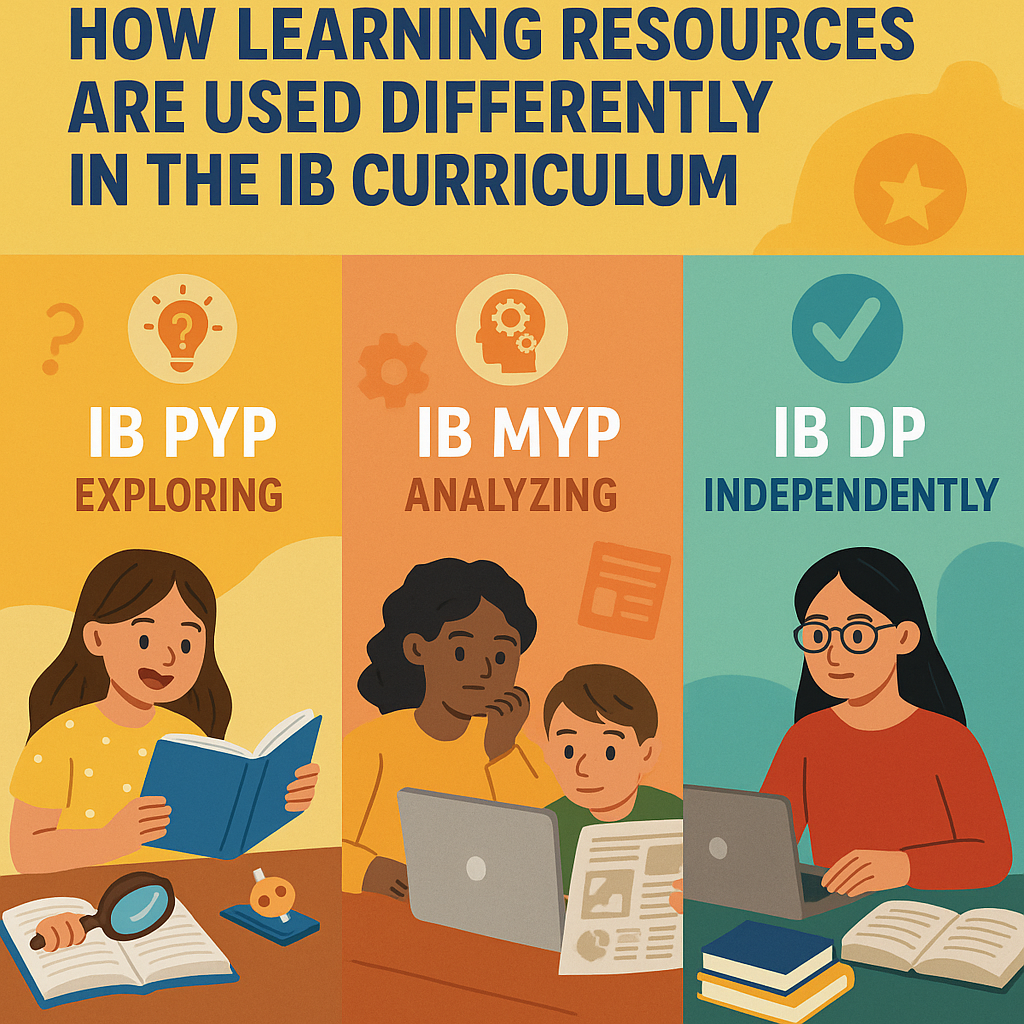
Discover how learning resources are used differently in the IB curriculum and how IB PYP, MYP, and DP students...
Learn how the IB curriculum helps students develop strong research and writing skills across IB PYP, MYP, and DP,...
Discover why reflection is a core skill in the IB education system and how it supports independent thinking,...
Learn how parents can support IB students across IB PYP, MYP, and DP without micromanaging, while building...
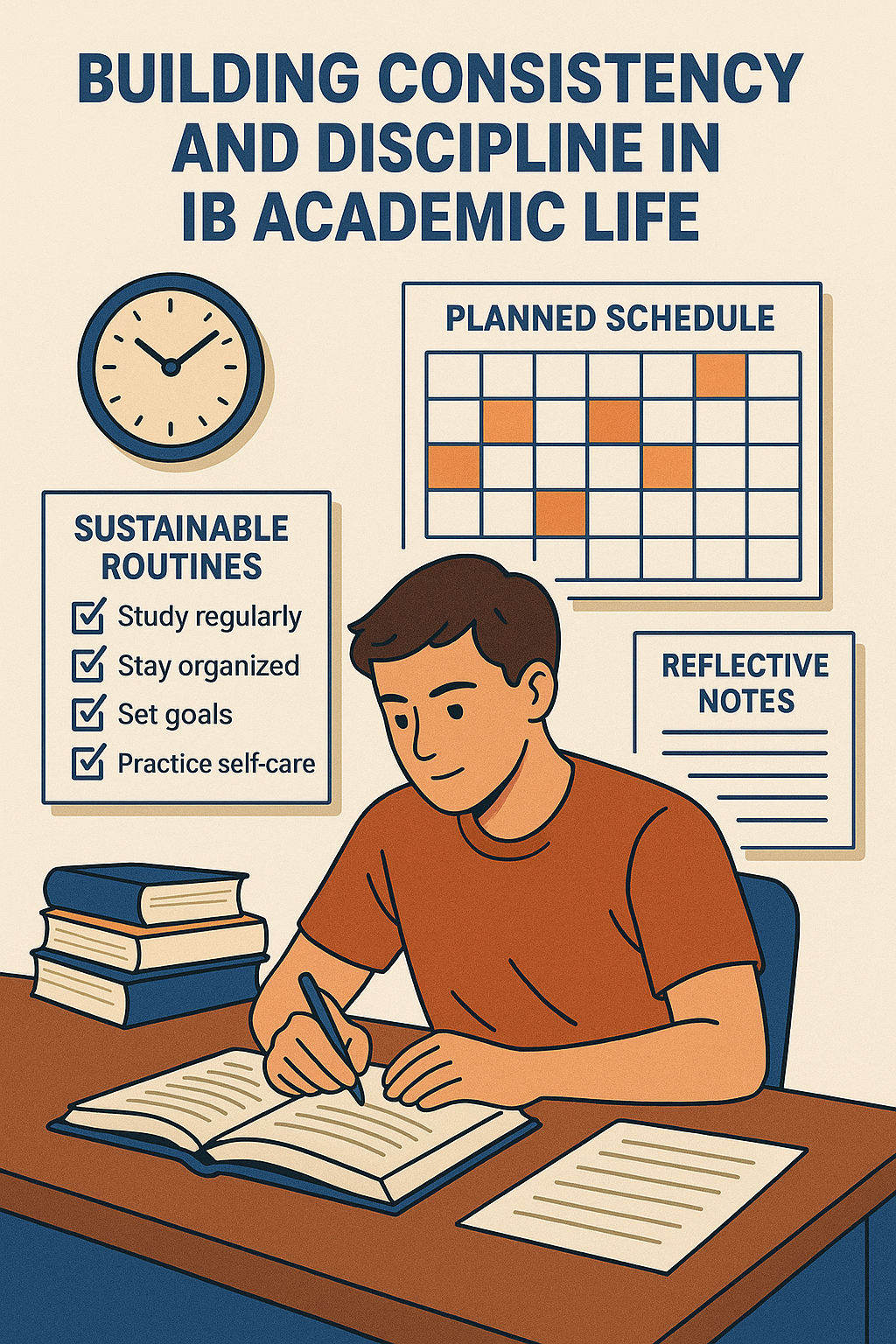
Learn how IB students can build consistency and discipline through sustainable routines, reflective habits, and...
Discover how the IB curriculum teaches students effective time management and academic planning skills that support...
Learn how IB students can avoid burnout while managing coursework by building balanced routines, aligning study...
Discover study habits that align with the IB curriculum and help students succeed through inquiry-based learning,...
Learn how the IB curriculum builds strong research and reading habits through inquiry-based learning, reflection,...
Discover how the IB syllabus builds strong critical reading and interpretation skills through inquiry-based...
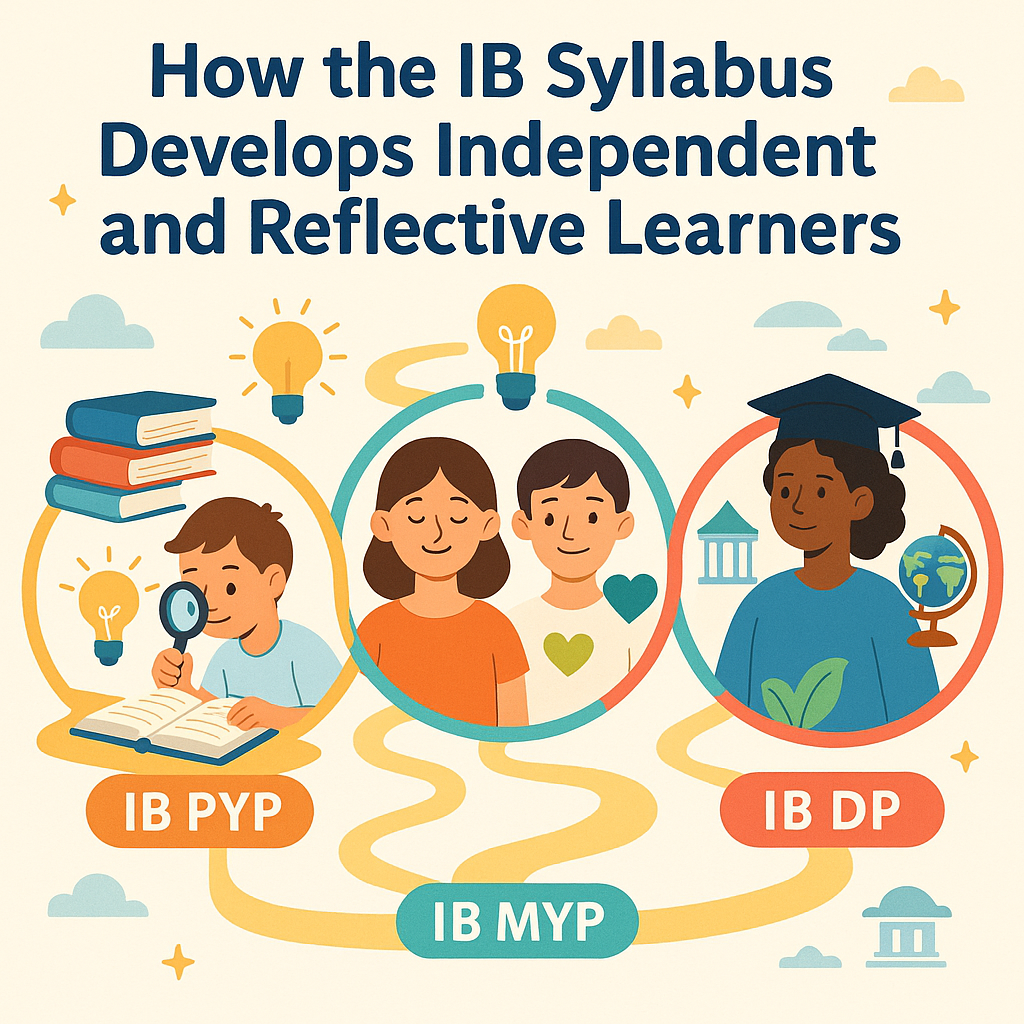
Discover how the IB syllabus builds independent and reflective learners through inquiry-based learning, emotional...
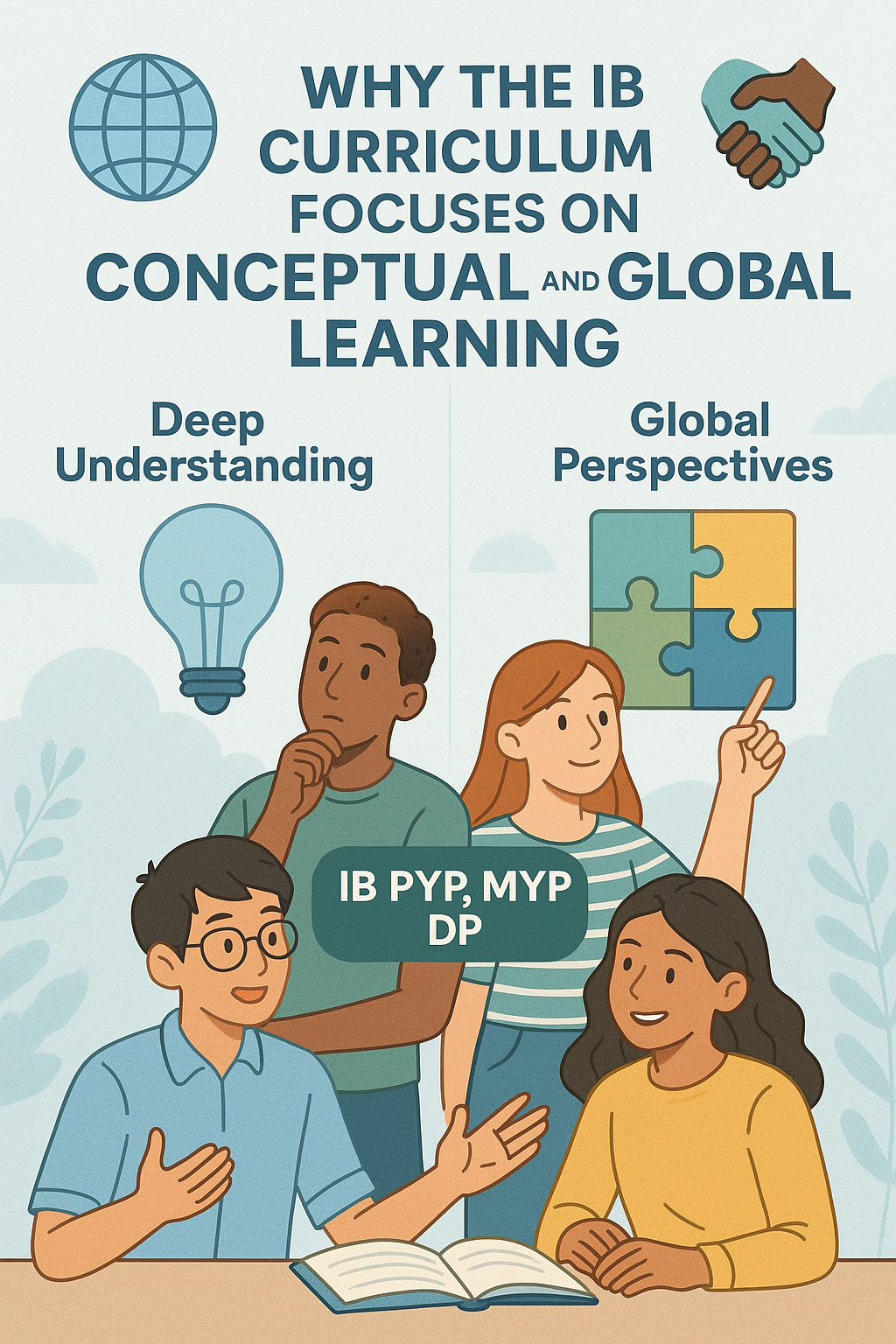
Learn why the IB curriculum focuses on conceptual and global learning, how IB PYP, MYP, and DP develop deep...
Understand the educational philosophy behind the IB board, including IB PYP, MYP, and DP, and learn how IB learning...
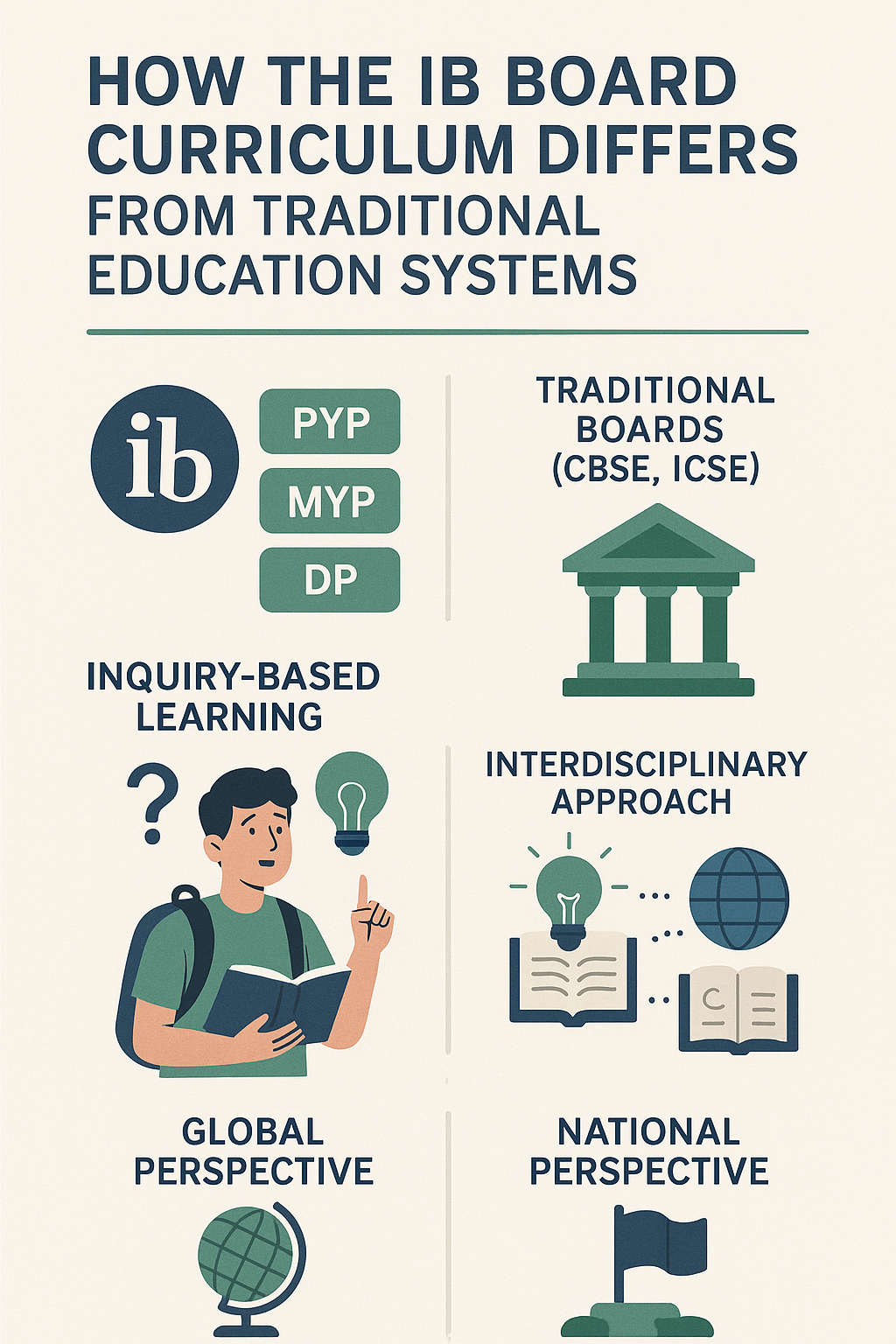
Explore how the IB board curriculum differs from traditional education systems like CBSE and ICSE, and understand IB...
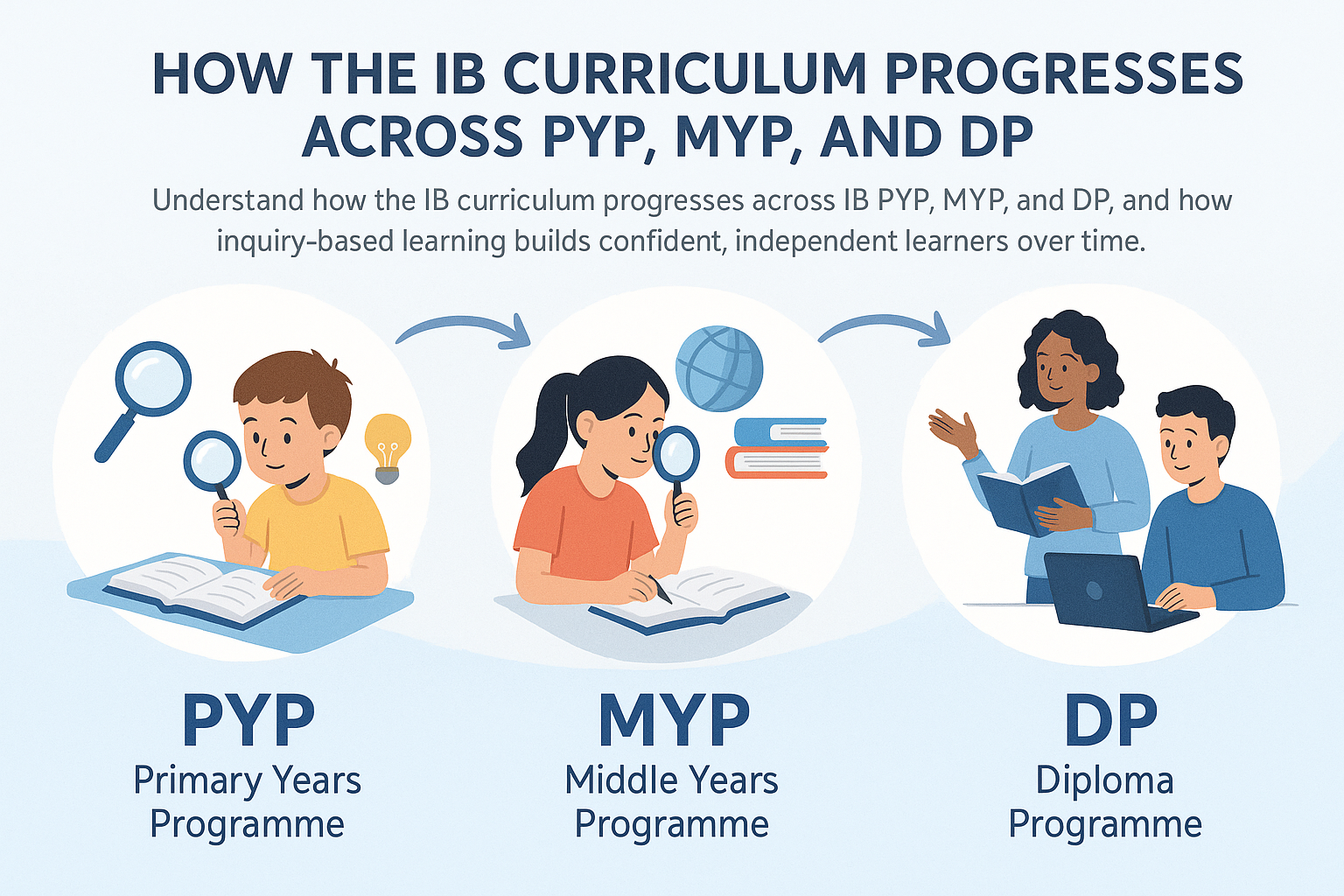
Understand how the IB curriculum progresses across IB PYP, MYP, and DP, and how inquiry-based learning builds...
A parent friendly guide to understanding the IB curriculum, IB PYP, MYP, and DP, and how inquiry based learning...
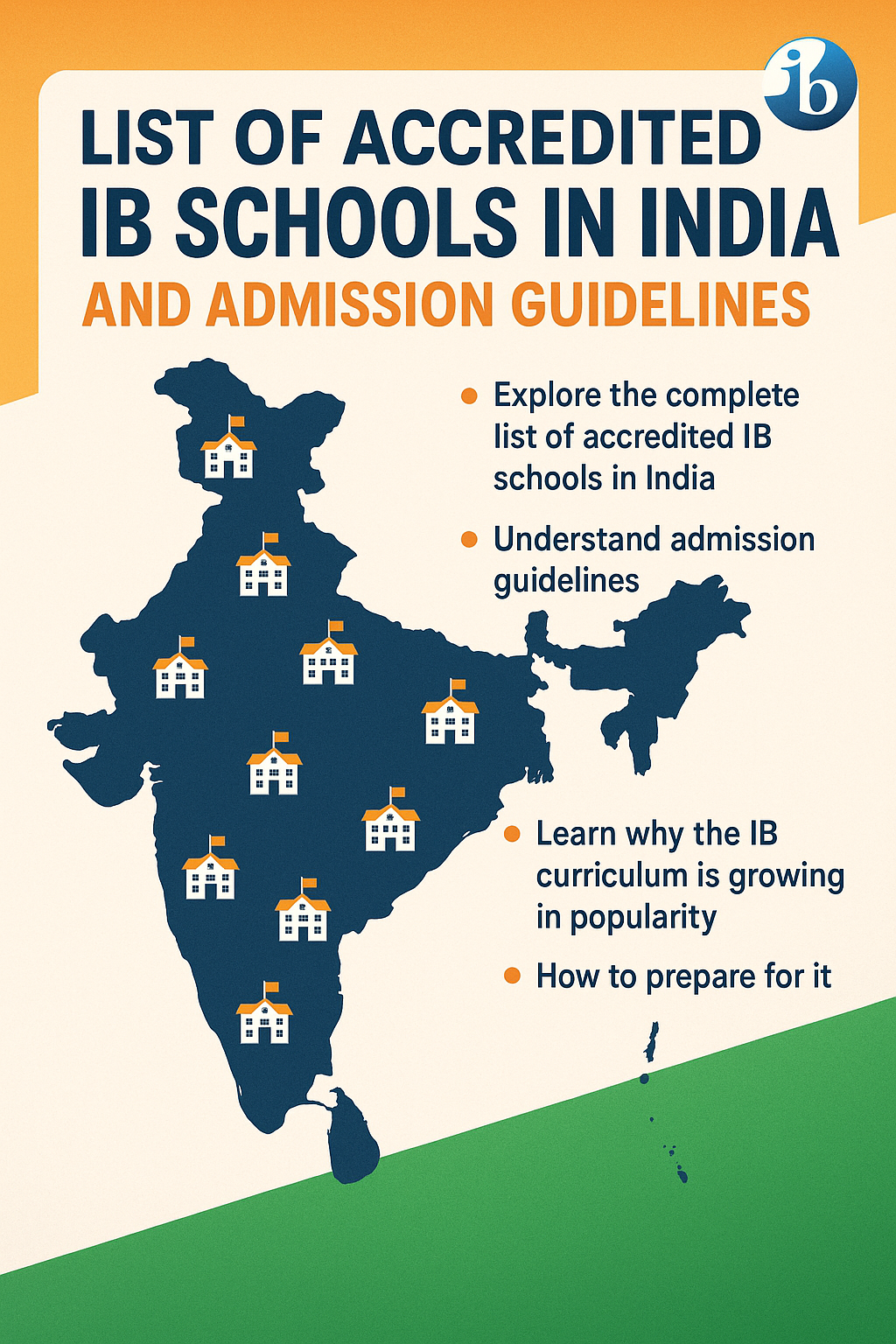
Explore the complete list of accredited IB schools in India and understand admission guidelines. Learn why the IB...

A complete guide for parents in Kolkata to understand the IB curriculum. Learn about PYP, MYP, IBDP stages,...

Discover the IB Diploma Programme curriculum, subject groups, core requirements, and benefits of IB. Learn how...

Thinking of joining the IB Programme? Learn about its rewards, challenges, and how AllRounder.ai can help you...

Discover the IB PYP curriculum framework, key learning areas, transdisciplinary themes, and how it nurtures lifelong...

Explore the IB syllabus structure, subject groups, and core components like TOK, CAS, and EE. A complete guide to IB...

Discover how the IB curriculum prepares students for Ivy League and top global universities. Explore skills,...

Explore how to choose IB subjects wisely. Learn about IB subject groups, HL vs SL, and combinations aligned with...
Understand the 10 IB Learner Profile attributes and why they matter in shaping global, future-ready students.

A detailed comparison of IB, CBSE, and ICSE boards. Learn about curriculum, teaching methods, and which board best...

Discover the IB Board – its global recognition, programs, and unique education philosophy.
Resources
-
Your complete JEE Advanced resource for eligibility, exam dates, syllabus, marks vs rank, and...
-
Understand the entire JEE Main process, from application and eligibility rules to the exam...
-

Explore the IB Board – a global curriculum emphasizing holistic, student-centered learning...
-

Learn about CBSE – India’s national school board offering a standardized curriculum, NCERT...
-

Explore everything about the ICSE board – its curriculum, subjects, exam format, and academic...