Professional Courses
Industry-relevant training in Business, Technology, and Design
Categories
Interactive Games
Fun games to boost memory, math, typing, and English skills
Typing
Memory
Math
English Adventures
Knowledge

How the IB Curriculum Progresses Across PYP, MYP, and DP

How the IB Curriculum Progresses Across PYP, MYP, and DP
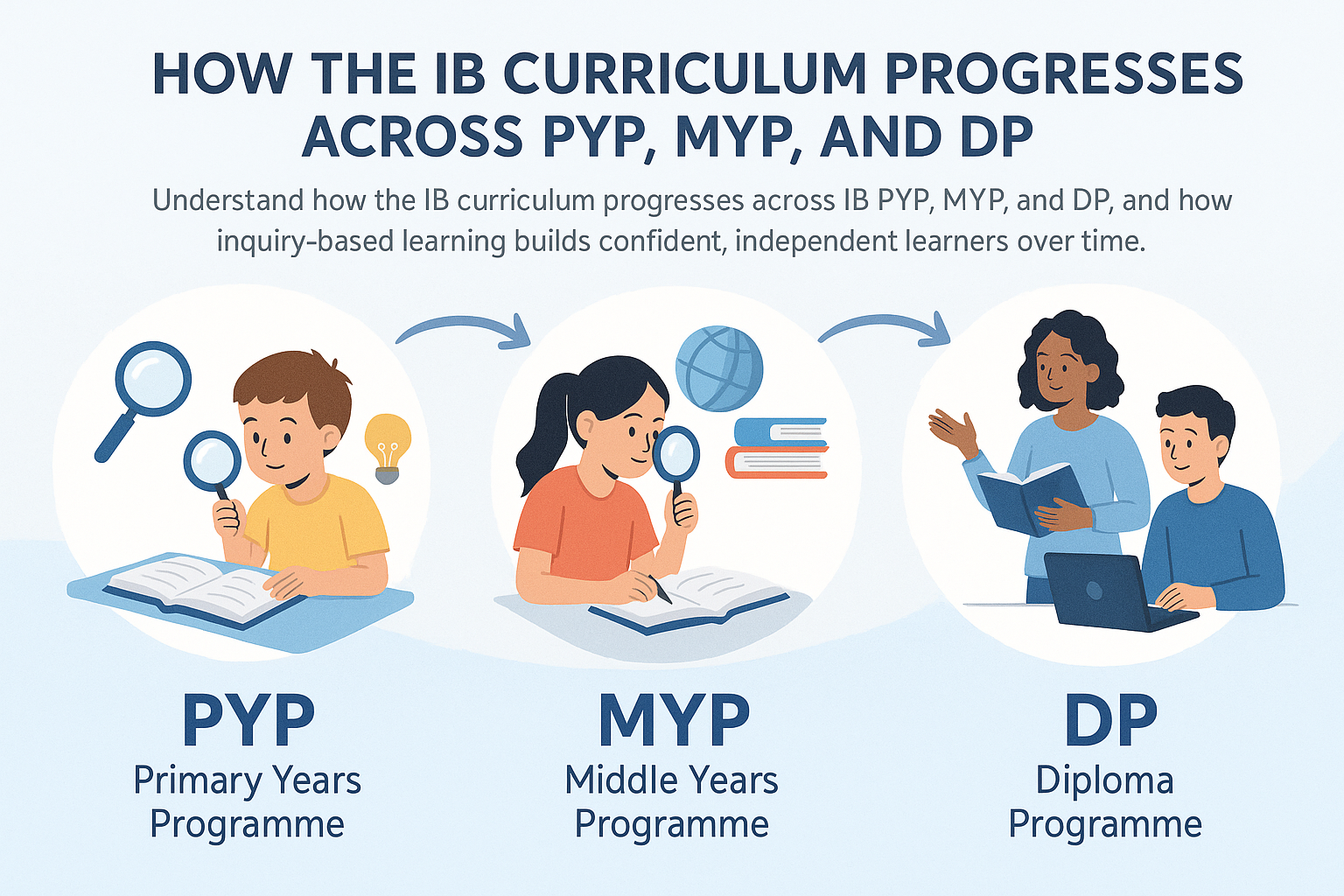
For parents and students exploring international education, the IB curriculum often stands out for its focus on inquiry, global thinking, and holistic development. One of the most common questions families have is how learning actually progresses across the different IB stages and whether these programmes truly connect with each other in a meaningful way.
The International Baccalaureate is not a collection of isolated programmes. It is a carefully designed continuum that supports a child’s intellectual, emotional, and academic growth from early childhood through pre-university years. Understanding how IB PYP, IB MYP, and IB DP build upon one another helps parents support learning with clarity and confidence. This guide explains how the IB curriculum evolves across these stages, what students gain at each level, and how the progression prepares learners for long-term success.
The IB Curriculum as a Connected Learning Journey
The IB curriculum is built around the idea that learning is developmental. Skills, attitudes, and habits introduced early are deepened and refined over time. Rather than repeating content in isolation, the IB focuses on strengthening thinking, inquiry, and reflection at every stage.
Across PYP, MYP, and DP, students consistently engage with concepts, questions, and real-world connections. This continuity ensures that learners are not starting over at each stage, but growing forward with confidence and purpose.
Inquiry as the Foundation of All IB Programmes
Inquiry based learning is the thread that connects all IB programmes. From the earliest years, students are encouraged to ask questions, explore ideas, and reflect on their understanding. As students mature, inquiry becomes more structured, analytical, and independent.
Parents often notice that IB learners explain their thinking clearly and question ideas thoughtfully. This is not accidental. It is the result of a curriculum that values how students learn as much as what they learn.
IB PYP: Laying the Foundations of Curiosity
The Primary Years Programme focuses on building curiosity, confidence, and a love for learning. Instead of separating subjects rigidly, learning is organized around broad themes that connect multiple disciplines.
Students explore topics through discussion, hands-on activities, storytelling, and reflection. Reading, writing, numeracy, and social skills develop naturally within meaningful contexts. Assessment focuses on growth and understanding rather than comparison.
Parents can explore the structure and philosophy of this stage in detail through the IB PYP curriculum primary years programme guide. At this level, success is defined by engagement, curiosity, and emerging independence.
How Skills Developed in PYP Prepare Students for MYP
By the end of PYP, students are comfortable asking questions, working collaboratively, and expressing ideas. These skills are essential for the next stage of the IB journey.
PYP learners enter MYP with confidence in discussion, openness to feedback, and an understanding that learning involves exploration. This smooth transition reduces academic shock and supports emotional readiness for more structured learning.
IB MYP: Building Thinkers and Innovators
The Middle Years Programme strengthens analytical thinking and real-world application. Subjects become more distinct, but interdisciplinary learning remains central. Students are encouraged to connect ideas across subjects and see how knowledge applies beyond the classroom.
Projects, investigations, and reflections become a key part of assessment. Students learn to research, plan, evaluate, and present their learning clearly. The emphasis is on understanding concepts deeply rather than memorizing facts.
Parents can understand how this stage shapes independent thinkers through IB MYP curriculum building thinkers and innovators. MYP prepares students not just academically, but mentally for higher-level challenges.
How MYP Develops Independence for the DP Stage
During MYP, students gradually take responsibility for their learning. They learn to manage deadlines, reflect on feedback, and set academic goals. These habits are critical for success in the Diploma Programme.
Students also become comfortable with complexity and ambiguity. They learn that there may not always be one correct answer, a mindset that is essential for advanced academic work.
IB DP: Academic Depth and Global Readiness
The Diploma Programme is the most academically demanding stage of the IB curriculum. Students study a range of subjects in depth while also engaging with core components that focus on research, reflection, and global awareness.
IB DP encourages students to think critically, manage time effectively, and balance academic rigor with personal growth. Assessment includes internal and external evaluations that test both knowledge and understanding.
Parents looking for clarity on subject options and benefits can explore the IBDP curriculum subjects benefits guide. This stage prepares students for university and beyond by developing independence and resilience.
Understanding the Demands and Rewards of IB DP
The IB DP is demanding because it requires sustained effort and self-management. However, it is equally rewarding because students develop strong research skills, communication abilities, and confidence.
Parents can gain insight into what students experience during this phase through the IB programme guide for students demands and rewards. Understanding these demands helps parents provide emotional support without undermining independence.
Key Learning Areas Across the IB Continuum
Across all stages, the IB curriculum emphasizes balanced development. Students engage with languages, mathematics, sciences, humanities, arts, and personal development in age-appropriate ways.
These learning areas are revisited at increasing levels of complexity as students progress. A detailed explanation of how these areas connect is provided in the IB syllabus key learning areas breakdown. This continuity supports deep understanding and skill transfer.
Assessment Progression From PYP to DP
Assessment evolves significantly across the IB stages. In PYP, assessment is formative and descriptive. In MYP, it becomes more criterion based and reflective. In DP, it includes formal examinations alongside internal assessments.
This gradual progression ensures students are not overwhelmed by exams suddenly. Instead, they develop assessment literacy over time, learning how to demonstrate understanding confidently.
The Role of Parents Across Different IB Stages
Parental involvement changes as students move through the IB continuum. In PYP, parents are active partners who support exploration and curiosity. In MYP, parents guide organization and reflection. In DP, parents provide emotional support and trust.
Understanding when to step in and when to step back is essential. The IB curriculum works best when students feel supported but not controlled.
Supporting IB Learners With Structured Tools
Structured academic support can help parents stay informed without micromanaging. Platforms like AllRounder.ai offer curriculum-aligned explanations, progress tracking, and guided practice that complement inquiry-based learning.
Parents can explore IB-specific pathways through IB courses while allowing students to maintain ownership of learning.
Practice and Familiarity Across IB Stages
While inquiry is central, practice remains important, especially in MYP and DP. Regular low-pressure practice helps students apply concepts confidently.
Tools such as practice tests help students become familiar with expectations without increasing anxiety. Practice supports confidence rather than competition.
Balancing Learning With Play and Well-Being
The IB curriculum emphasizes well-being alongside academics. Creativity, physical activity, and play support cognitive flexibility and emotional balance.
Exploratory learning through interactive learning games helps students relax while staying mentally engaged. Balance improves long-term learning quality.
How IB Progression Compares With Other Boards
Parents often compare IB with national boards to understand long-term suitability. Each board has strengths, and the right choice depends on learning style.
Parents can gain perspective through IB vs CBSE vs ICSE right fit learning style. Understanding differences helps families make informed decisions rather than focusing on perceived difficulty.
Supporting IB Learners Across Grades
As students move through grades, academic needs evolve. Middle school learners benefit from structured guidance through Grade 8 courses and Grade 9 courses. Senior students preparing for transitions benefit from Grade 10 courses, Grade 11 courses, and Grade 12 courses.
Age-appropriate support ensures continuity without pressure.
The Long-Term Impact of the IB Continuum
Students who move through the full IB continuum develop strong academic foundations, emotional resilience, and global awareness. They are comfortable with inquiry, reflection, and independent learning.
These skills extend far beyond school into university, careers, and life. IB learners are prepared not just to succeed academically, but to adapt thoughtfully in a changing world.
Helping Children Thrive Across the IB Journey
Understanding how the IB curriculum progresses helps parents trust the process. Each stage prepares students for the next, building skills gradually and meaningfully.
Parents do not need to master the curriculum. They need to support curiosity, encourage reflection, and respect growing independence. With the right balance of guidance and trust, IB learners thrive.
IB Progression Is About Growth, Not Speed
The IB curriculum is not about racing ahead. It is about growing deeper. Each stage builds on the last, developing learners who think critically, act responsibly, and learn independently.
When parents understand this progression, they can support their children with confidence and patience. The IB journey then becomes not just an academic pathway, but a powerful foundation for lifelong learning.
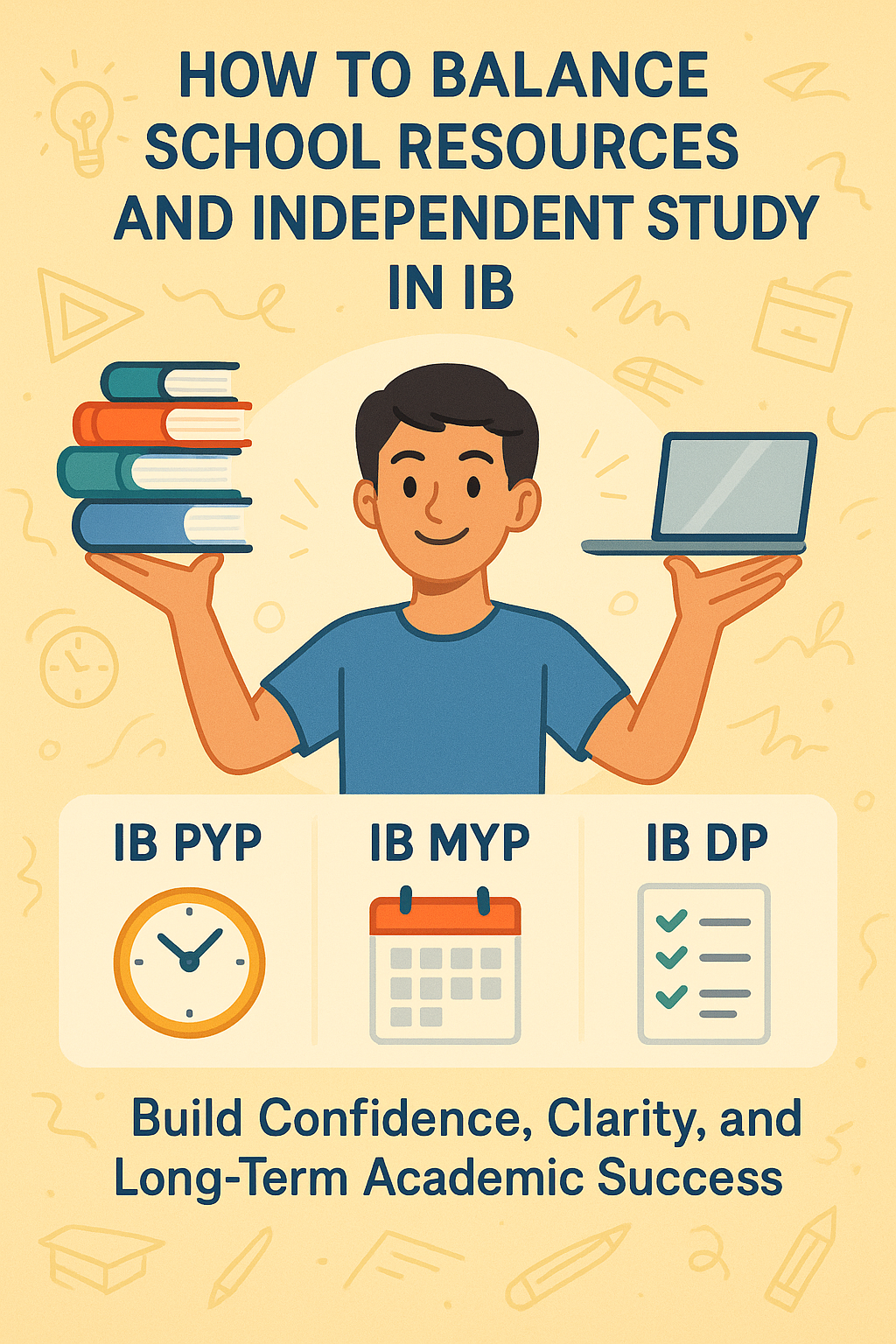
Learn how IB students can balance school resources and independent study across IB PYP, MYP, and DP to build...
Learn how parents can identify quality academic support for IB learners that aligns with IB PYP, MYP, and DP values...
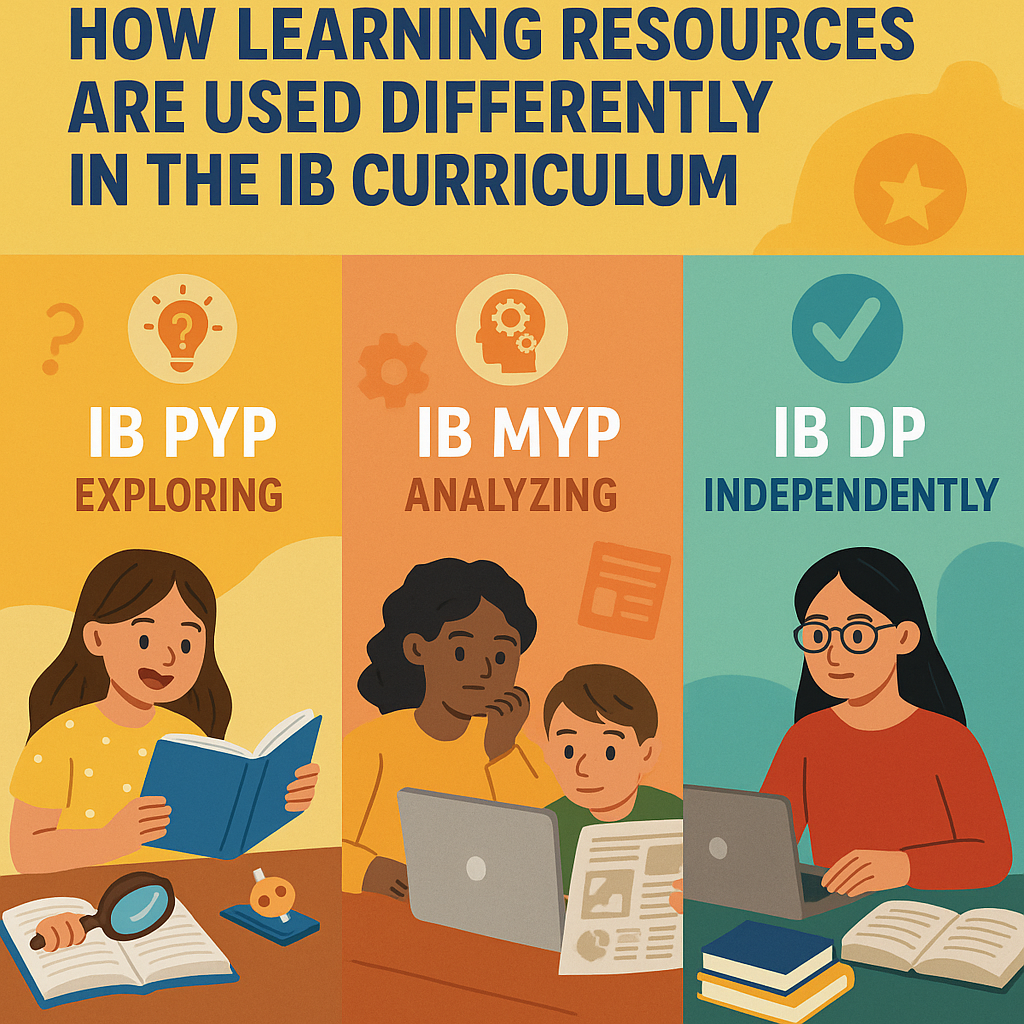
Discover how learning resources are used differently in the IB curriculum and how IB PYP, MYP, and DP students...
Learn how the IB curriculum helps students develop strong research and writing skills across IB PYP, MYP, and DP,...
Discover why reflection is a core skill in the IB education system and how it supports independent thinking,...
Learn how parents can support IB students across IB PYP, MYP, and DP without micromanaging, while building...
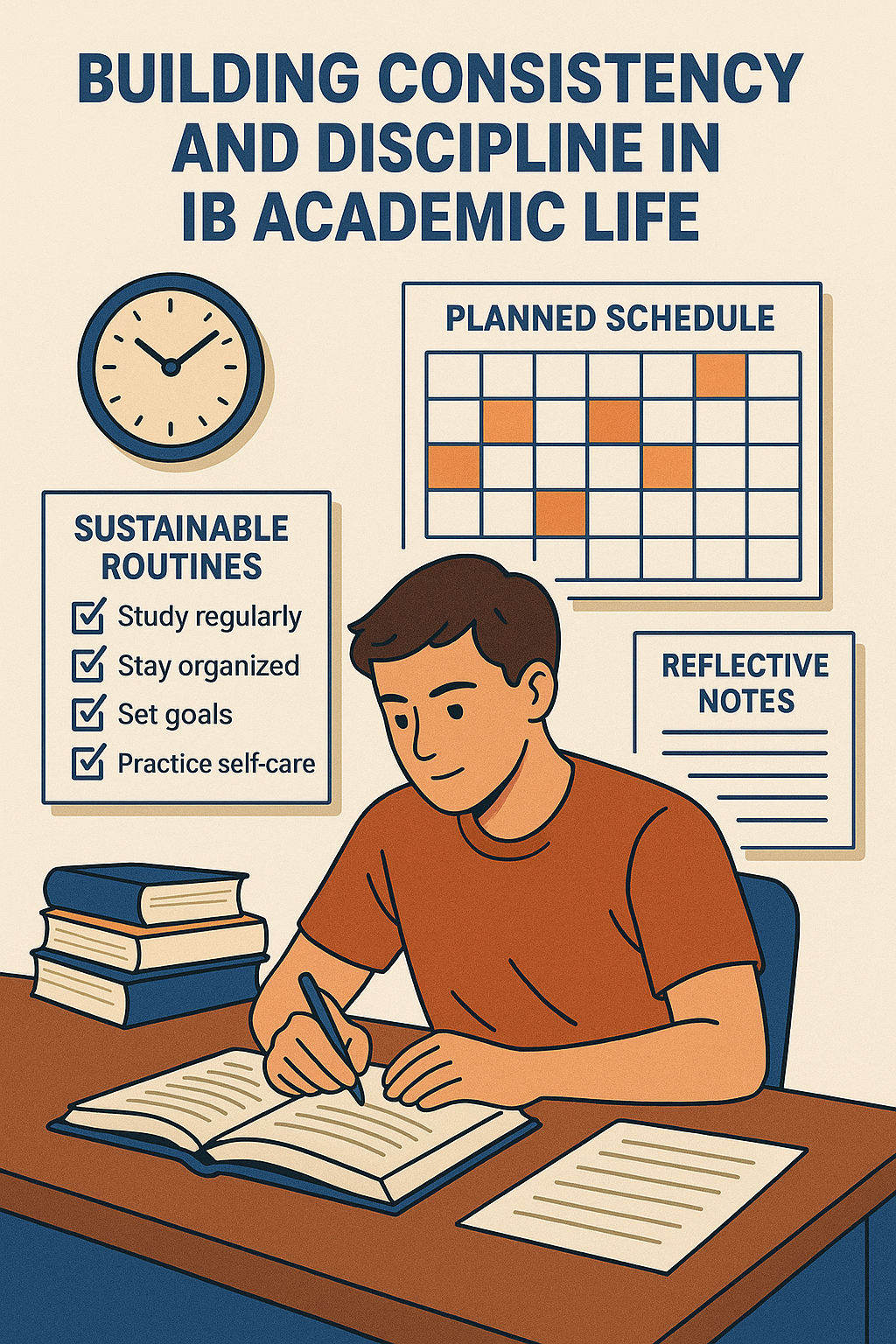
Learn how IB students can build consistency and discipline through sustainable routines, reflective habits, and...
Discover how the IB curriculum teaches students effective time management and academic planning skills that support...
Learn how IB students can avoid burnout while managing coursework by building balanced routines, aligning study...
Discover study habits that align with the IB curriculum and help students succeed through inquiry-based learning,...
Learn how the IB curriculum builds strong research and reading habits through inquiry-based learning, reflection,...
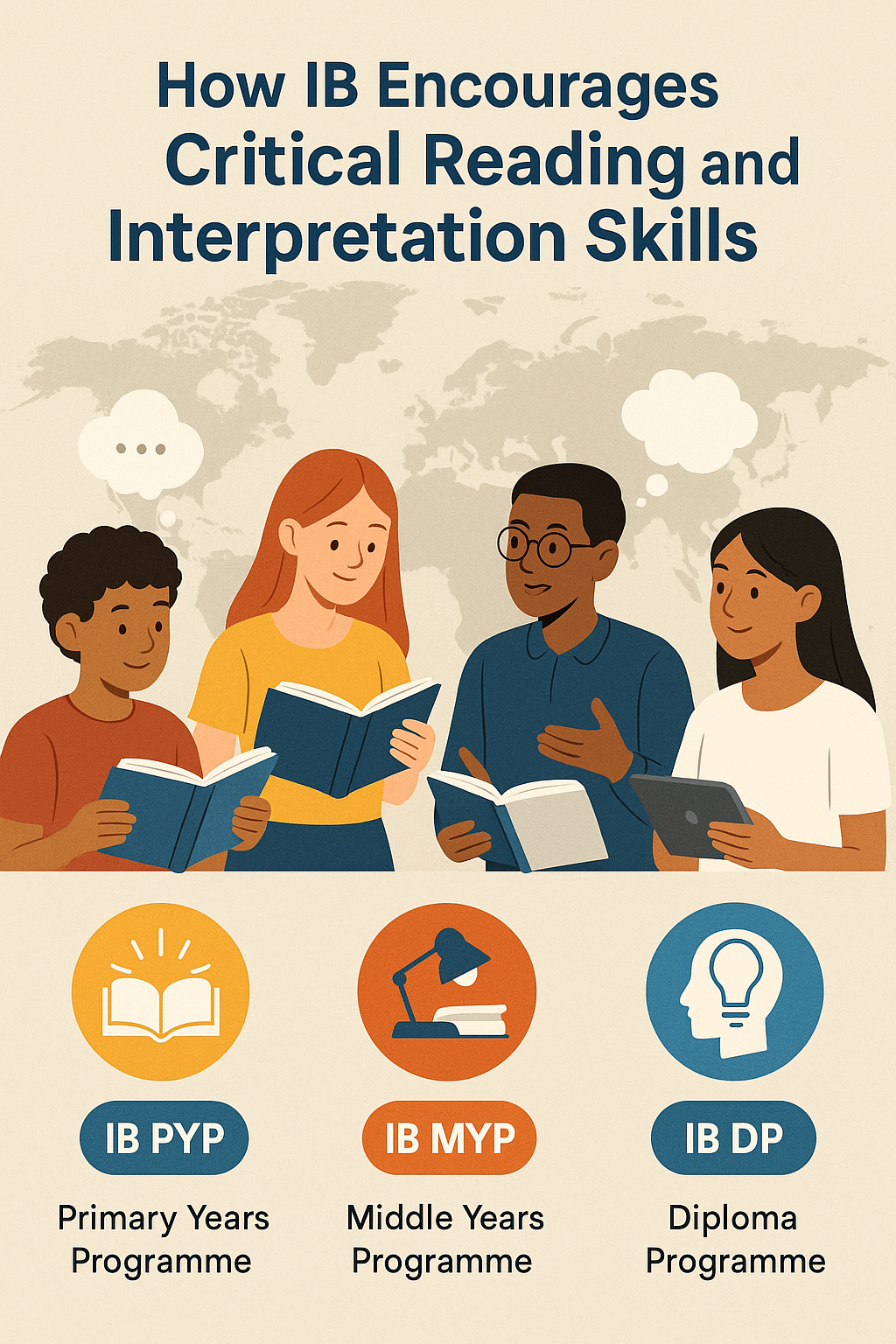
Discover how the IB syllabus builds strong critical reading and interpretation skills through inquiry-based...
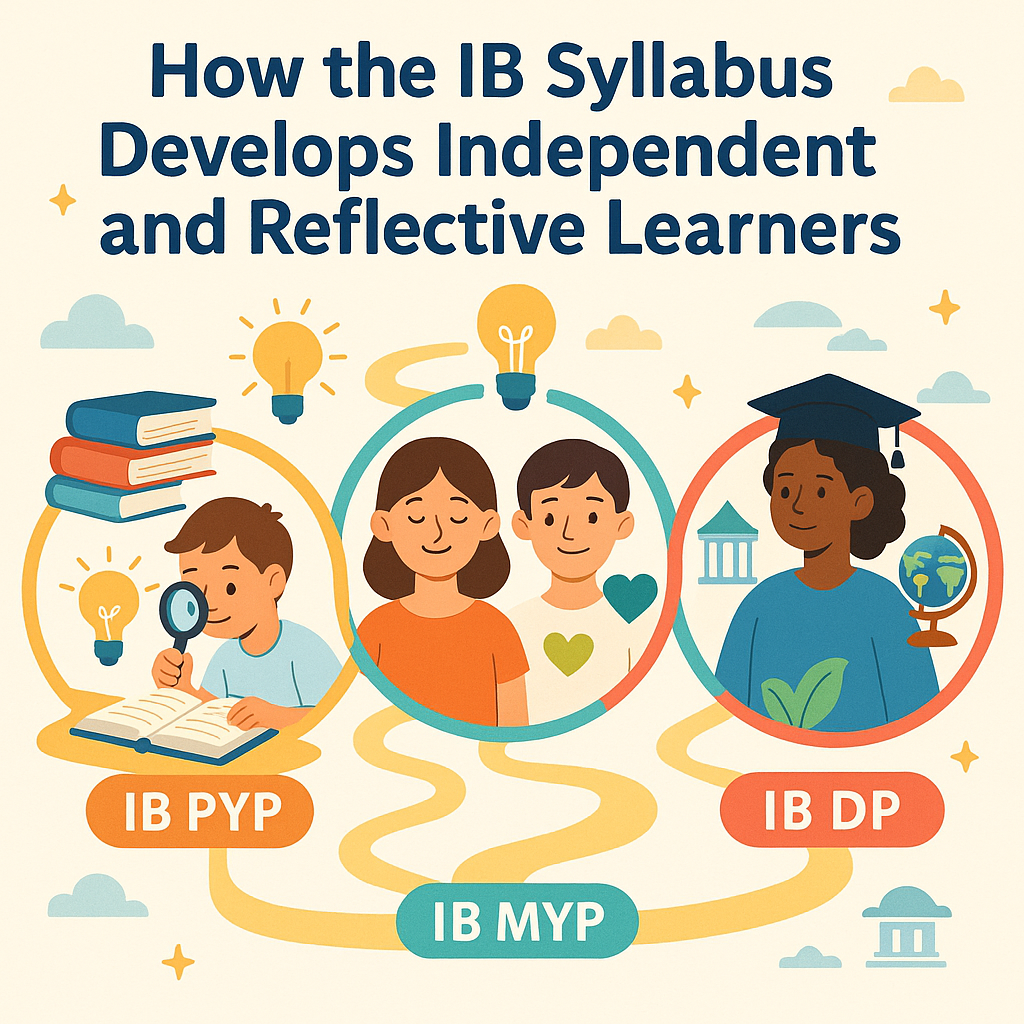
Discover how the IB syllabus builds independent and reflective learners through inquiry-based learning, emotional...
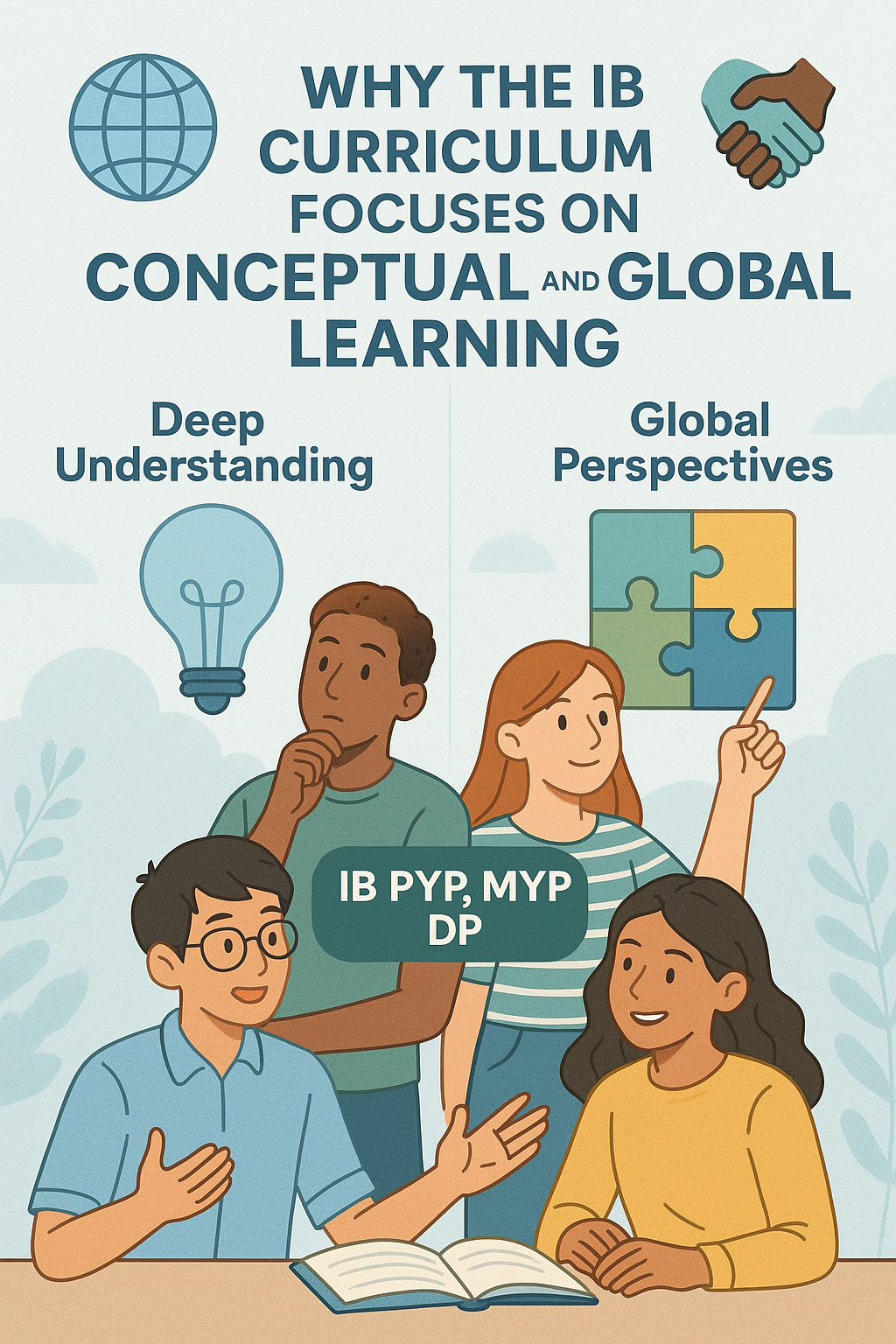
Learn why the IB curriculum focuses on conceptual and global learning, how IB PYP, MYP, and DP develop deep...
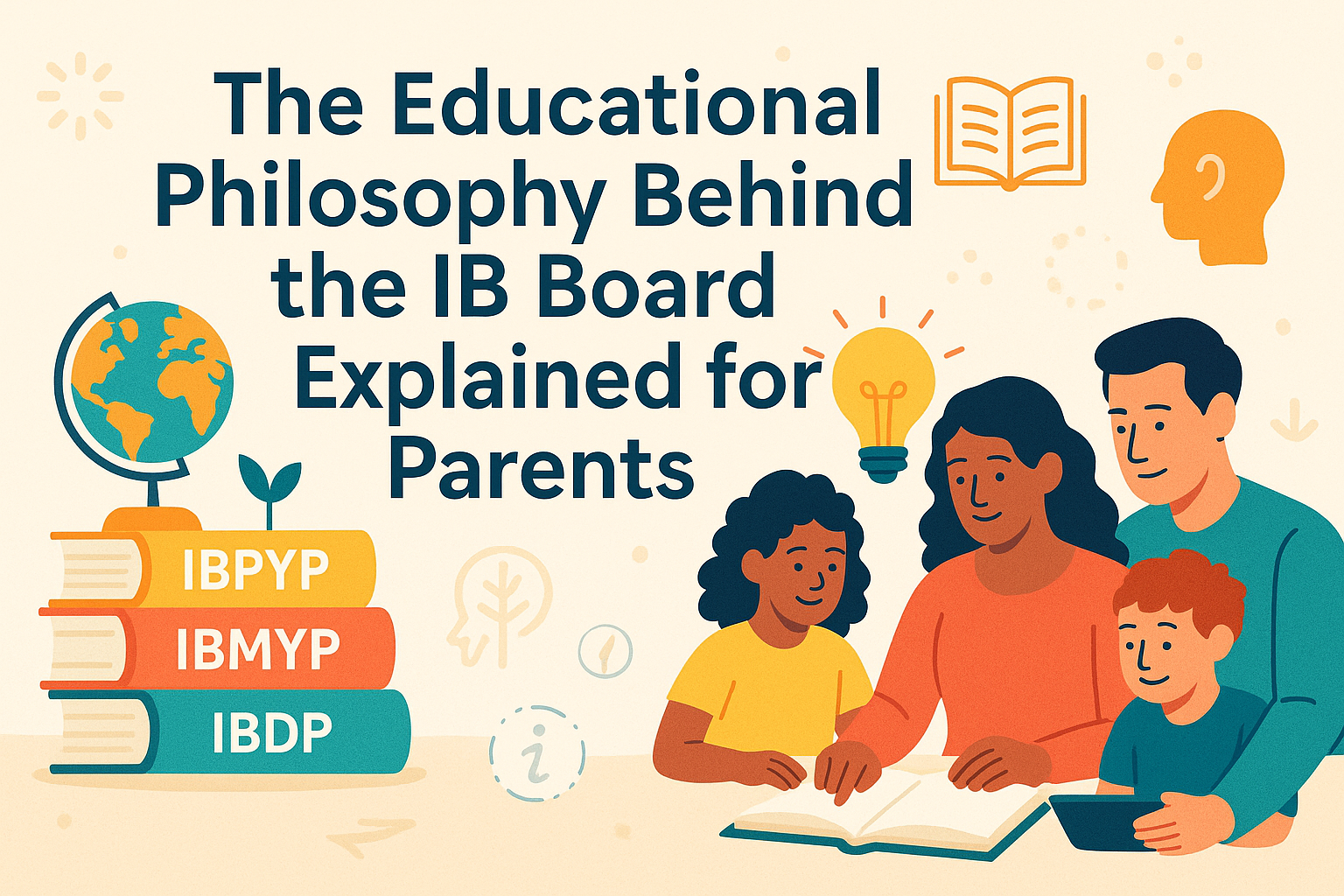
Understand the educational philosophy behind the IB board, including IB PYP, MYP, and DP, and learn how IB learning...
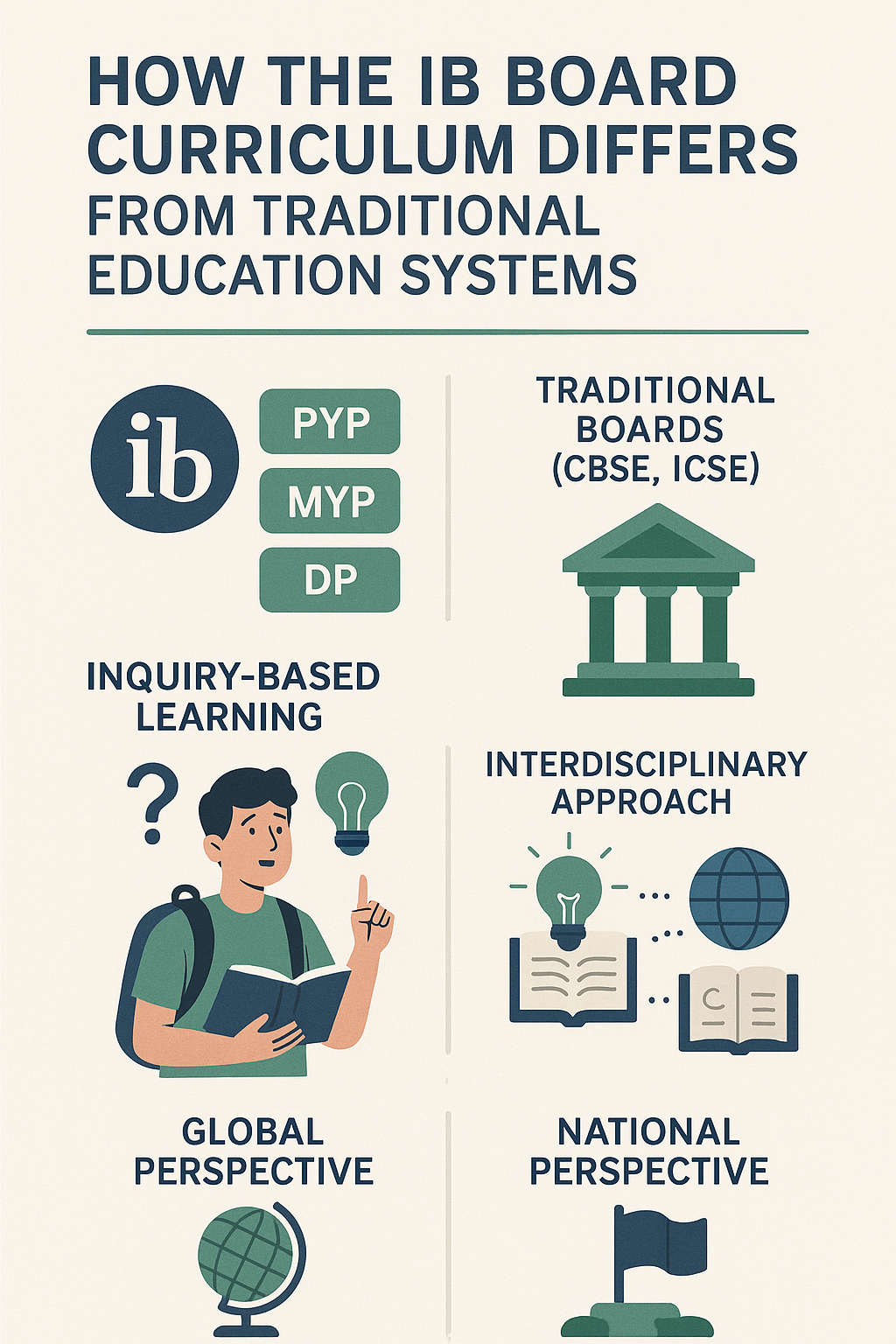
Explore how the IB board curriculum differs from traditional education systems like CBSE and ICSE, and understand IB...
Understand how the IB curriculum progresses across IB PYP, MYP, and DP, and how inquiry-based learning builds...
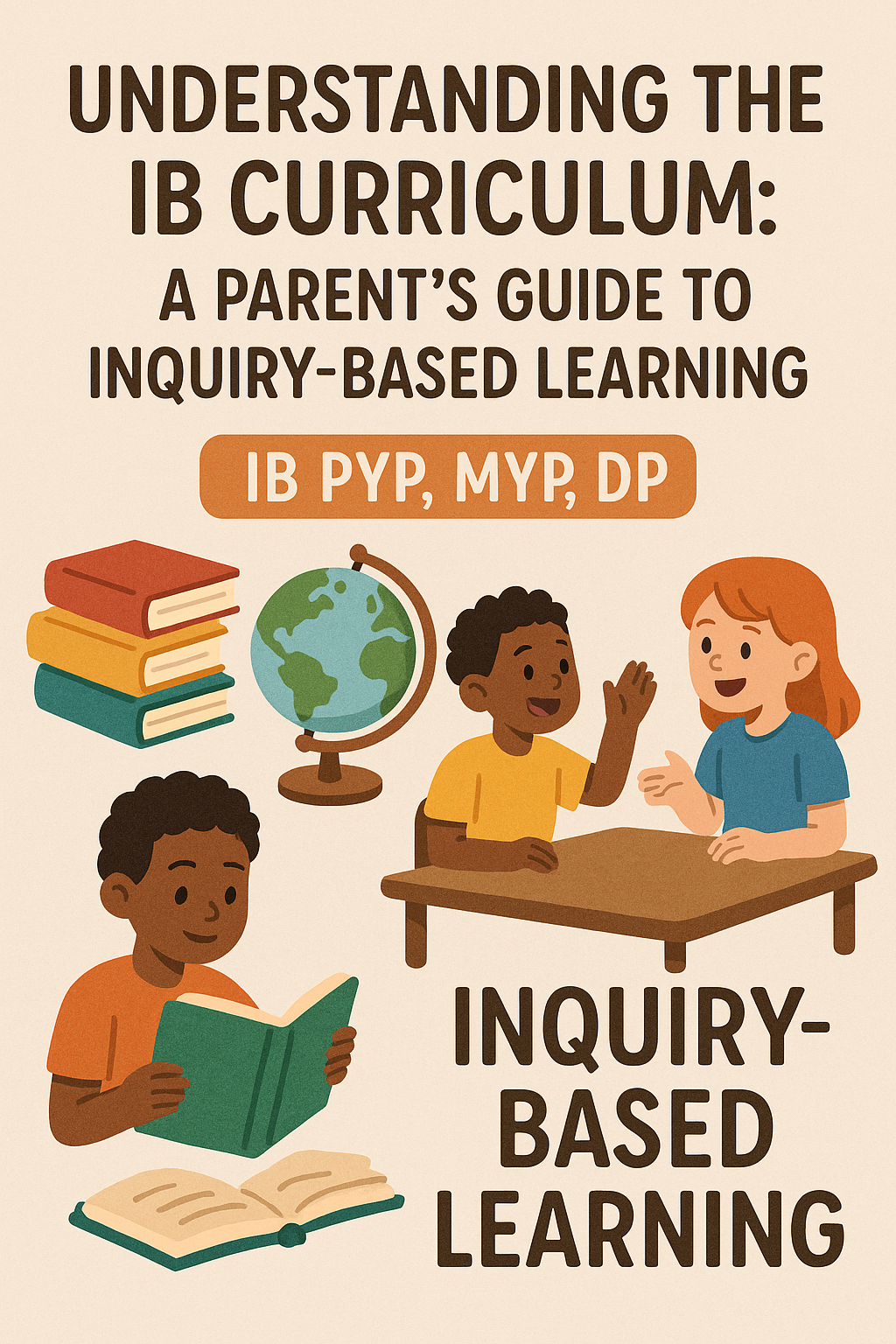
A parent friendly guide to understanding the IB curriculum, IB PYP, MYP, and DP, and how inquiry based learning...
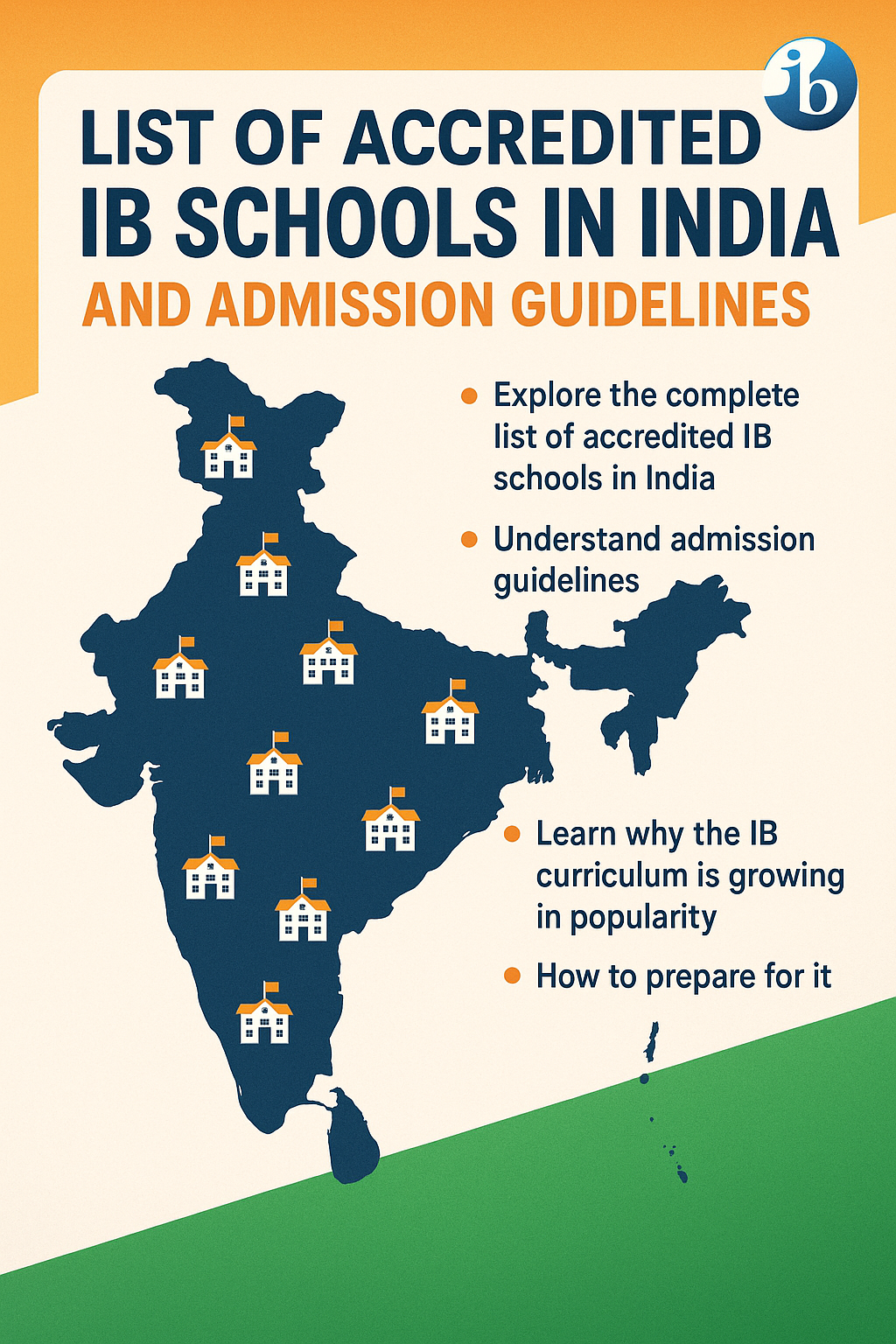
Explore the complete list of accredited IB schools in India and understand admission guidelines. Learn why the IB...

A complete guide for parents in Kolkata to understand the IB curriculum. Learn about PYP, MYP, IBDP stages,...

Discover the IB Diploma Programme curriculum, subject groups, core requirements, and benefits of IB. Learn how...

Thinking of joining the IB Programme? Learn about its rewards, challenges, and how AllRounder.ai can help you...

Discover the IB PYP curriculum framework, key learning areas, transdisciplinary themes, and how it nurtures lifelong...

Explore the IB syllabus structure, subject groups, and core components like TOK, CAS, and EE. A complete guide to IB...

Discover how the IB curriculum prepares students for Ivy League and top global universities. Explore skills,...

Explore how to choose IB subjects wisely. Learn about IB subject groups, HL vs SL, and combinations aligned with...

Understand the 10 IB Learner Profile attributes and why they matter in shaping global, future-ready students.

A detailed comparison of IB, CBSE, and ICSE boards. Learn about curriculum, teaching methods, and which board best...

Discover the IB Board – its global recognition, programs, and unique education philosophy.
Resources
-
Your complete JEE Advanced resource for eligibility, exam dates, syllabus, marks vs rank, and...
-
Understand the entire JEE Main process, from application and eligibility rules to the exam...
-

Explore the IB Board – a global curriculum emphasizing holistic, student-centered learning...
-

Learn about CBSE – India’s national school board offering a standardized curriculum, NCERT...
-

Explore everything about the ICSE board – its curriculum, subjects, exam format, and academic...