Professional Courses
Industry-relevant training in Business, Technology, and Design
Categories
Interactive Games
Fun games to boost memory, math, typing, and English skills
Typing
Memory
Math
English Adventures
Knowledge

How IB Helps Students Develop Strong Research and Writing Skills

How IB Helps Students Develop Strong Research and Writing Skills
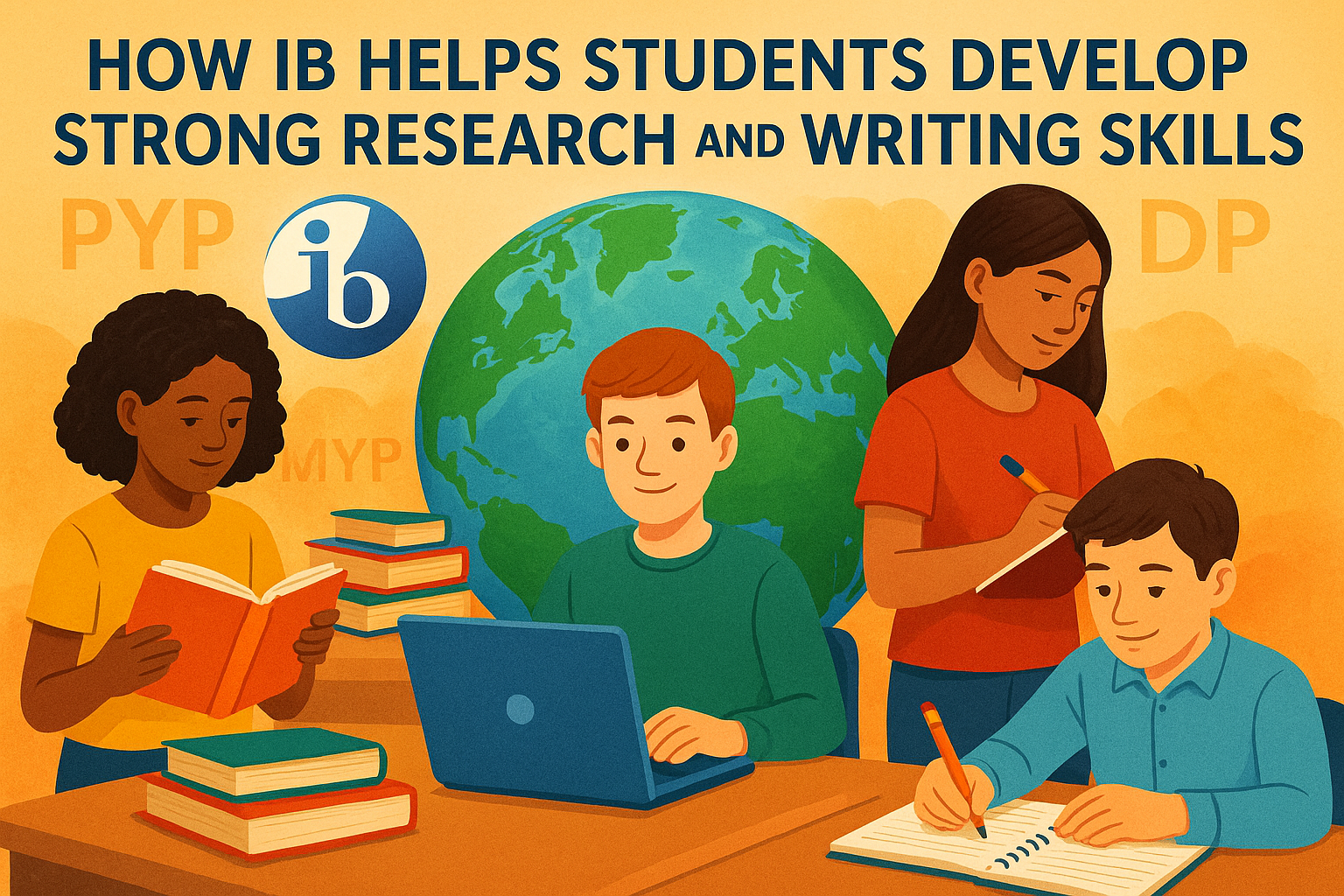
Strong research and writing skills are no longer optional for academic success. From school assessments to university coursework and professional communication, the ability to research independently and express ideas clearly plays a defining role. One of the most distinctive strengths of the International Baccalaureate education system is how intentionally it builds these skills over time. Unlike systems that introduce research and writing seriously only in higher grades, the IB curriculum integrates them from the earliest years.
Across the IB PYP, IB MYP, and IB DP stages, students are gradually trained to ask meaningful questions, evaluate sources, organise ideas, and communicate arguments with clarity and depth. This structured progression prepares students not just for exams, but for lifelong learning. Understanding how IB nurtures research and writing helps parents and students appreciate why IB learners often adapt so well to university-level expectations.
Why Research and Writing Matter in Modern Education
Research and writing go beyond academic performance. They teach students how to think critically, analyse information, and articulate viewpoints responsibly. In an age of unlimited information, the ability to distinguish credible sources from unreliable ones is essential.
Writing, meanwhile, helps students clarify thoughts, structure reasoning, and communicate persuasively. Students who develop these skills early gain confidence across subjects. The IB curriculum recognises this and treats research and writing as core competencies rather than isolated tasks.
The IB Philosophy Behind Research and Writing
The IB curriculum is built on inquiry-based learning. Instead of memorising information, students are encouraged to explore questions, investigate perspectives, and reflect on findings. Research and writing naturally emerge from this process.
The IB values depth over surface-level coverage. Students are taught to explore fewer topics more deeply, which requires reading, questioning, evaluating evidence, and presenting conclusions clearly. Parents who want a broader understanding of this approach can explore the IB curriculum guide for parents, which explains how inquiry drives learning across all IB programmes.
Early Foundations in the IB Primary Years Programme
In the IB PYP, research and writing begin in age-appropriate ways. Young learners are encouraged to ask questions, observe their surroundings, and share ideas through discussions, drawings, and simple written reflections.
At this stage, research may involve exploring a topic through stories, visuals, or guided activities. Writing focuses on expressing thoughts rather than perfection. This builds confidence and curiosity. Students learn that their ideas matter and that learning is an active process. Parents interested in how these foundations are built can refer to the IB PYP curriculum primary years programme guide.
Developing Structure and Expression in IB MYP
The IB Middle Years Programme introduces more formal research and writing expectations. Students begin working on structured projects, subject-specific investigations, and reflective writing tasks.
They learn how to gather information from multiple sources, take notes, and organise ideas logically. Writing becomes more analytical, with emphasis on explanation and justification. Teachers guide students to support opinions with evidence rather than personal preference. This stage is critical in shaping academic discipline and clarity of expression.
Research as a Skill, Not an Assignment
One of the biggest differences between IB and traditional systems is that research is treated as a skill to be developed, not a one-time task. Students are taught how to ask researchable questions, refine them, and evaluate information critically.
This approach reduces dependence on memorised content and encourages independent thinking. Students learn that good research begins with curiosity and careful questioning. Understanding the expectations at different stages is easier when parents explore the IB programme guide for students demands and rewards.
Writing as a Process in the IB Curriculum
In the IB system, writing is not treated as a final product alone. The process matters just as much as the outcome. Students draft, revise, reflect, and improve their work based on feedback.
This iterative approach teaches students patience and resilience. They learn that strong writing develops over time. Feedback is seen as guidance rather than criticism. This mindset prepares students for higher education, where rewriting and refining ideas are essential skills.
Research and Writing in the IB Diploma Programme
The IB DP represents the most intensive phase of research and writing development. Students engage in extended written tasks that demand planning, critical evaluation, and academic honesty.
Key components such as internal assessments, subject essays, and independent projects require students to formulate arguments and support them with evidence. The expectations of this stage are explained in detail in the IBDP curriculum subjects and benefits guide. By the time students complete IB DP, they are well prepared for university-level research writing.
Understanding the IB Syllabus and Writing Expectations
The IB syllabus across subjects is designed to encourage analytical and written expression. Whether students study sciences, humanities, or languages, they are required to explain reasoning, interpret data, and communicate findings clearly.
Writing tasks are aligned with subject goals rather than generic formats. Parents who want insight into how writing is embedded across subjects can explore the IB syllabus key learning areas breakdown. This clarity helps families support students effectively.
How IB Teaches Source Evaluation and Academic Integrity
A crucial part of IB research training is learning how to evaluate sources. Students are taught to question credibility, bias, and relevance. They learn proper citation methods and understand the importance of academic honesty.
This early exposure reduces plagiarism and builds ethical research habits. Students learn to respect intellectual property and take responsibility for their work. These skills are essential for academic and professional success beyond school.
Writing Across Subjects Builds Versatility
IB students write across disciplines, not just in language classes. Science investigations, humanities essays, reflective journals, and project reports all require written expression.
This cross-disciplinary writing builds versatility. Students learn to adjust tone, structure, and style depending on the subject. This adaptability strengthens communication skills and prepares students for varied academic contexts.
How IB Builds Confidence Through Writing
Many students initially feel intimidated by writing tasks. The IB approach gradually builds confidence by offering support, feedback, and clear criteria.
As students see improvement over time, they gain confidence in their ability to express ideas. Writing becomes a tool for thinking rather than a source of anxiety. This confidence often extends to presentations, discussions, and collaborative work.
Research and Writing Beyond the Classroom
IB research and writing skills extend beyond academics. Students learn to analyse real-world issues, evaluate perspectives, and propose solutions. Writing becomes a way to engage with global topics and ethical questions.
This broader application aligns with the IB goal of developing informed and responsible global citizens. Reflection and analysis help students connect learning to real life.
Supporting IB Research Skills With the Right Resources
Structured learning resources can reinforce IB research and writing expectations. Platforms offering IB-aligned content provide clarity and guidance without replacing independent effort.
Students following the IB curriculum can benefit from IB courses that support conceptual understanding and skill development. For families navigating multiple curricula, resources such as CBSE courses and ICSE courses offer structured academic alignment.
Grade Wise Development of Writing Skills
Research and writing skills evolve with age. Younger students focus on expression and curiosity, while older students develop analytical depth and academic tone.
Grade-specific learning pathways such as Grade 8 courses, Grade 9 courses, Grade 10 courses, Grade 11 courses, and Grade 12 courses support this progression by aligning expectations with developmental stages.
Practice and Feedback Strengthen Writing Skills
Consistent practice helps students refine research and writing techniques. Exposure to different question types and assessment formats builds familiarity and confidence.
Using tools such as practice tests helps students understand how writing is evaluated and how arguments are structured under time constraints. Practice turns feedback into improvement rather than stress.
Interactive Learning and Skill Development
Engaging learning experiences also support research and writing indirectly. Games and interactive tasks encourage strategic thinking, reflection, and decision-making.
Educational tools like learning games provide low-pressure environments where students analyse outcomes and articulate strategies, reinforcing thinking skills that support academic writing.
Preparing for University Through IB Research and Writing
Universities consistently recognise IB students for their readiness to handle academic writing and research. The IB curriculum mirrors university expectations by emphasising independent inquiry, structured arguments, and reflective thinking.
Students accustomed to research writing adapt more easily to essays, reports, and dissertations in higher education. The long-term advantages of this preparation are explored in the IB curriculum university preparation guide.
How Parents Can Support Research and Writing at Home
Parents can support IB research and writing skills by encouraging curiosity and discussion rather than focusing solely on grades. Asking children about their ideas and reasoning reinforces confidence.
Providing a quiet space for reading and writing, respecting the drafting process, and valuing effort over perfection creates a supportive environment. Parents do not need to be subject experts to encourage strong thinking and expression.
Research and Writing as Lifelong Skills
The most valuable outcome of IB research and writing training is that it prepares students for life beyond school. These skills support problem-solving, decision-making, and effective communication in any field.
Students learn to question information, articulate perspectives, and engage thoughtfully with the world. These abilities remain relevant long after exams are over.
Final Thoughts on IB and Skill Development
The IB education system does more than prepare students academically. It equips them with research and writing skills that shape confident, independent, and reflective learners. By integrating inquiry, evaluation, and expression from an early age, the IB curriculum builds a strong foundation for university and beyond.
When supported with the right resources and encouragement, IB students develop the ability to research deeply, write clearly, and think critically. These skills empower them not only to succeed academically but also to navigate complex challenges throughout life.
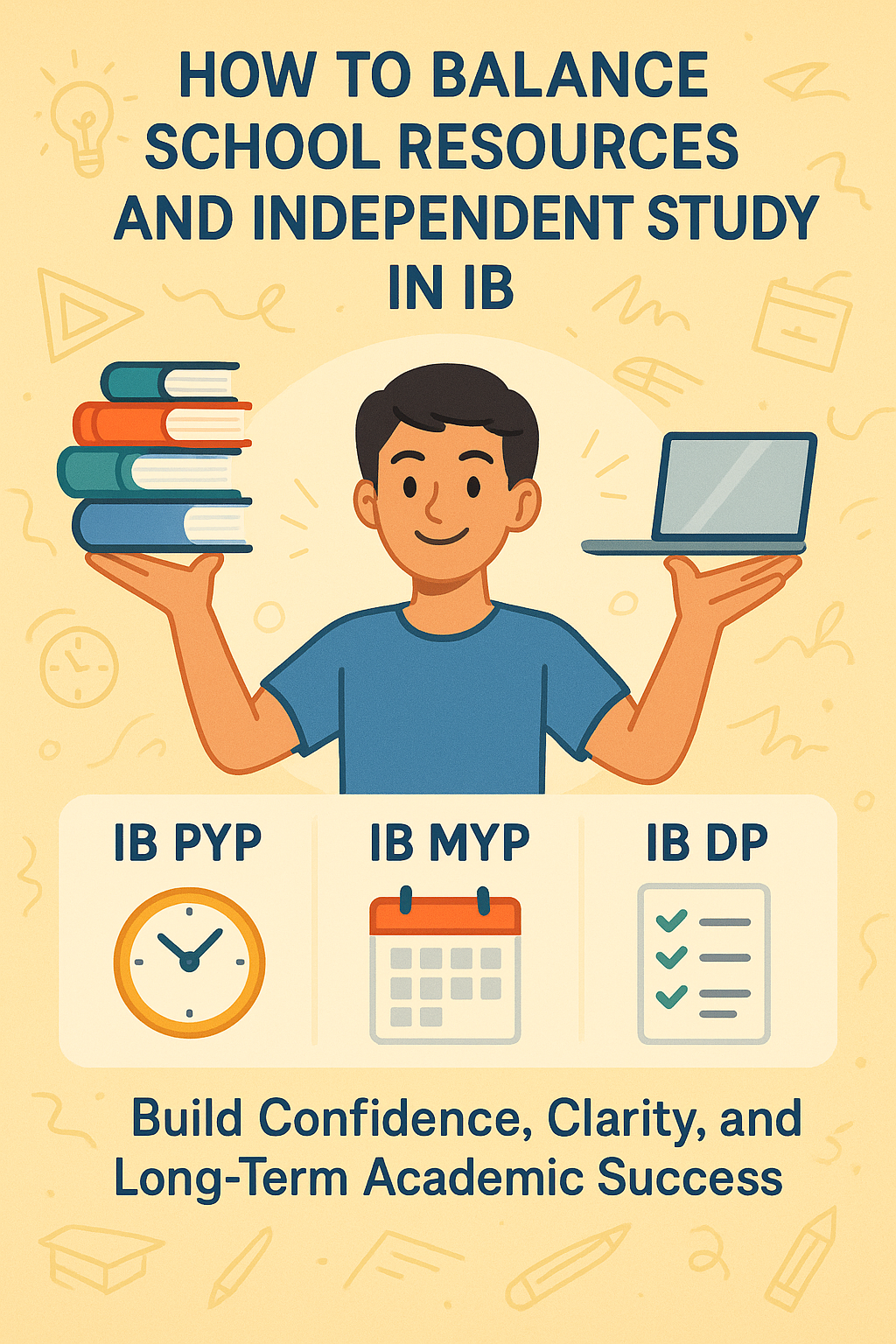
Learn how IB students can balance school resources and independent study across IB PYP, MYP, and DP to build...
Learn how parents can identify quality academic support for IB learners that aligns with IB PYP, MYP, and DP values...
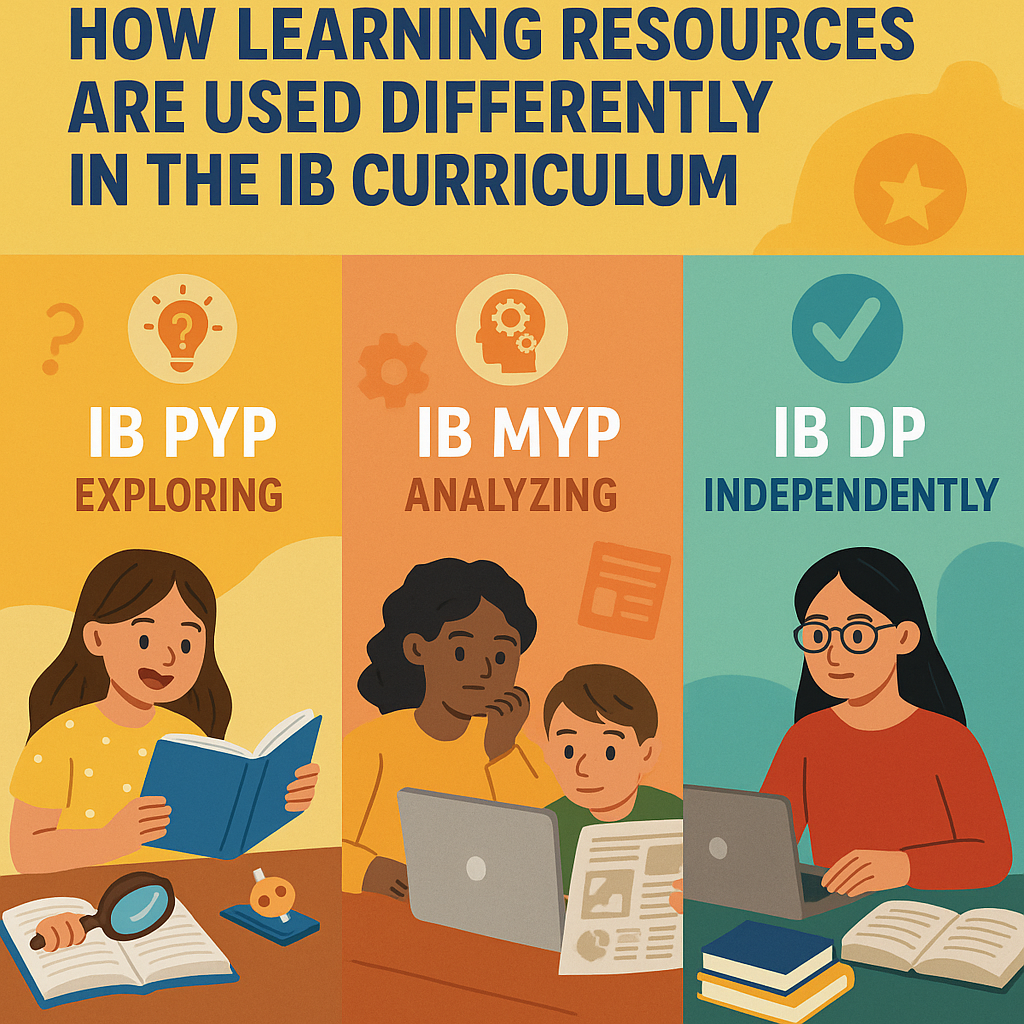
Discover how learning resources are used differently in the IB curriculum and how IB PYP, MYP, and DP students...
Learn how the IB curriculum helps students develop strong research and writing skills across IB PYP, MYP, and DP,...
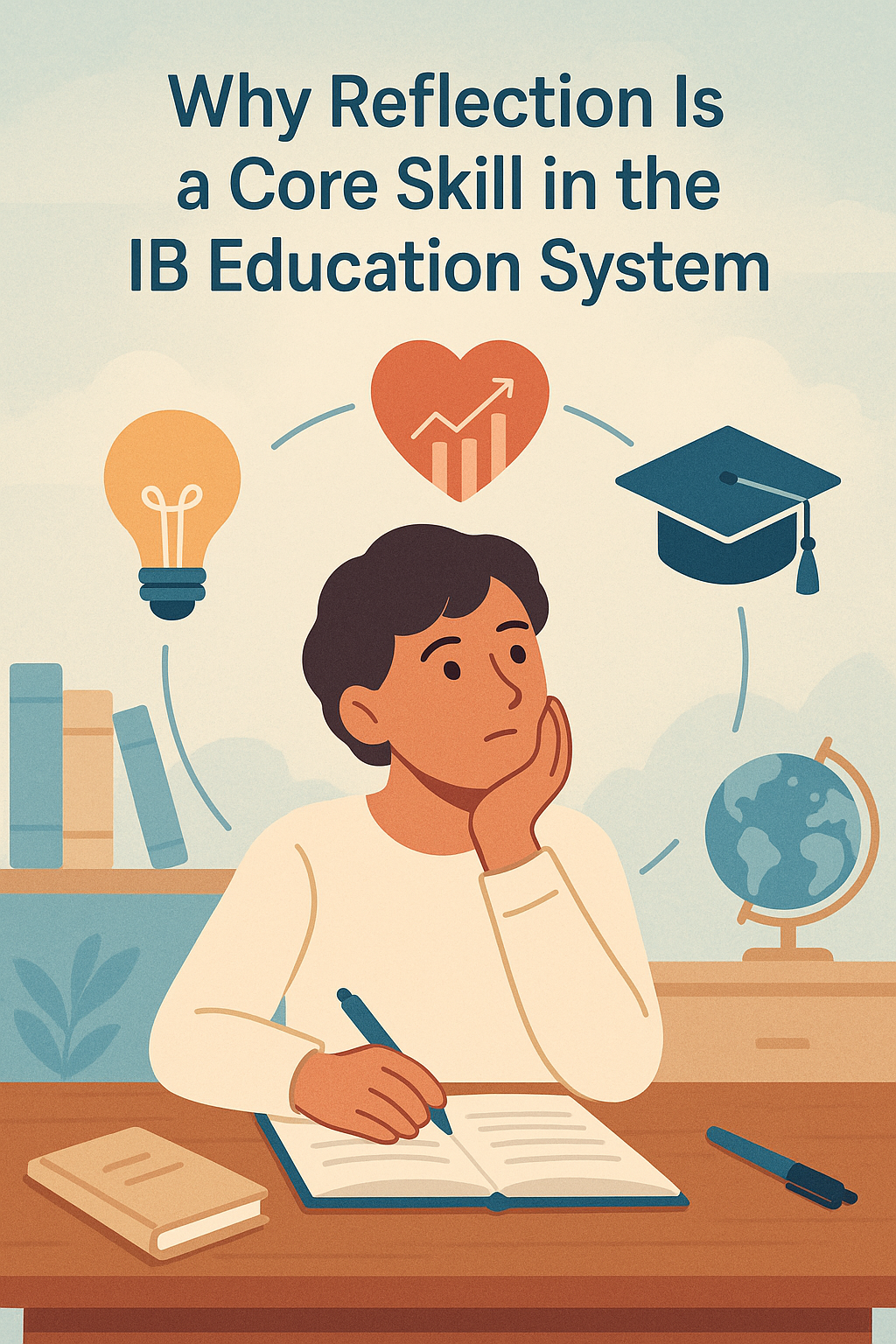
Discover why reflection is a core skill in the IB education system and how it supports independent thinking,...
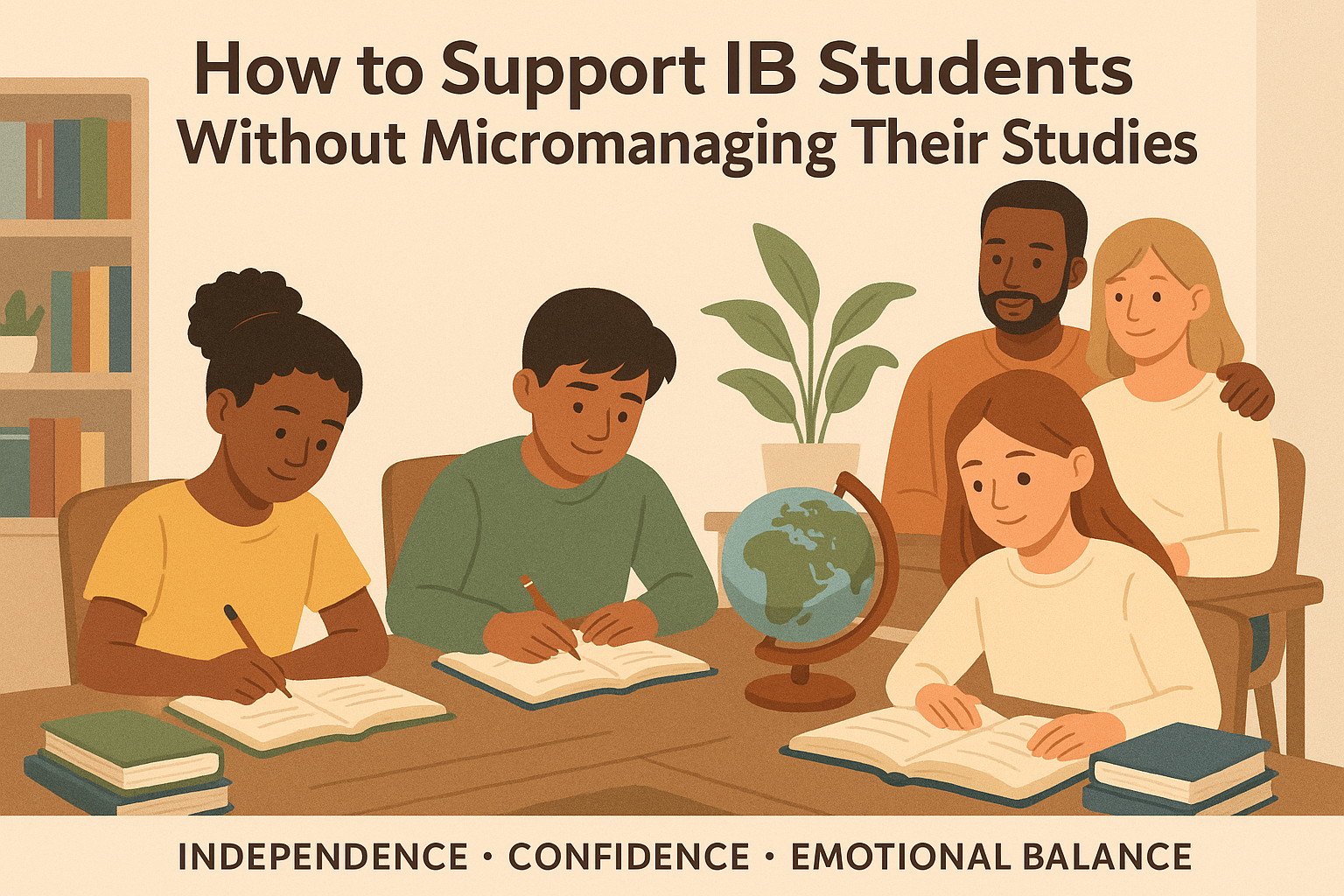
Learn how parents can support IB students across IB PYP, MYP, and DP without micromanaging, while building...
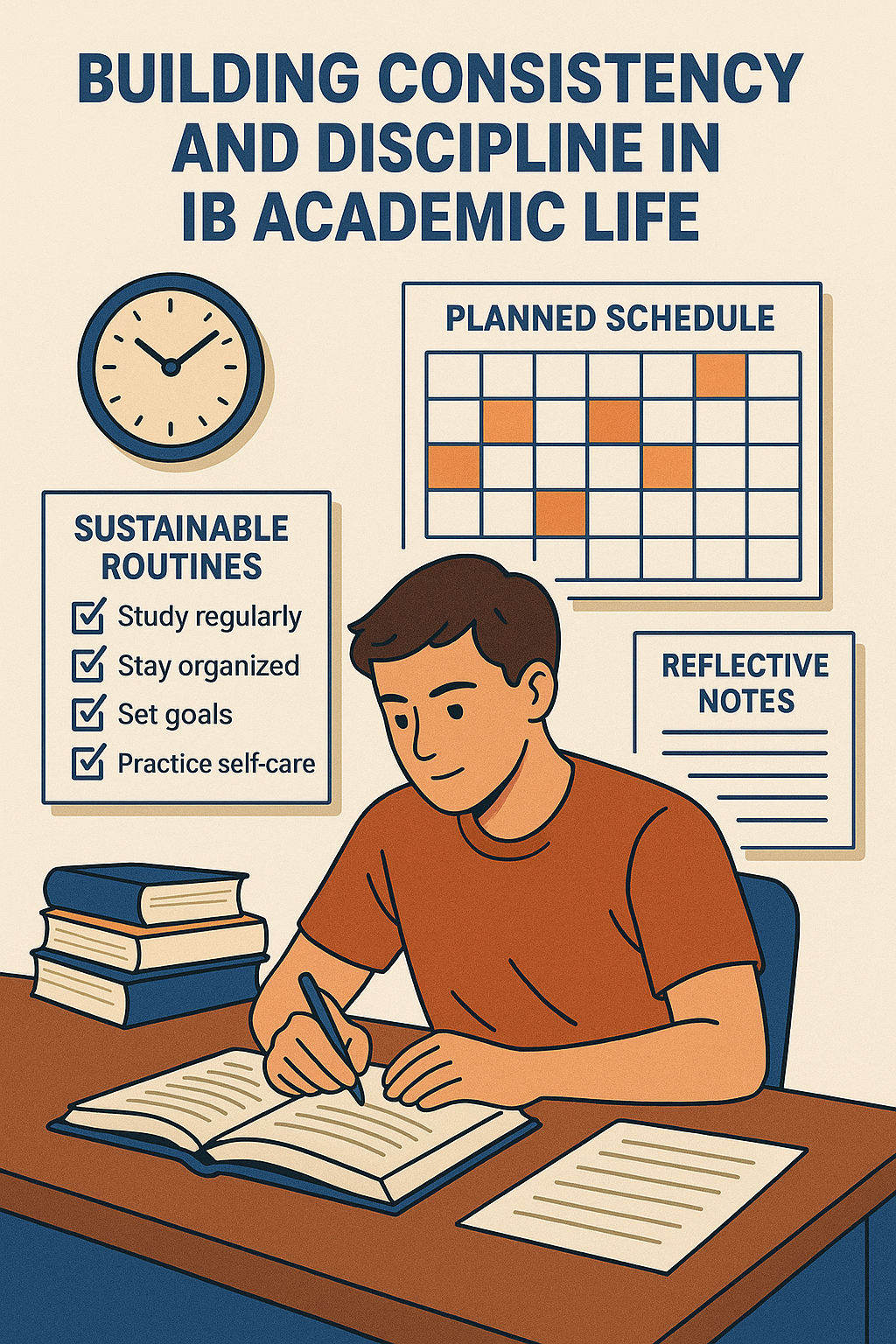
Learn how IB students can build consistency and discipline through sustainable routines, reflective habits, and...
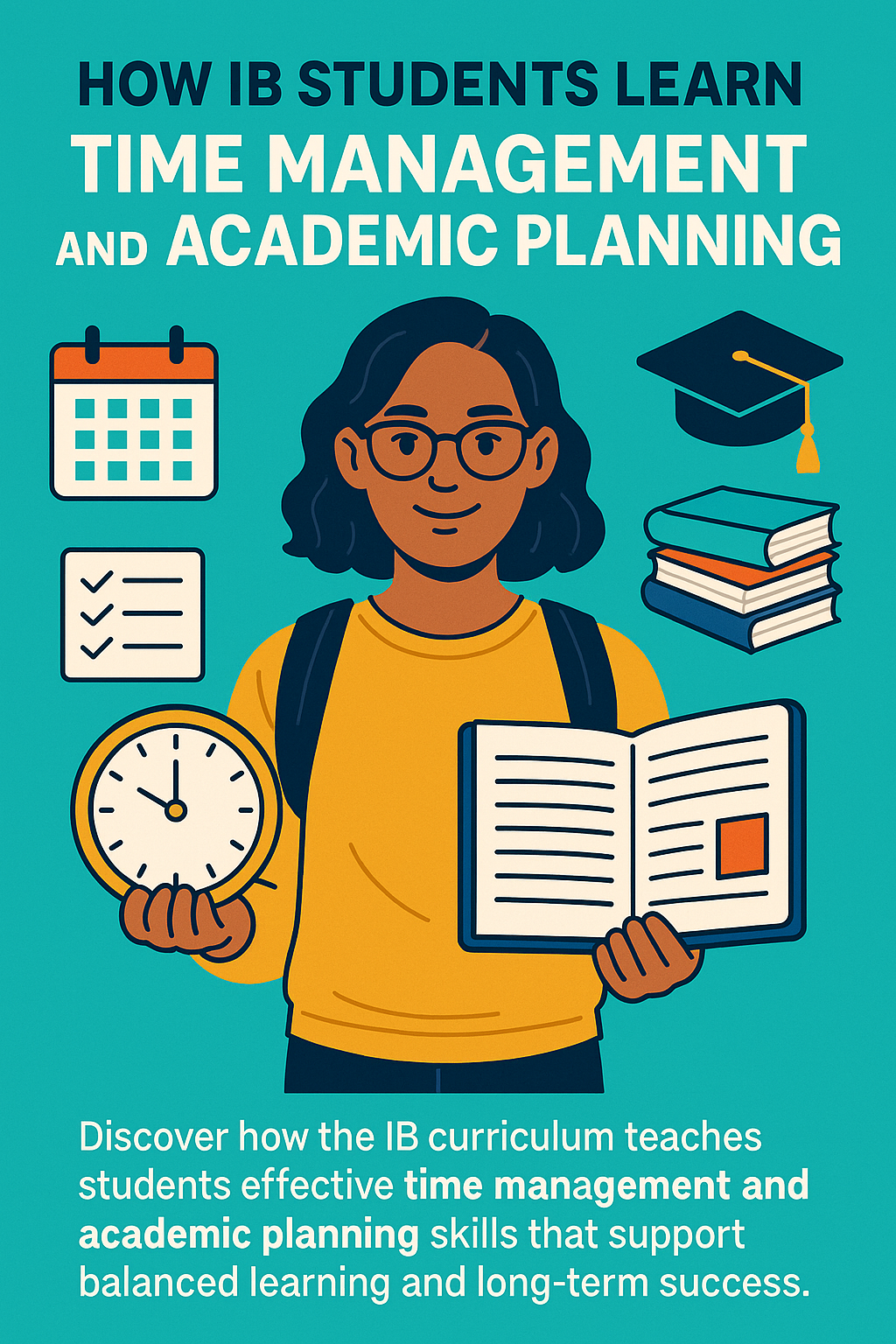
Discover how the IB curriculum teaches students effective time management and academic planning skills that support...
Learn how IB students can avoid burnout while managing coursework by building balanced routines, aligning study...
Discover study habits that align with the IB curriculum and help students succeed through inquiry-based learning,...
Learn how the IB curriculum builds strong research and reading habits through inquiry-based learning, reflection,...
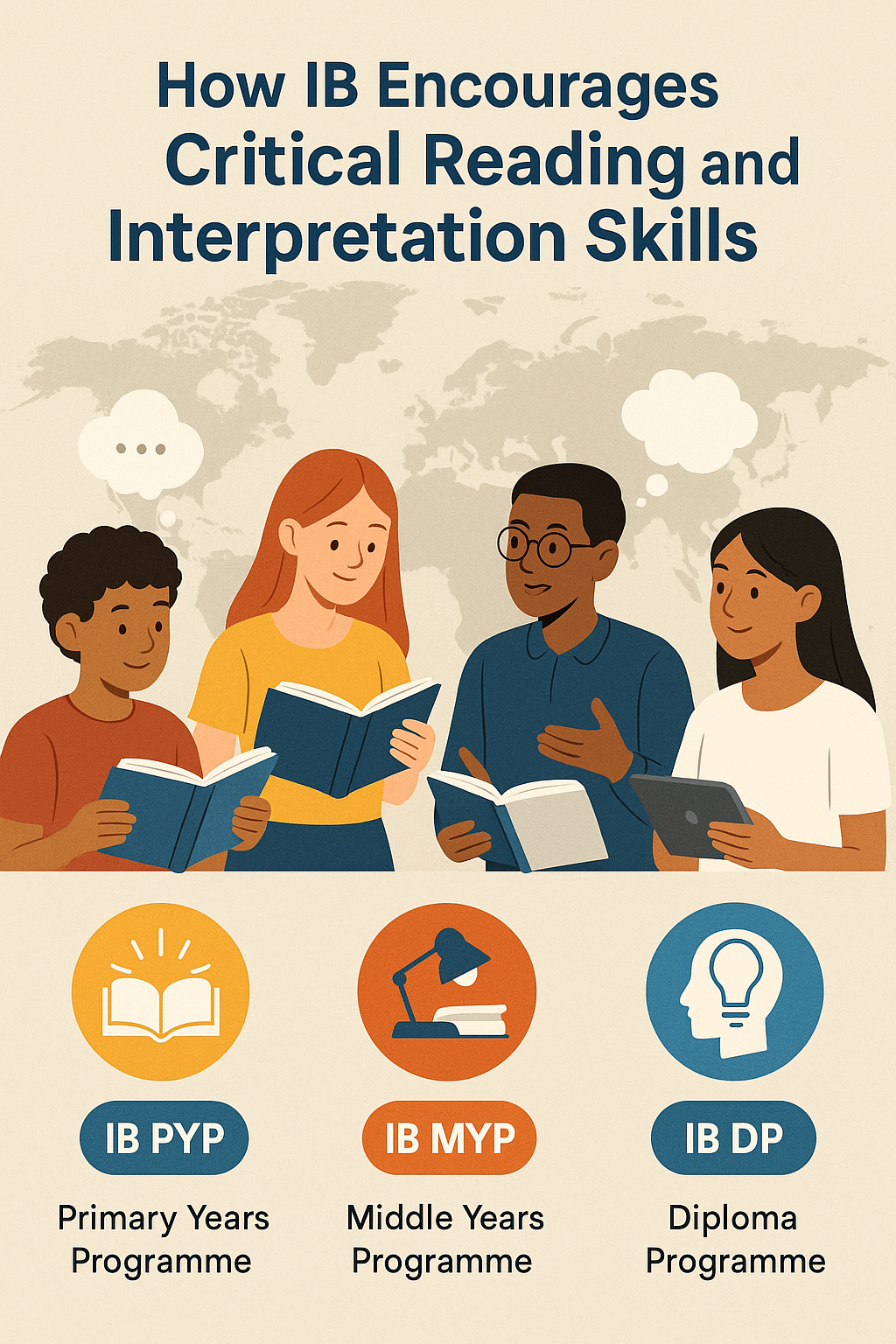
Discover how the IB syllabus builds strong critical reading and interpretation skills through inquiry-based...
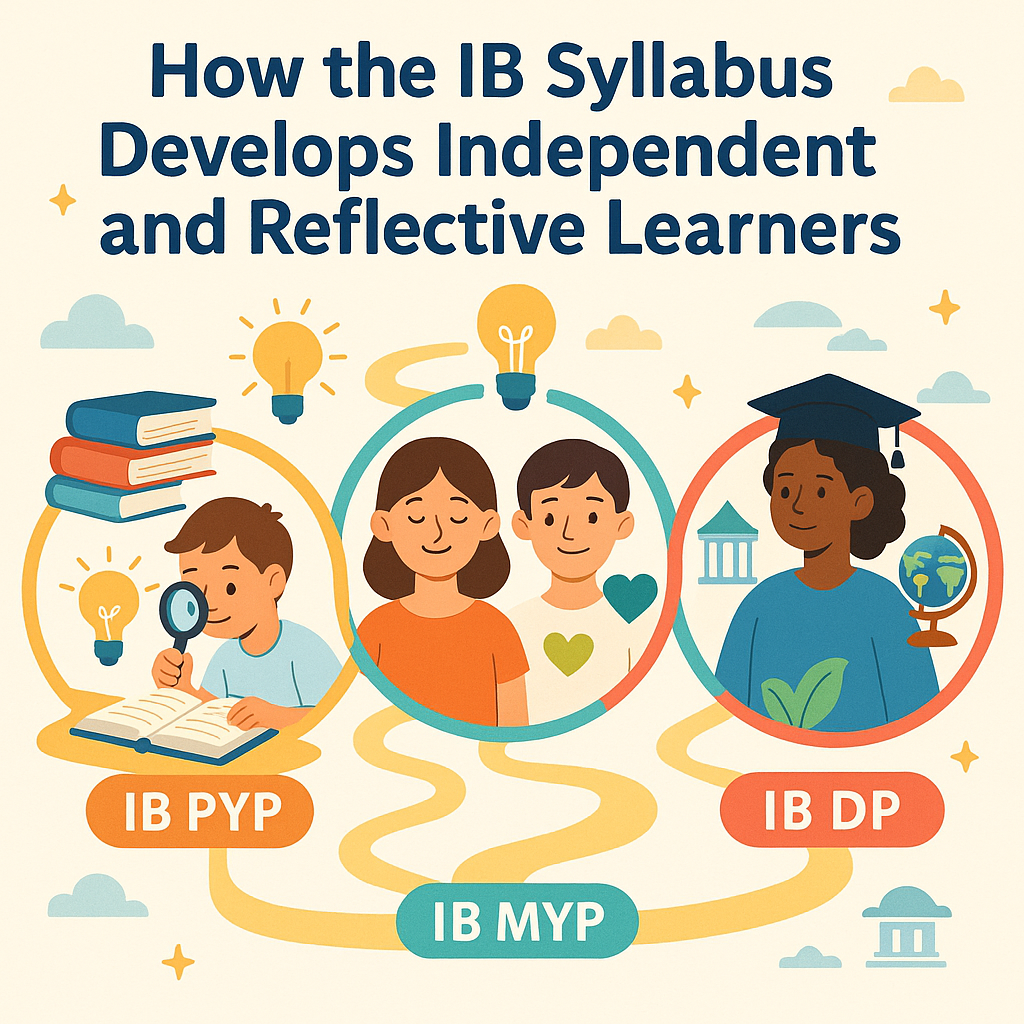
Discover how the IB syllabus builds independent and reflective learners through inquiry-based learning, emotional...
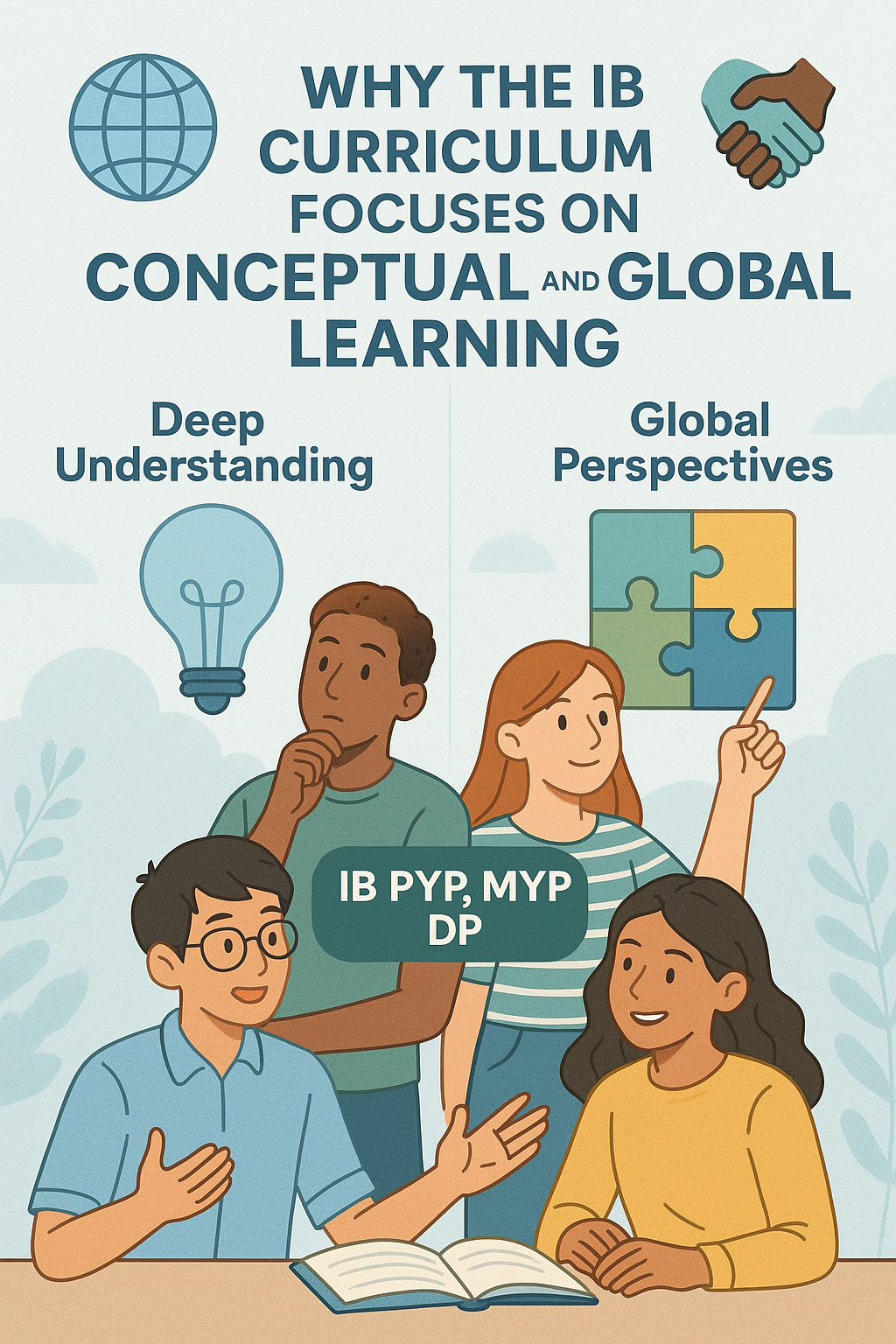
Learn why the IB curriculum focuses on conceptual and global learning, how IB PYP, MYP, and DP develop deep...
Understand the educational philosophy behind the IB board, including IB PYP, MYP, and DP, and learn how IB learning...
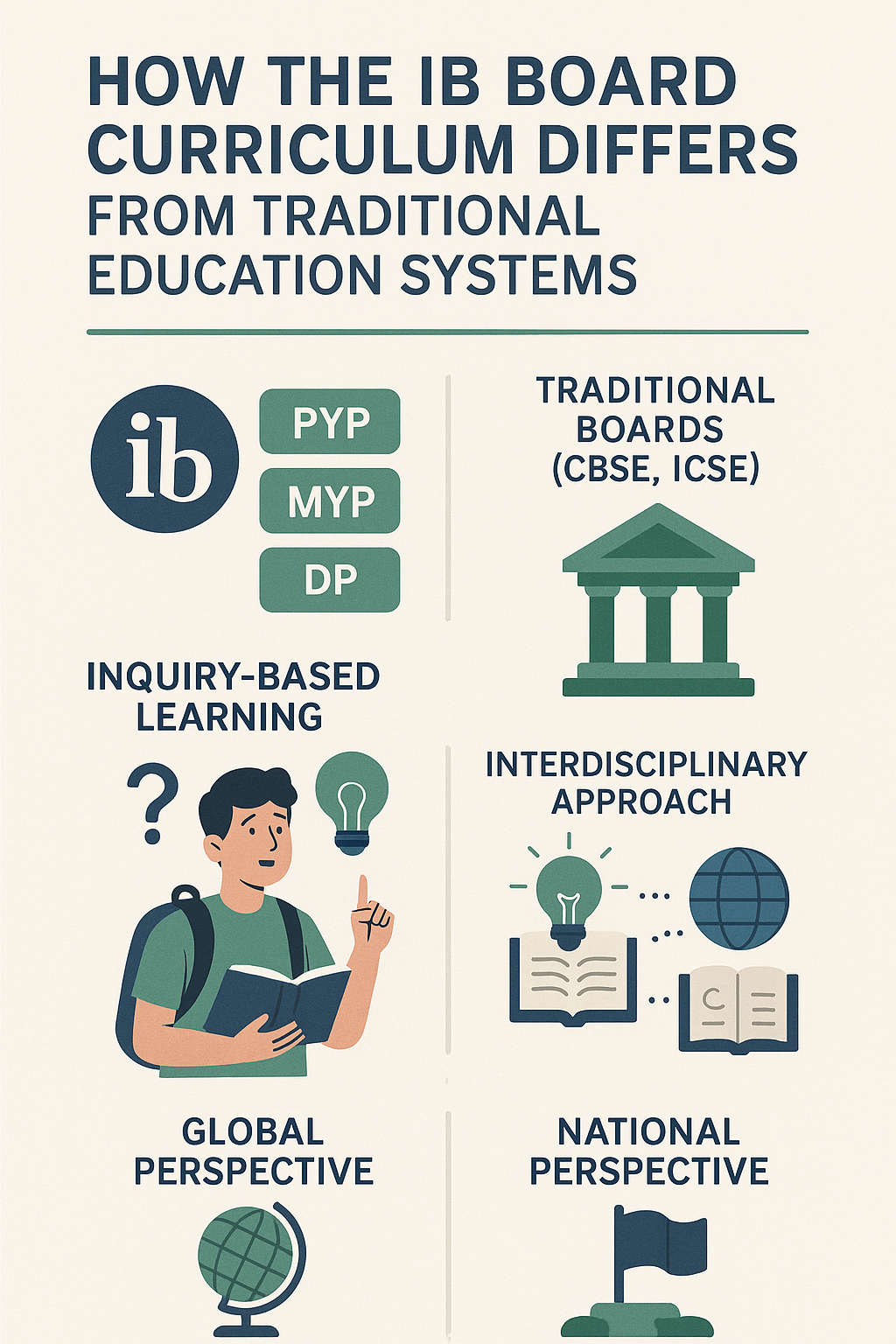
Explore how the IB board curriculum differs from traditional education systems like CBSE and ICSE, and understand IB...
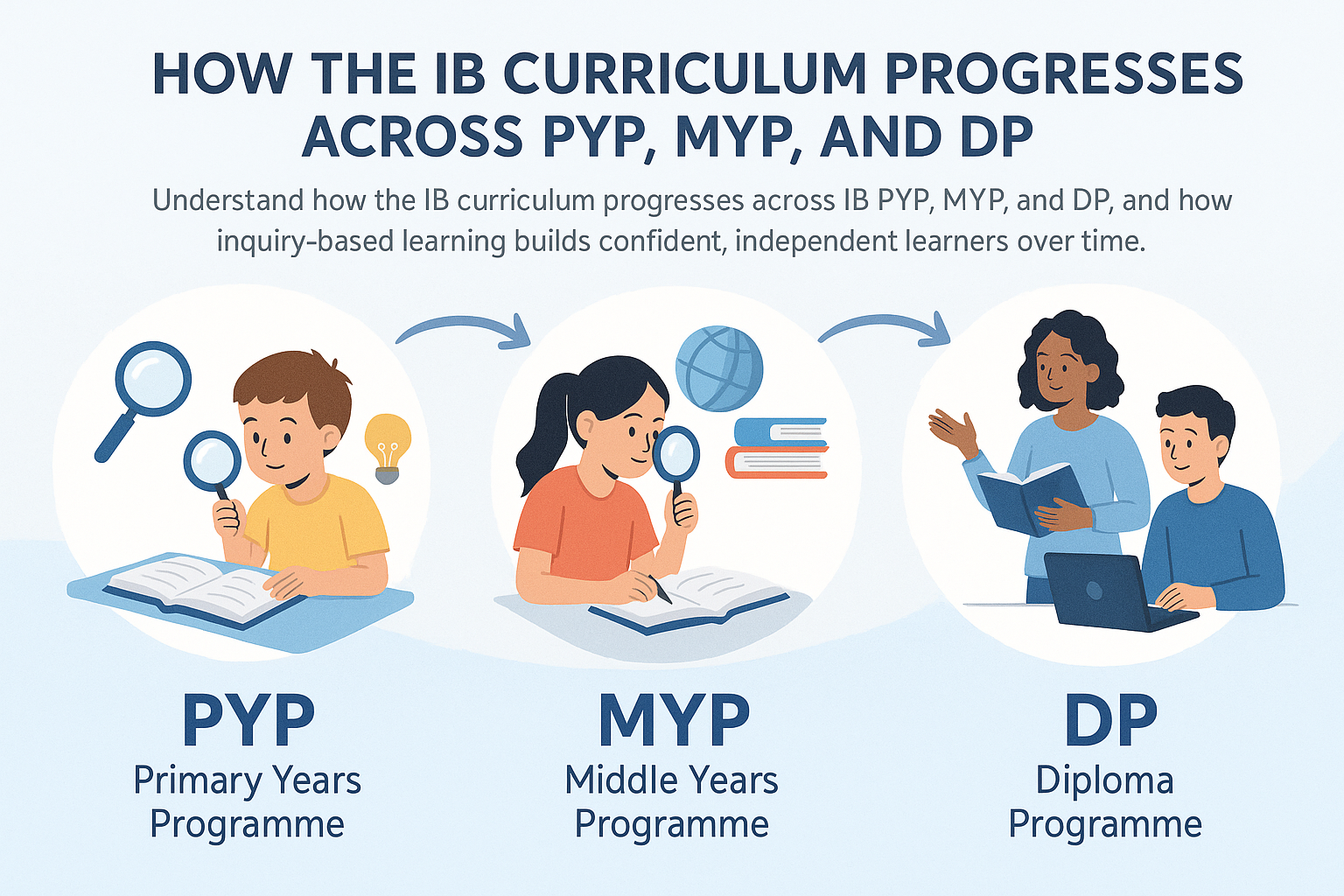
Understand how the IB curriculum progresses across IB PYP, MYP, and DP, and how inquiry-based learning builds...
A parent friendly guide to understanding the IB curriculum, IB PYP, MYP, and DP, and how inquiry based learning...
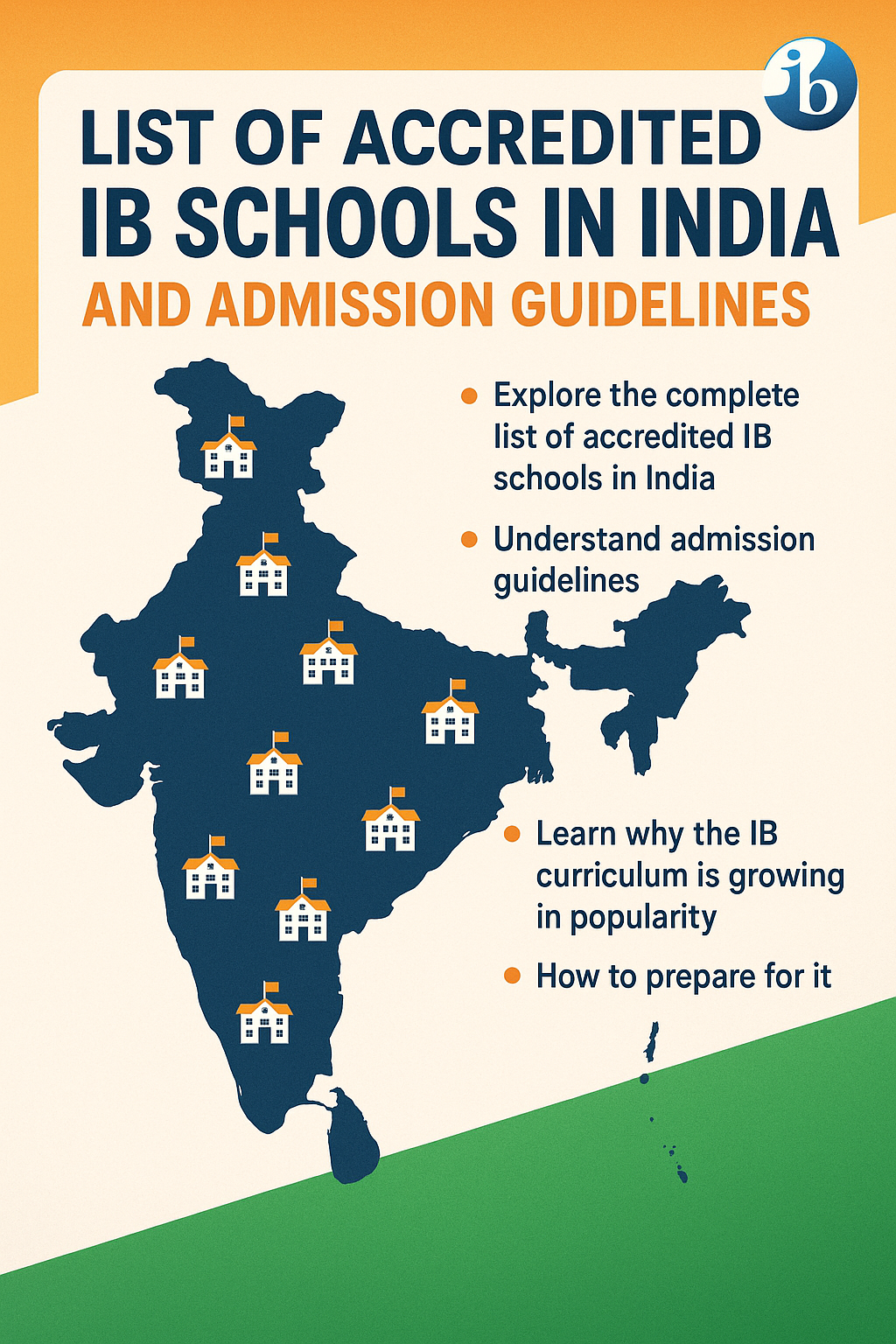
Explore the complete list of accredited IB schools in India and understand admission guidelines. Learn why the IB...

A complete guide for parents in Kolkata to understand the IB curriculum. Learn about PYP, MYP, IBDP stages,...

Discover the IB Diploma Programme curriculum, subject groups, core requirements, and benefits of IB. Learn how...

Thinking of joining the IB Programme? Learn about its rewards, challenges, and how AllRounder.ai can help you...

Discover the IB PYP curriculum framework, key learning areas, transdisciplinary themes, and how it nurtures lifelong...

Explore the IB syllabus structure, subject groups, and core components like TOK, CAS, and EE. A complete guide to IB...

Discover how the IB curriculum prepares students for Ivy League and top global universities. Explore skills,...

Explore how to choose IB subjects wisely. Learn about IB subject groups, HL vs SL, and combinations aligned with...

Understand the 10 IB Learner Profile attributes and why they matter in shaping global, future-ready students.

A detailed comparison of IB, CBSE, and ICSE boards. Learn about curriculum, teaching methods, and which board best...

Discover the IB Board – its global recognition, programs, and unique education philosophy.
Resources
-

Your complete JEE Advanced resource for eligibility, exam dates, syllabus, marks vs rank, and...
-
Understand the entire JEE Main process, from application and eligibility rules to the exam...
-

Explore the IB Board – a global curriculum emphasizing holistic, student-centered learning...
-

Learn about CBSE – India’s national school board offering a standardized curriculum, NCERT...
-

Explore everything about the ICSE board – its curriculum, subjects, exam format, and academic...