Professional Courses
Industry-relevant training in Business, Technology, and Design
Categories
Interactive Games
Fun games to boost memory, math, typing, and English skills
Typing
Memory
Math
English Adventures
Knowledge

How to Balance School Resources and Independent Study in IB

How to Balance School Resources and Independent Study in IB
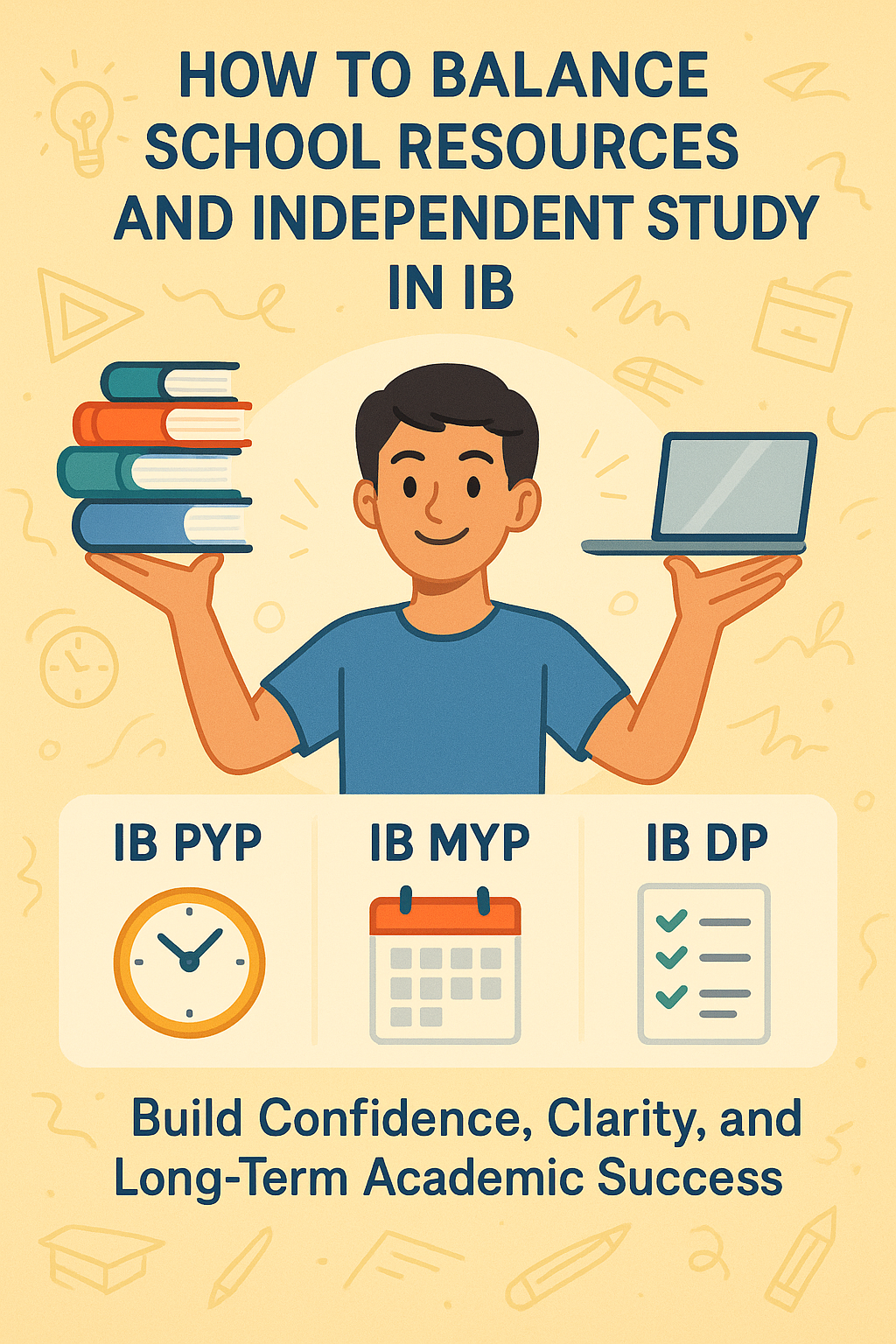
One of the defining features of the International Baccalaureate education system is the balance it expects students to maintain between guided learning at school and independent study outside the classroom. Unlike systems that rely heavily on textbooks or teacher-led instruction, the IB curriculum encourages students to take ownership of their learning. This shift can feel empowering, but it can also feel overwhelming if students are unsure how to use school resources effectively while developing strong independent study habits.
Balancing school-provided resources and self-directed learning is not about doing more work. It is about using the right tools at the right time. When this balance is achieved, IB students develop confidence, clarity, and academic maturity. This article explores how students and parents can create a healthy balance across IB PYP, IB MYP, and IB DP, ensuring that learning remains deep, manageable, and sustainable.
Understanding the IB Philosophy Behind Independent Learning
The IB curriculum is built on inquiry, reflection, and responsibility. Teachers act as facilitators who guide students toward understanding rather than delivering information to be memorised. This means that school resources are starting points, not complete answers.
Independent study is not an optional extra in IB. It is a core expectation. Students are encouraged to explore concepts, ask questions, and make connections beyond classroom material. Parents who want a clearer picture of this philosophy can refer to the IB curriculum guide for parents, which explains why independence is central to IB success.
Why Relying Only on School Resources Is Not Enough
School resources in IB are carefully designed, but they are not meant to be exhaustive. Classroom discussions, teacher notes, and recommended readings provide structure and direction, but they cannot cover every perspective or application.
Students who rely only on what is provided at school may struggle with deeper assessments that require analysis, research, and original thinking. Independent study fills this gap by allowing students to explore topics at their own pace and depth. The goal is not to replace school learning, but to extend it.
Why Too Much Independent Study Can Also Be a Problem
While independence is important, excessive self-study without alignment to school expectations can create confusion. Students may study irrelevant material, overcomplicate concepts, or feel overwhelmed by the sheer volume of information available.
Balance matters. Independent study should be guided by the IB syllabus and classroom goals. Understanding how subjects are structured helps students choose what to explore independently. Parents and students can gain clarity through the IB syllabus key learning areas breakdown.
Balancing Resources in the IB Primary Years Programme
In IB PYP, balance looks very different from higher grades. Young learners benefit from strong guidance, exploration, and discussion rather than structured independent study.
School resources such as activities, stories, and guided inquiries form the foundation. Independent learning at this stage is informal and curiosity-driven. Asking questions, exploring interests, and reflecting through conversation are more important than extra worksheets. Parents can better understand this approach through the IB PYP curriculum primary years programme guide.
Building Balance During the IB MYP Years
The IB MYP is where balance becomes more deliberate. Students manage multiple subjects, projects, and deadlines. School resources introduce key concepts, while independent study helps students practise application and reflection.
At this stage, students should learn how to review class notes, identify unclear areas, and explore them independently. Independent study might include revisiting concepts, reading additional material, or practising skills. Parents and students can align expectations by referring to the IB programme guide for students demands and rewards.
Managing Balance in the IB Diploma Programme
The IB DP requires the most careful balance. Students face significant academic demands, including internal assessments, extended essays, and exam preparation. School resources provide structure, feedback, and academic standards, but independent study drives success.
Students must learn to plan their time, prioritise tasks, and study strategically. Independent study in IB DP is focused, goal-oriented, and reflective. Parents can understand diploma-level expectations through the IBDP curriculum subjects and benefits guide.
Using School Resources Strategically
School resources should be used to clarify expectations and build conceptual understanding. This includes class notes, teacher feedback, rubrics, and recommended materials.
Instead of passively rereading notes, students should actively engage with them. Asking what the key concept is, how it connects to previous learning, and where gaps remain helps students decide what to explore independently.
Making Independent Study Purposeful
Independent study is most effective when it has a clear purpose. Random studying often leads to fatigue without results. Purposeful independent study starts with identifying specific needs.
Students can ask themselves what they did not fully understand in class, which skill needs improvement, or what kind of question might appear in an assessment. Independent study then becomes targeted rather than overwhelming.
The Role of Structured Digital Learning Platforms
Digital learning platforms can help bridge school learning and independent study when designed thoughtfully. Structured platforms provide clarity without taking away independence.
Platforms like AllRounder.ai offer organised lessons, practice, and progress tracking that align with curriculum expectations. Students following the IB curriculum can benefit from IB courses that reinforce concepts while allowing self-paced learning. Families managing multiple curricula can also explore CBSE courses and ICSE courses.
Using Practice to Connect Learning and Independence
Practice plays a key role in balancing guided and independent learning. Practice allows students to apply concepts without the pressure of formal assessment.
Using tools like practice tests helps students understand how knowledge is evaluated and where improvement is needed. Practice transforms independent study into measurable progress rather than guesswork.
Avoiding Overstudy and Burnout
One common mistake among IB students is equating independence with studying constantly. Overstudying reduces efficiency and increases stress.
Balance includes rest, reflection, and breaks. Students should learn when to stop studying and allow learning to settle. Quality matters more than quantity, especially in a demanding curriculum like IB.
Balancing Resources Across Grades
The balance between school resources and independent study changes with age. Younger students need more structure, while older students need more autonomy.
Students can benefit from grade-aligned academic pathways such as Grade 8 courses, Grade 9 courses, Grade 10 courses, Grade 11 courses, and Grade 12 courses. These resources help students match independence with readiness.
Encouraging Reflection as Part of Independent Study
Reflection is a core IB skill. After studying independently, students should reflect on what they learned and what still feels unclear.
This reflection helps students adjust strategies and prevents repeated mistakes. Reflection turns independent study into intentional learning rather than busy work.
Using Interactive Learning to Support Balance
Interactive tools can support independent learning while keeping engagement high. These tools encourage exploration without adding pressure.
Educational platforms offering learning games provide opportunities for students to apply concepts in low-stress environments. Games support strategic thinking and reinforce learning in a balanced way.
Supporting Balance at Home Without Micromanagement
Parents play an important role in helping students maintain balance. Support does not mean controlling every study decision.
Parents can help by providing a structured environment, encouraging reflection, and respecting independence. Asking what the student plans to work on rather than dictating tasks builds responsibility and confidence.
Preparing IB Students for University Learning
One of the long-term goals of balancing school resources and independent study is university readiness. Universities expect students to manage their own learning while using lectures and resources effectively.
The IB curriculum prepares students well for this transition when balance is achieved. Parents can explore how IB learning supports higher education through the IB curriculum university preparation.
Common Mistakes to Avoid When Seeking Balance
Some students rely too heavily on school notes and avoid independent exploration. Others study independently without checking alignment with class goals. Both extremes create problems.
Balance requires regular adjustment. Students should review what works and what does not, and adapt strategies accordingly.
Building Confidence Through Balanced Learning
When students balance guided learning and independence effectively, confidence grows naturally. They feel capable of understanding concepts, asking questions, and managing workload.
This confidence reduces anxiety and improves performance. Learning becomes a process students trust rather than fear.
Balance as a Skill, Not a Formula
There is no fixed formula for balancing school resources and independent study. Each student’s balance will look different depending on age, subject, and learning style.
What matters is awareness. Students who regularly reflect on how they learn make better decisions over time. Balance improves through experience and adjustment.
Final Thoughts on Balancing School Resources and Independent Study in IB
Balancing school resources and independent study is one of the most important skills IB students develop. It supports academic success, emotional wellbeing, and long-term independence.
When school guidance and self-directed learning work together, students experience clarity rather than confusion. With thoughtful use of resources, structured support, and reflective habits, IB students can navigate their curriculum with confidence and purpose. This balance prepares them not only for exams, but for lifelong learning beyond the classroom.
Learn how IB students can balance school resources and independent study across IB PYP, MYP, and DP to build...
Learn how parents can identify quality academic support for IB learners that aligns with IB PYP, MYP, and DP values...
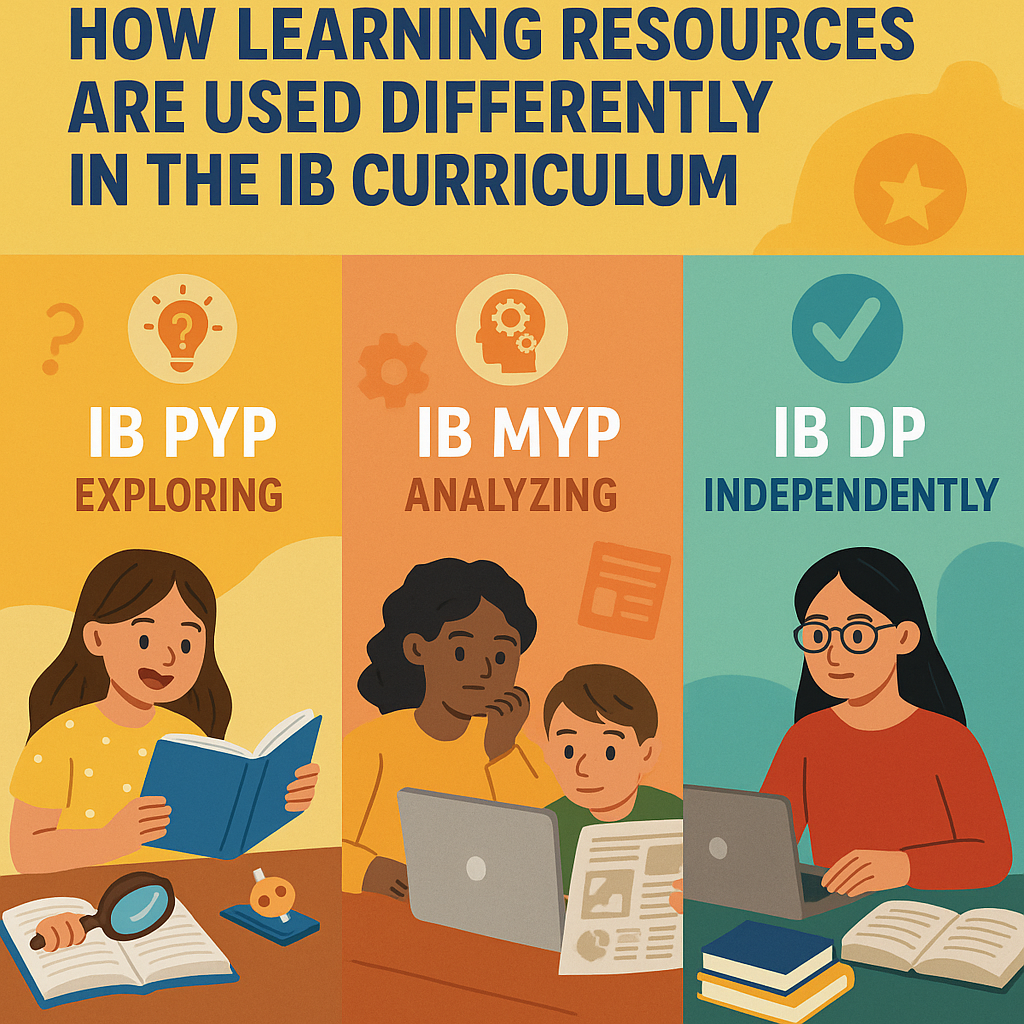
Discover how learning resources are used differently in the IB curriculum and how IB PYP, MYP, and DP students...
Learn how the IB curriculum helps students develop strong research and writing skills across IB PYP, MYP, and DP,...
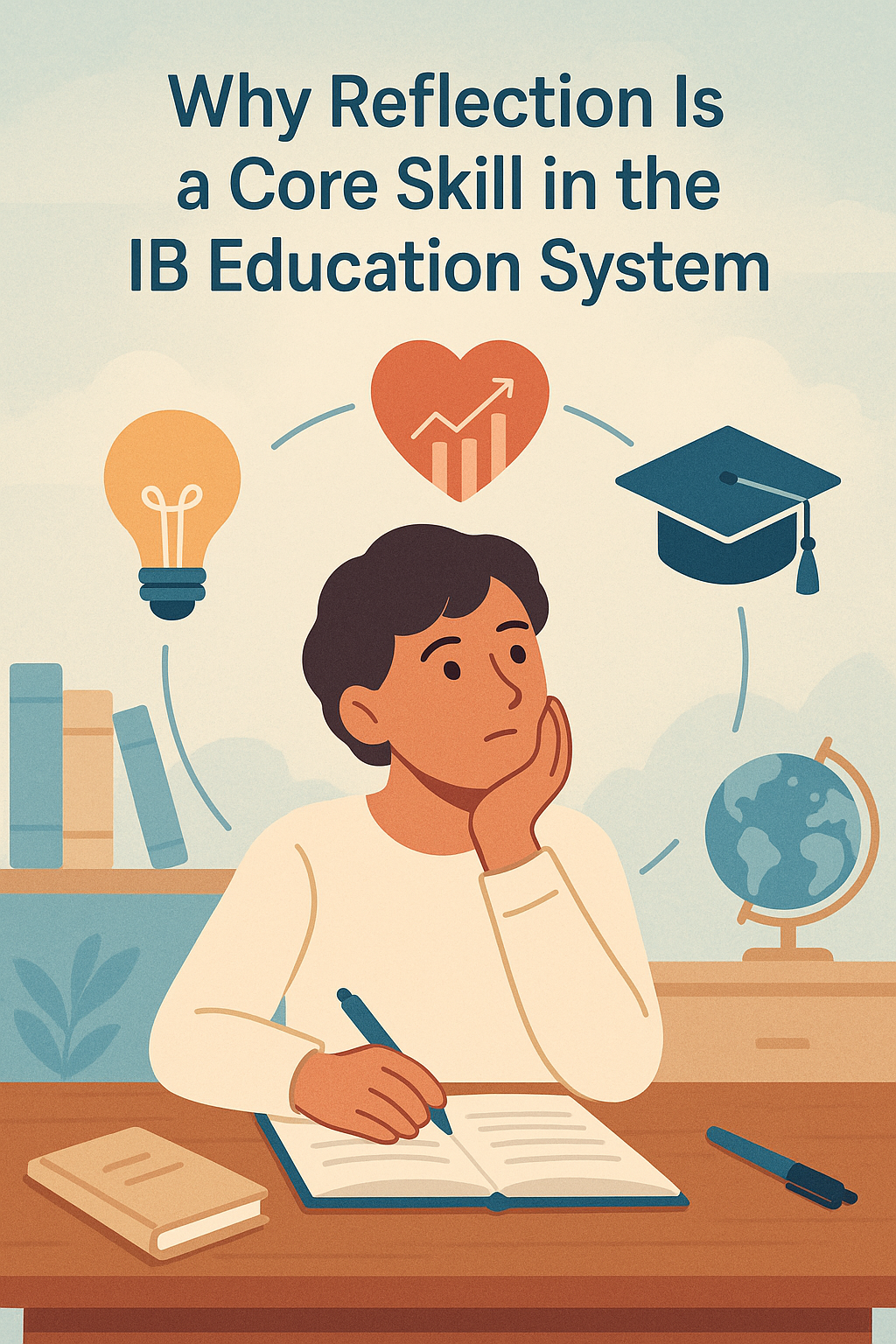
Discover why reflection is a core skill in the IB education system and how it supports independent thinking,...
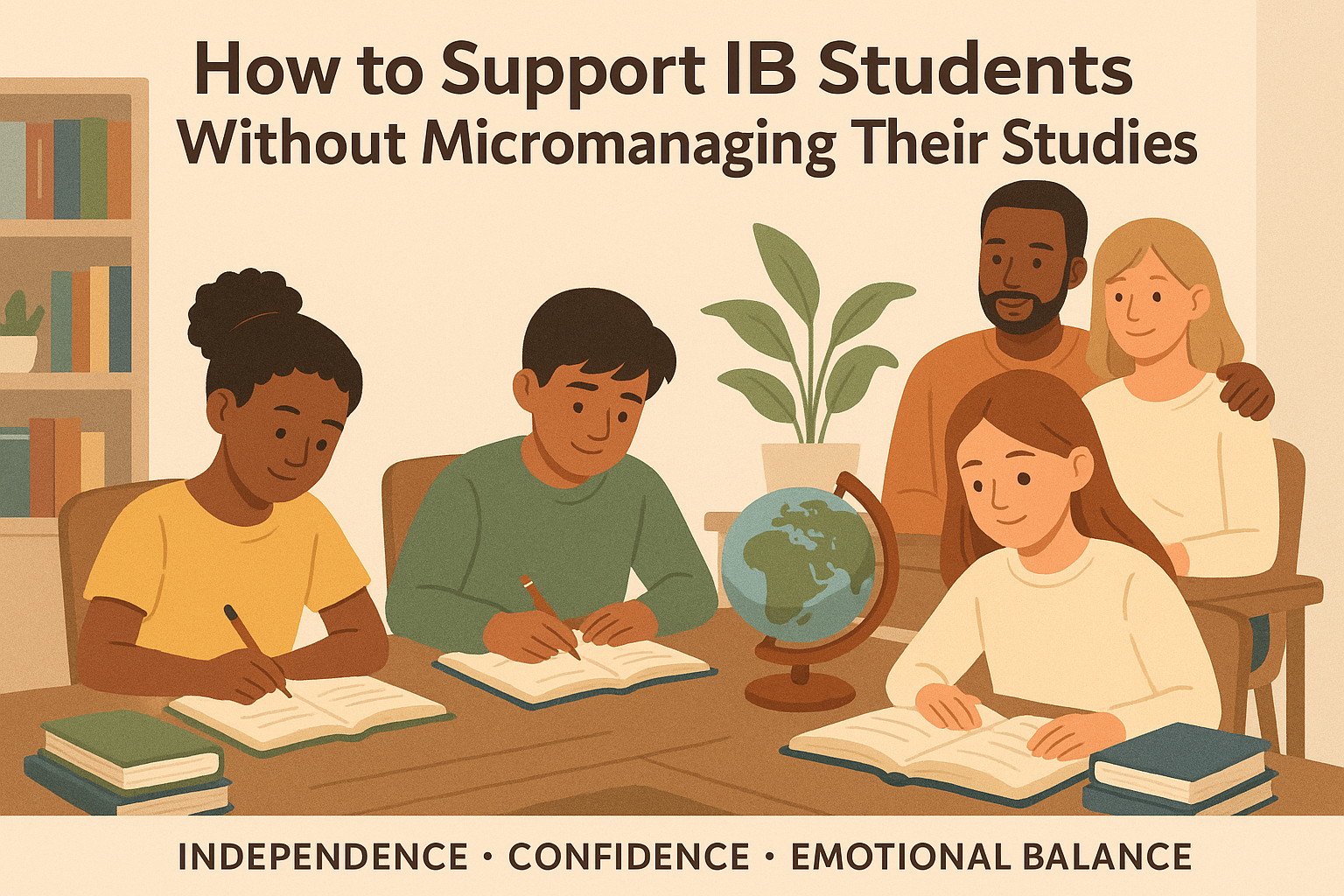
Learn how parents can support IB students across IB PYP, MYP, and DP without micromanaging, while building...
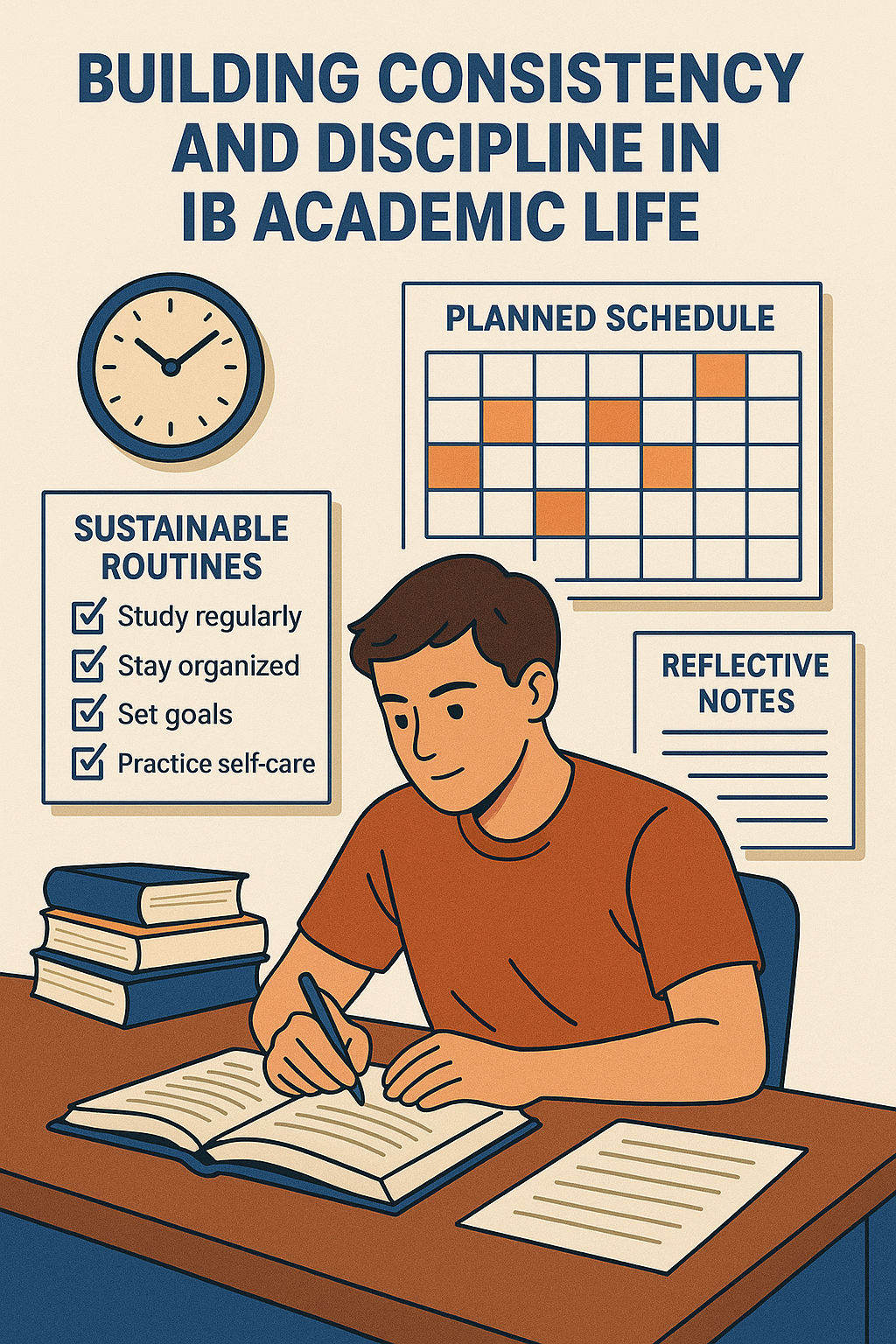
Learn how IB students can build consistency and discipline through sustainable routines, reflective habits, and...
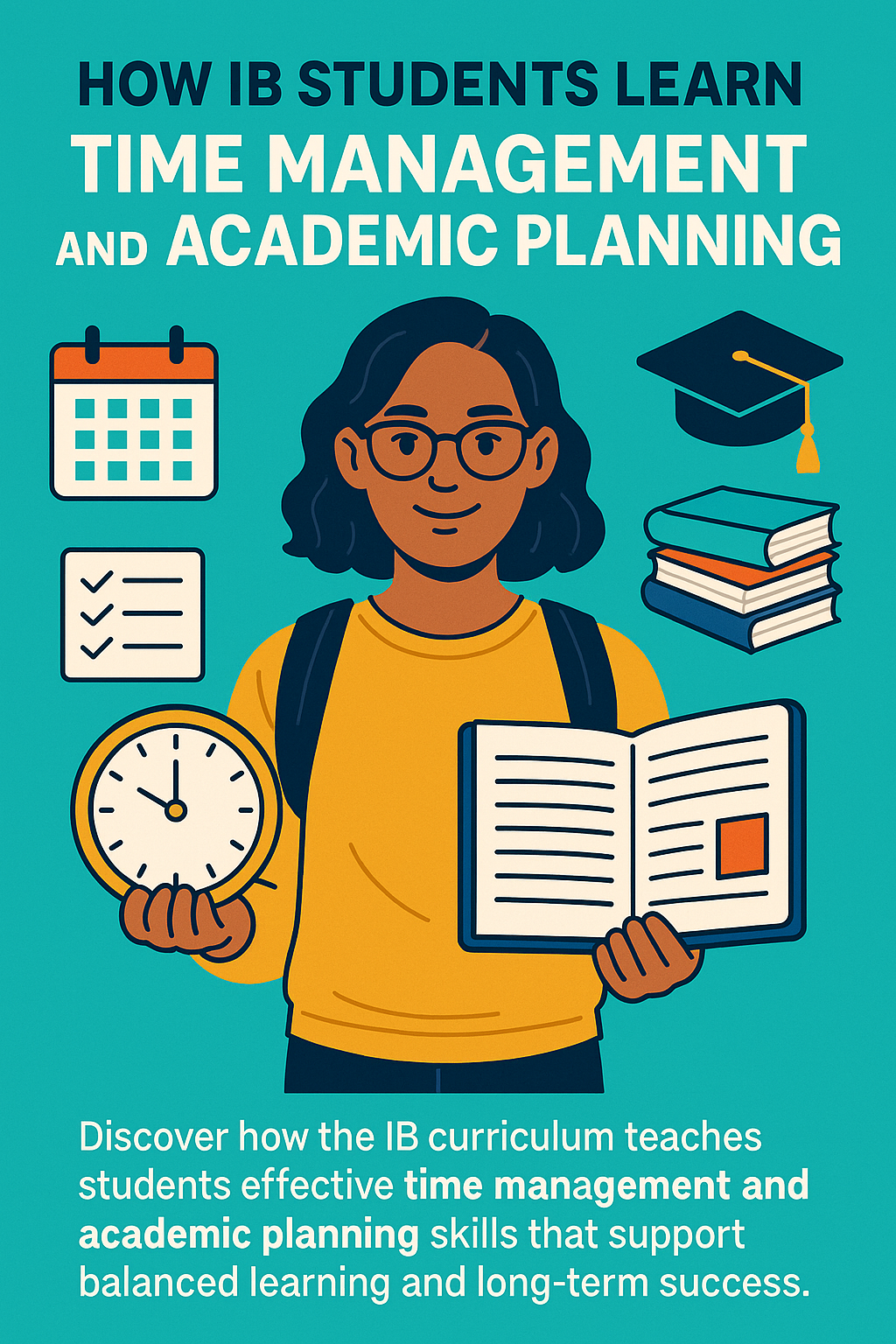
Discover how the IB curriculum teaches students effective time management and academic planning skills that support...
Learn how IB students can avoid burnout while managing coursework by building balanced routines, aligning study...
Discover study habits that align with the IB curriculum and help students succeed through inquiry-based learning,...
Learn how the IB curriculum builds strong research and reading habits through inquiry-based learning, reflection,...
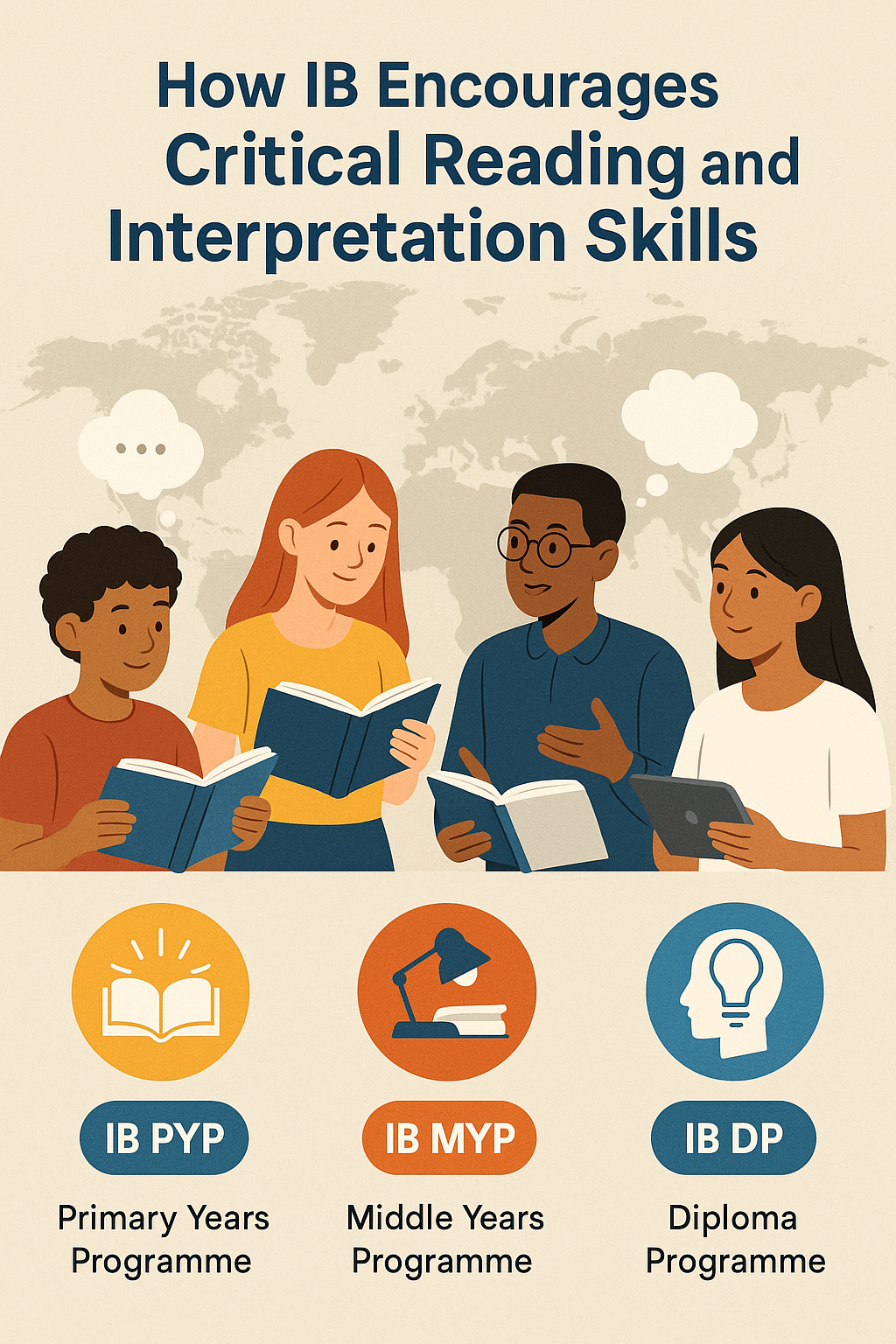
Discover how the IB syllabus builds strong critical reading and interpretation skills through inquiry-based...
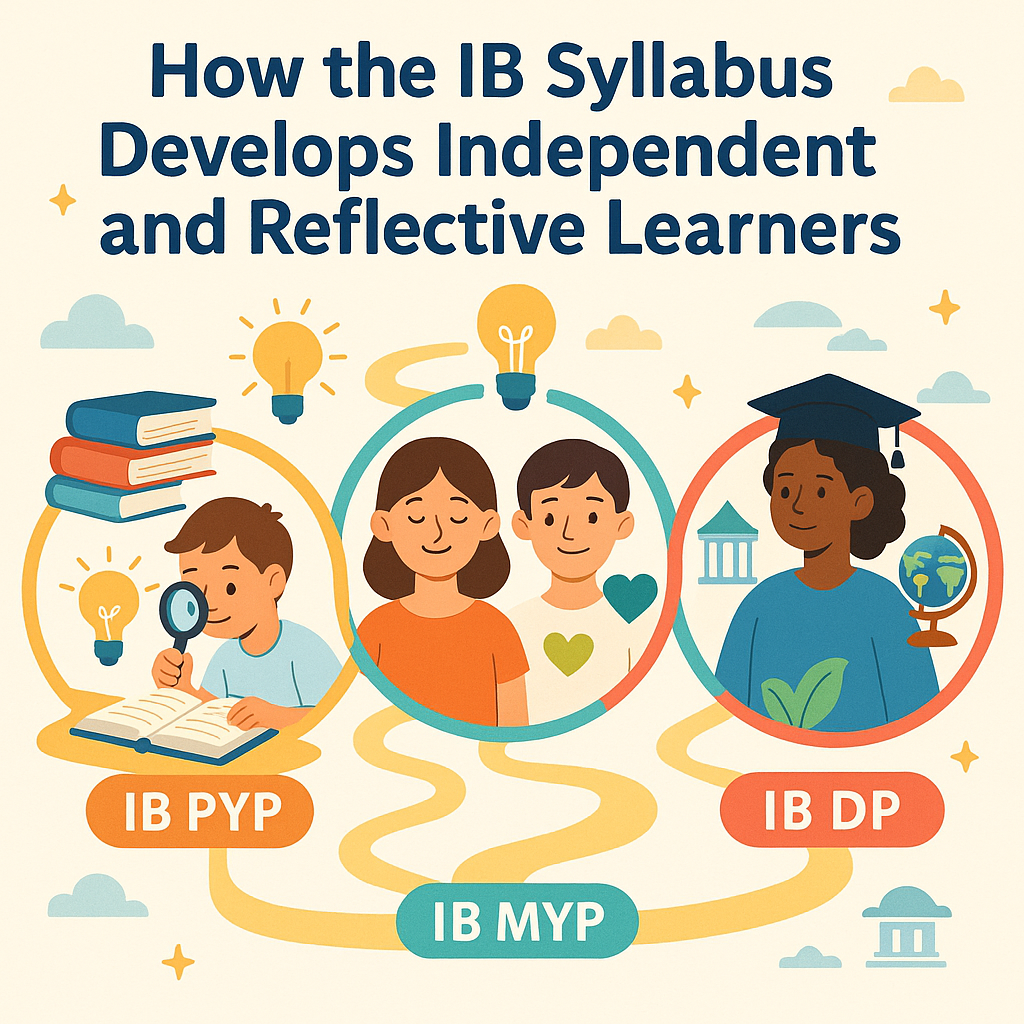
Discover how the IB syllabus builds independent and reflective learners through inquiry-based learning, emotional...
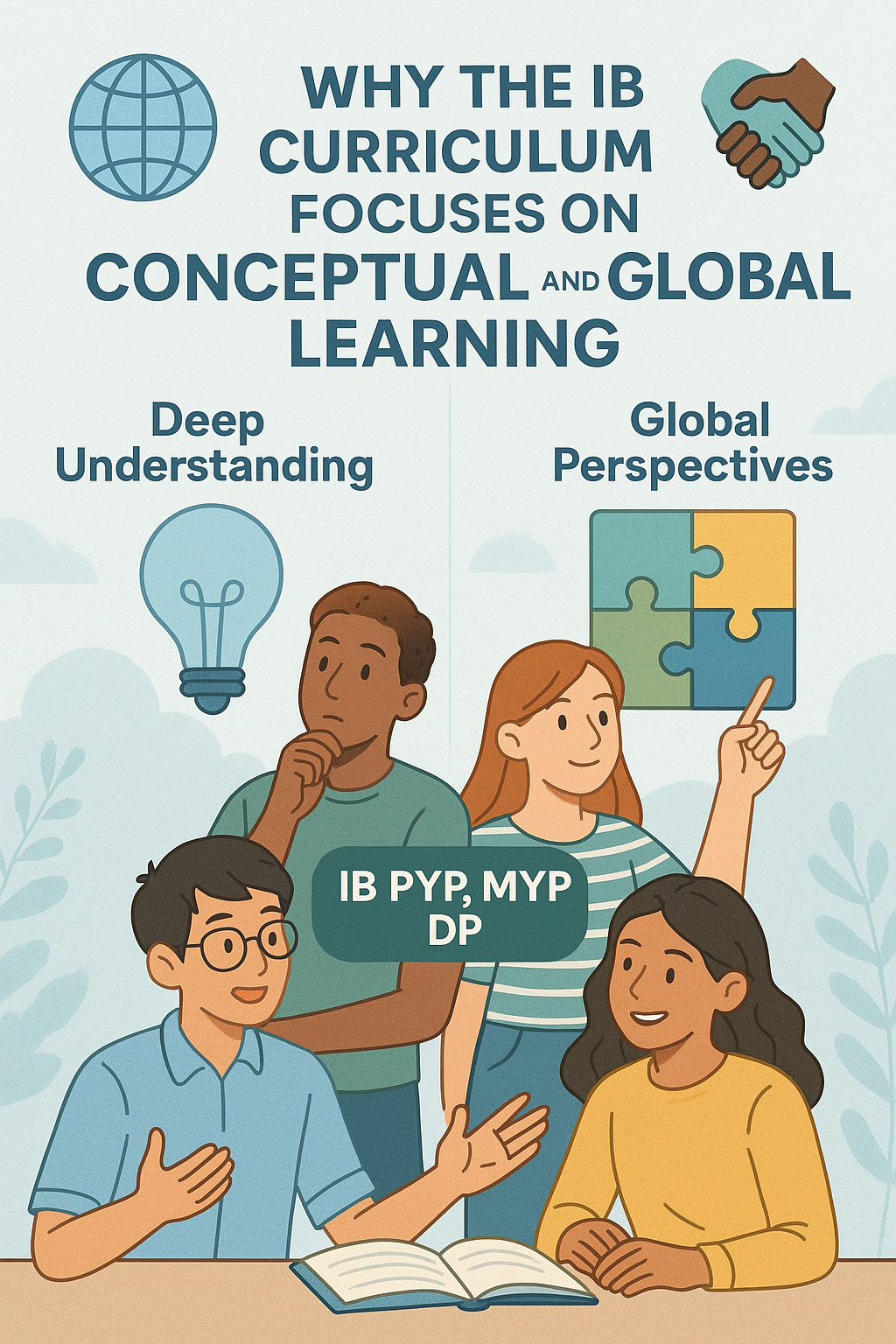
Learn why the IB curriculum focuses on conceptual and global learning, how IB PYP, MYP, and DP develop deep...
Understand the educational philosophy behind the IB board, including IB PYP, MYP, and DP, and learn how IB learning...
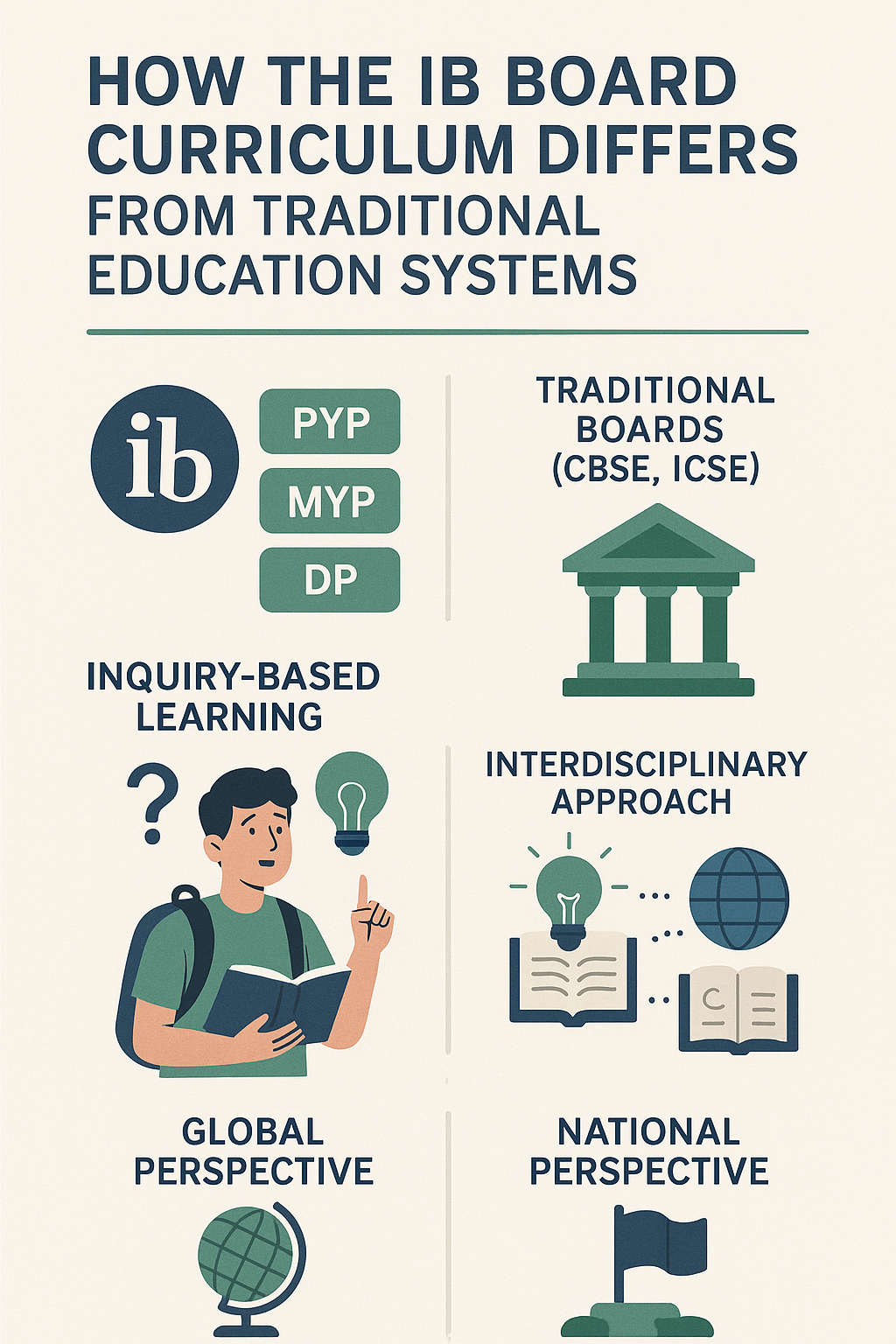
Explore how the IB board curriculum differs from traditional education systems like CBSE and ICSE, and understand IB...
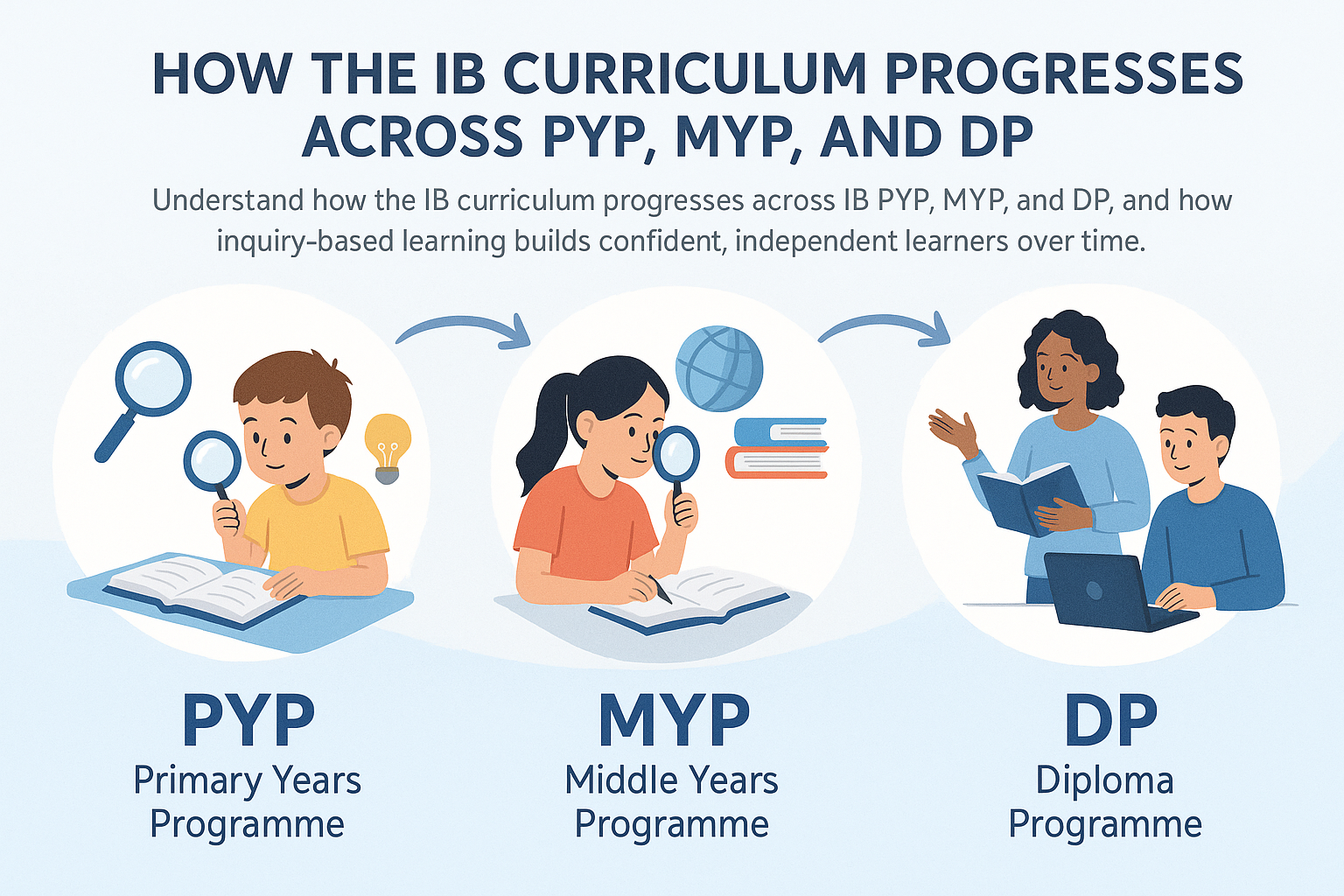
Understand how the IB curriculum progresses across IB PYP, MYP, and DP, and how inquiry-based learning builds...
A parent friendly guide to understanding the IB curriculum, IB PYP, MYP, and DP, and how inquiry based learning...
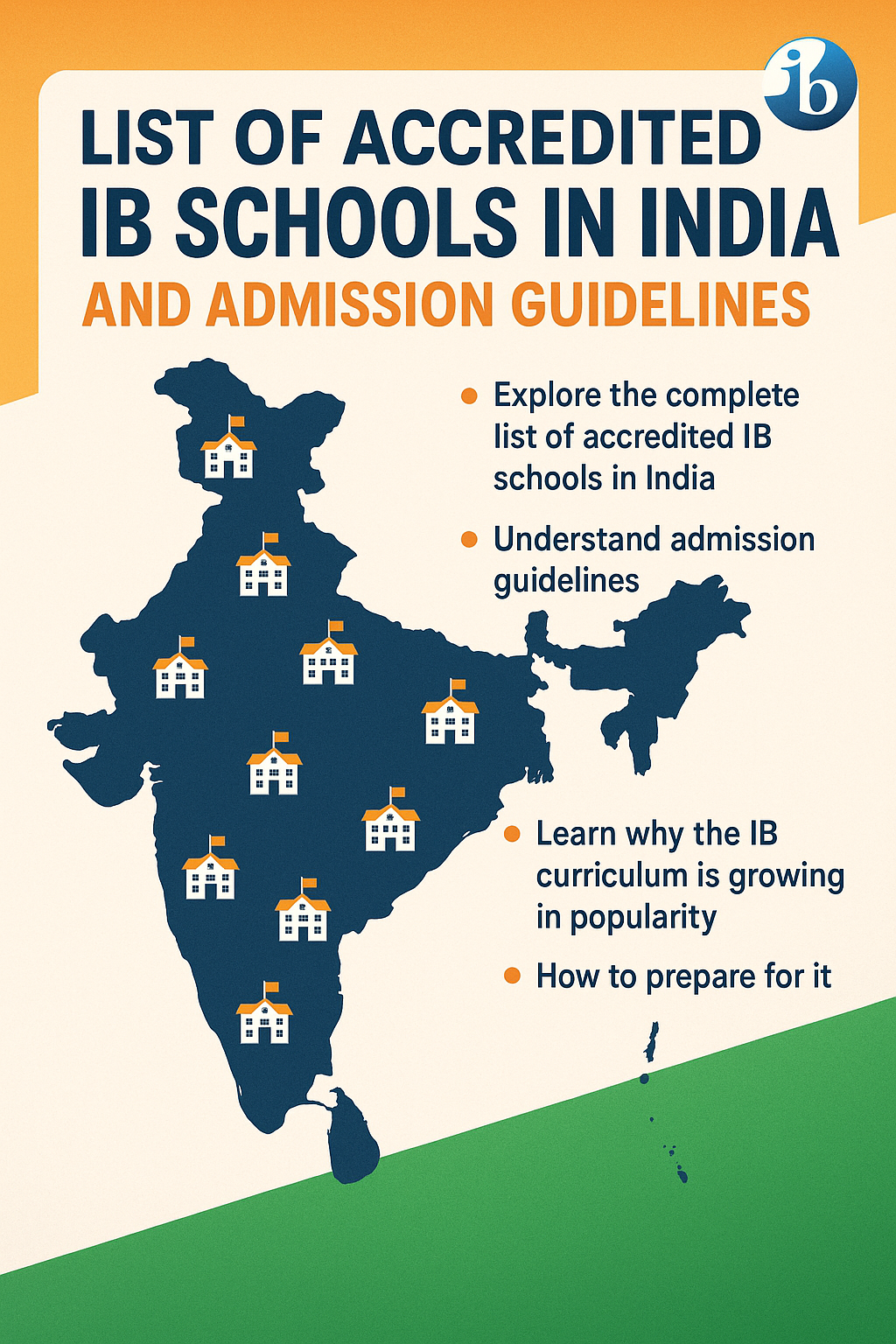
Explore the complete list of accredited IB schools in India and understand admission guidelines. Learn why the IB...

A complete guide for parents in Kolkata to understand the IB curriculum. Learn about PYP, MYP, IBDP stages,...

Discover the IB Diploma Programme curriculum, subject groups, core requirements, and benefits of IB. Learn how...

Thinking of joining the IB Programme? Learn about its rewards, challenges, and how AllRounder.ai can help you...

Discover the IB PYP curriculum framework, key learning areas, transdisciplinary themes, and how it nurtures lifelong...

Explore the IB syllabus structure, subject groups, and core components like TOK, CAS, and EE. A complete guide to IB...

Discover how the IB curriculum prepares students for Ivy League and top global universities. Explore skills,...

Explore how to choose IB subjects wisely. Learn about IB subject groups, HL vs SL, and combinations aligned with...

Understand the 10 IB Learner Profile attributes and why they matter in shaping global, future-ready students.

A detailed comparison of IB, CBSE, and ICSE boards. Learn about curriculum, teaching methods, and which board best...

Discover the IB Board – its global recognition, programs, and unique education philosophy.
Resources
-
Your complete JEE Advanced resource for eligibility, exam dates, syllabus, marks vs rank, and...
-
Understand the entire JEE Main process, from application and eligibility rules to the exam...
-

Explore the IB Board – a global curriculum emphasizing holistic, student-centered learning...
-

Learn about CBSE – India’s national school board offering a standardized curriculum, NCERT...
-

Explore everything about the ICSE board – its curriculum, subjects, exam format, and academic...