Professional Courses
Industry-relevant training in Business, Technology, and Design
Categories
Interactive Games
Fun games to boost memory, math, typing, and English skills
Typing
Memory
Math
English Adventures
Knowledge

Building Consistency and Discipline in IB Academic Life

Building Consistency and Discipline in IB Academic Life
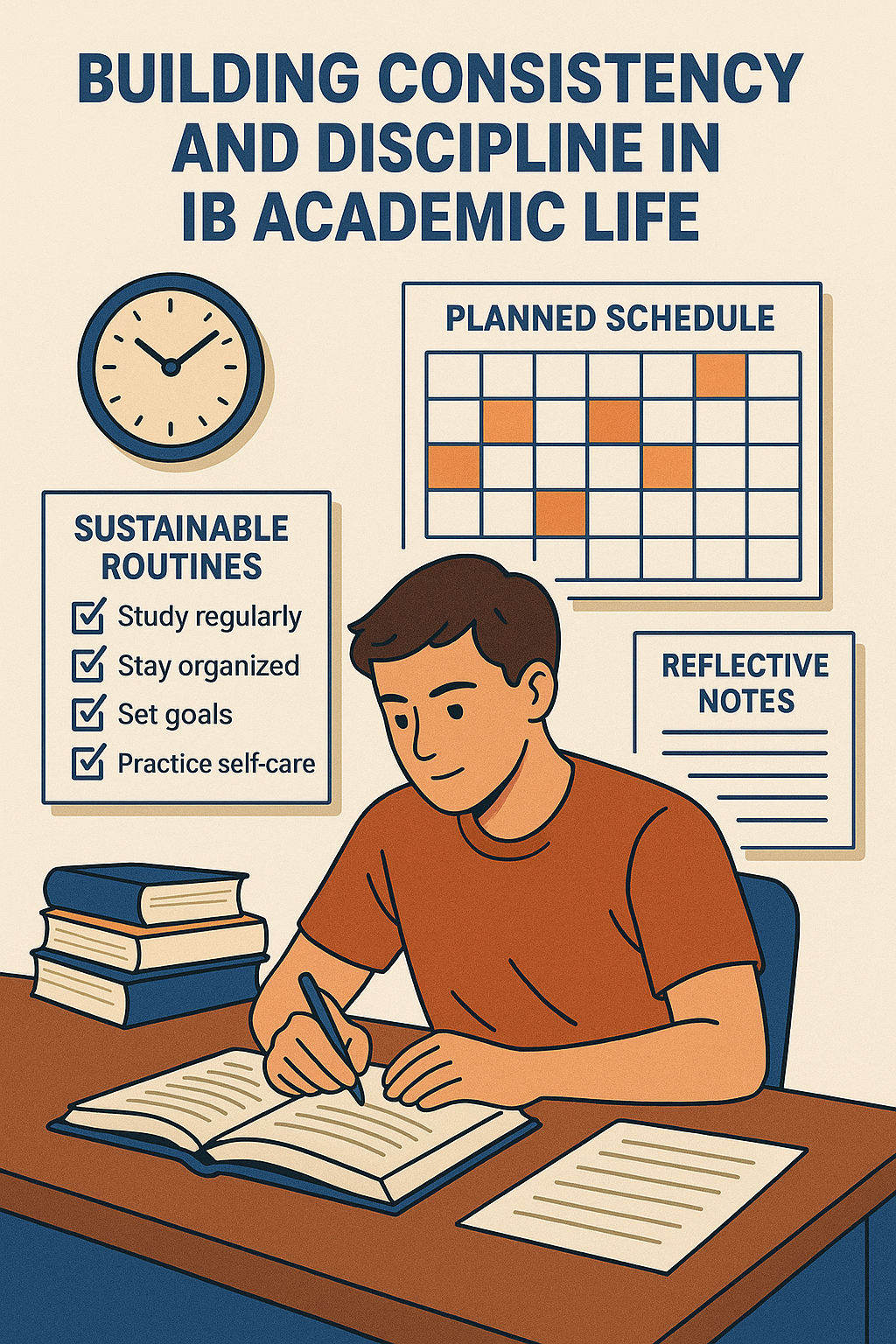
The IB curriculum is designed to develop independent, reflective, and resilient learners. While intelligence and curiosity matter, long-term success in the IB syllabus depends heavily on consistency and discipline. Unlike systems that reward short bursts of memorisation, the IB rewards students who show steady effort, thoughtful planning, and the ability to stay engaged over extended periods of time.
For many students, discipline sounds restrictive or exhausting. In reality, IB discipline is not about rigid rules or constant pressure. It is about building habits that make learning manageable, predictable, and emotionally sustainable. Consistency helps students avoid last-minute stress, burnout, and self-doubt. This article explores how students can build consistency and discipline across IB PYP, IB MYP, and IB DP, and how these habits align naturally with the IB curriculum philosophy.
Why Consistency Matters More Than Intensity in the IB
One of the most common mistakes IB students make is working in intense bursts followed by long gaps. While this approach may work temporarily, it quickly leads to fatigue and uneven understanding.
The IB syllabus is cumulative and concept-driven. Concepts build on each other across time and subjects. Consistent engagement allows ideas to settle, connect, and deepen. Students who study a little every day often outperform those who study a lot only occasionally. Understanding what the IB expects from learners helps students see why steady effort matters. This is clearly outlined in the IB programme guide for students, demands and rewards.
Discipline in the IB Is About Habits, Not Punishment
In many academic environments, discipline is associated with control and fear. The IB takes a different approach. Discipline in IB academic life is about responsibility and self-regulation.
Students are encouraged to plan, reflect, and adjust rather than follow instructions blindly. Discipline grows when students understand why a habit exists and how it helps them learn better. This mindset reduces resistance and builds internal motivation.
How IB PYP Builds Early Discipline Gently
In the IB PYP, discipline is introduced through routines and reflection rather than strict enforcement. Young learners are guided to complete tasks, organise materials, and follow inquiry cycles.
These routines create predictability and safety, which help children associate discipline with confidence rather than pressure. Parents can understand how early habits are formed through the IB PYP curriculum primary years programme guide. Early consistency lays the foundation for independence later.
Developing Structure and Responsibility in IB MYP
As students enter the IB MYP, academic demands increase and so does personal responsibility. Students manage multiple subjects, deadlines, and assessments simultaneously.
Consistency becomes essential at this stage. Students learn to create study routines, review deadlines regularly, and follow through on commitments. Reflection helps them understand where discipline is slipping and how to correct it. These skills prepare students for the more demanding IB DP.
Discipline Becomes Critical in the IB DP
The IB DP requires a high level of self-discipline. Students juggle six subjects along with core components such as the Extended Essay, Theory of Knowledge, and CAS. Without consistent habits, workload can quickly feel overwhelming.
IB DP discipline is not about studying endlessly. It is about allocating time wisely, avoiding procrastination, and staying engaged even when motivation dips. Parents can gain deeper insight into subject demands through the IBDP curriculum subjects benefits guide.
Why Discipline Reduces Stress in the IB
Many students believe discipline increases stress. In reality, lack of discipline creates chaos and anxiety. When tasks pile up, students feel constantly behind.
Consistent routines reduce uncertainty. Students know when they will study, revise, and rest. This predictability lowers emotional load and improves focus. Discipline creates space for balance rather than pressure.
Aligning Discipline With the IB Learning Philosophy
The IB curriculum values depth, reflection, and inquiry. Discipline supports this by ensuring students return to concepts regularly instead of rushing through them.
When discipline aligns with learning goals, it feels purposeful. Students are not studying to tick boxes but to understand ideas deeply. This alignment prevents burnout and builds intrinsic motivation.
The Role of Reflection in Maintaining Consistency
Reflection is a powerful tool for maintaining discipline. IB students are encouraged to reflect on what worked, what did not, and why.
Reflection helps students identify patterns such as procrastination triggers or over-commitment. With awareness, students can adjust routines realistically rather than abandoning them entirely. Reflection turns discipline into a flexible, self-correcting system.
Transitioning From Other Boards Requires Discipline Adjustment
Students transitioning to the IB from CBSE or ICSE often struggle because discipline expectations change. Memorisation-heavy habits may no longer work.
Successful transition involves replacing last-minute studying with regular engagement. Families can explore this shift in transitioning to IB from CBSE or ICSE. Understanding the change reduces frustration and builds patience.
Consistency Over Comparison in IB Environments
IB students often compare workloads, study hours, or productivity with peers. This comparison can lead to overworking or self-doubt.
Discipline rooted in personal consistency helps students ignore external pressure. When students focus on their own routines and progress, learning becomes calmer and more effective.
Using Planning to Support Discipline
Planning transforms discipline from willpower into structure. When students plan tasks ahead of time, discipline feels easier because decisions are already made.
Long-term planning is especially important for internal assessments and projects. Breaking tasks into manageable steps prevents procrastination and overload. Understanding how subjects are structured helps students plan realistically. A helpful overview is available in the IB syllabus key learning areas breakdown.
Practice Builds Discipline Through Routine
Regular practice strengthens discipline by creating habit loops. When study becomes routine, it requires less mental effort.
Using tools like practice tests helps students practise consistently without guesswork. Practice also builds confidence, which reinforces disciplined behaviour.
Making Discipline Sustainable Through Engagement
Discipline is hard to maintain when learning feels dull or overwhelming. Engaging learning methods help students stay consistent without forcing themselves constantly.
Interactive reinforcement through learning games can support understanding while offering variety. When learning feels engaging, discipline becomes natural rather than forced.
Board Aligned Resources Reduce Discipline Fatigue
Confusion drains discipline. When students struggle to understand what is required, motivation drops.
Board-aligned support reduces this friction. Students benefit from structured guidance through IB courses. Families navigating multiple boards can also use CBSE courses and ICSE courses to maintain clarity.
Grade Wise Discipline Support Builds Confidence
Discipline expectations change as students move through grades. Younger students need reminders and structure, while older students need autonomy.
Students can access age-appropriate pathways through Grade 8 courses, Grade 9 courses, Grade 10 courses, Grade 11 courses, and Grade 12 courses. Gradual independence strengthens discipline without stress.
Parents as Partners in Building Discipline
Parents play an important role in supporting consistency without micromanaging. Excessive control weakens self-discipline, while complete detachment can lead to chaos.
Understanding IB expectations helps parents provide balanced support. A helpful overview for families is available in the IB curriculum guide for parents in Kolkata. Supportive guidance strengthens student responsibility.
Learning From IB Versus Traditional Systems
Traditional systems often enforce discipline externally through fear of exams. The IB builds discipline internally through responsibility and reflection.
The contrast between IB schools and traditional institutions is explored in IB schools in India vs traditional institutions. Understanding this difference helps students adjust habits without guilt.
Discipline as Preparation for University Life
One of the greatest advantages of IB discipline is how well it prepares students for university. Higher education demands self-regulation, planning, and consistency.
The connection between IB learning and higher education readiness is explained in the IB curriculum university preparation guide. Students who build discipline early transition more smoothly into independent academic life.
Discipline Should Be Flexible, Not Rigid
Effective discipline allows room for adjustment. Students will have off days, unexpected challenges, and changing priorities.
IB discipline is about returning to routines, not punishing deviation. Flexibility prevents burnout while preserving consistency.
Consistency Builds Identity as a Learner
Over time, consistent habits shape how students see themselves. They begin to identify as responsible, capable learners.
This identity reinforces discipline naturally. Students no longer rely on motivation alone because habits carry them forward.
How AllRounder.ai Supports Consistent IB Learning
Modern IB students benefit from platforms that combine structure with flexibility. Platforms like AllRounder.ai support consistency by offering clear lessons, interactive practice, and progress tracking.
By reducing confusion and supporting steady effort, such platforms help students maintain discipline without emotional overload.
Discipline Is Learned, Not Inherited
Some students believe they are naturally undisciplined. In reality, discipline is a skill developed through practice and support.
With patience, reflection, and the right systems, any student can build consistency over time.
Conclusion: Consistency and Discipline Are IB Superpowers
Building consistency and discipline in IB academic life is not about working endlessly. It is about creating habits that support learning, reduce stress, and protect well-being.
When students align discipline with the IB philosophy of inquiry and reflection, learning becomes sustainable and fulfilling. With structured routines, supportive guidance, and flexible tools, IB students can thrive academically while maintaining balance and confidence.
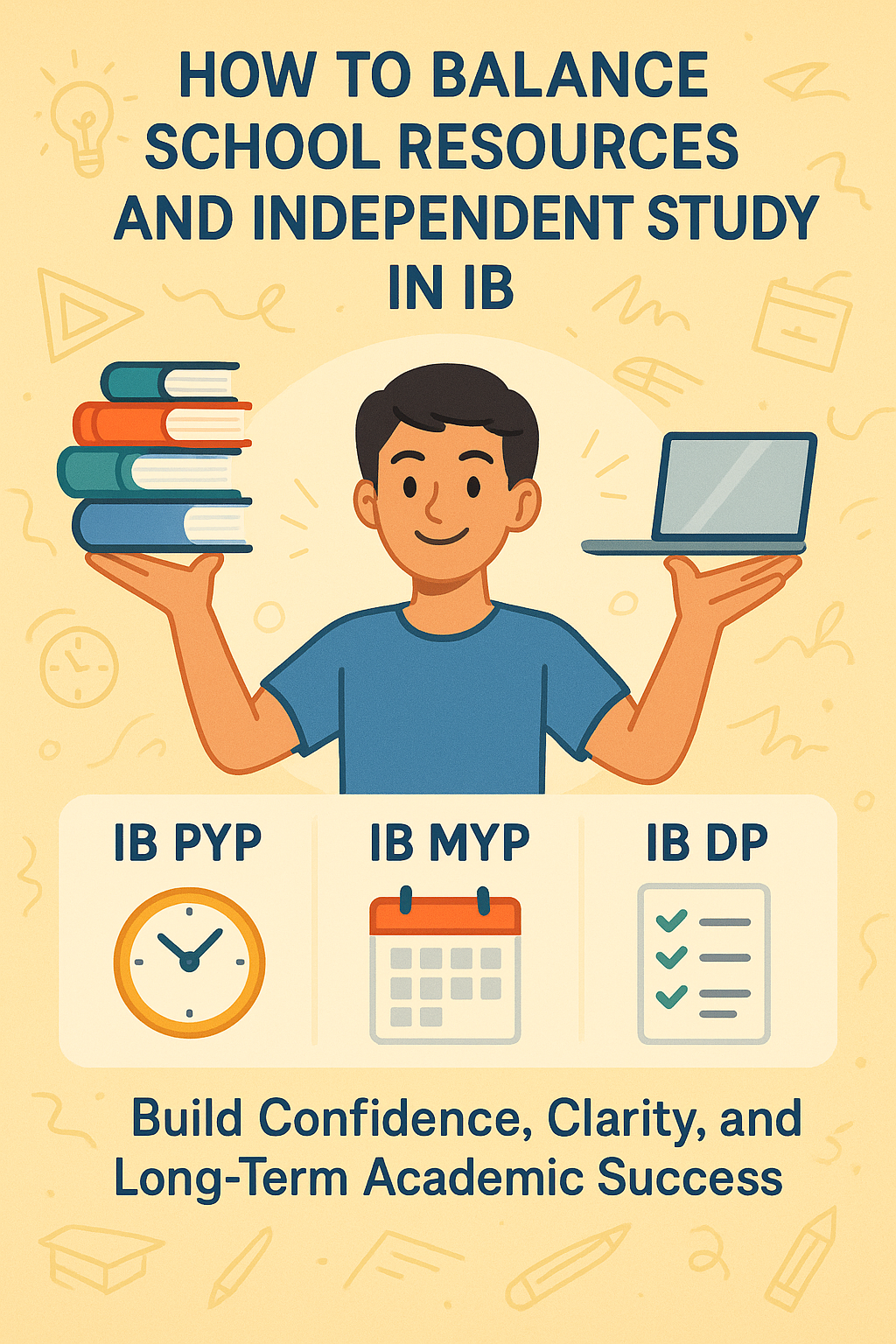
Learn how IB students can balance school resources and independent study across IB PYP, MYP, and DP to build...
Learn how parents can identify quality academic support for IB learners that aligns with IB PYP, MYP, and DP values...
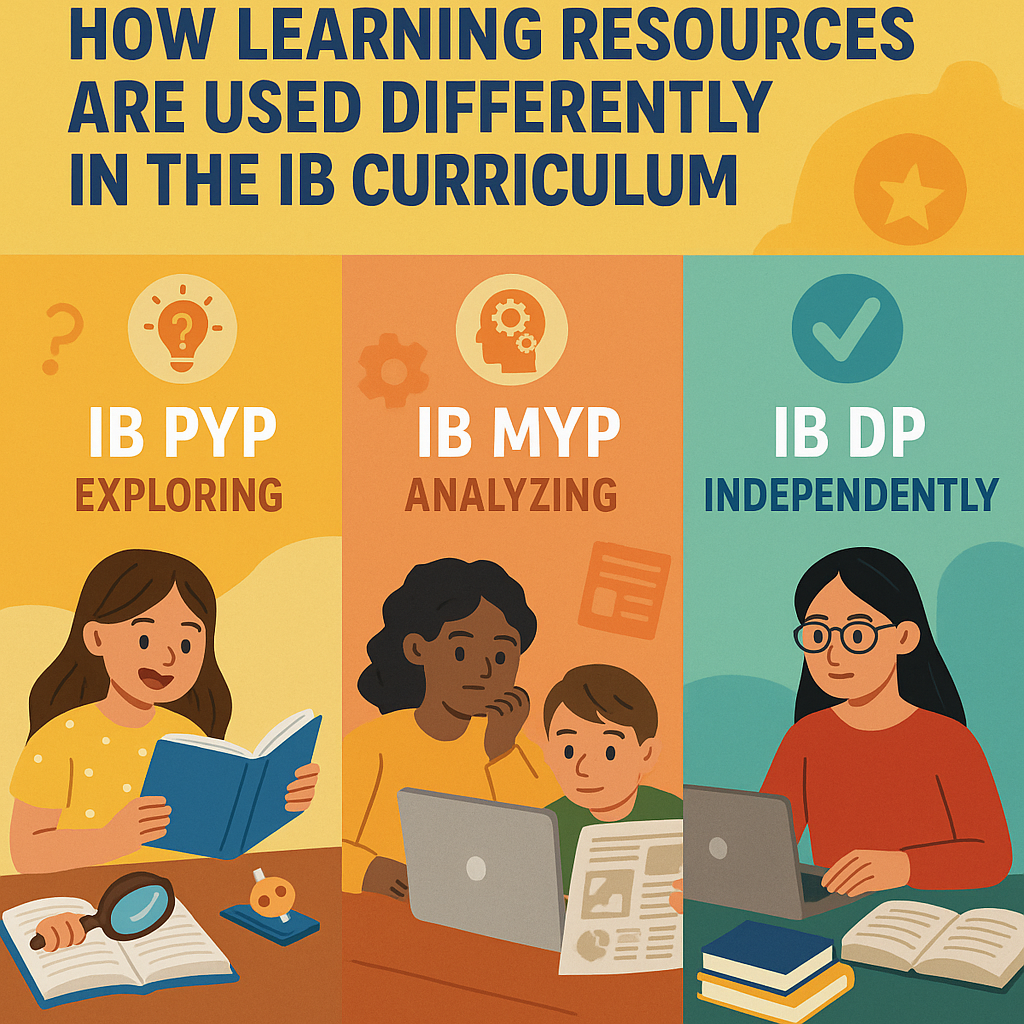
Discover how learning resources are used differently in the IB curriculum and how IB PYP, MYP, and DP students...
Learn how the IB curriculum helps students develop strong research and writing skills across IB PYP, MYP, and DP,...
Discover why reflection is a core skill in the IB education system and how it supports independent thinking,...
Learn how parents can support IB students across IB PYP, MYP, and DP without micromanaging, while building...
Learn how IB students can build consistency and discipline through sustainable routines, reflective habits, and...
Discover how the IB curriculum teaches students effective time management and academic planning skills that support...
Learn how IB students can avoid burnout while managing coursework by building balanced routines, aligning study...
Discover study habits that align with the IB curriculum and help students succeed through inquiry-based learning,...
Learn how the IB curriculum builds strong research and reading habits through inquiry-based learning, reflection,...
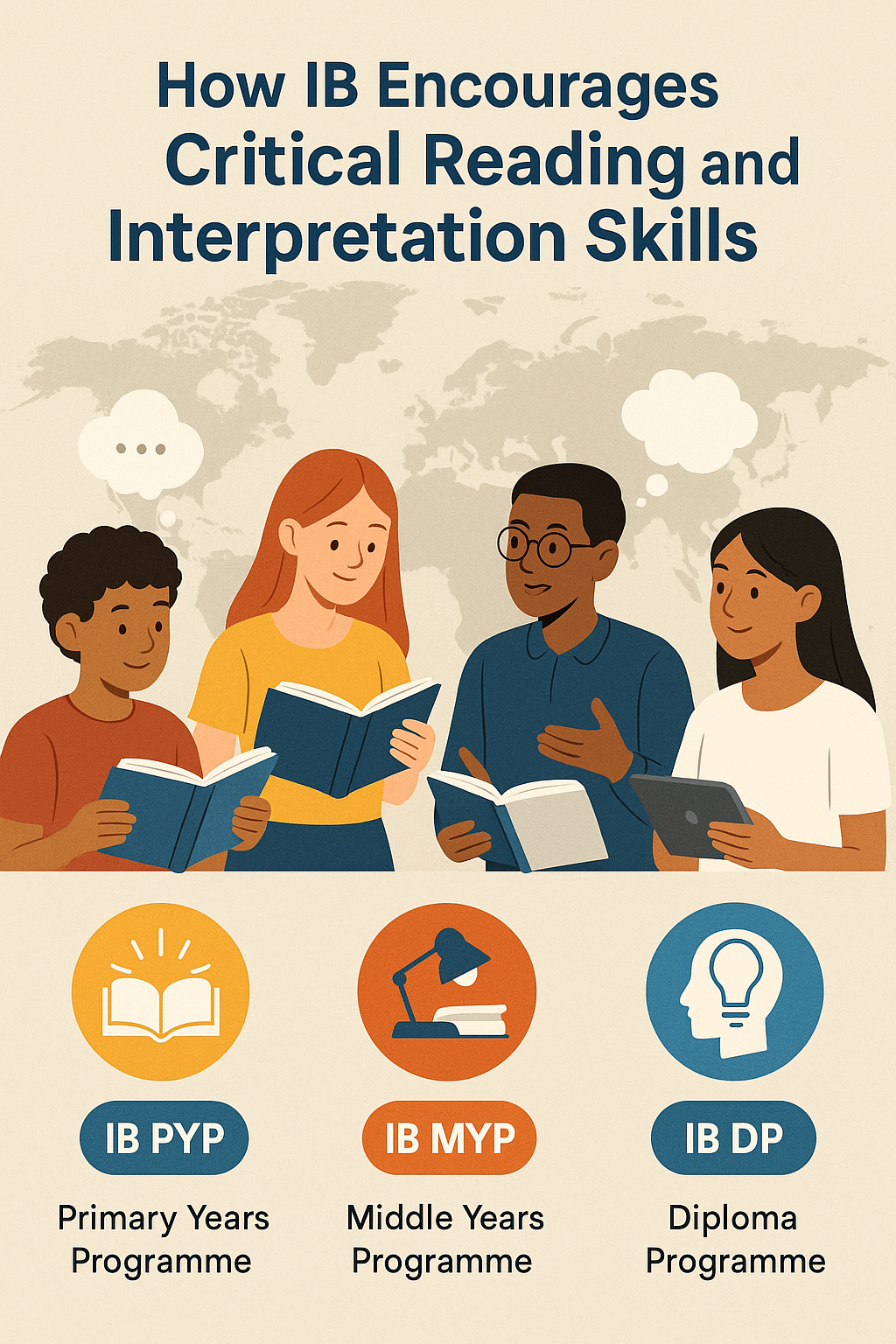
Discover how the IB syllabus builds strong critical reading and interpretation skills through inquiry-based...
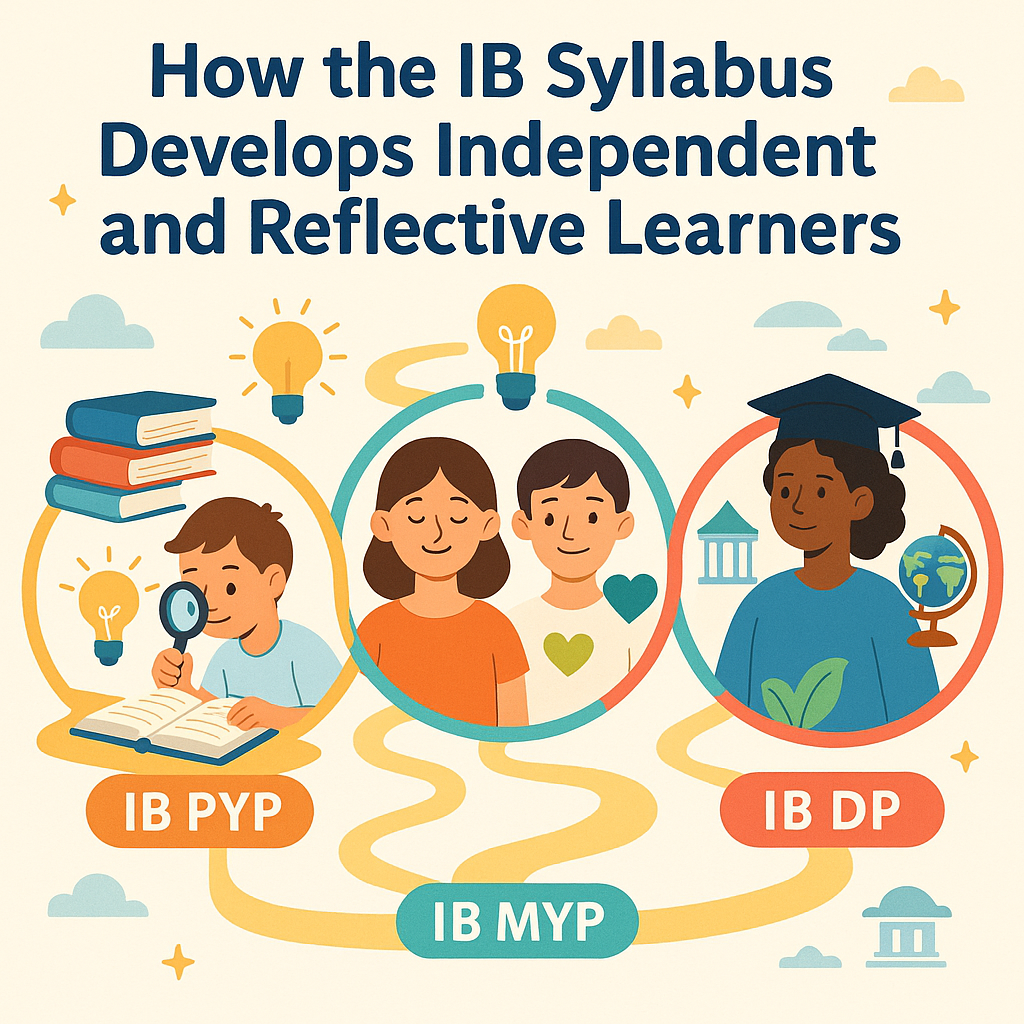
Discover how the IB syllabus builds independent and reflective learners through inquiry-based learning, emotional...
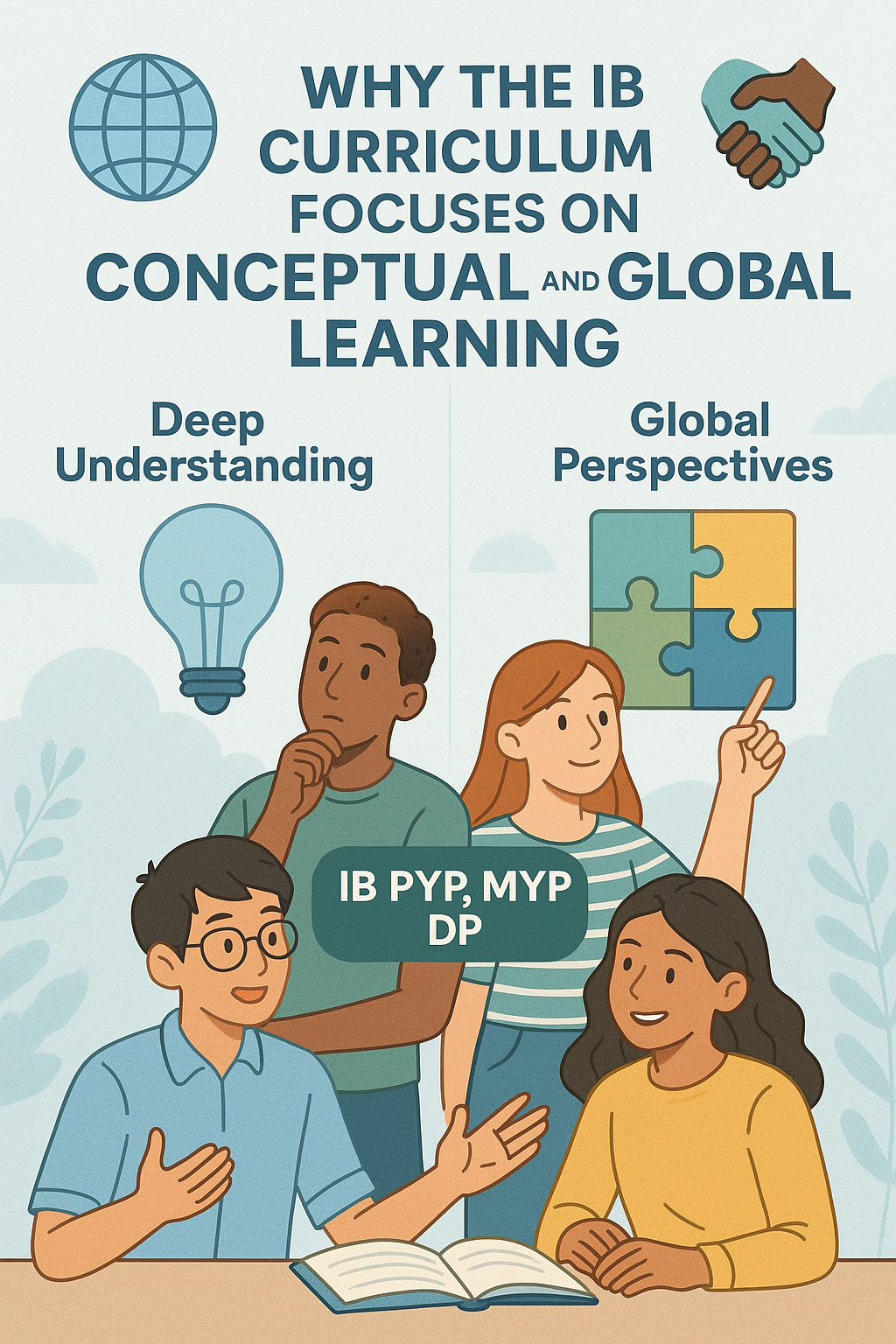
Learn why the IB curriculum focuses on conceptual and global learning, how IB PYP, MYP, and DP develop deep...
Understand the educational philosophy behind the IB board, including IB PYP, MYP, and DP, and learn how IB learning...
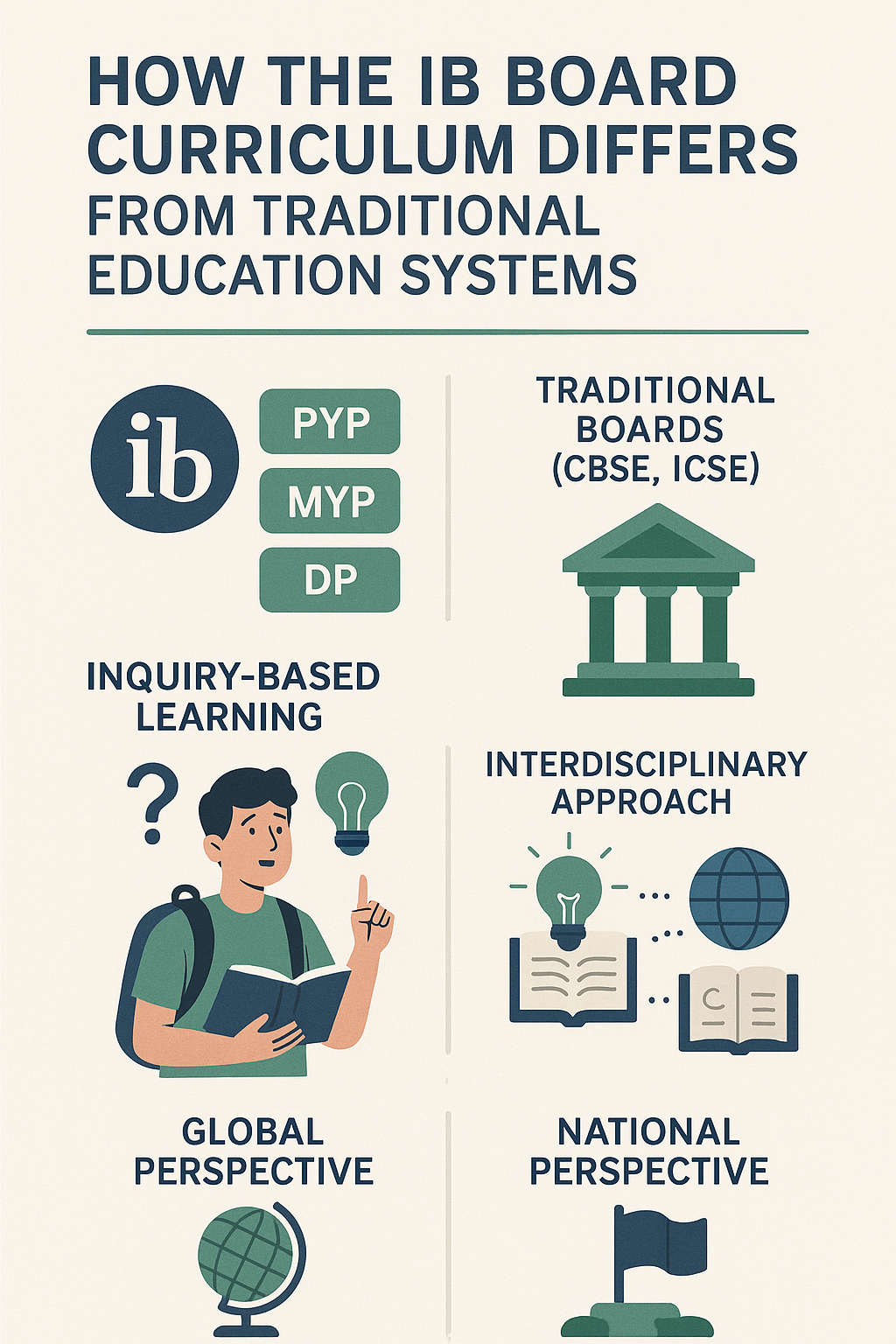
Explore how the IB board curriculum differs from traditional education systems like CBSE and ICSE, and understand IB...
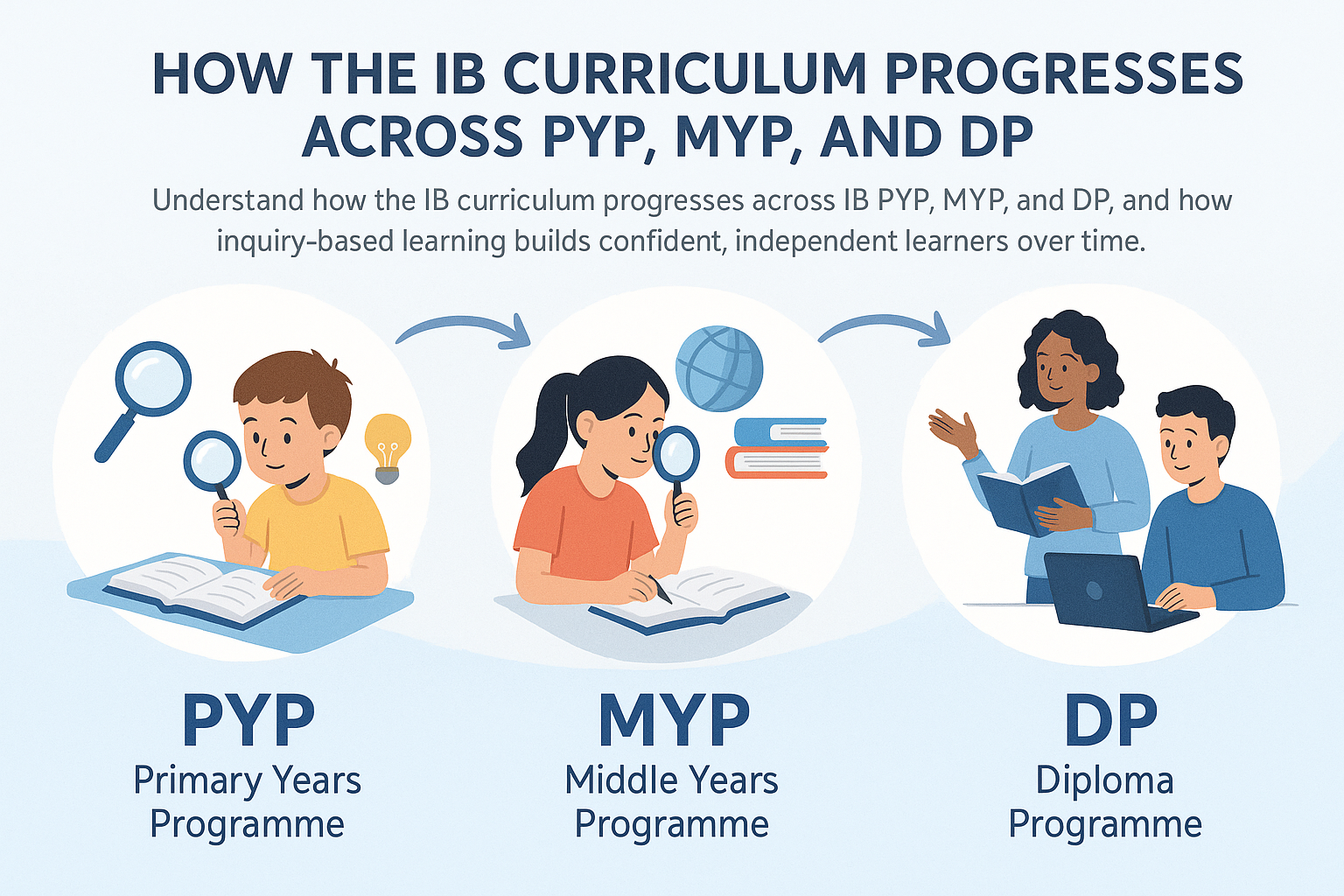
Understand how the IB curriculum progresses across IB PYP, MYP, and DP, and how inquiry-based learning builds...
A parent friendly guide to understanding the IB curriculum, IB PYP, MYP, and DP, and how inquiry based learning...
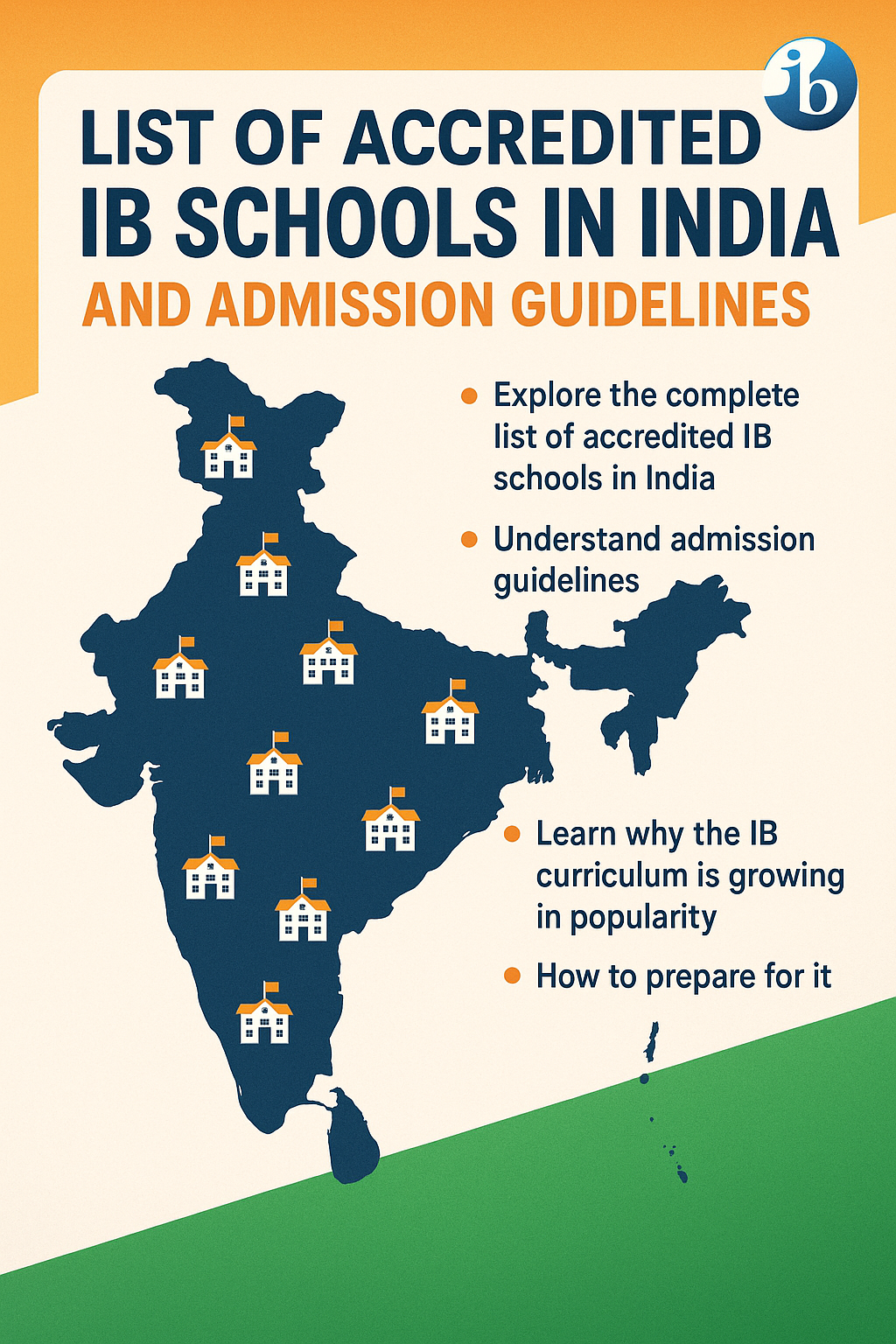
Explore the complete list of accredited IB schools in India and understand admission guidelines. Learn why the IB...

A complete guide for parents in Kolkata to understand the IB curriculum. Learn about PYP, MYP, IBDP stages,...

Discover the IB Diploma Programme curriculum, subject groups, core requirements, and benefits of IB. Learn how...

Thinking of joining the IB Programme? Learn about its rewards, challenges, and how AllRounder.ai can help you...

Discover the IB PYP curriculum framework, key learning areas, transdisciplinary themes, and how it nurtures lifelong...

Explore the IB syllabus structure, subject groups, and core components like TOK, CAS, and EE. A complete guide to IB...

Discover how the IB curriculum prepares students for Ivy League and top global universities. Explore skills,...

Explore how to choose IB subjects wisely. Learn about IB subject groups, HL vs SL, and combinations aligned with...

Understand the 10 IB Learner Profile attributes and why they matter in shaping global, future-ready students.

A detailed comparison of IB, CBSE, and ICSE boards. Learn about curriculum, teaching methods, and which board best...

Discover the IB Board – its global recognition, programs, and unique education philosophy.
Resources
-

Your complete JEE Advanced resource for eligibility, exam dates, syllabus, marks vs rank, and...
-
Understand the entire JEE Main process, from application and eligibility rules to the exam...
-

Explore the IB Board – a global curriculum emphasizing holistic, student-centered learning...
-

Learn about CBSE – India’s national school board offering a standardized curriculum, NCERT...
-

Explore everything about the ICSE board – its curriculum, subjects, exam format, and academic...