Professional Courses
Industry-relevant training in Business, Technology, and Design
Categories
Interactive Games
Fun games to boost memory, math, typing, and English skills
Typing
Memory
Math
English Adventures
Knowledge

Why Reflection Is a Core Skill in the IB Education System

Why Reflection Is a Core Skill in the IB Education System
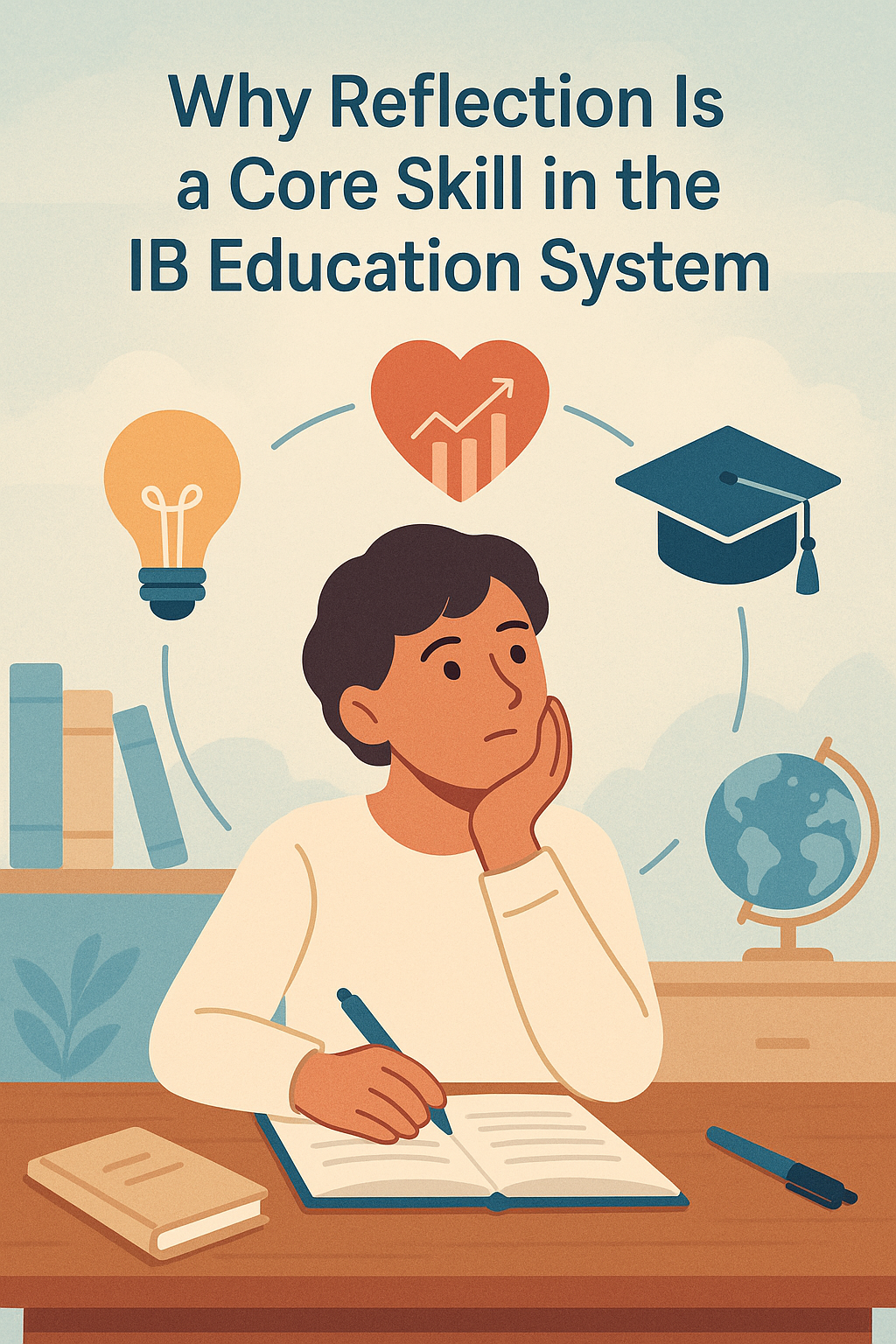
The International Baccalaureate education system is often described as rigorous, global, and future focused. While many people associate the IB with challenging academics, extended essays, and demanding assessments, one of its most powerful strengths is less visible but deeply influential. Reflection sits at the heart of the IB philosophy. It shapes how students learn, think, grow, and understand themselves.
Reflection is not treated as an optional add-on in the IB curriculum. It is a core skill that runs through the IB PYP, IB MYP, and IB DP programmes. Students are encouraged to think about what they learn, how they learn, and why their learning matters. This habit builds self-awareness, resilience, and independent thinking. Understanding why reflection matters helps parents and students appreciate what makes IB education truly different.
Understanding Reflection in the IB Context
Reflection in the IB system goes beyond simply reviewing mistakes. It involves thinking critically about experiences, ideas, actions, and outcomes. Students are encouraged to ask questions such as what worked, what did not, what could be improved, and how learning connects to the real world.
The IB curriculum places strong emphasis on metacognition, which means thinking about one’s own thinking. This process helps students become active participants in their education rather than passive receivers of information. Parents who want to understand this philosophy better can explore the IB curriculum guide for parents, which explains how reflection supports long-term learning.
Why Reflection Matters More Than Memorisation
Traditional education systems often reward memorisation and repetition. While knowledge is important, memorised information can fade quickly. Reflection helps students retain learning by encouraging them to process ideas deeply and apply them in different contexts.
When students reflect, they connect new concepts to prior knowledge, personal experiences, and real-world situations. This makes learning meaningful and long lasting. Reflection also helps students understand why they made certain mistakes instead of simply correcting them. This approach aligns closely with the IB goal of developing lifelong learners rather than exam-focused students.
Reflection as a Foundation of the IB Philosophy
The IB philosophy aims to develop inquiring, knowledgeable, and caring individuals. Reflection supports each of these goals. Inquiry begins when students reflect on what they know and what they want to understand. Knowledge deepens when students think about how concepts relate across subjects. Caring develops when students reflect on ethical questions, global issues, and different perspectives.
Reflection is embedded into the structure of the IB syllabus itself. From classroom discussions to project work and assessments, students are expected to evaluate their learning process. Parents and students who explore the IB programme guide for students often notice how reflection shapes academic expectations across all levels.
Reflection in the IB Primary Years Programme
In the IB PYP, reflection begins at an early age in simple and accessible ways. Young learners are encouraged to talk about what they learned, what surprised them, and what they enjoyed. Reflection is often verbal, visual, or creative rather than written.
This early introduction helps children become comfortable expressing thoughts and emotions about learning. Reflection in IB PYP supports curiosity and confidence rather than performance pressure. Parents interested in how reflection works at this stage can explore the IB PYP curriculum guide, which highlights inquiry and self-expression as central learning tools.
Reflection During the IB MYP Years
As students move into the Middle Years Programme, reflection becomes more structured. Students begin writing reflective statements, evaluating projects, and reviewing feedback in detail. Reflection helps them identify strengths, weaknesses, and areas for growth.
During IB MYP, students manage multiple subjects and interdisciplinary projects. Reflection helps them see connections between subjects and understand how skills transfer across disciplines. This habit also supports emotional balance by helping students process feedback constructively rather than emotionally.
Reflection in the IB Diploma Programme
The IB DP places strong emphasis on reflection as part of academic maturity. Students engage in reflection through internal assessments, extended essays, creativity activity service experiences, and theory of knowledge.
Reflection in IB DP is not about self criticism. It is about awareness and growth. Students reflect on research decisions, time management, ethical considerations, and learning strategies. This prepares them for university environments where independent learning is essential. Parents can gain insight into diploma expectations through the IBDP curriculum subjects and benefits guide.
How Reflection Builds Independent Learners
One of the biggest benefits of reflection is independence. When students reflect regularly, they rely less on external validation and more on self-assessment. They learn to recognise when they understand a concept and when they need help.
Independent learners are better prepared to manage academic pressure. Reflection teaches students to pause, evaluate, and adjust strategies instead of panicking or giving up. This independence is a key reason many families choose IB-aligned learning options such as IB courses, which reinforce inquiry and self-paced understanding.
Reflection and Emotional Intelligence
Reflection also supports emotional intelligence. Students learn to identify emotions linked to success, failure, stress, or confidence. By reflecting on how emotions affect learning, students develop healthier coping strategies.
For example, a student who reflects on exam anxiety may recognise patterns that trigger stress and find ways to manage it better. Emotional awareness reduces burnout and builds resilience, which are essential skills during demanding academic years.
Reflection as a Tool for Better Academic Performance
Contrary to common belief, reflection does not slow academic progress. It often improves performance. Students who reflect regularly make fewer repeated mistakes and approach assessments with clarity.
Reflection helps students understand examiner feedback, refine strategies, and set realistic goals. Combined with consistent practice through tools like practice tests, reflection transforms feedback into measurable improvement rather than frustration.
Encouraging Reflection at Home Without Pressure
Parents sometimes worry about how to support reflection without adding pressure. The key is conversation rather than interrogation. Asking open-ended questions like what did you find interesting today or what challenged you encourages reflection naturally.
Avoid turning reflection into a performance review. The goal is awareness, not judgement. Creating a safe space for reflection helps students express thoughts honestly and develop confidence in their learning journey.
Reflection Across Subjects and Grades
Reflection benefits students at every academic stage. Younger students reflect through discussion and storytelling, while older students use journals and written evaluations. The skill evolves as students grow.
Structured learning pathways across grades support reflective habits. Students can benefit from academic resources aligned with reflective learning such as Grade 8 courses, Grade 9 courses, Grade 10 courses, Grade 11 courses, and Grade 12 courses. These resources encourage thoughtful engagement rather than surface learning.
Reflection and Understanding the IB Syllabus
The IB syllabus is designed to encourage depth over breadth. Reflection helps students navigate complex content without feeling overwhelmed. Instead of rushing through topics, reflective students assess understanding before moving forward.
Parents who want clarity on how subjects are structured can explore the IB syllabus key learning areas breakdown. This helps families appreciate how reflection supports conceptual understanding rather than rote completion.
Reflection as Preparation for University Life
Universities value IB students for their ability to reflect critically on learning experiences. Reflection prepares students for independent research, self-directed study, and academic writing at higher education levels.
Students accustomed to reflection adapt more easily to university feedback systems and academic expectations. The long-term value of reflective learning is highlighted in the IB curriculum university preparation guide, which explains why IB students often transition smoothly into higher education.
Reflection Beyond Academics
Reflection in the IB system extends beyond textbooks and exams. It encourages students to think about ethical choices, community involvement, and global responsibility. Students reflect on how their actions affect others and how learning connects to real-world challenges.
This holistic approach shapes well-rounded individuals who are thoughtful, empathetic, and adaptable. Reflection helps students develop values alongside academic skills.
Balancing Reflection With Action
Reflection is meaningful when paired with action. The IB system encourages students to use insights from reflection to improve strategies, adjust goals, and take initiative. Reflection without change is incomplete.
When students learn to act on reflection, they become proactive learners. This balance between thinking and doing prepares them for complex problem solving beyond school.
Supporting Reflective Learning Through Engaging Tools
Reflection thrives in engaging environments. Interactive and inquiry-based tools support reflective habits by encouraging exploration and experimentation. Educational platforms like AllRounder.ai provide structured learning experiences that complement IB philosophy.
Interactive activities such as learning games allow students to reflect on strategies, outcomes, and decision-making in a low-pressure environment.
Reflection as a Lifelong Skill
Perhaps the most valuable outcome of reflective learning is that it extends far beyond school. Students who learn to reflect effectively carry this skill into careers, relationships, and personal growth.
Reflection helps individuals adapt, learn from experience, and make thoughtful decisions. The IB system intentionally builds this habit early, recognising its importance in an unpredictable world.
Final Thoughts on Reflection in the IB Education System
Reflection is not an academic extra in the IB curriculum. It is a foundational skill that shapes how students learn, grow, and understand themselves. From the IB PYP to the IB DP, reflection supports independent thinking, emotional intelligence, and academic depth.
When students embrace reflection, learning becomes meaningful rather than mechanical. With supportive environments, thoughtful guidance, and aligned resources, reflection transforms education into a lifelong journey of growth and understanding.
Learn how IB students can balance school resources and independent study across IB PYP, MYP, and DP to build...
Learn how parents can identify quality academic support for IB learners that aligns with IB PYP, MYP, and DP values...
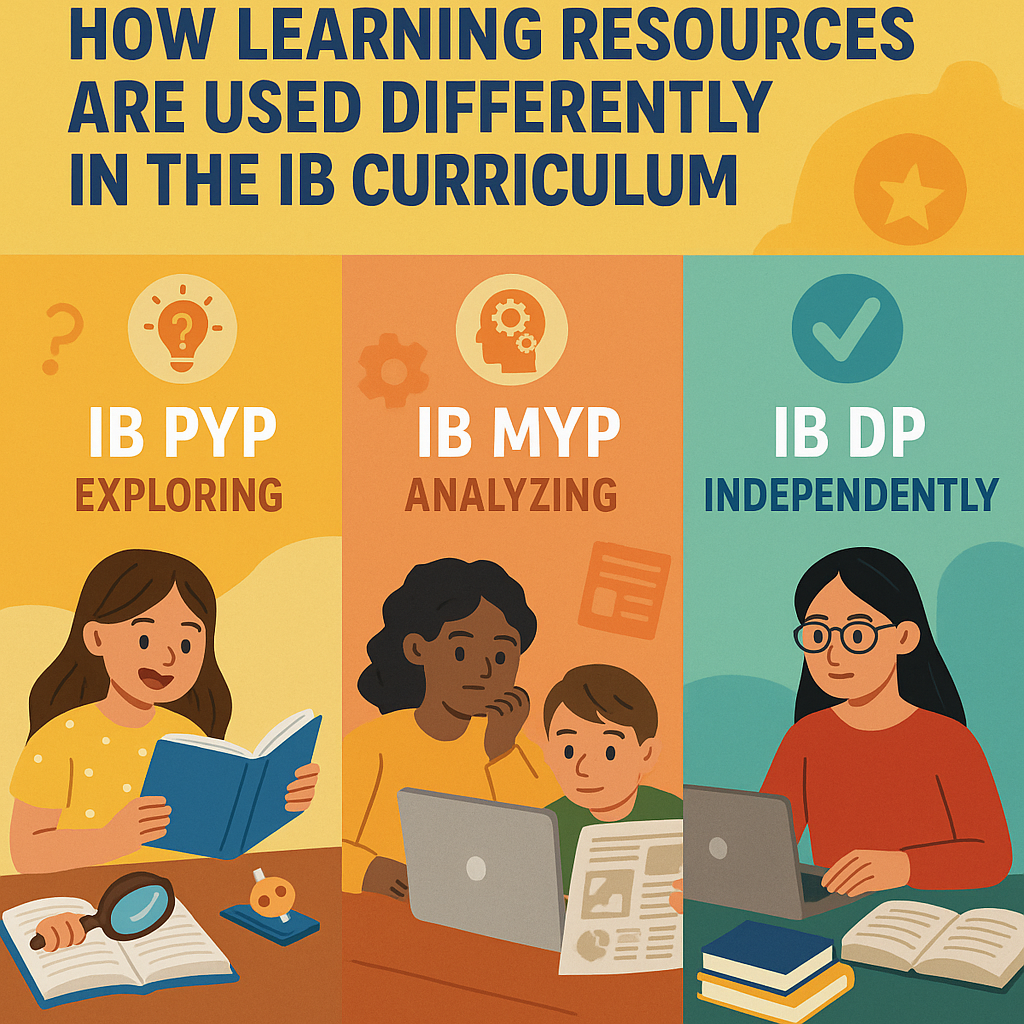
Discover how learning resources are used differently in the IB curriculum and how IB PYP, MYP, and DP students...
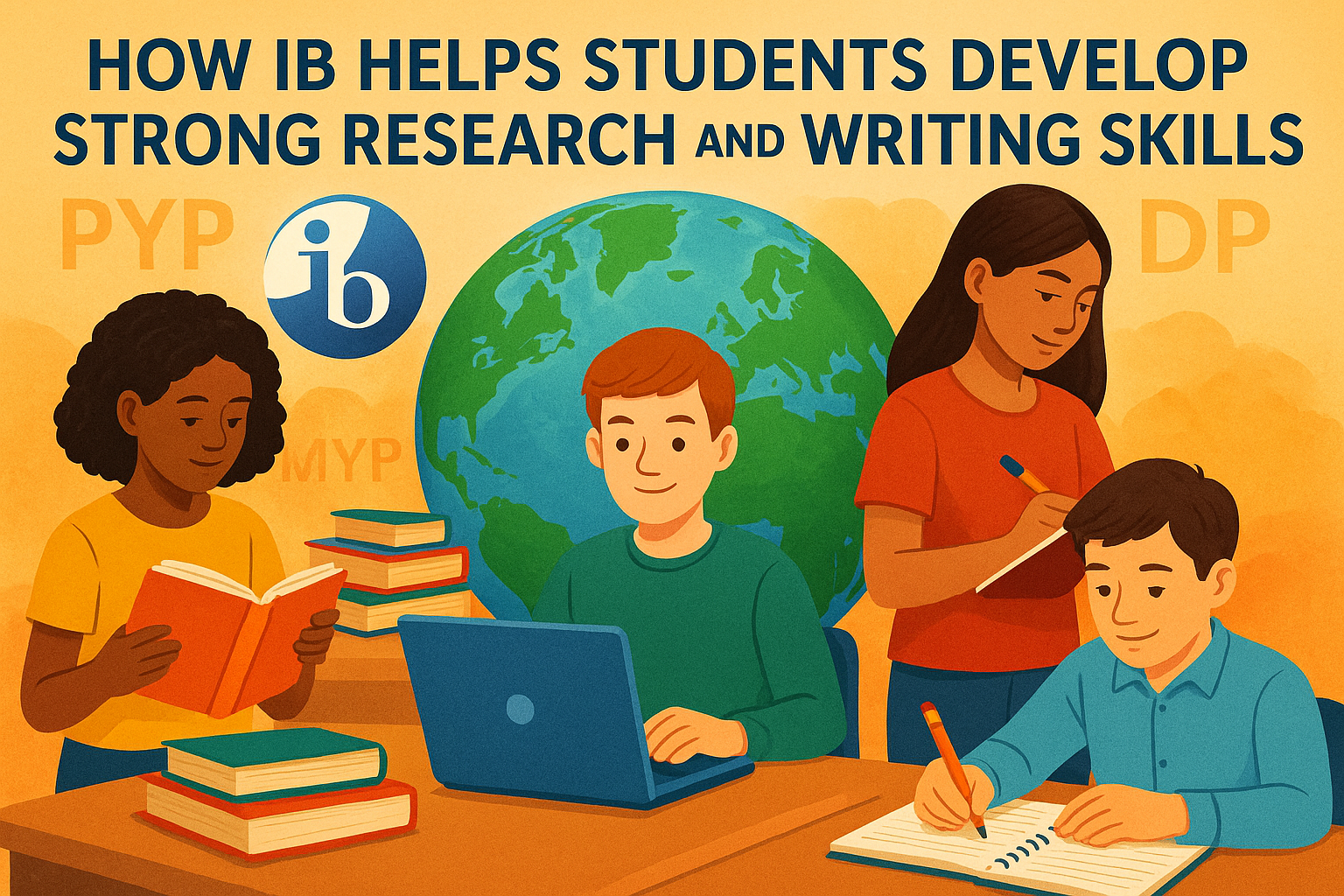
Learn how the IB curriculum helps students develop strong research and writing skills across IB PYP, MYP, and DP,...
Discover why reflection is a core skill in the IB education system and how it supports independent thinking,...
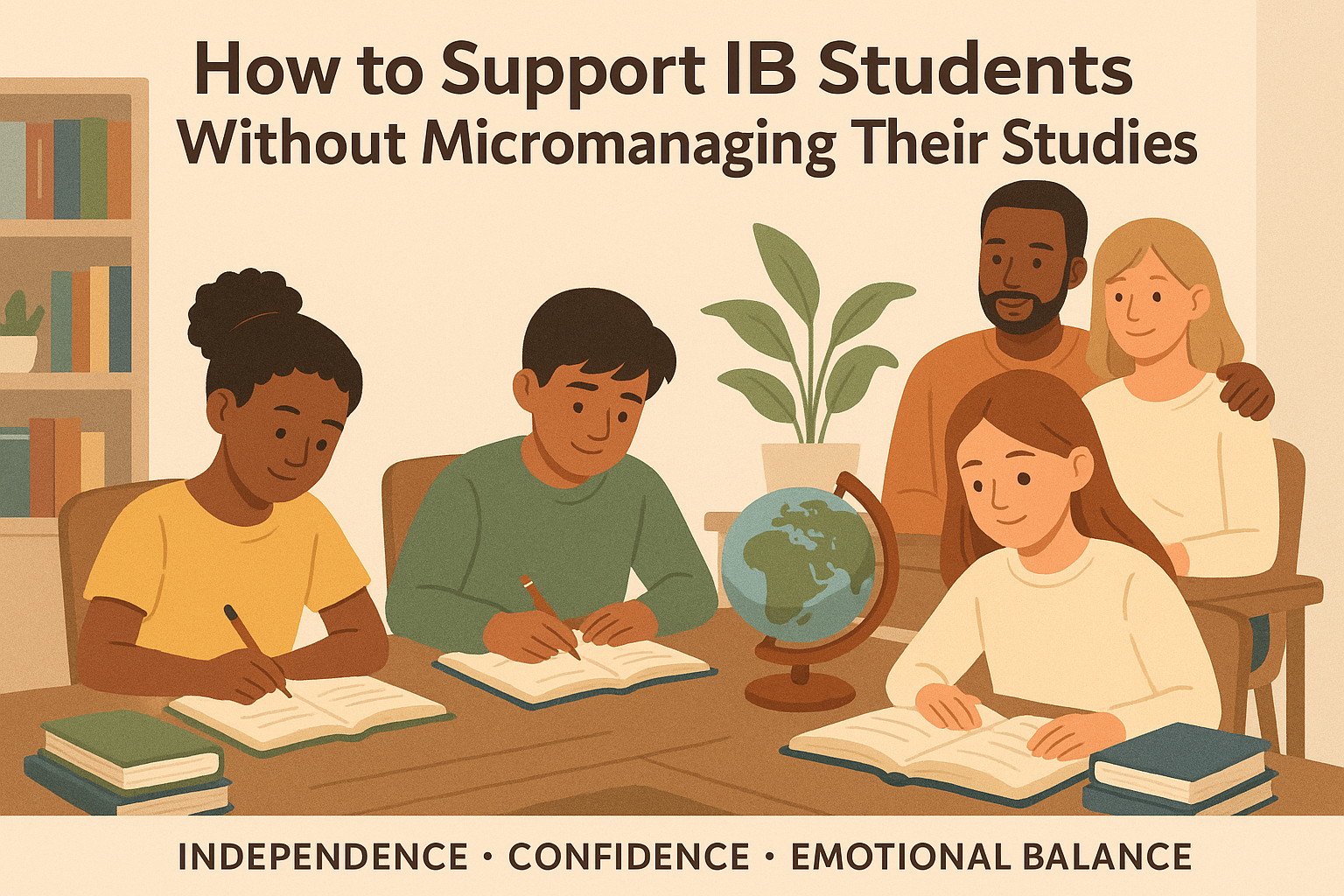
Learn how parents can support IB students across IB PYP, MYP, and DP without micromanaging, while building...
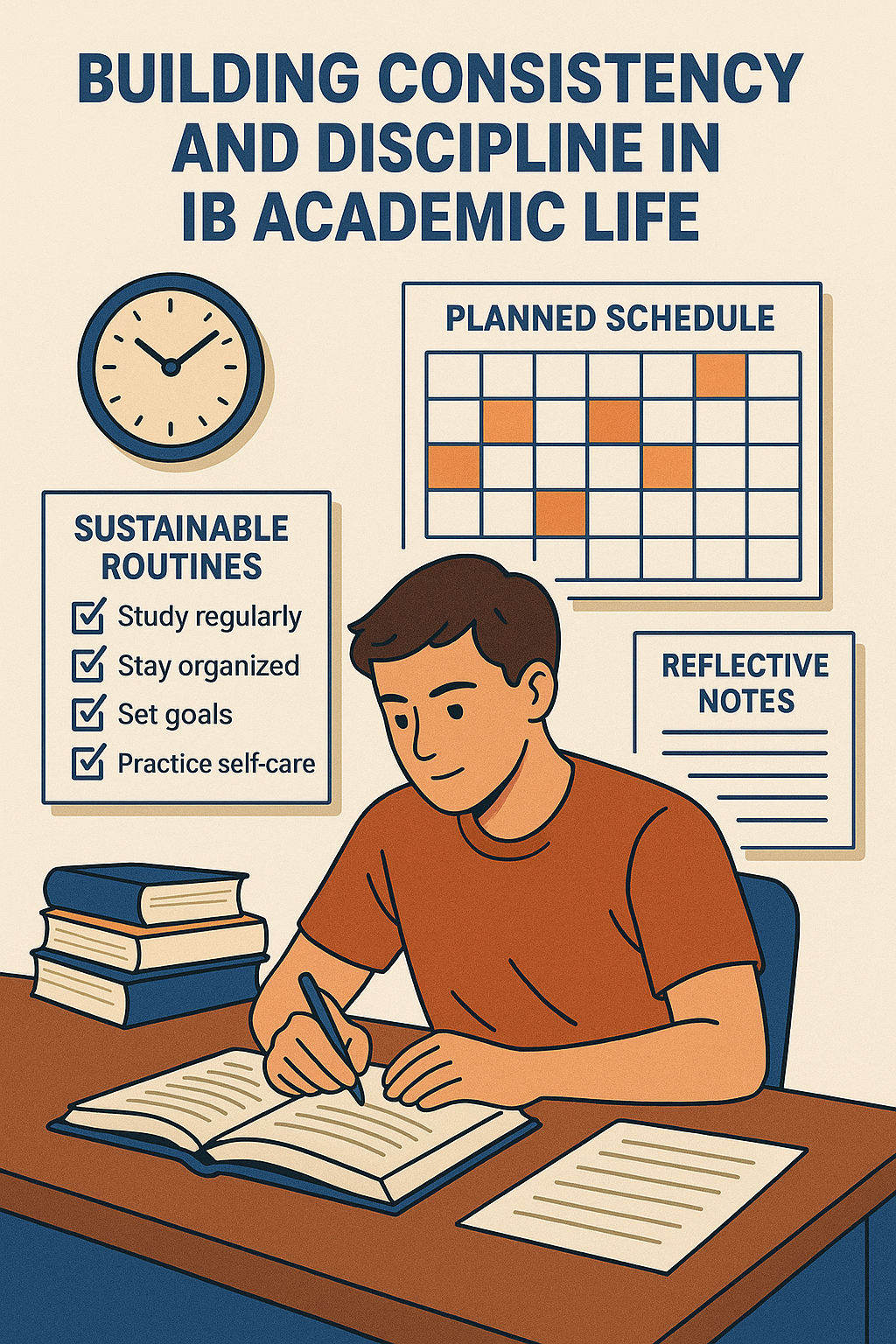
Learn how IB students can build consistency and discipline through sustainable routines, reflective habits, and...
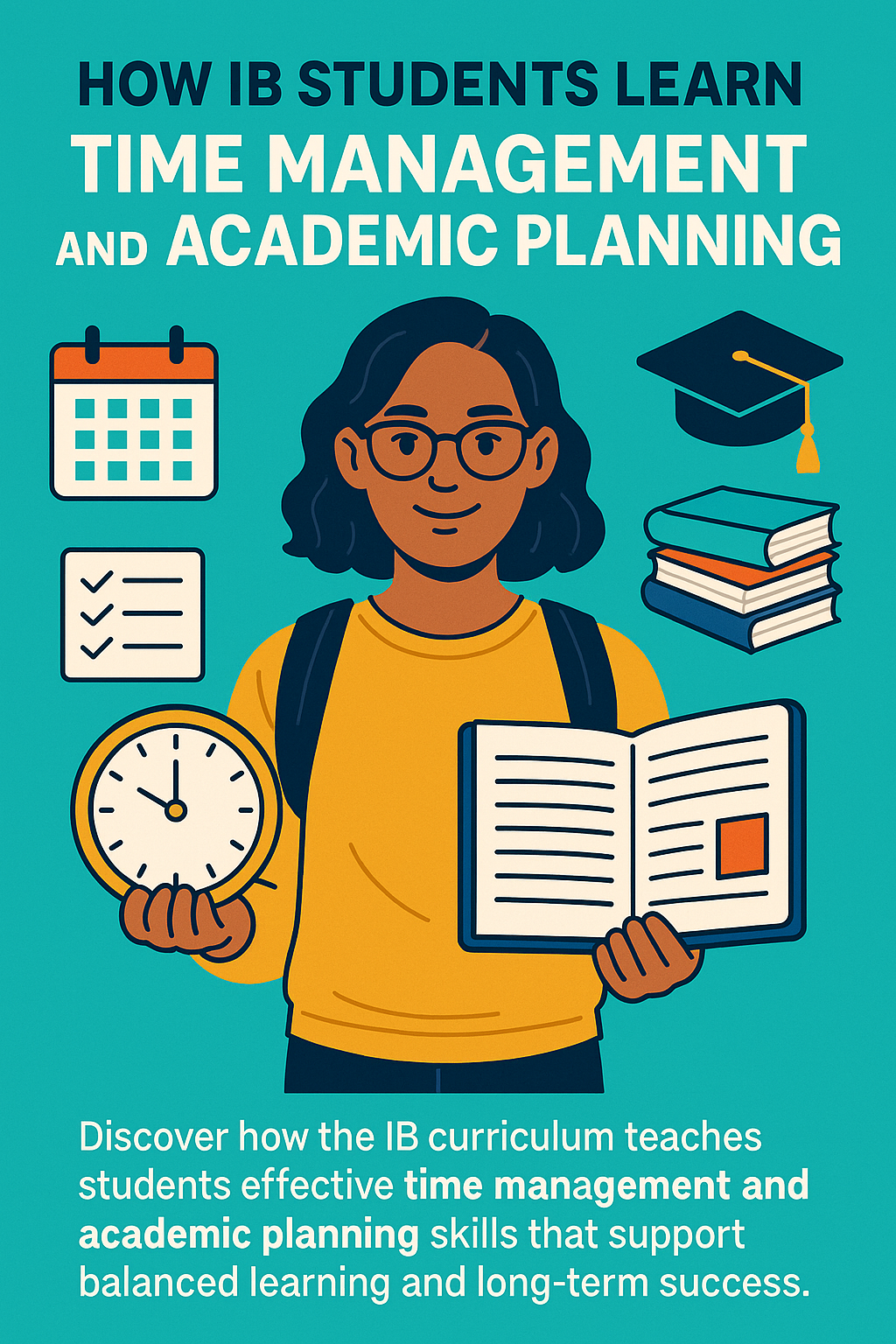
Discover how the IB curriculum teaches students effective time management and academic planning skills that support...
Learn how IB students can avoid burnout while managing coursework by building balanced routines, aligning study...
Discover study habits that align with the IB curriculum and help students succeed through inquiry-based learning,...
Learn how the IB curriculum builds strong research and reading habits through inquiry-based learning, reflection,...
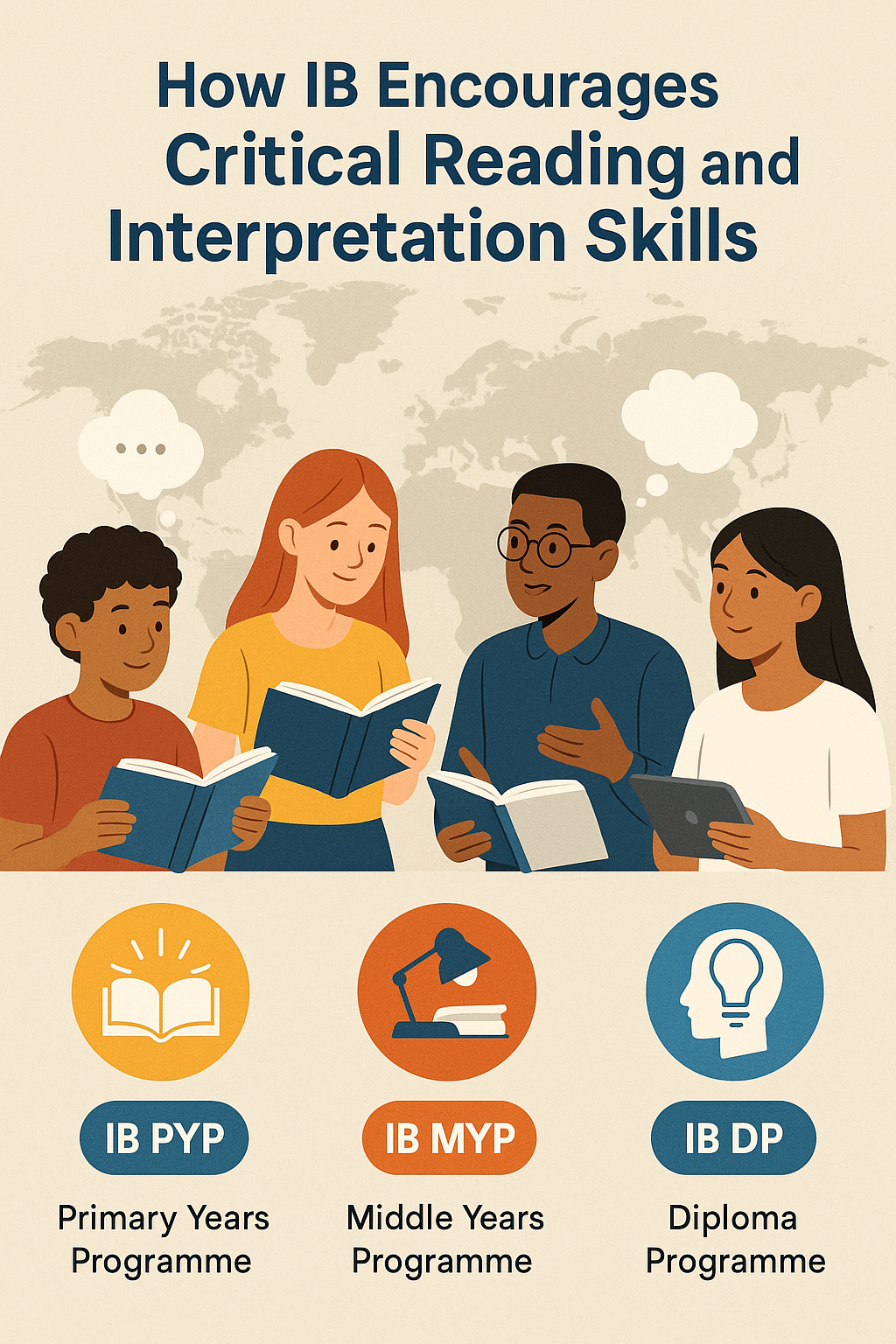
Discover how the IB syllabus builds strong critical reading and interpretation skills through inquiry-based...
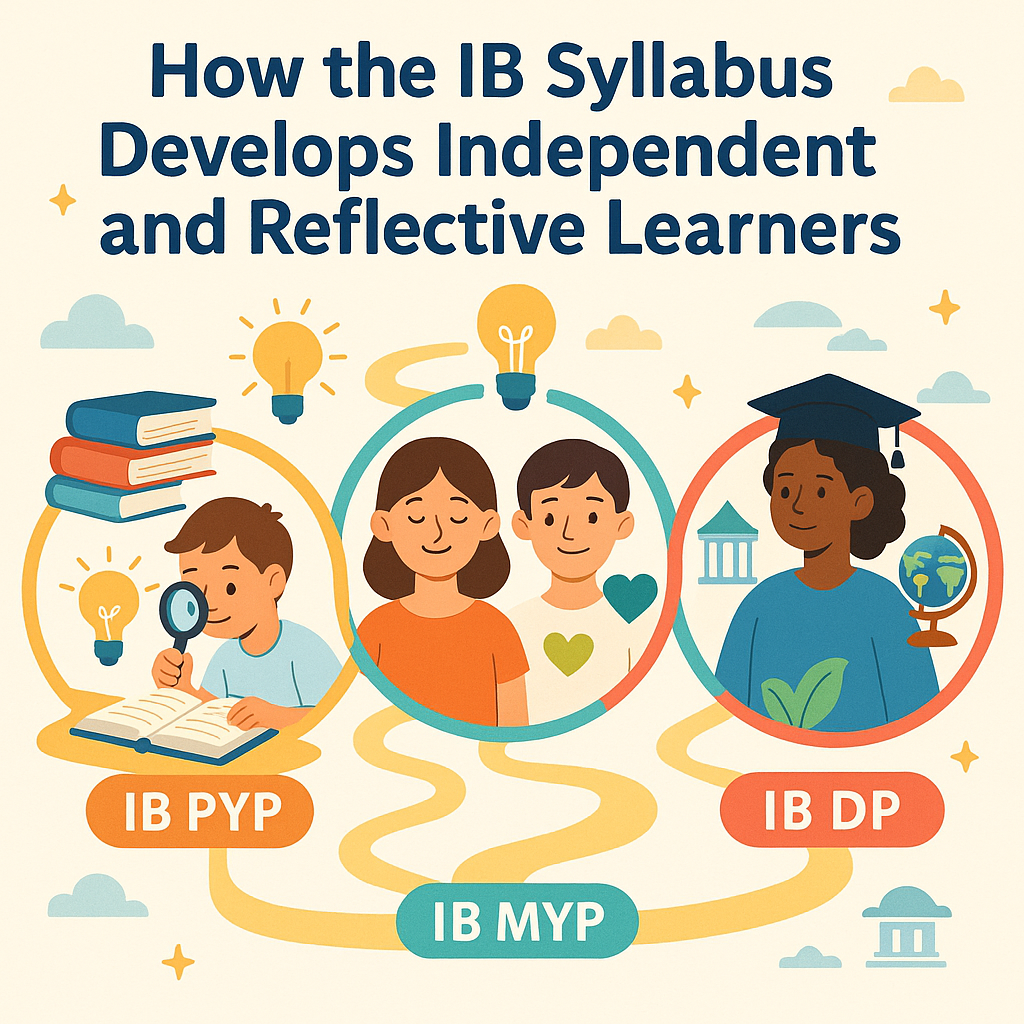
Discover how the IB syllabus builds independent and reflective learners through inquiry-based learning, emotional...
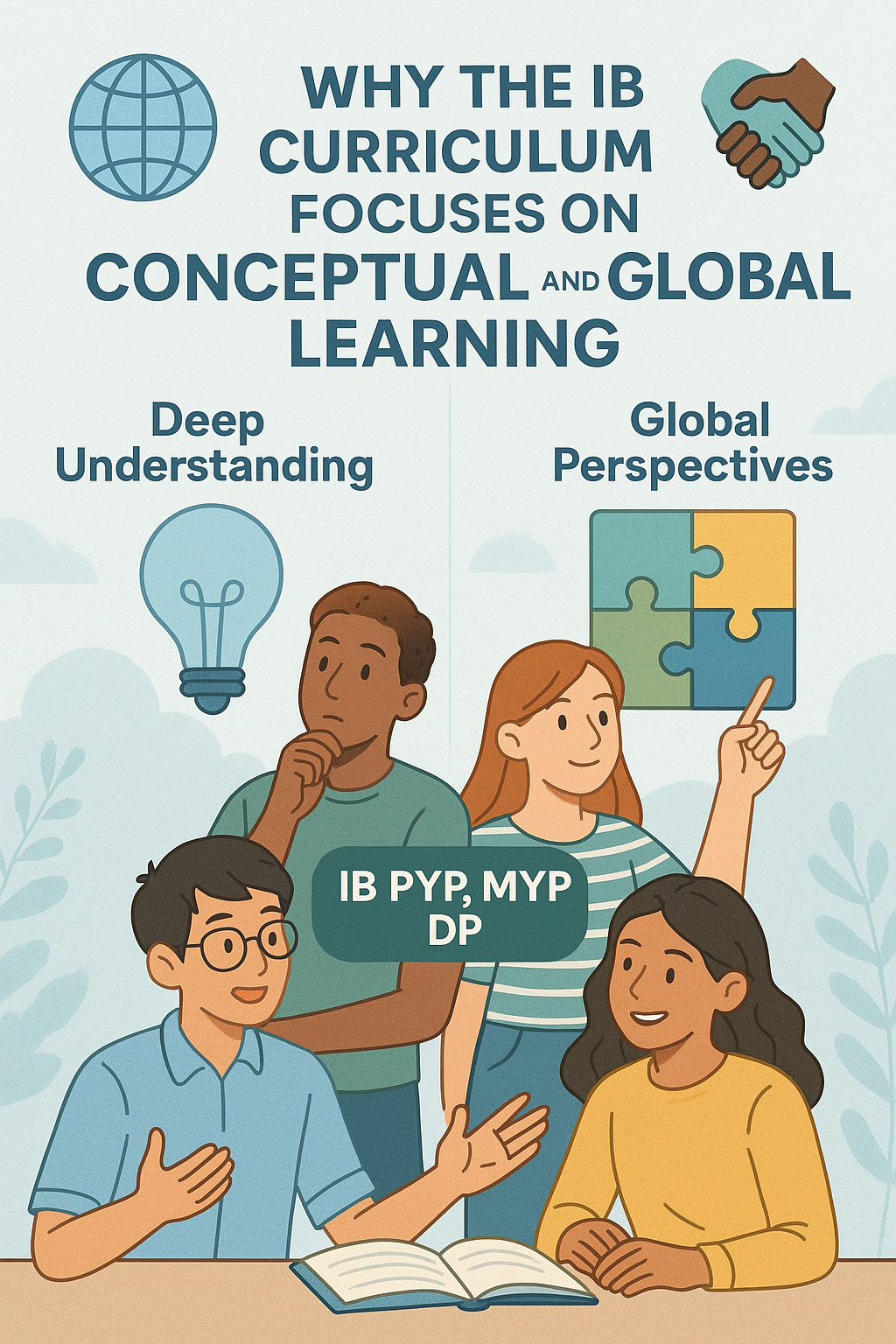
Learn why the IB curriculum focuses on conceptual and global learning, how IB PYP, MYP, and DP develop deep...
Understand the educational philosophy behind the IB board, including IB PYP, MYP, and DP, and learn how IB learning...
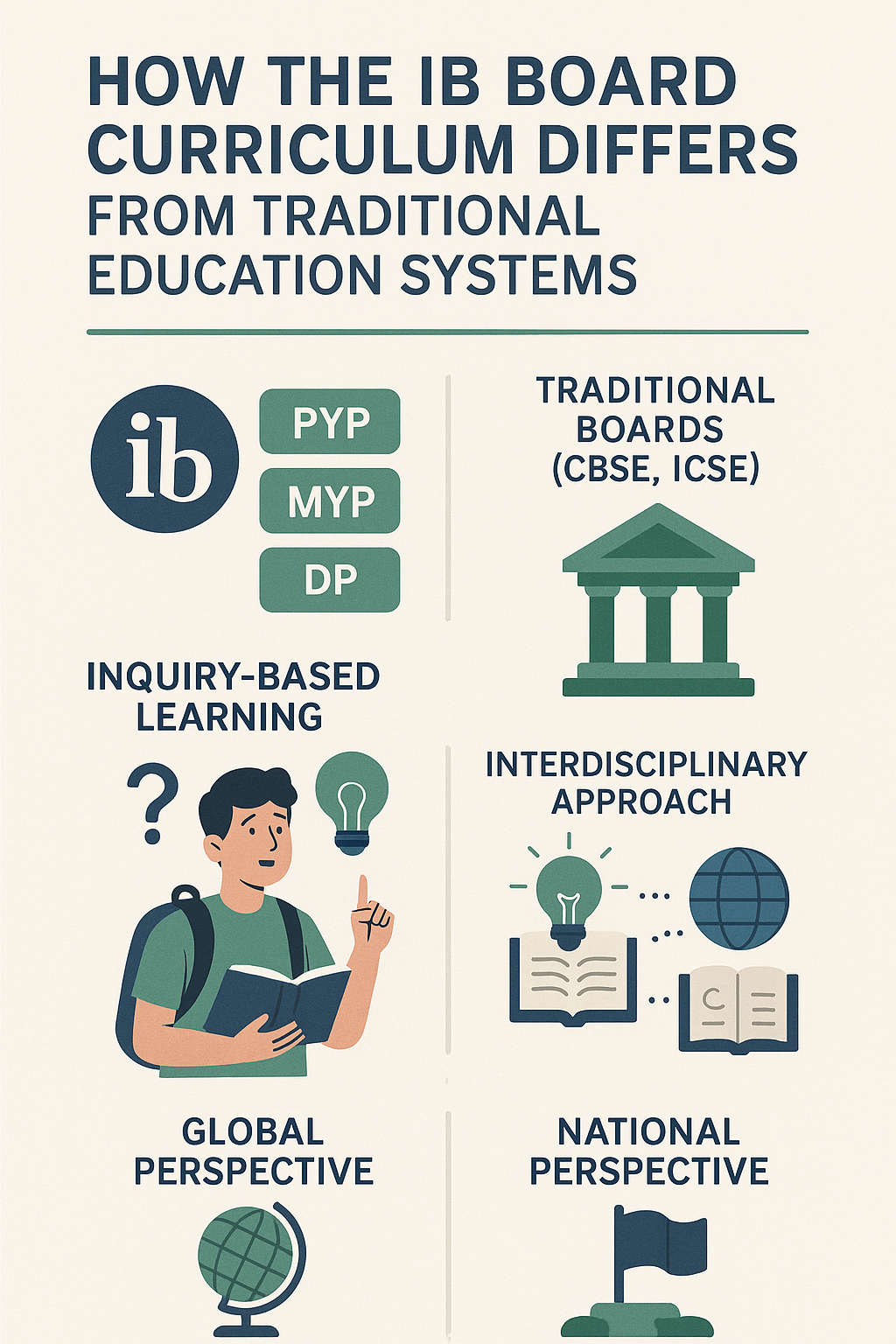
Explore how the IB board curriculum differs from traditional education systems like CBSE and ICSE, and understand IB...
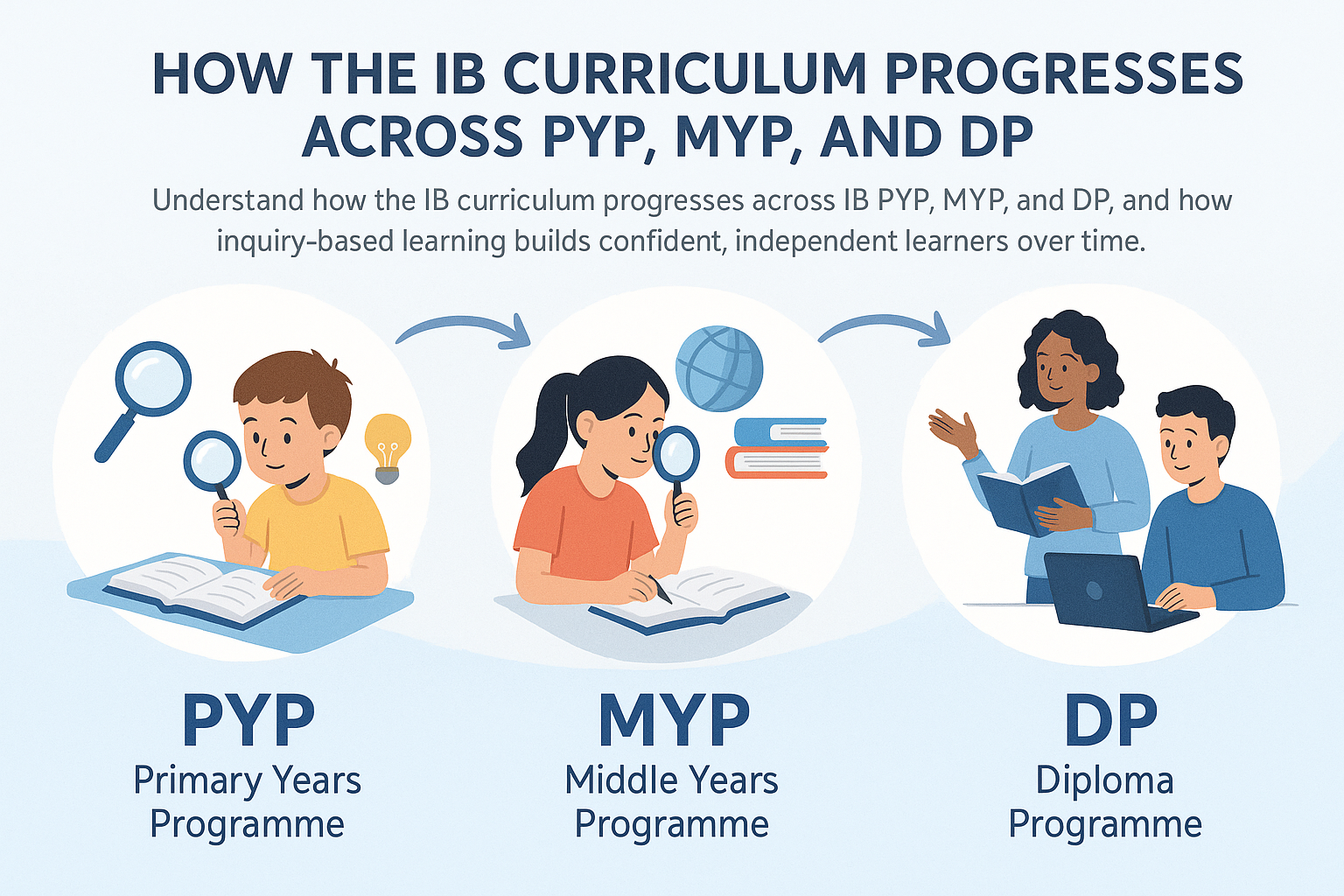
Understand how the IB curriculum progresses across IB PYP, MYP, and DP, and how inquiry-based learning builds...
A parent friendly guide to understanding the IB curriculum, IB PYP, MYP, and DP, and how inquiry based learning...
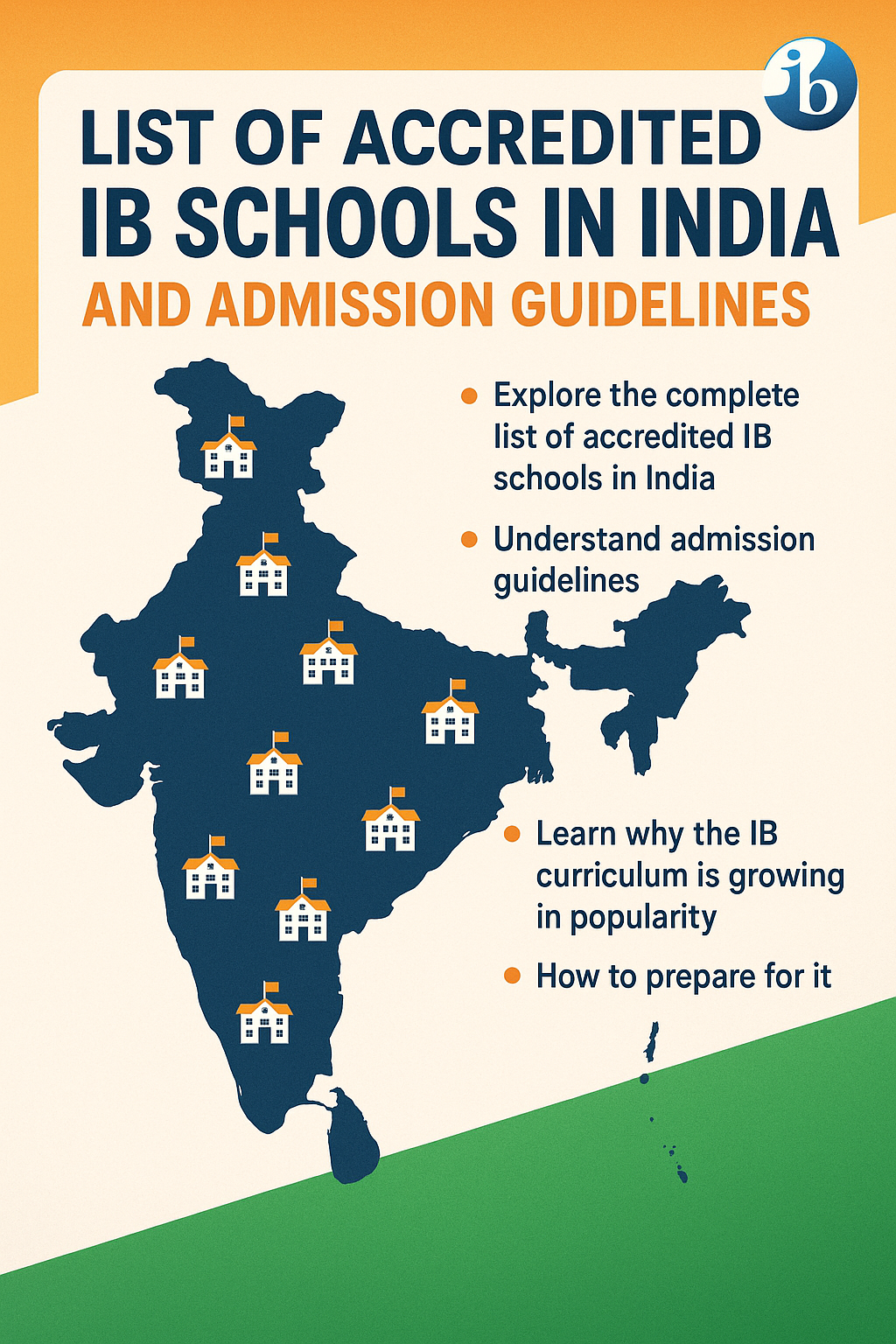
Explore the complete list of accredited IB schools in India and understand admission guidelines. Learn why the IB...

A complete guide for parents in Kolkata to understand the IB curriculum. Learn about PYP, MYP, IBDP stages,...

Discover the IB Diploma Programme curriculum, subject groups, core requirements, and benefits of IB. Learn how...

Thinking of joining the IB Programme? Learn about its rewards, challenges, and how AllRounder.ai can help you...

Discover the IB PYP curriculum framework, key learning areas, transdisciplinary themes, and how it nurtures lifelong...

Explore the IB syllabus structure, subject groups, and core components like TOK, CAS, and EE. A complete guide to IB...

Discover how the IB curriculum prepares students for Ivy League and top global universities. Explore skills,...

Explore how to choose IB subjects wisely. Learn about IB subject groups, HL vs SL, and combinations aligned with...

Understand the 10 IB Learner Profile attributes and why they matter in shaping global, future-ready students.

A detailed comparison of IB, CBSE, and ICSE boards. Learn about curriculum, teaching methods, and which board best...

Discover the IB Board – its global recognition, programs, and unique education philosophy.
Resources
-
Your complete JEE Advanced resource for eligibility, exam dates, syllabus, marks vs rank, and...
-
Understand the entire JEE Main process, from application and eligibility rules to the exam...
-

Explore the IB Board – a global curriculum emphasizing holistic, student-centered learning...
-

Learn about CBSE – India’s national school board offering a standardized curriculum, NCERT...
-

Explore everything about the ICSE board – its curriculum, subjects, exam format, and academic...