Professional Courses
Industry-relevant training in Business, Technology, and Design
Categories
Interactive Games
Fun games to boost memory, math, typing, and English skills
Typing
Memory
Math
English Adventures
Knowledge

Understanding the IB Curriculum: A Parent’s Guide to Inquiry-Based Learning

Understanding the IB Curriculum: A Parent’s Guide to Inquiry-Based Learning
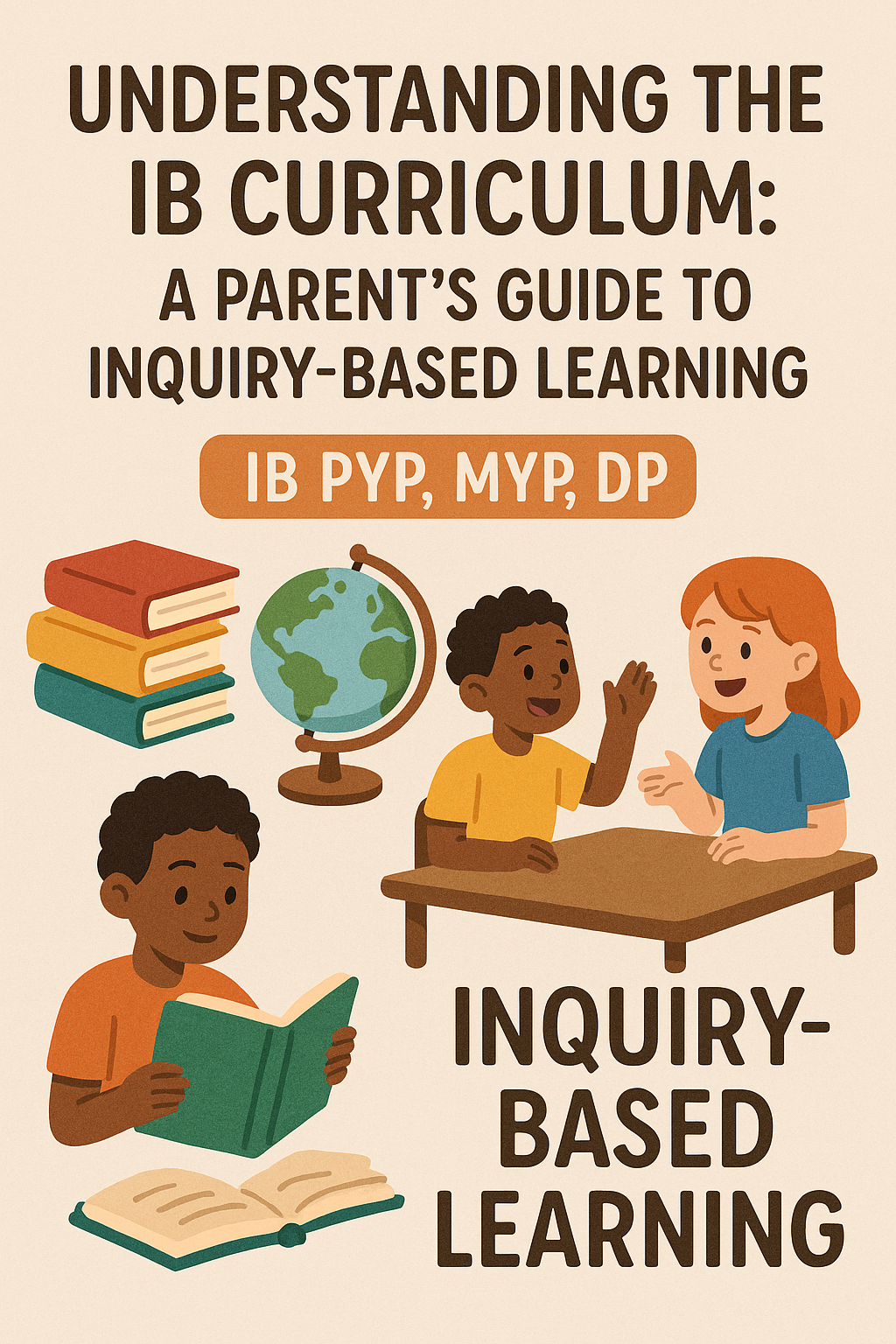
For many parents, the International Baccalaureate feels exciting but also unfamiliar. Words like inquiry based learning, global context, reflection, and interdisciplinary thinking often sound inspiring yet unclear. Parents may wonder how the IB curriculum works in daily classroom life, how it prepares children for exams and universities, and what role parents should play at home.
The IB curriculum is fundamentally different from traditional content driven systems. It focuses on how students learn as much as what they learn. Inquiry, critical thinking, and real world connections are central to every stage of the IB journey. This guide breaks down the IB curriculum in simple, practical terms and explains how parents can support inquiry based learning without turning it into pressure.
What Makes the IB Curriculum Different
The IB curriculum is designed to develop curious, reflective, and independent learners. Instead of memorizing information for exams, students are encouraged to ask questions, explore ideas, and connect learning across subjects.
Inquiry based learning lies at the heart of the IB approach. Students are guided to investigate concepts, form opinions, and justify their thinking. This method builds deeper understanding and long term retention. Parents who understand this shift are better equipped to support learning at home without expecting constant worksheets or rote revision.
Understanding Inquiry-Based Learning in Simple Terms
Inquiry based learning means learning through questioning, exploration, and reflection. Instead of teachers delivering information and students memorizing it, teachers act as facilitators who guide students toward discovering answers themselves.
For example, rather than teaching a historical event only through dates and facts, students may explore why the event happened, how it affected different groups, and how similar issues appear in the modern world. This approach strengthens reasoning, communication, and confidence.
The Structure of the IB Curriculum
The IB curriculum is divided into different programmes based on age groups. Each programme builds on the previous one while maintaining a consistent inquiry based philosophy.
Parents often find clarity improves when they understand how these stages connect and what each one focuses on developmentally.
IB PYP: Building Curiosity in the Early Years
The Primary Years Programme focuses on nurturing curiosity, confidence, and foundational skills. Learning in IB PYP is organized around themes that connect subjects like language, math, science, and social studies.
Children are encouraged to ask questions, explore ideas through projects, and express learning creatively. Assessment focuses on growth rather than comparison. A detailed overview of this stage is explained in IB PYP curriculum primary years programme guide.
For parents, support at this stage involves encouraging curiosity, discussing ideas, and allowing children to explore rather than rushing toward right answers.
IB MYP: Developing Thinkers and Problem Solvers
The Middle Years Programme builds on curiosity by strengthening analytical thinking and interdisciplinary learning. Students begin to connect concepts across subjects and apply knowledge to real world contexts.
Assessment includes projects, reflections, and practical applications alongside written tasks. The goal is to develop learners who can think independently and adapt knowledge flexibly. Parents can understand how this stage shapes innovators by reading IB MYP curriculum building thinkers and innovators.
At home, support means asking students about their thinking process rather than focusing only on outcomes.
IB DP: Academic Depth and Independent Learning
The Diploma Programme is academically rigorous and prepares students for university and global opportunities. Students study subjects in depth while also completing core components that focus on research, reflection, and community engagement.
IB DP challenges students to manage time, think critically, and balance academic and personal growth. Parents can gain clarity on subject choices and expectations through IBDP curriculum subjects benefits guide.
At this stage, parental support shifts toward guidance and emotional reassurance rather than direct supervision.
Key Learning Areas in the IB Syllabus
Across all IB programmes, learning is organized around key areas that promote balance and holistic development. These areas emphasize language, mathematics, sciences, humanities, arts, and personal development.
Understanding how these areas connect helps parents appreciate why IB students may work on projects that span multiple subjects. A helpful breakdown is provided in IB syllabus key learning areas breakdown.
How Assessment Works in the IB System
Assessment in the IB curriculum is ongoing and reflective. Instead of relying solely on final exams, students are assessed through projects, presentations, reflections, and practical tasks.
This approach reduces exam centric stress while promoting consistent engagement. Parents should expect feedback focused on strengths, areas for growth, and learning strategies rather than just scores.
The Demands and Rewards of IB Learning
The IB curriculum is demanding because it expects students to think deeply and take responsibility for learning. However, it is also rewarding because it builds confidence, independence, and global awareness.
Parents curious about this balance can explore IB programme guide for students demands and rewards. Understanding these demands helps parents support children through challenging phases without questioning the system prematurely.
The Parent’s Role in Inquiry-Based Learning
Parents often worry about how involved they should be in IB learning. The key is support without control. Inquiry based learning works best when children feel trusted to explore and make mistakes.
Parents can help by asking open ended questions, listening to explanations, and showing interest in ideas rather than correcting answers immediately. This reinforces confidence and curiosity.
Supporting Inquiry at Home Without Pressure
Inquiry does not require constant supervision. Simple actions like discussing real world events, encouraging reading, or allowing children to pursue interests strengthen inquiry skills naturally.
Avoid turning inquiry projects into performance tasks. The learning process matters more than polished outcomes. When parents value thinking over perfection, children engage more deeply.
Using Digital Platforms to Support IB Learning
Structured digital platforms can help parents stay informed without micromanaging. Platforms like AllRounder.ai provide curriculum aligned content, guided explanations, and progress tracking that support inquiry without replacing independent thinking.
Parents can explore structured academic pathways through IB courses while maintaining a balance between guidance and autonomy.
Practice and Familiarity Without Exam Anxiety
While inquiry is central, practice still matters, especially in senior years. Regular low pressure practice helps students apply concepts confidently.
Tools like practice tests help students become familiar with expectations without creating fear. Practice should be framed as feedback rather than evaluation.
Balancing Inquiry With Play and Creativity
Inquiry thrives when learners are relaxed and curious. Creative activities and play support flexible thinking and emotional balance.
Educational exploration through interactive learning games allows students to engage with concepts in a low stress environment. Balance improves learning quality.
IB Compared With Other Boards
Parents sometimes compare IB with national boards to decide suitability. Each board has strengths, and the right choice depends on learning style and long term goals.
Parents can explore comparisons through IB vs CBSE vs ICSE right fit learning style to gain perspective rather than focus on perceived difficulty.
Supporting IB Learners Across Grades
As students grow, their needs change. Middle school learners benefit from structured support through Grade 8 courses and Grade 9 courses. Senior learners require guidance and independence through Grade 10 courses, Grade 11 courses, and Grade 12 courses.
Age appropriate support helps inquiry remain meaningful rather than overwhelming.
Broadening Perspective Beyond One Board
Understanding multiple educational systems helps parents appreciate the IB approach more clearly. Exploring structures from CBSE courses and ICSE courses provides useful context and reduces unnecessary comparison.
Perspective helps parents trust the IB process with confidence.
Long Term Benefits of Inquiry-Based Learning
Inquiry based learning develops skills that extend far beyond academics. IB learners grow into confident communicators, critical thinkers, and adaptable problem solvers.
These skills support success in university, careers, and life. When parents focus on long term growth rather than short term performance, the IB journey becomes deeply rewarding.
Helping Children Thrive in the IB System
The IB curriculum works best when parents understand its philosophy and trust the process. Supportive guidance, emotional encouragement, and respect for independence create an environment where inquiry can flourish.
Parents do not need to have all the answers. They simply need to create space for questions, reflection, and exploration.
Inquiry Is the Heart of IB Learning
The IB curriculum is not about doing more. It is about thinking better. Inquiry based learning helps students understand the world, not just pass exams.
When parents embrace curiosity, value reflection, and support independence, IB learners thrive academically and emotionally. Inquiry then becomes not just a learning method, but a lifelong way of thinking.
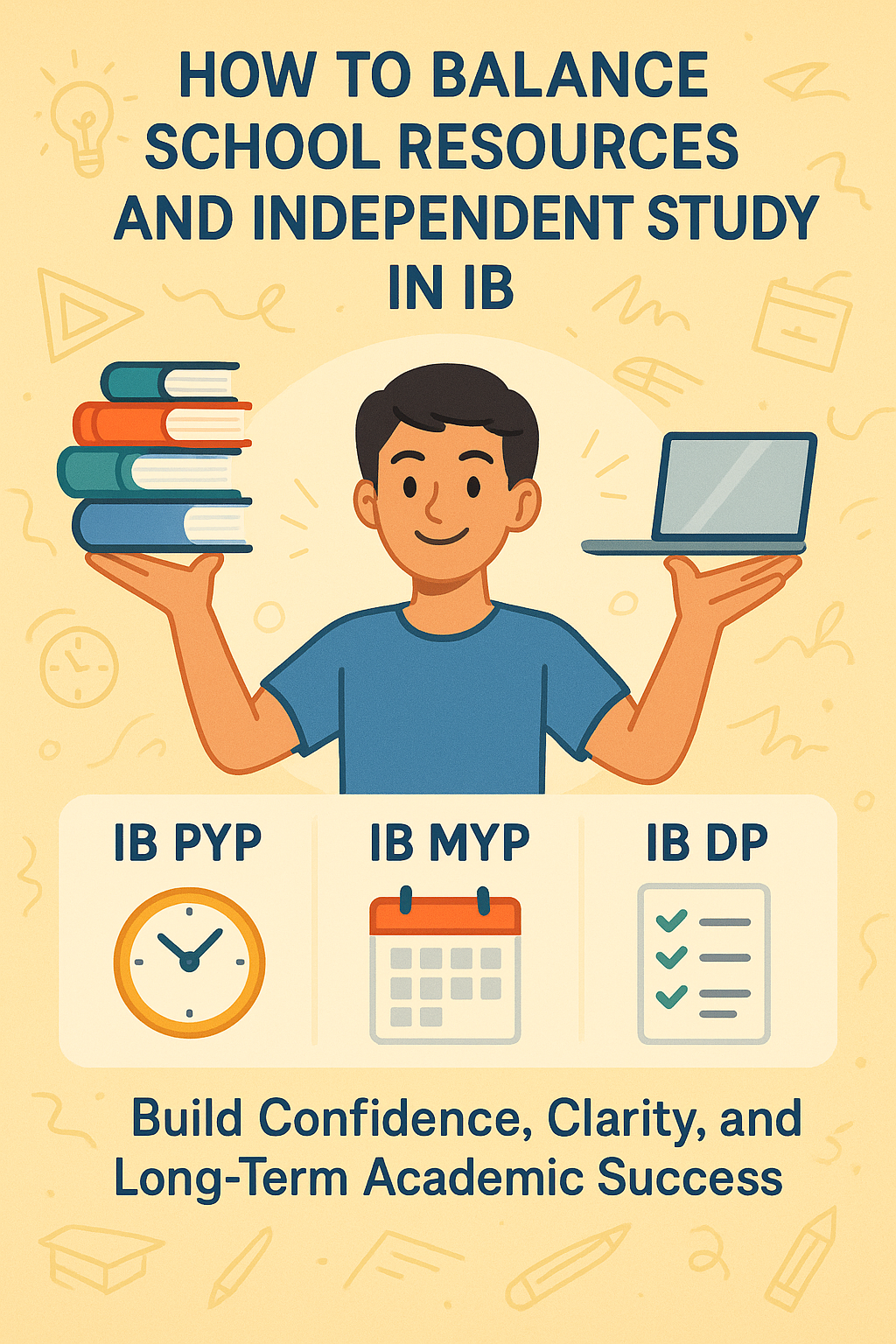
Learn how IB students can balance school resources and independent study across IB PYP, MYP, and DP to build...
Learn how parents can identify quality academic support for IB learners that aligns with IB PYP, MYP, and DP values...
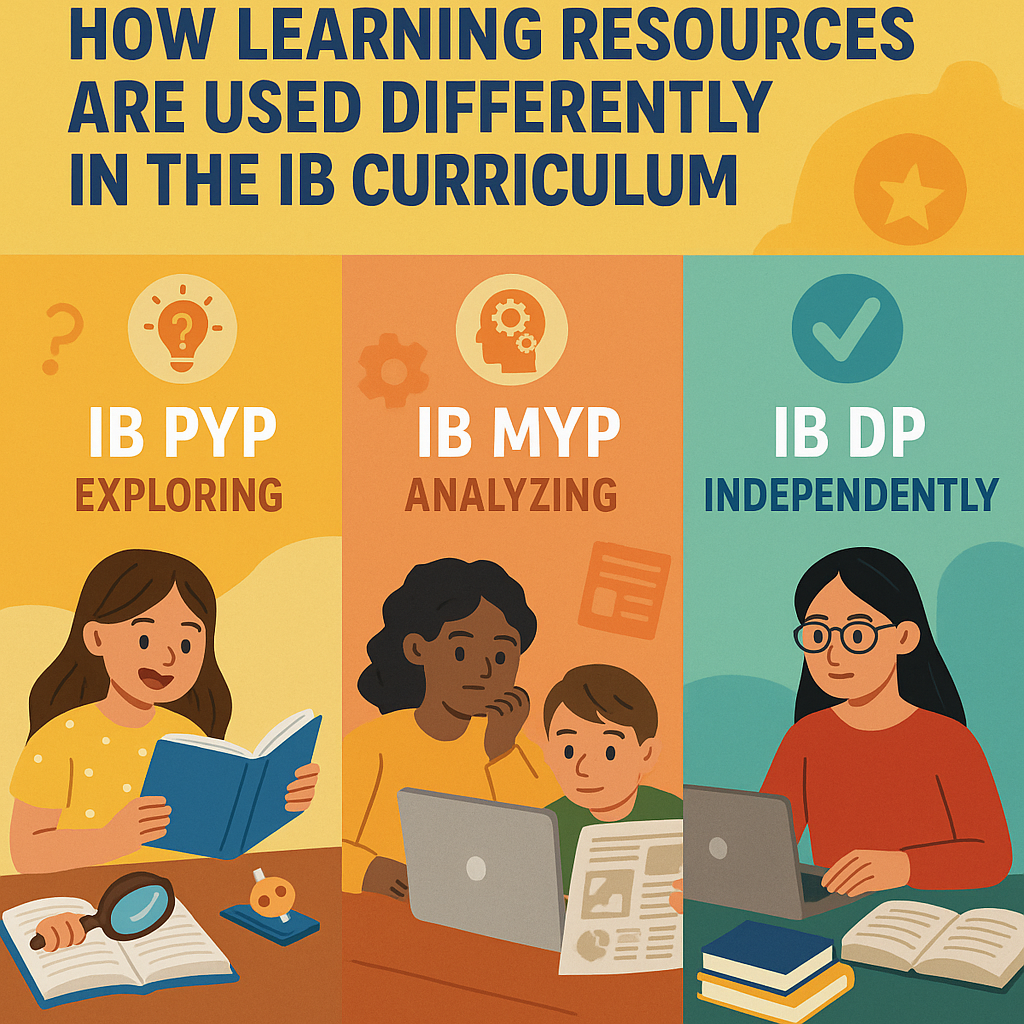
Discover how learning resources are used differently in the IB curriculum and how IB PYP, MYP, and DP students...
Learn how the IB curriculum helps students develop strong research and writing skills across IB PYP, MYP, and DP,...
Discover why reflection is a core skill in the IB education system and how it supports independent thinking,...
Learn how parents can support IB students across IB PYP, MYP, and DP without micromanaging, while building...
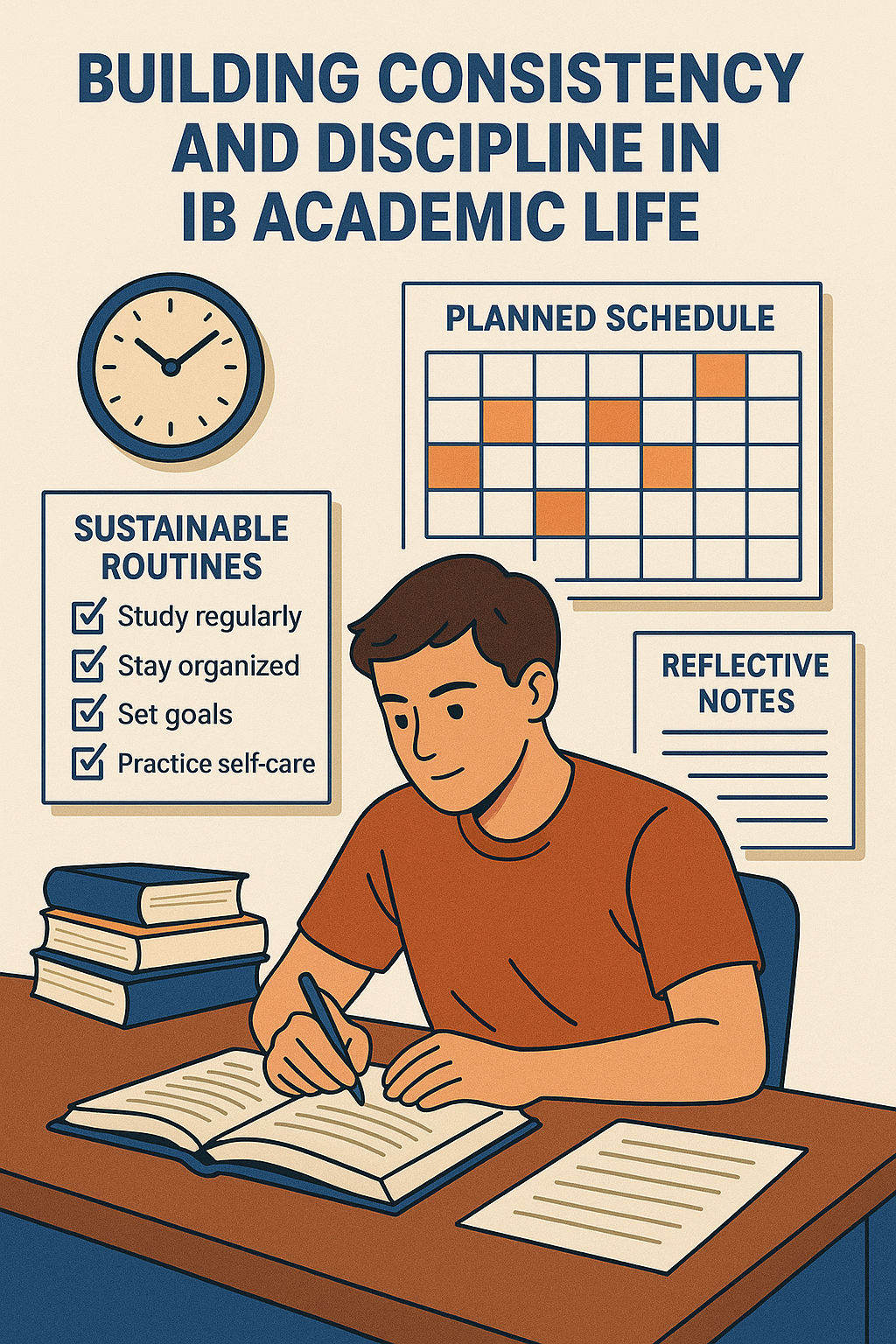
Learn how IB students can build consistency and discipline through sustainable routines, reflective habits, and...
Discover how the IB curriculum teaches students effective time management and academic planning skills that support...
Learn how IB students can avoid burnout while managing coursework by building balanced routines, aligning study...
Discover study habits that align with the IB curriculum and help students succeed through inquiry-based learning,...
Learn how the IB curriculum builds strong research and reading habits through inquiry-based learning, reflection,...
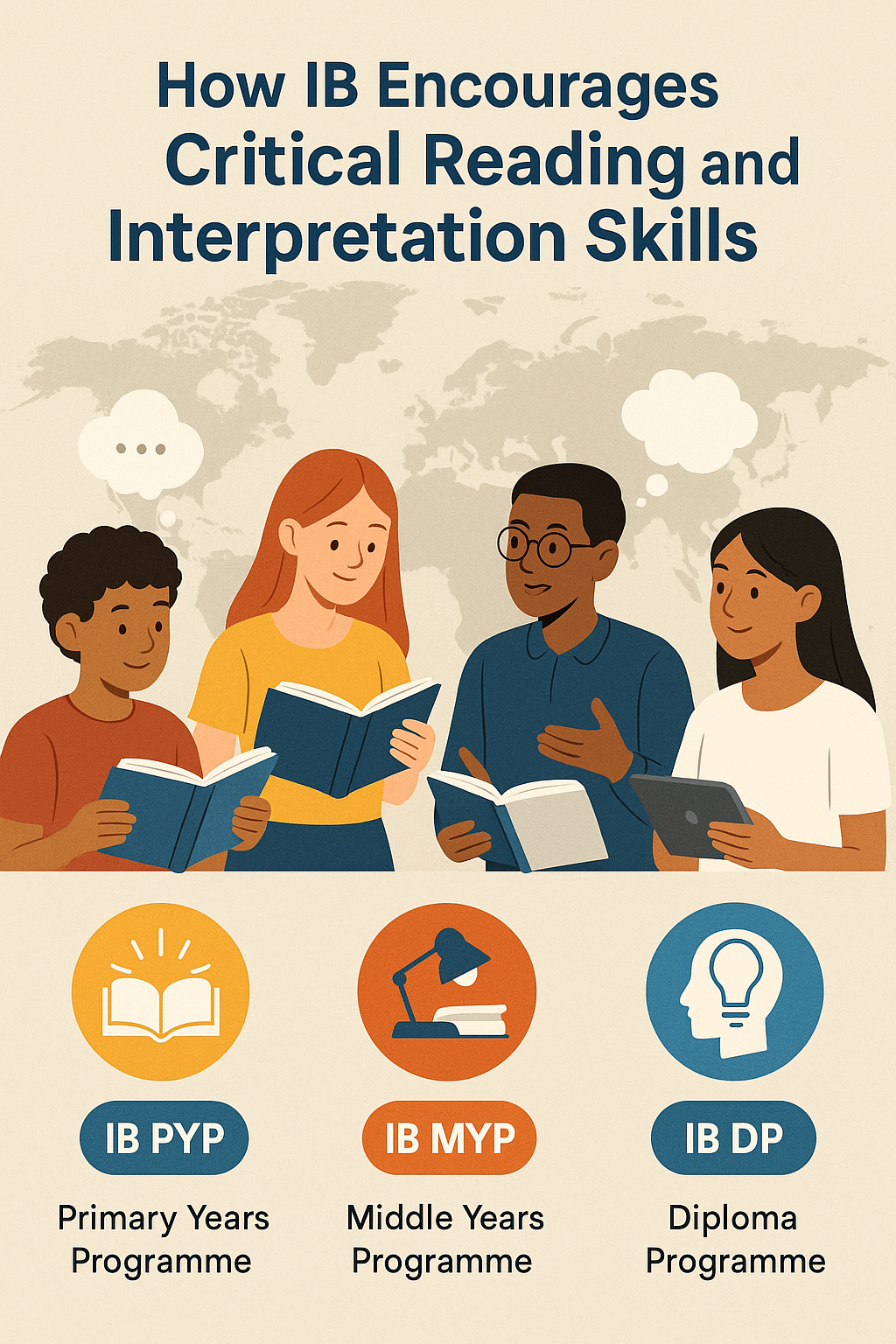
Discover how the IB syllabus builds strong critical reading and interpretation skills through inquiry-based...
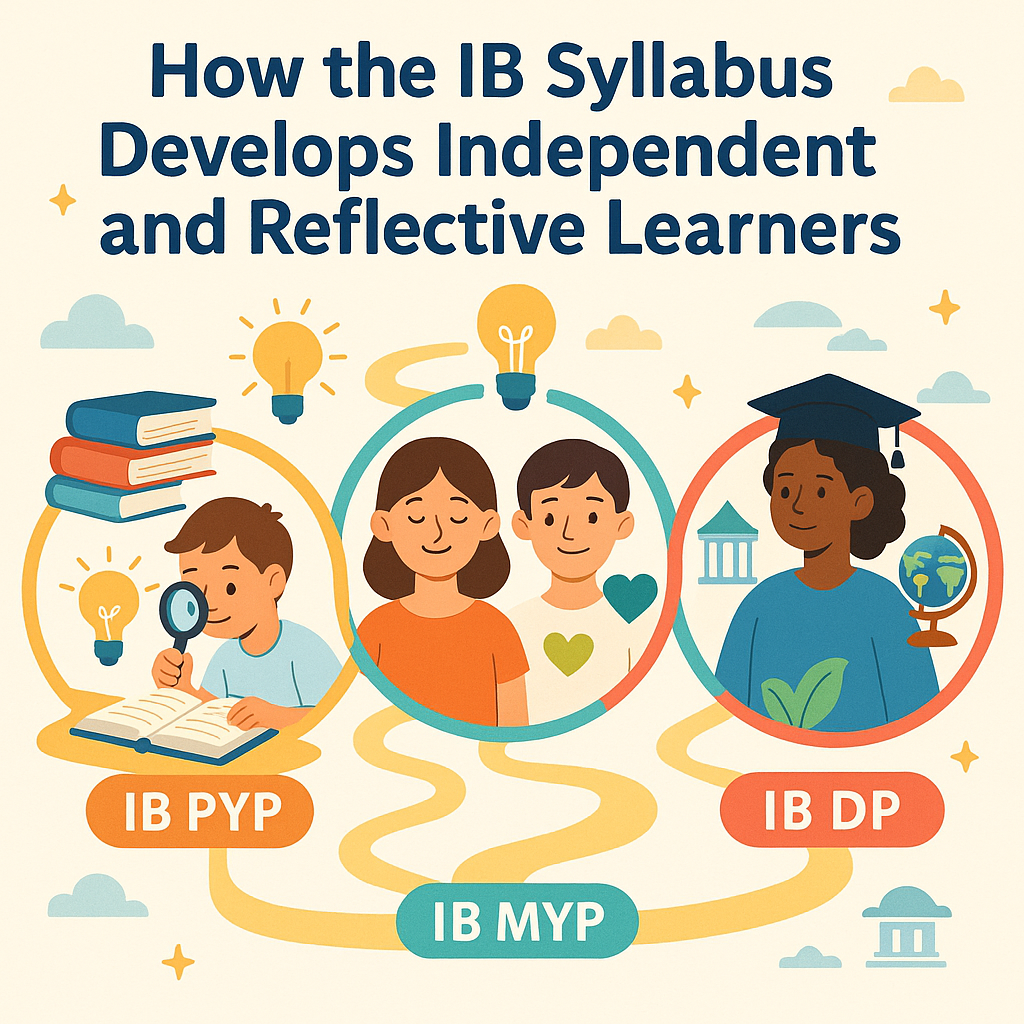
Discover how the IB syllabus builds independent and reflective learners through inquiry-based learning, emotional...
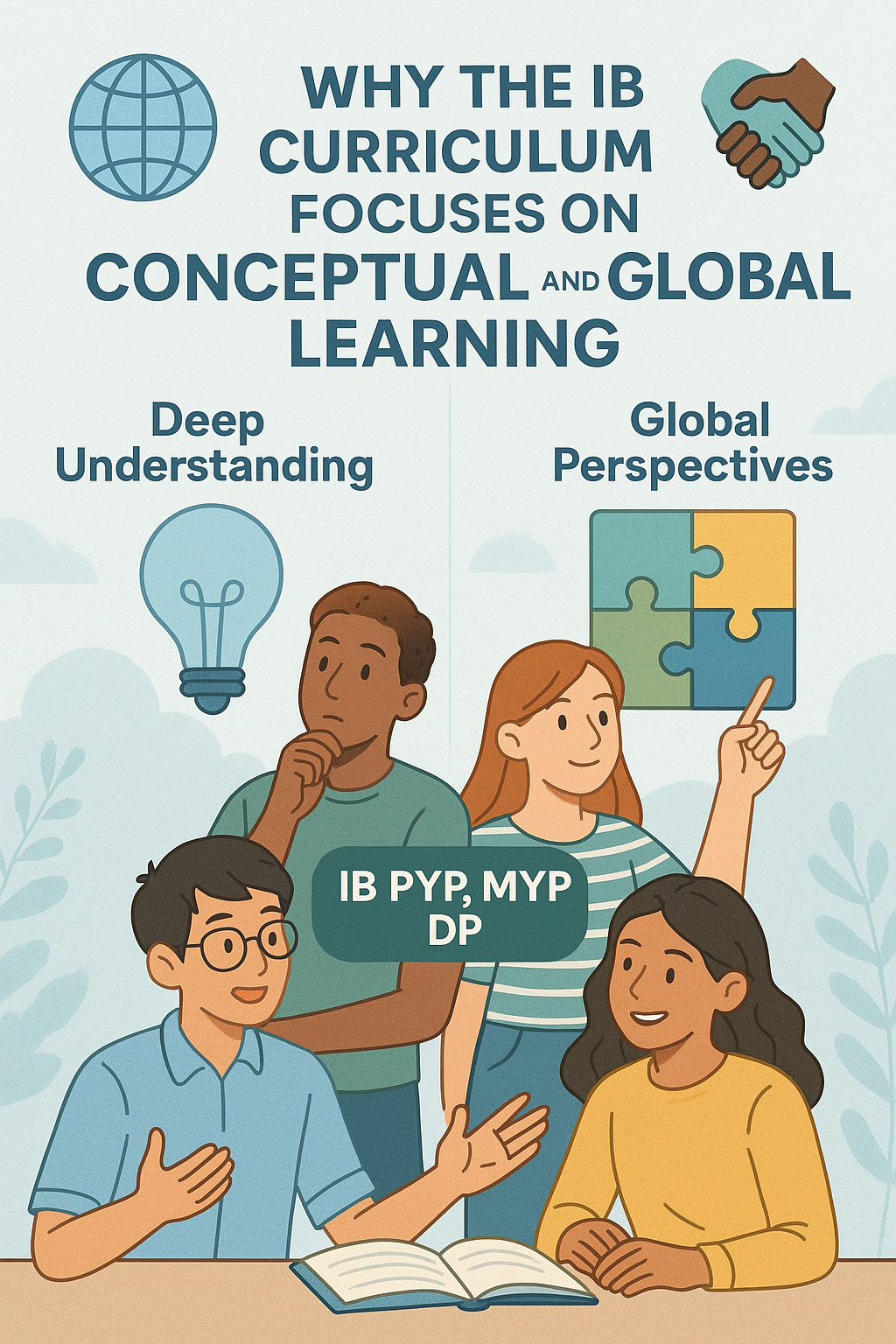
Learn why the IB curriculum focuses on conceptual and global learning, how IB PYP, MYP, and DP develop deep...
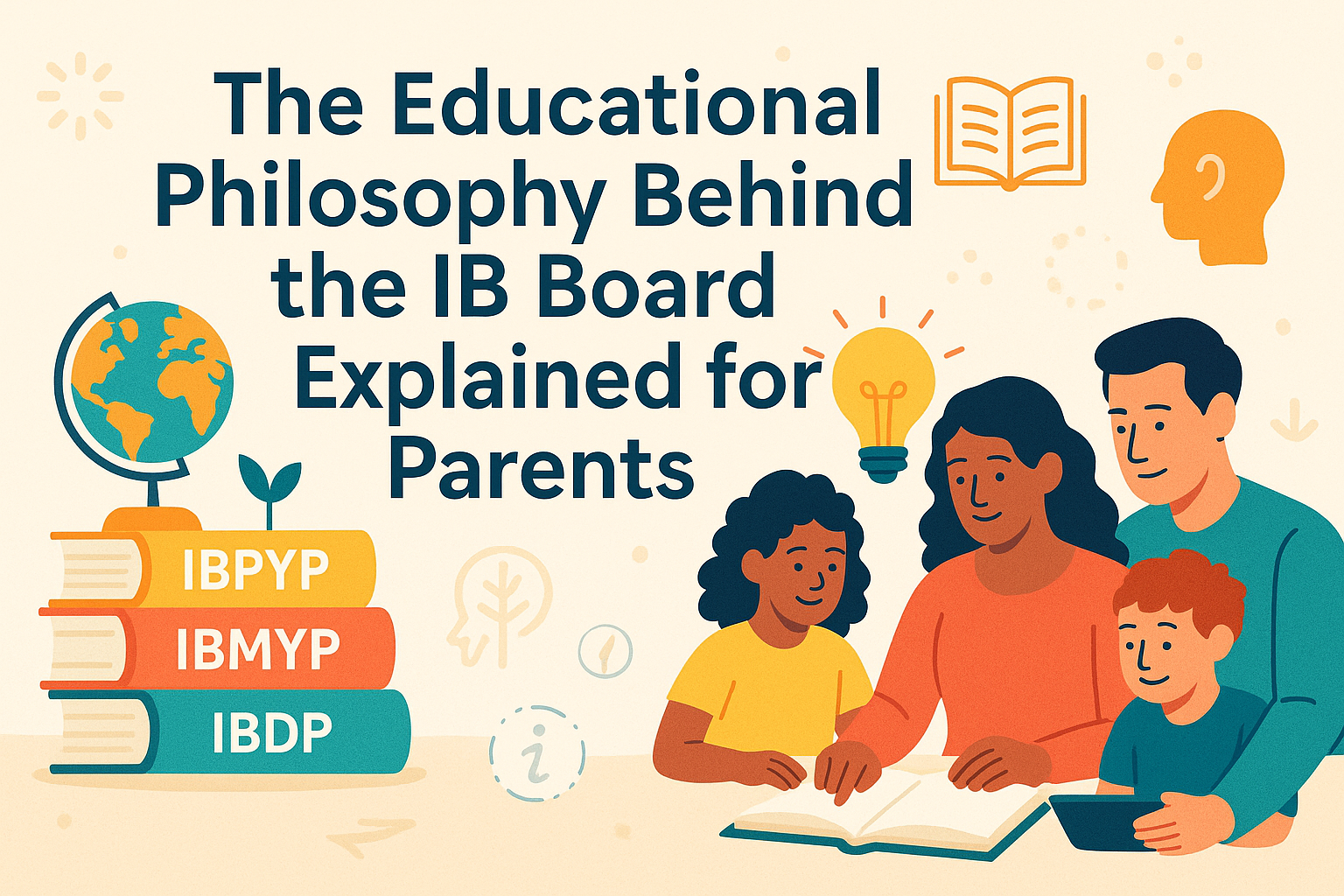
Understand the educational philosophy behind the IB board, including IB PYP, MYP, and DP, and learn how IB learning...
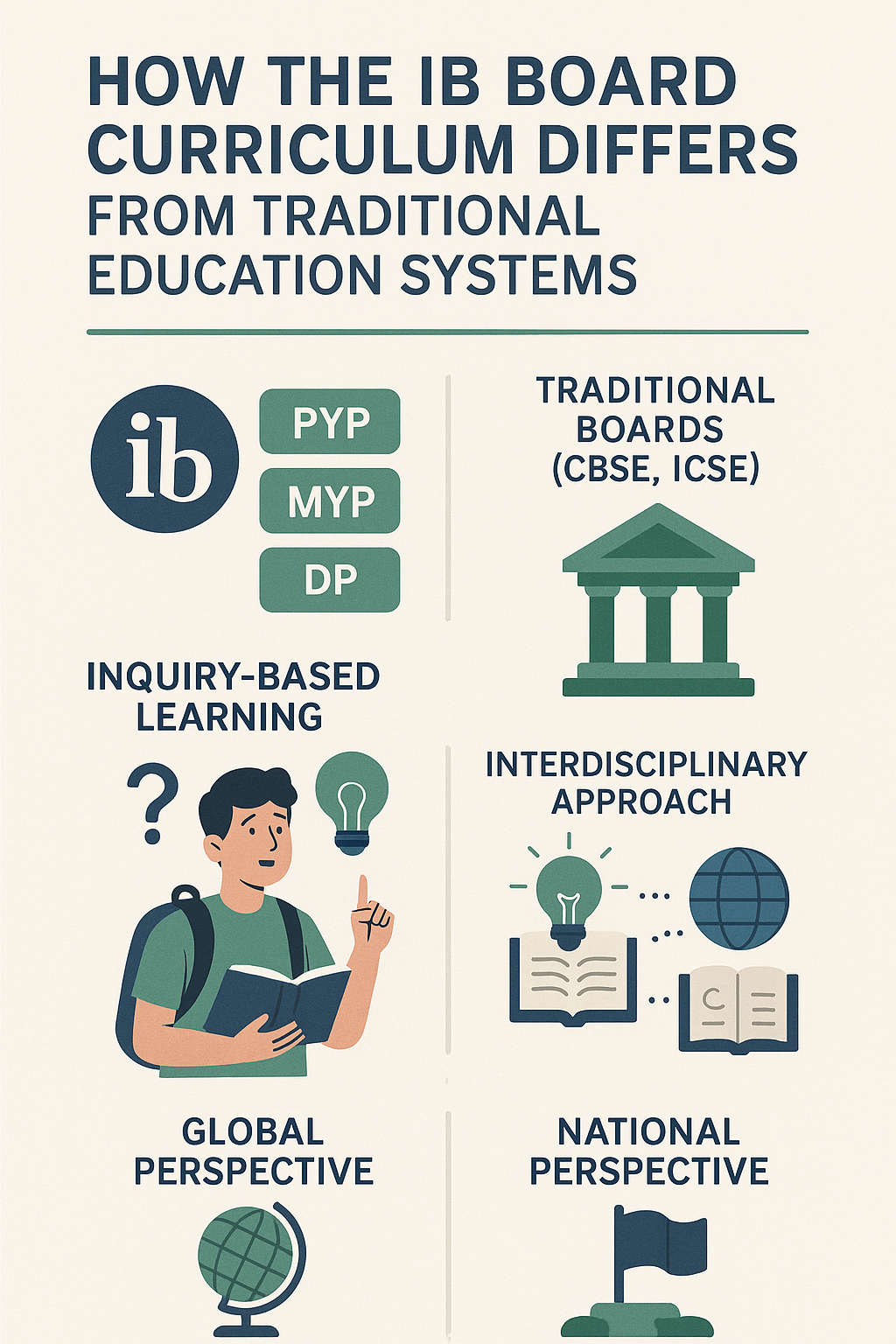
Explore how the IB board curriculum differs from traditional education systems like CBSE and ICSE, and understand IB...
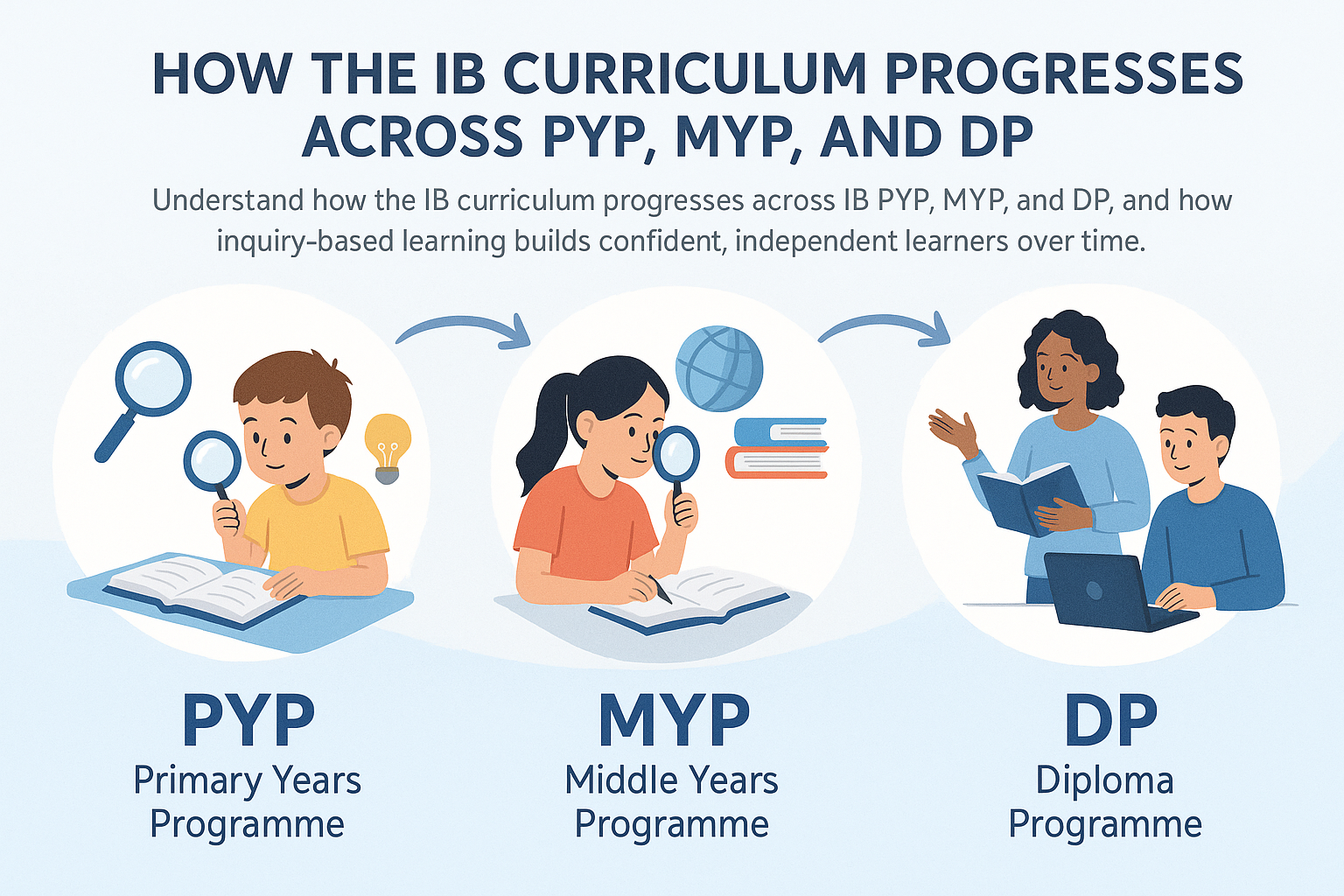
Understand how the IB curriculum progresses across IB PYP, MYP, and DP, and how inquiry-based learning builds...
A parent friendly guide to understanding the IB curriculum, IB PYP, MYP, and DP, and how inquiry based learning...
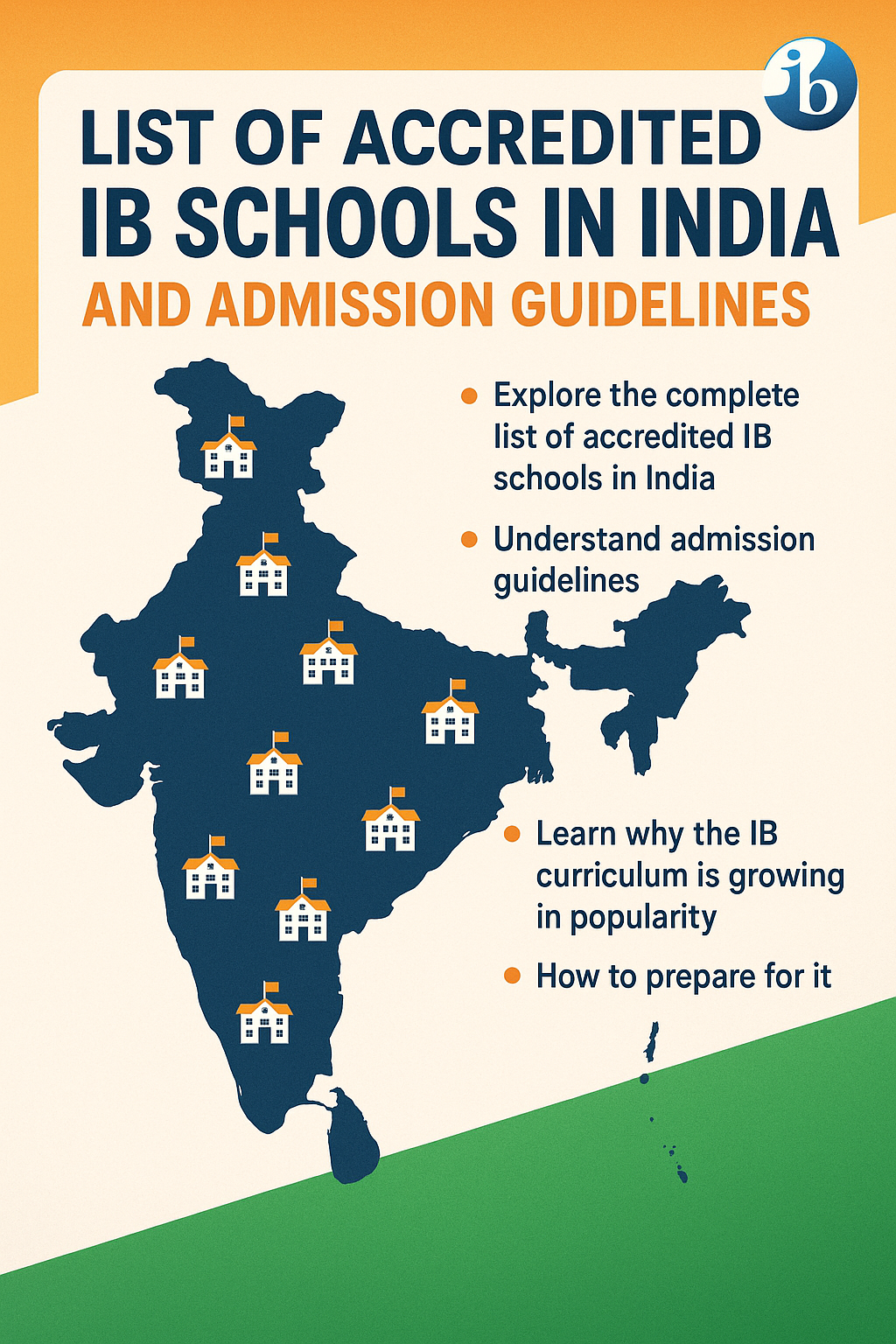
Explore the complete list of accredited IB schools in India and understand admission guidelines. Learn why the IB...

A complete guide for parents in Kolkata to understand the IB curriculum. Learn about PYP, MYP, IBDP stages,...

Discover the IB Diploma Programme curriculum, subject groups, core requirements, and benefits of IB. Learn how...

Thinking of joining the IB Programme? Learn about its rewards, challenges, and how AllRounder.ai can help you...

Discover the IB PYP curriculum framework, key learning areas, transdisciplinary themes, and how it nurtures lifelong...

Explore the IB syllabus structure, subject groups, and core components like TOK, CAS, and EE. A complete guide to IB...

Discover how the IB curriculum prepares students for Ivy League and top global universities. Explore skills,...

Explore how to choose IB subjects wisely. Learn about IB subject groups, HL vs SL, and combinations aligned with...

Understand the 10 IB Learner Profile attributes and why they matter in shaping global, future-ready students.

A detailed comparison of IB, CBSE, and ICSE boards. Learn about curriculum, teaching methods, and which board best...

Discover the IB Board – its global recognition, programs, and unique education philosophy.
Resources
-
Your complete JEE Advanced resource for eligibility, exam dates, syllabus, marks vs rank, and...
-
Understand the entire JEE Main process, from application and eligibility rules to the exam...
-

Explore the IB Board – a global curriculum emphasizing holistic, student-centered learning...
-

Learn about CBSE – India’s national school board offering a standardized curriculum, NCERT...
-

Explore everything about the ICSE board – its curriculum, subjects, exam format, and academic...