Professional Courses
Industry-relevant training in Business, Technology, and Design
Categories
Interactive Games
Fun games to boost memory, math, typing, and English skills
Typing
Memory
Math
English Adventures
Knowledge

Avoiding Burnout While Managing IB Coursework

Avoiding Burnout While Managing IB Coursework
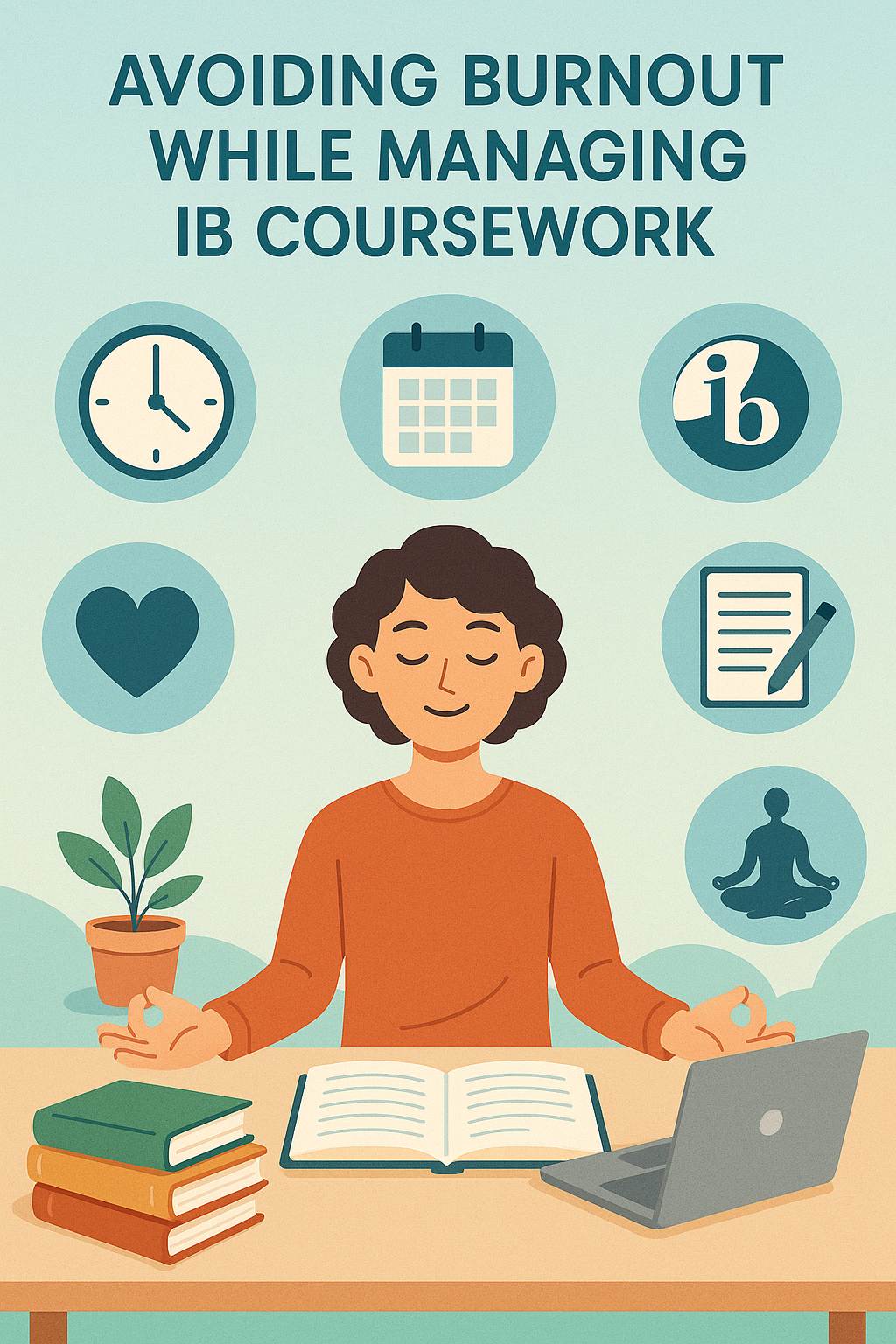
The IB curriculum is known for its academic depth, emphasis on thinking, and strong preparation for university life. Along with these strengths comes a level of intensity that many students are not used to at first. Multiple subjects, internal assessments, extended projects, reflection tasks, and deadlines running in parallel can make IB coursework feel overwhelming if not managed thoughtfully. When pressure builds without balance, burnout becomes a real risk.
Burnout does not happen overnight. It develops gradually when students feel constantly stretched, emotionally exhausted, and disconnected from learning. Avoiding burnout while managing IB coursework is not about lowering standards or doing less. It is about learning how to work sustainably, protect emotional well-being, and align study habits with the philosophy of the IB syllabus. This article explores how IB students across IB PYP, IB MYP, and IB DP can manage workload effectively while staying motivated, healthy, and engaged.
Understanding Why IB Students Are Prone to Burnout
The IB curriculum values inquiry, reflection, and independent thinking. While this approach is enriching, it also requires sustained mental effort. Students are expected to manage long-term assignments, research independently, and think critically across subjects.
Burnout often occurs when students approach IB coursework with habits suited to more rote-based systems. Trying to memorise everything, working late into the night, or treating every task as an emergency creates constant stress. Understanding the demands and rewards of the IB helps students adjust expectations early. A clear overview of this balance is shared in the IB programme guide for students, demands and rewards.
Recognising Early Signs of Burnout in IB Students
Burnout is not just feeling tired before exams. Early signs include loss of interest in subjects once enjoyed, difficulty concentrating, constant irritability, and a sense that effort no longer feels rewarding. Some students become perfectionistic and overwork, while others disengage and procrastinate.
Recognising these signs early allows students and parents to respond before burnout deepens. In the IB, where learning is cumulative, addressing stress early protects both academic performance and mental health.
Why Balance Matters More Than Intensity in the IB
Many IB students believe success comes from working harder than everyone else. In reality, consistency matters far more than intensity. The IB curriculum rewards sustained understanding, reflection, and application rather than last-minute effort.
Balanced study routines allow the brain time to process and connect ideas. Students who pace themselves retain more and feel less overwhelmed. Understanding the structure of learning across subjects can help students plan realistically. A helpful overview is available in the IB syllabus key learning areas breakdown.
Aligning Study Habits With the IB Philosophy
IB learning is not about covering content quickly. It is about exploring concepts deeply. Study habits that align with this philosophy naturally reduce burnout because students stop fighting the system.
Instead of revising everything repeatedly, IB students benefit from understanding key concepts, making connections between topics, and reflecting on feedback. When study methods match curriculum expectations, effort feels purposeful rather than draining.
Managing Workload Through Long Term Planning
One of the biggest causes of IB burnout is poor planning. Internal assessments, projects, and essays often overlap, creating periods of intense pressure.
Breaking large tasks into smaller steps and spreading them across weeks or months reduces stress significantly. Planning allows students to work steadily without sacrificing sleep or well-being. This skill becomes especially important in the IB DP, where workload is highest. Parents can better understand subject demands through the IBDP curriculum subjects benefits guide.
The Importance of Transition Support for New IB Students
Students transitioning into the IB from other boards often experience burnout because expectations change suddenly. Moving from structured textbooks to open-ended inquiry can feel confusing and demanding.
Understanding this transition helps students avoid unnecessary self-criticism. Families can explore this shift in detail through transitioning to IB from CBSE or ICSE. With the right guidance, students adapt more smoothly and confidently.
Avoiding Comparison in IB Learning Environments
Comparison is a major contributor to burnout. In IB classrooms, students often compare essay quality, research depth, or workload handling. This creates pressure to overwork and constantly prove competence.
The IB curriculum values personal growth and reflection, not competition. Students who focus on their own progress experience less stress and greater satisfaction. Reducing comparison allows learning to feel meaningful rather than exhausting.
Reflection as a Burnout Prevention Tool
Reflection is a core part of IB learning and an effective burnout prevention strategy. Reflecting on what is working, what feels overwhelming, and what needs adjustment helps students regain control.
Instead of pushing harder when tired, reflective students pause and adapt. Reflection transforms challenges into learning opportunities rather than emotional burdens. This habit supports both academic growth and emotional balance.
Physical Well Being and IB Coursework
Burnout is not only mental. Physical exhaustion plays a major role. Lack of sleep, poor nutrition, and long study hours reduce concentration and emotional resilience.
IB students need regular sleep, movement, and downtime to sustain focus. When the body is supported, the mind handles workload more effectively. Balanced routines protect students during demanding academic phases.
Making Learning Engaging to Reduce Emotional Fatigue
Burnout often increases when learning feels repetitive or disconnected from meaning. Engaging learning methods help students stay motivated and curious.
Interactive approaches such as discussions, projects, and creative applications make learning feel dynamic rather than draining. Students can also reinforce concepts through learning games, which provide mental breaks while supporting understanding.
Using Practice Strategically Without Overloading
Practice is essential in the IB, but excessive practice without reflection leads to fatigue. Strategic practice focuses on quality rather than quantity.
Using tools like practice tests allows students to assess understanding and adjust strategies calmly. Practice should inform learning, not become a source of constant pressure.
Board Aligned Support Reduces Cognitive Load
Confusion increases burnout. When learning resources do not align with curriculum expectations, students spend unnecessary energy trying to interpret requirements.
Board-aligned resources reduce this friction. Students can strengthen understanding through structured support such as IB courses. For families exploring multiple boards, resources like CBSE courses and ICSE courses also provide clarity.
Grade Wise Support Helps Prevent Overwhelm
Burnout risk increases during grade transitions when difficulty rises suddenly. Age-appropriate pacing helps students adjust without feeling inadequate.
Students can access focused support through Grade 8 courses, Grade 9 courses, Grade 10 courses, Grade 11 courses, and Grade 12 courses. Gradual progression supports confidence and stamina.
Supporting Parents in Preventing IB Burnout
Parents play a critical role in shaping how students experience IB coursework. Excessive pressure or constant monitoring increases stress, while supportive communication builds resilience.
Understanding IB expectations helps parents respond calmly during challenging phases. A helpful overview for families is available in the IB curriculum guide for parents in Kolkata. Informed support reduces burnout risk significantly.
Learning From IB Schools Versus Traditional Systems
Burnout is more common when students apply traditional exam-focused habits to the IB. Understanding how IB differs helps students adjust strategies early.
The contrast between IB schools and traditional institutions is explored in IB schools in India vs traditional institutions. Recognising these differences allows students to align effort more effectively.
Emotional Safety Encourages Sustainable Learning
Students are less likely to burn out when they feel emotionally safe. Safe environments encourage questions, mistakes, and honest reflection without fear of judgment.
When students feel supported rather than evaluated constantly, they engage more deeply and sustainably with learning. Emotional safety is a foundation for long-term academic health.
How AllRounder.ai Supports Balanced IB Learning
Modern IB students benefit from platforms that combine structure with flexibility. Platforms like AllRounder.ai support IB learners by offering clear explanations, interactive practice, and progress tracking without constant pressure.
By reducing confusion and promoting steady progress, such platforms help students manage workload without burnout.
Preparing for University Without Burning Out Early
One of the strengths of the IB curriculum is its preparation for higher education. However, burning out during school defeats this purpose.
The IB aims to develop independent, reflective learners who can manage long-term workloads. The connection between IB learning and university readiness is explained in the IB curriculum university preparation guide. Sustainable habits formed now benefit students far beyond school.
Burnout Is Not a Sign of Weakness
Many IB students hide burnout because they fear appearing incapable. In reality, burnout is often a sign of commitment without balance.
Acknowledging burnout allows students to adjust habits and regain motivation. Seeking support early prevents long-term disengagement.
Building Resilience Through Flexibility
Resilient students are not those who push endlessly, but those who adapt. Flexibility in planning, expectations, and study methods protects energy and focus.
IB learning rewards students who reflect and adjust rather than rigidly pushing through exhaustion.
Conclusion: Thriving in the IB Without Burning Out
Avoiding burnout while managing IB coursework is about aligning effort with the IB philosophy of depth, reflection, and balance. Students do not need to work endlessly to succeed. They need sustainable routines, emotional safety, and realistic expectations.
By planning long term, valuing reflection, protecting well-being, and using supportive learning tools, IB students can thrive academically without sacrificing mental health. The IB journey is demanding, but with the right approach, it can also be deeply rewarding.
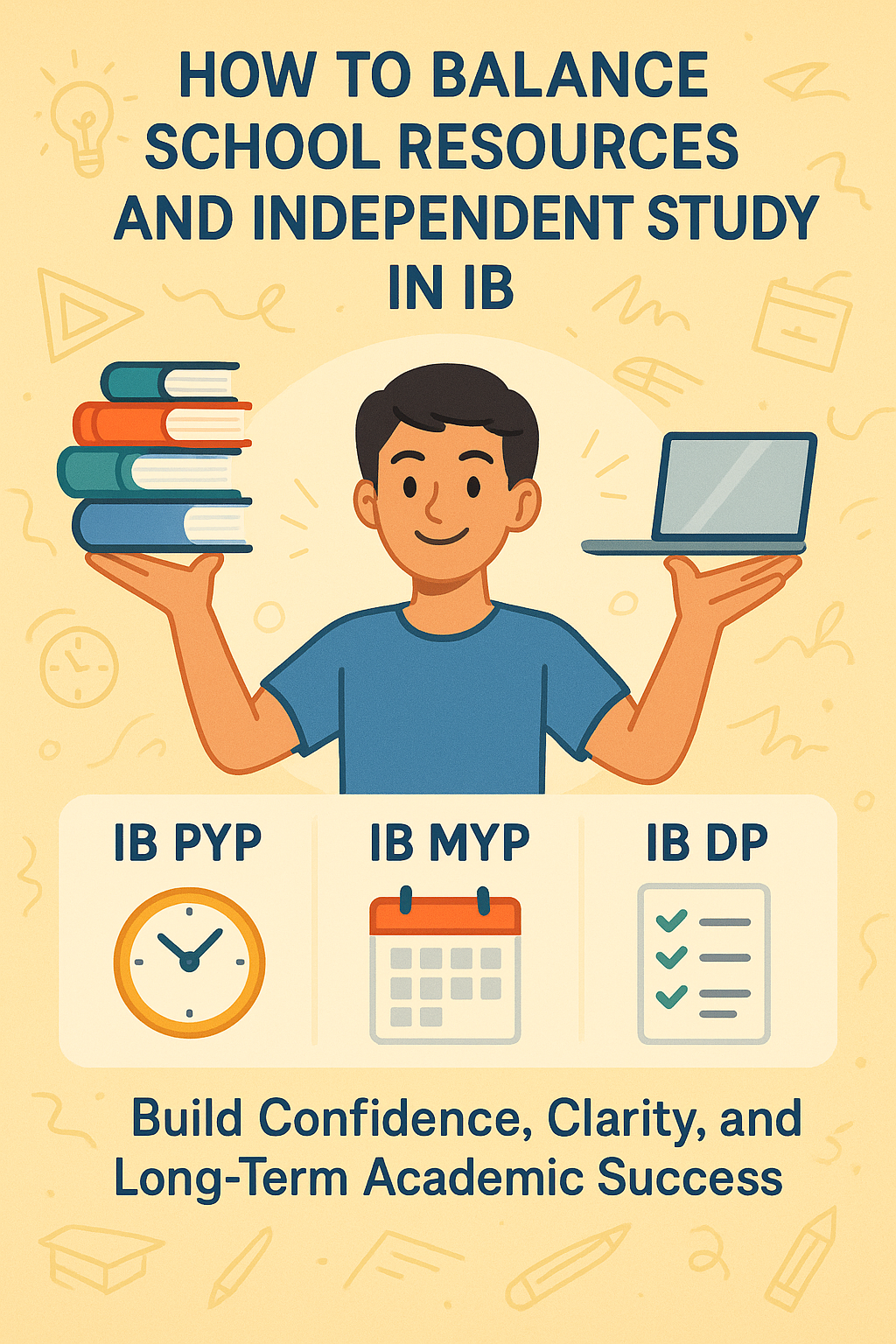
Learn how IB students can balance school resources and independent study across IB PYP, MYP, and DP to build...
Learn how parents can identify quality academic support for IB learners that aligns with IB PYP, MYP, and DP values...
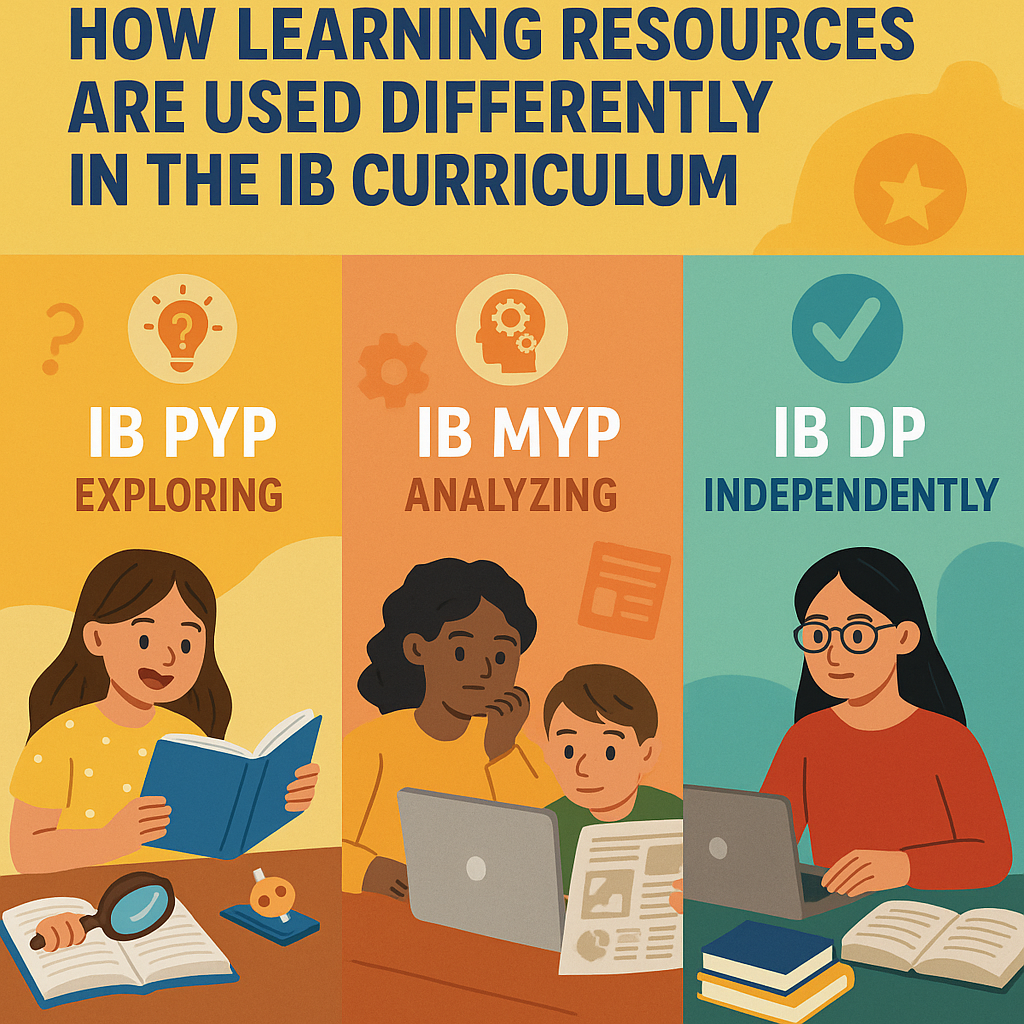
Discover how learning resources are used differently in the IB curriculum and how IB PYP, MYP, and DP students...
Learn how the IB curriculum helps students develop strong research and writing skills across IB PYP, MYP, and DP,...
Discover why reflection is a core skill in the IB education system and how it supports independent thinking,...
Learn how parents can support IB students across IB PYP, MYP, and DP without micromanaging, while building...
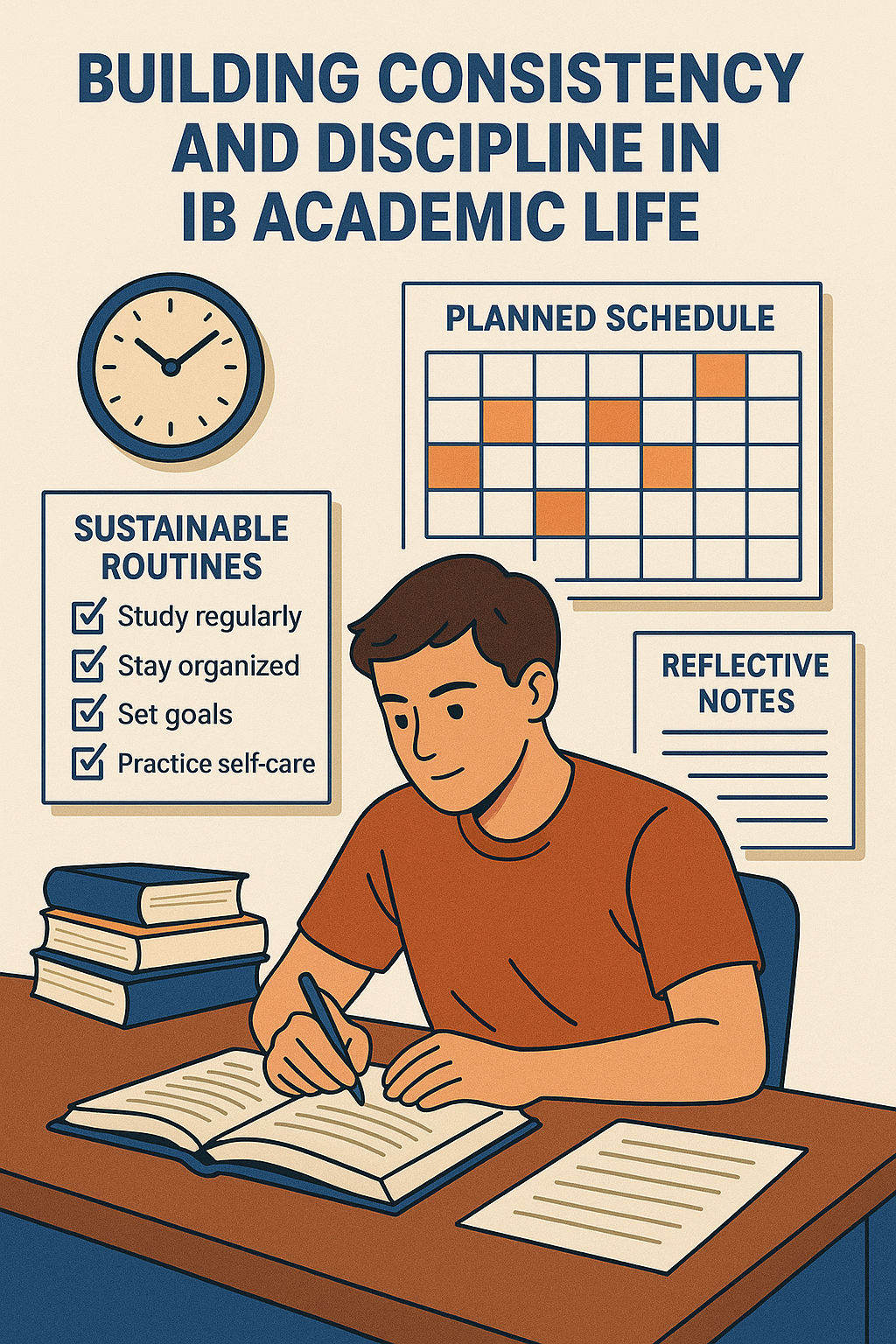
Learn how IB students can build consistency and discipline through sustainable routines, reflective habits, and...
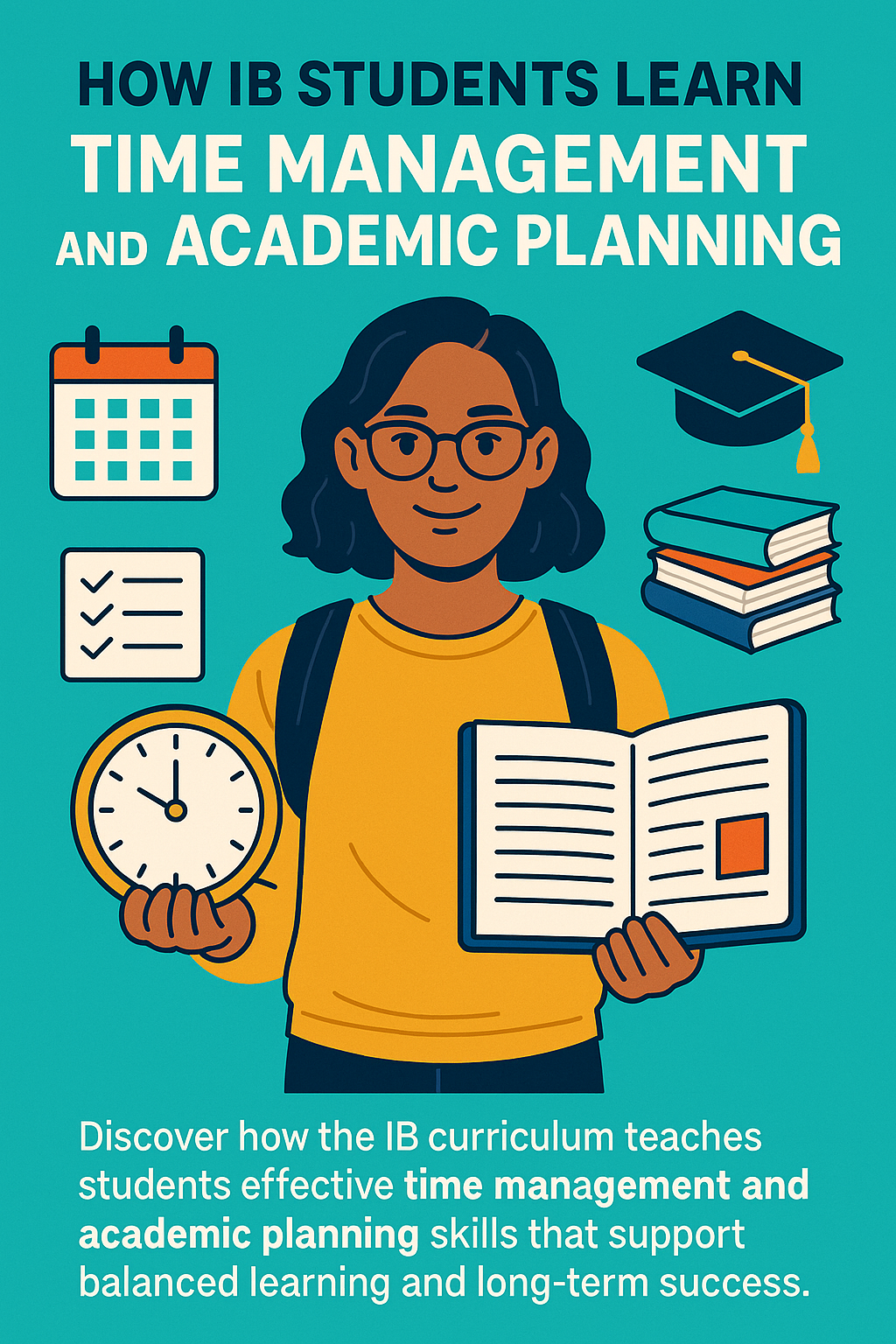
Discover how the IB curriculum teaches students effective time management and academic planning skills that support...
Learn how IB students can avoid burnout while managing coursework by building balanced routines, aligning study...
Discover study habits that align with the IB curriculum and help students succeed through inquiry-based learning,...
Learn how the IB curriculum builds strong research and reading habits through inquiry-based learning, reflection,...
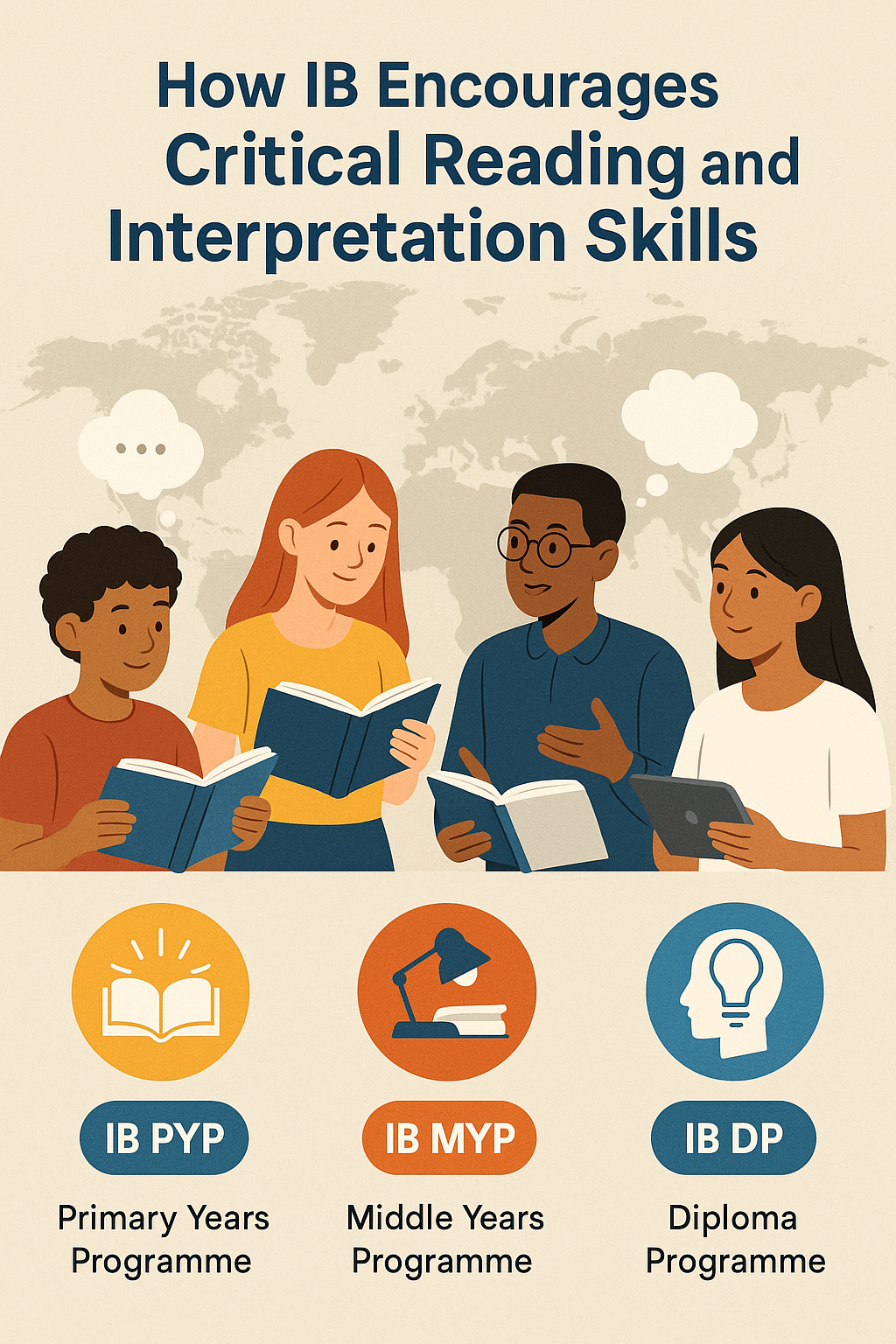
Discover how the IB syllabus builds strong critical reading and interpretation skills through inquiry-based...
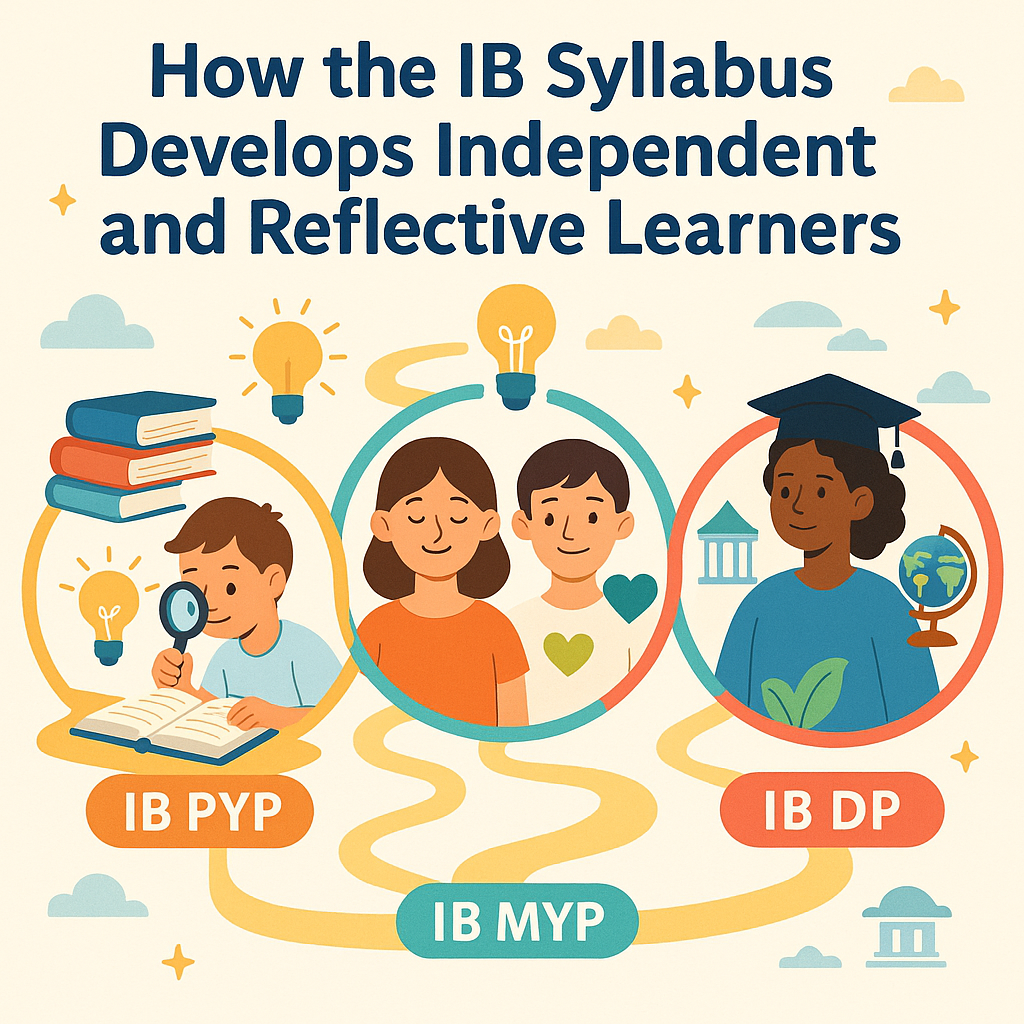
Discover how the IB syllabus builds independent and reflective learners through inquiry-based learning, emotional...
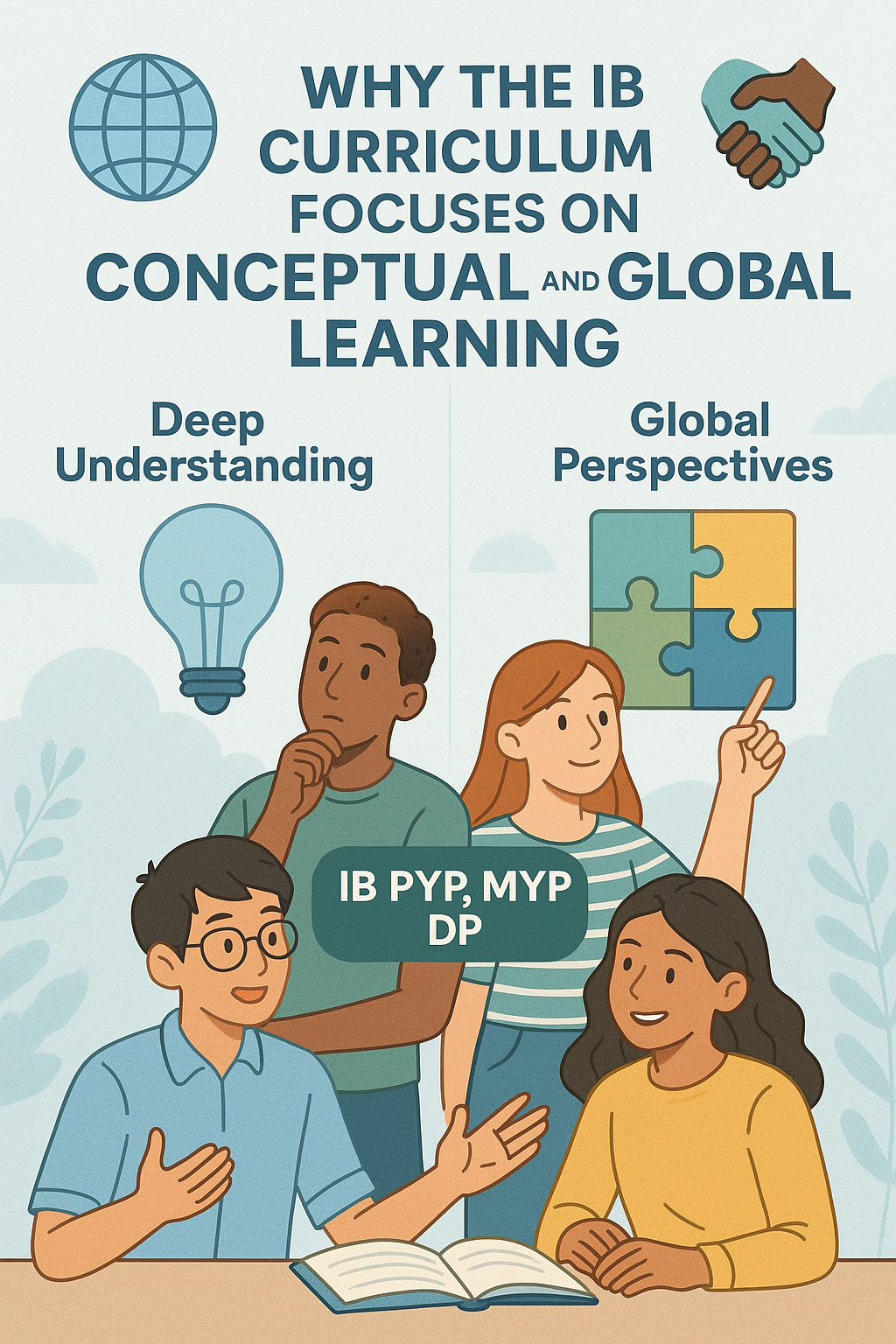
Learn why the IB curriculum focuses on conceptual and global learning, how IB PYP, MYP, and DP develop deep...
Understand the educational philosophy behind the IB board, including IB PYP, MYP, and DP, and learn how IB learning...
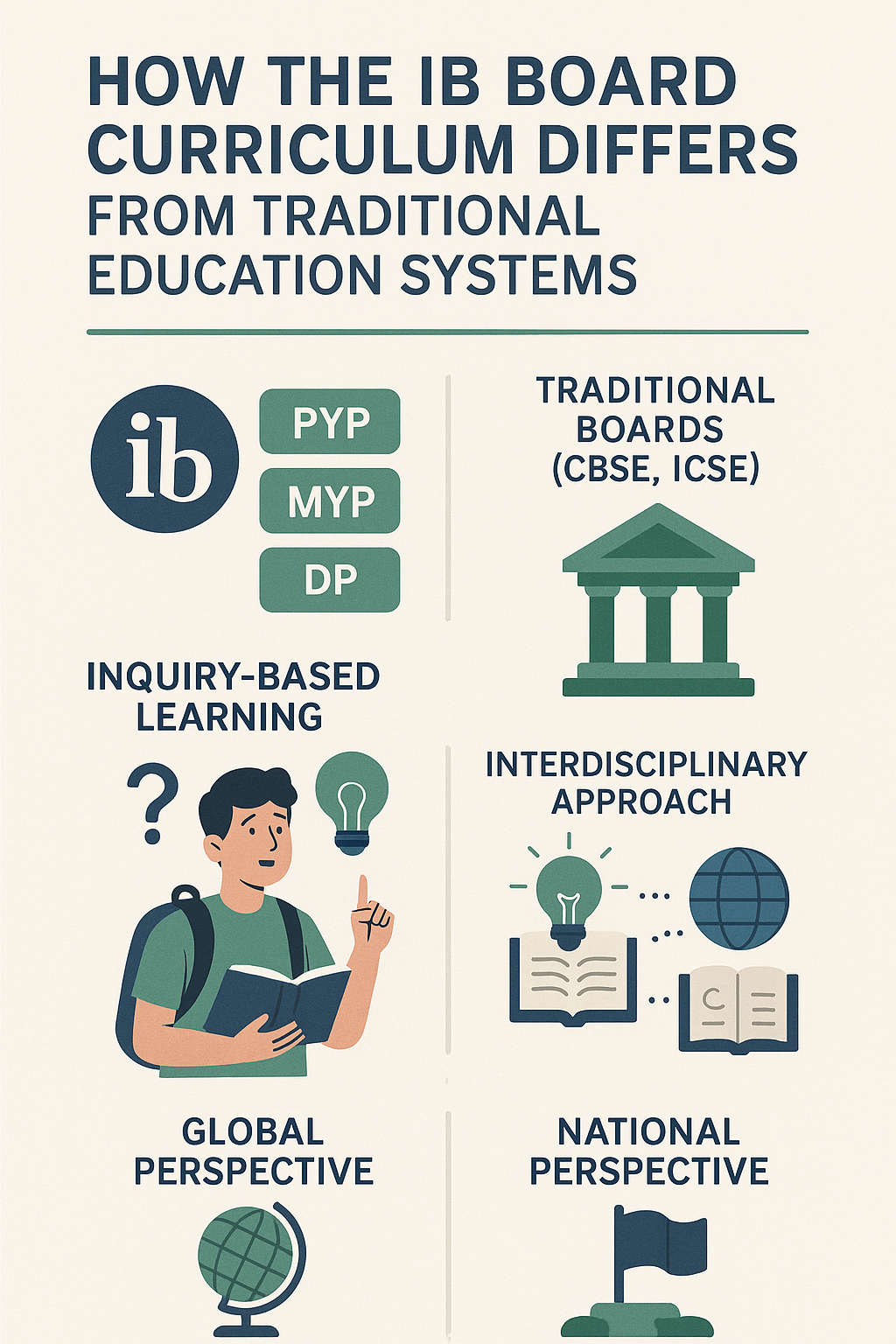
Explore how the IB board curriculum differs from traditional education systems like CBSE and ICSE, and understand IB...
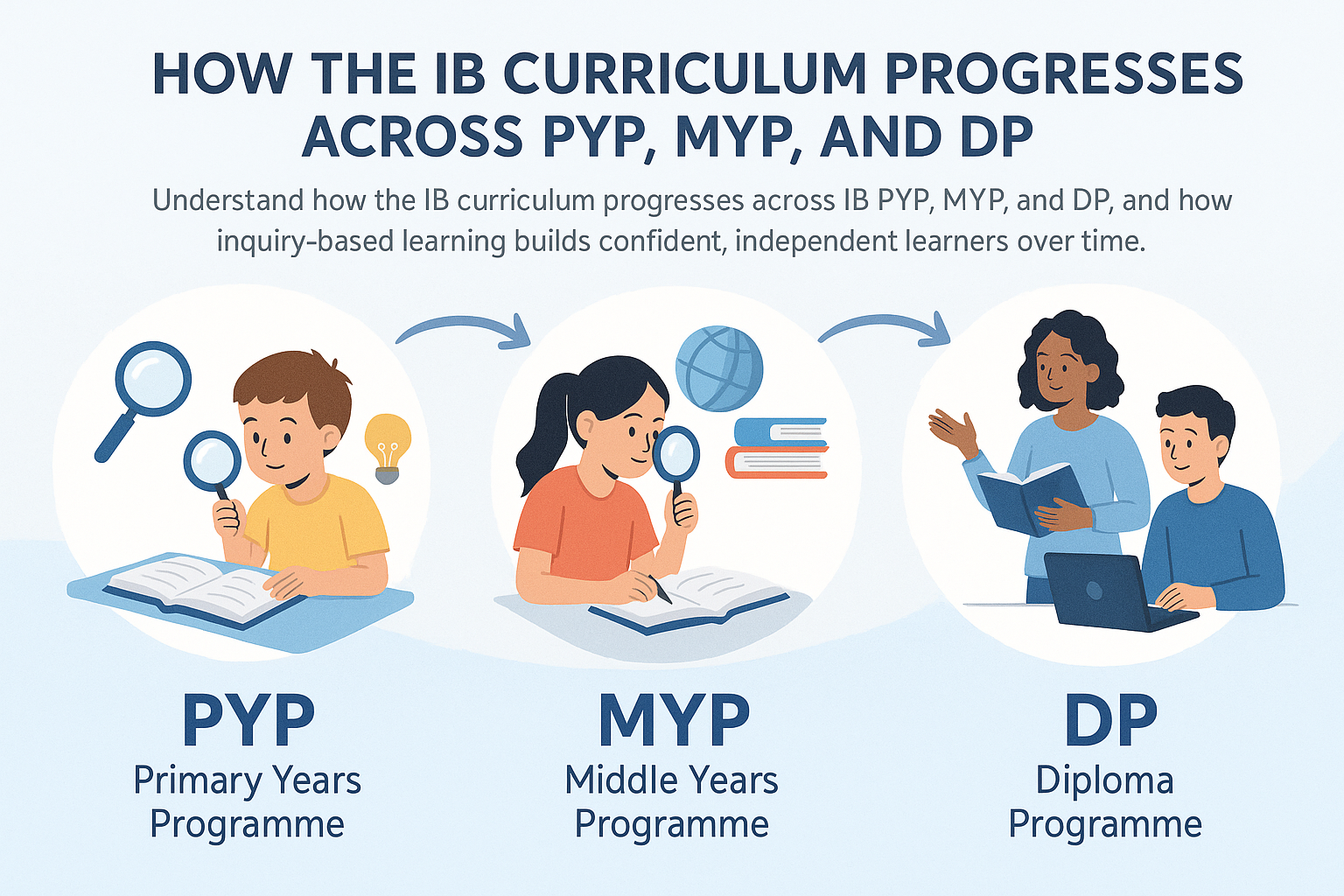
Understand how the IB curriculum progresses across IB PYP, MYP, and DP, and how inquiry-based learning builds...
A parent friendly guide to understanding the IB curriculum, IB PYP, MYP, and DP, and how inquiry based learning...
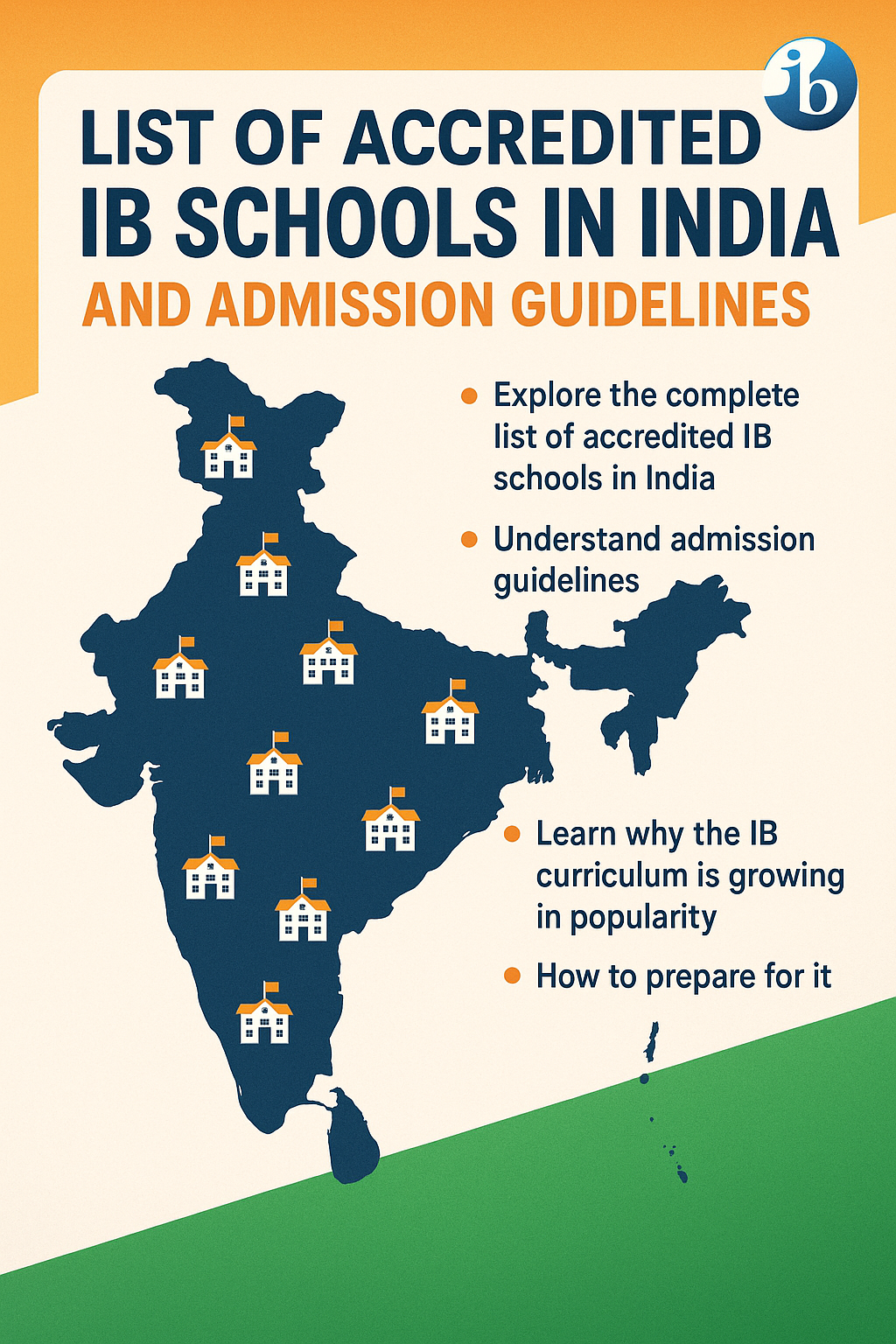
Explore the complete list of accredited IB schools in India and understand admission guidelines. Learn why the IB...

A complete guide for parents in Kolkata to understand the IB curriculum. Learn about PYP, MYP, IBDP stages,...

Discover the IB Diploma Programme curriculum, subject groups, core requirements, and benefits of IB. Learn how...

Thinking of joining the IB Programme? Learn about its rewards, challenges, and how AllRounder.ai can help you...

Discover the IB PYP curriculum framework, key learning areas, transdisciplinary themes, and how it nurtures lifelong...

Explore the IB syllabus structure, subject groups, and core components like TOK, CAS, and EE. A complete guide to IB...

Discover how the IB curriculum prepares students for Ivy League and top global universities. Explore skills,...

Explore how to choose IB subjects wisely. Learn about IB subject groups, HL vs SL, and combinations aligned with...

Understand the 10 IB Learner Profile attributes and why they matter in shaping global, future-ready students.

A detailed comparison of IB, CBSE, and ICSE boards. Learn about curriculum, teaching methods, and which board best...

Discover the IB Board – its global recognition, programs, and unique education philosophy.
Resources
-

Your complete JEE Advanced resource for eligibility, exam dates, syllabus, marks vs rank, and...
-
Understand the entire JEE Main process, from application and eligibility rules to the exam...
-

Explore the IB Board – a global curriculum emphasizing holistic, student-centered learning...
-

Learn about CBSE – India’s national school board offering a standardized curriculum, NCERT...
-

Explore everything about the ICSE board – its curriculum, subjects, exam format, and academic...