Professional Courses
Industry-relevant training in Business, Technology, and Design
Categories
Interactive Games
Fun games to boost memory, math, typing, and English skills
Typing
Memory
Math
English Adventures
Knowledge

How IB Students Learn Time Management and Academic Planning

How IB Students Learn Time Management and Academic Planning
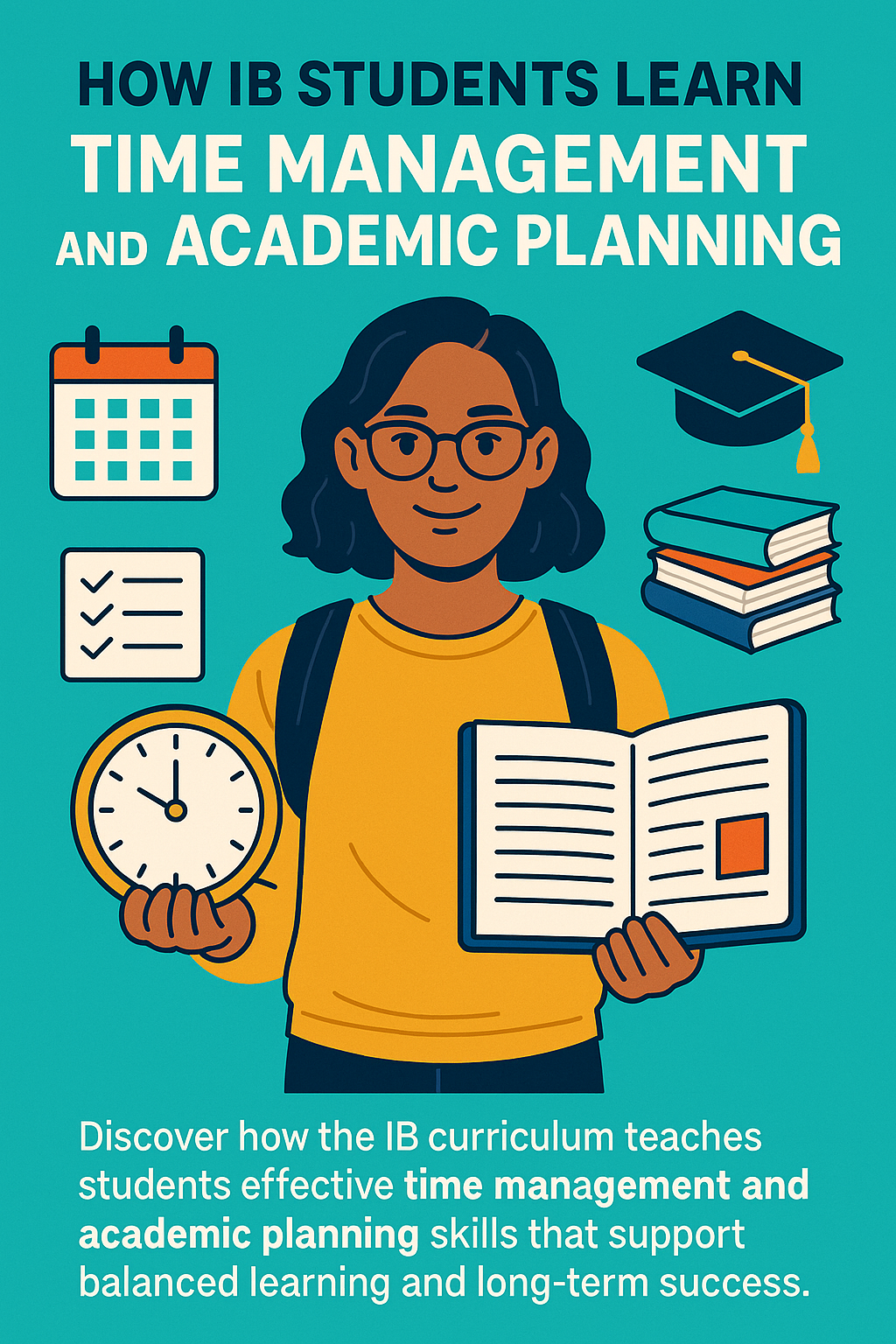
One of the most valuable skills IB students develop during their school years is time management. The IB curriculum is intentionally designed to move students beyond short-term studying and into long-term academic planning. From early years to the diploma stage, students are gradually taught how to manage deadlines, balance subjects, and take ownership of their learning schedules. These skills are not only essential for succeeding in the IB syllabus but also for thriving in university and beyond.
Unlike traditional systems that rely heavily on fixed timetables and last-minute preparation, the IB curriculum places responsibility on students to plan ahead, reflect on priorities, and manage overlapping tasks. This can feel challenging initially, especially for students new to the IB. However, over time, IB learners become confident planners who understand how to pace their effort and protect their well-being. This article explores how IB students learn time management and academic planning across IB PYP, IB MYP, and IB DP, and why these skills are central to the IB philosophy.
Why Time Management Is Central to the IB Curriculum
The IB syllabus is built around inquiry, reflection, and sustained effort. Students are expected to work on projects, internal assessments, and long-term assignments alongside daily learning. This structure makes time management unavoidable.
Rather than teaching time management as a separate skill, the IB integrates it into everyday learning. Students learn to break tasks into stages, set interim deadlines, and reflect on progress. Understanding these expectations early helps students avoid unnecessary stress. A clear overview of what the IB expects from learners is explained in the IB programme guide for students, demands and rewards.
How IB PYP Introduces Planning in Simple Ways
In the IB PYP, time management begins gently. Young learners are encouraged to plan small tasks, reflect on how long activities take, and develop routines around inquiry and exploration. Planning at this stage is guided and supportive rather than rigid.
Students learn concepts such as organising materials, completing tasks step by step, and managing classroom responsibilities. These early habits form the foundation for more independent planning later. Parents can understand how these skills develop in the early years through the IB PYP curriculum primary years programme guide.
Building Responsibility Through the IB MYP
As students move into the IB MYP, time management becomes more structured. Students are expected to handle multiple subjects, assignments, and assessments simultaneously. Teachers guide students in using planners, setting timelines, and reviewing deadlines regularly.
The IB MYP encourages students to reflect on how they use time and adjust strategies when plans do not work. This reflective approach helps students develop realistic planning habits rather than rigid schedules. Over time, students learn that planning is flexible and responsive, not perfect.
Advanced Academic Planning in the IB DP
The IB DP requires a high level of independence. Students manage six subjects alongside core components such as the Extended Essay, Theory of Knowledge, and CAS. Without strong time management, workload can quickly feel overwhelming.
The IB DP teaches students to think long term. Extended projects require weeks or months of planning, research, drafting, and revision. This process mirrors university expectations and prepares students for future academic demands. Parents can explore subject-level demands and benefits in the IBDP curriculum subjects benefits guide.
Learning to Prioritise Tasks Effectively
One of the most important planning skills IB students develop is prioritisation. Not all tasks require the same level of effort or urgency. IB learners are taught to distinguish between urgent deadlines and long-term goals.
This skill helps students avoid last-minute stress and distribute effort evenly. Prioritisation also protects emotional health by preventing constant pressure. Over time, students learn to make thoughtful decisions about where to invest time.
The Role of Reflection in Improving Time Management
Reflection is central to the IB approach and plays a key role in improving planning skills. Students regularly reflect on what worked, what felt rushed, and how they can plan better next time.
Reflection helps students recognise patterns, such as overestimating or underestimating task duration. This awareness leads to more realistic planning and reduced stress. Reflection transforms mistakes into learning opportunities rather than failures.
Transitioning to the IB Requires Planning Adjustments
Students transitioning from other boards often struggle initially because IB planning expectations are different. Moving from teacher-led schedules to self-managed timelines requires adjustment.
Understanding this shift helps students avoid self-blame. Families can explore common challenges and solutions in transitioning to IB from CBSE or ICSE. With guidance, students adapt quickly and gain confidence in managing their time.
Why IB Planning Reduces Academic Stress
Effective planning reduces uncertainty, which is a major source of stress. When students know what needs to be done and when, they feel more in control.
The IB curriculum encourages students to plan ahead rather than react to deadlines. This proactive approach allows space for rest, reflection, and adjustment. Students who plan effectively experience fewer emotional highs and lows during the academic year.
Avoiding Comparison Through Personal Planning
In IB environments, students may feel tempted to compare workloads or progress with peers. Comparison often leads to overworking or self-doubt.
Personal planning helps students focus on their own learning journey rather than external benchmarks. The IB philosophy values individual growth over competition, allowing students to develop confidence in their own pace.
Using Tools to Support IB Planning Skills
Digital tools can support time management when used intentionally. Platforms that provide structured learning paths, reminders, and progress tracking help students stay organised.
Platforms like AllRounder.ai support academic planning by offering clear lesson structures, practice tools, and progress visibility. When tools reduce confusion, students can focus on learning rather than logistics.
Board Aligned Learning Makes Planning Easier
Planning becomes harder when resources do not align with curriculum requirements. Misaligned materials waste time and increase frustration.
Students benefit from structured support through IB courses. For families navigating multiple boards, resources like CBSE courses and ICSE courses also provide clarity and organisation.
Grade Wise Planning Support Builds Confidence
Time management skills evolve with age. Younger students need guidance and reminders, while older students need autonomy and accountability.
Students can access focused academic pathways through Grade 8 courses, Grade 9 courses, Grade 10 courses, Grade 11 courses, and Grade 12 courses. Age-appropriate pacing supports sustainable planning habits.
Practice Helps Students Plan More Accurately
Regular practice helps students estimate time more realistically. When students practise under exam-like conditions, they learn how long tasks actually take.
Using tools like practice tests helps students refine pacing and reduce surprises during assessments. Practice strengthens both academic skills and time awareness.
Engaging Learning Prevents Planning Fatigue
When learning feels monotonous, planning becomes burdensome. Engaging learning methods keep students motivated and focused.
Interactive reinforcement through learning games offers mental variety while supporting understanding. Enjoyable learning reduces resistance to planning and follow-through.
Supporting Parents in the Planning Process
Parents play an important role in supporting time management without taking control. Encouraging independence while offering guidance helps students build confidence.
Understanding IB expectations allows parents to support planning calmly. A helpful overview is available in the IB curriculum guide for parents in Kolkata. Informed support strengthens student autonomy.
Learning How IB Differs From Traditional Systems
IB planning differs significantly from traditional exam-focused systems. Understanding these differences helps students adjust habits early.
The contrast between IB schools and traditional institutions is explored in IB schools in India vs traditional institutions. Recognising this difference prevents unrealistic expectations and stress.
Time Management as Preparation for University
One of the greatest strengths of IB planning is how well it prepares students for higher education. University learning requires independent scheduling, long-term planning, and self-motivation.
The connection between IB learning and university readiness is explained in the IB curriculum university preparation guide. IB students enter university with a strong advantage in managing workload.
Planning Is a Skill, Not a Personality Trait
Some students believe they are naturally bad at time management. In reality, planning is a skill developed through practice and reflection.
The IB curriculum provides repeated opportunities to learn this skill gradually. Students who struggle initially often become strong planners by the end of their IB journey.
Flexibility Is Part of Effective Planning
IB planning is not about rigid schedules. It is about flexibility. Plans change, tasks take longer, and priorities shift.
Students who learn to adapt plans without panic manage workload more calmly. Flexibility protects mental health while maintaining academic standards.
Conclusion: How IB Builds Lifelong Planning Skills
The IB curriculum does more than teach subjects. It teaches students how to manage time, plan responsibly, and reflect on their learning process. These skills are developed progressively from IB PYP through IB MYP and IB DP.
By aligning study habits with IB philosophy, using supportive tools, and focusing on sustainable routines, students learn to manage workload confidently without burnout. Time management and academic planning become lifelong skills that support success far beyond school.
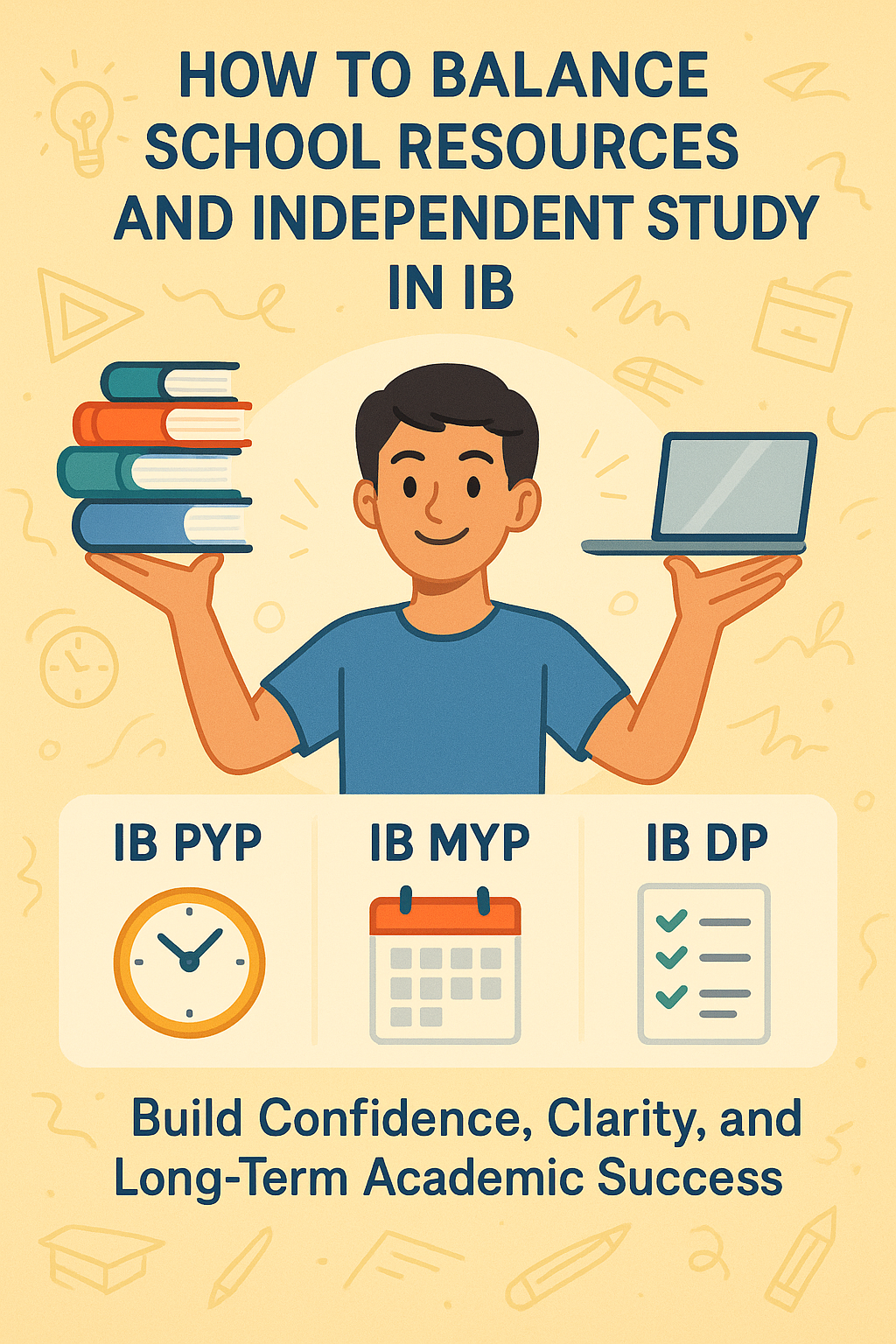
Learn how IB students can balance school resources and independent study across IB PYP, MYP, and DP to build...
Learn how parents can identify quality academic support for IB learners that aligns with IB PYP, MYP, and DP values...
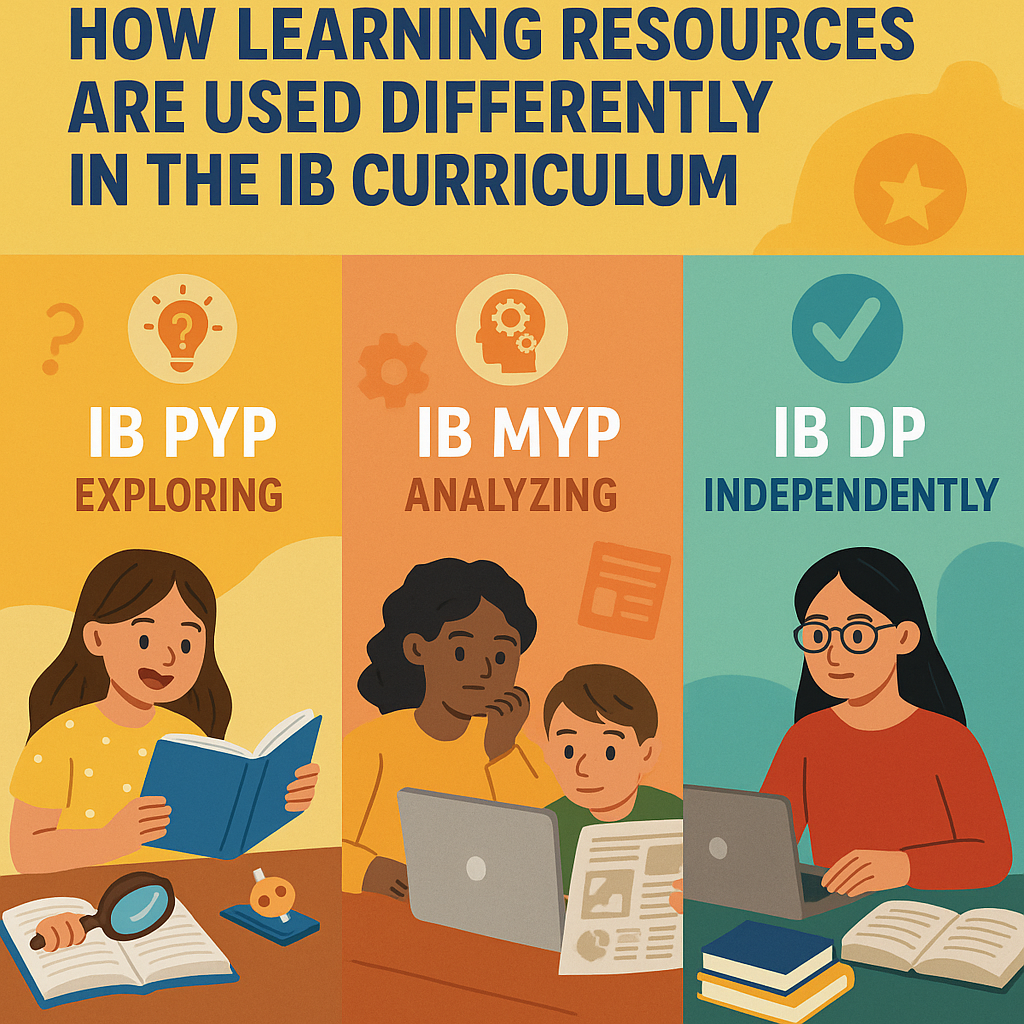
Discover how learning resources are used differently in the IB curriculum and how IB PYP, MYP, and DP students...
Learn how the IB curriculum helps students develop strong research and writing skills across IB PYP, MYP, and DP,...
Discover why reflection is a core skill in the IB education system and how it supports independent thinking,...
Learn how parents can support IB students across IB PYP, MYP, and DP without micromanaging, while building...
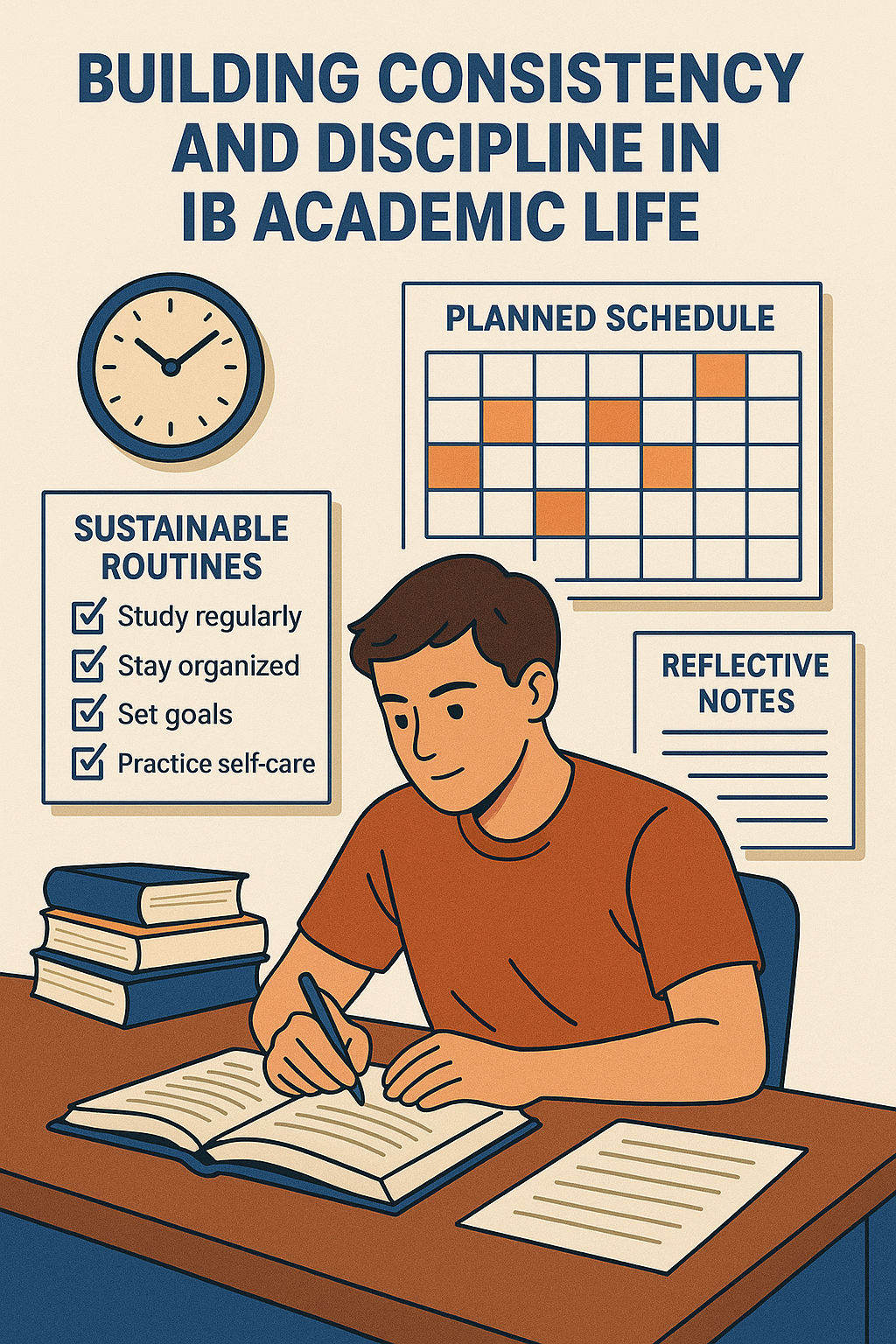
Learn how IB students can build consistency and discipline through sustainable routines, reflective habits, and...
Discover how the IB curriculum teaches students effective time management and academic planning skills that support...
Learn how IB students can avoid burnout while managing coursework by building balanced routines, aligning study...
Discover study habits that align with the IB curriculum and help students succeed through inquiry-based learning,...
Learn how the IB curriculum builds strong research and reading habits through inquiry-based learning, reflection,...
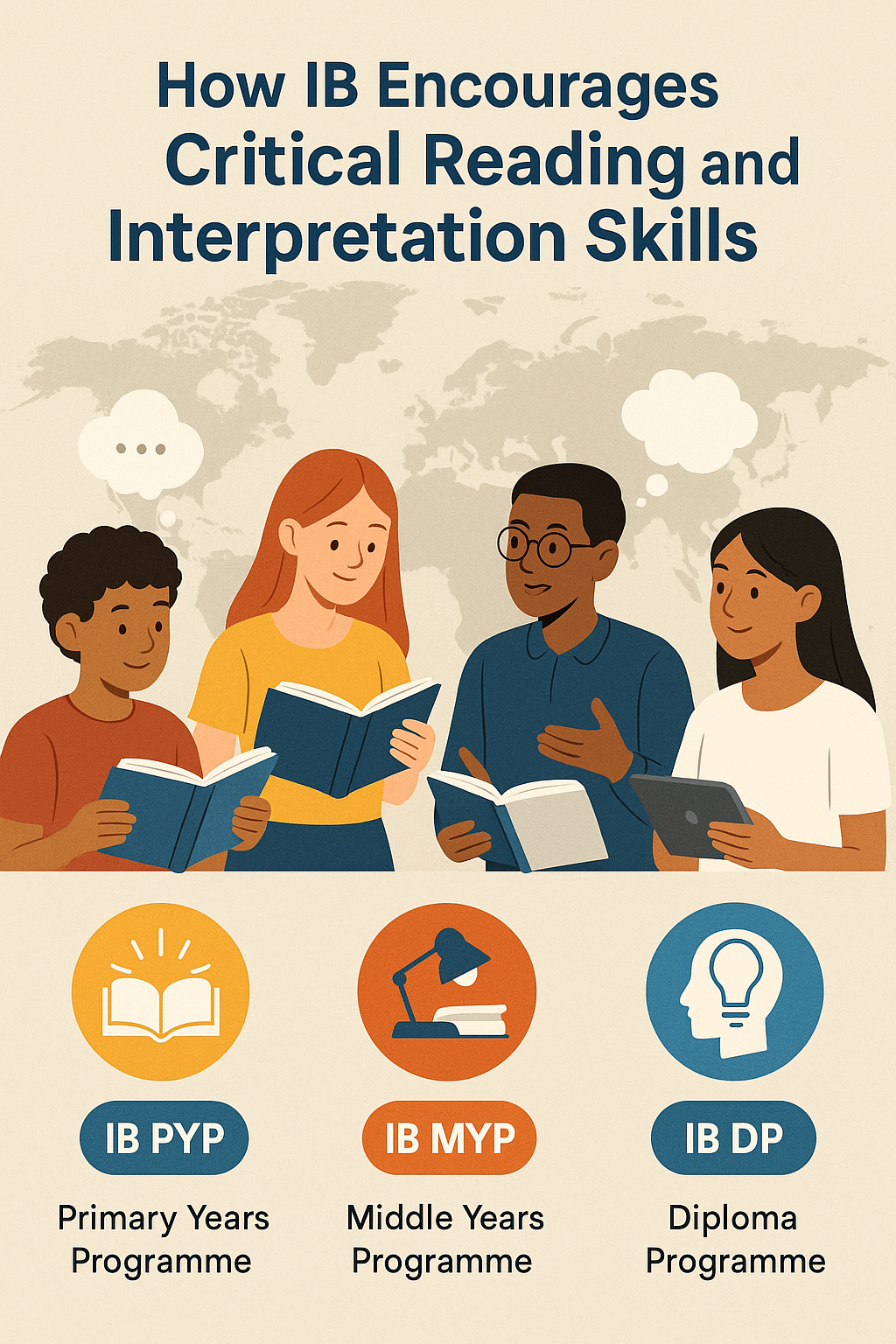
Discover how the IB syllabus builds strong critical reading and interpretation skills through inquiry-based...
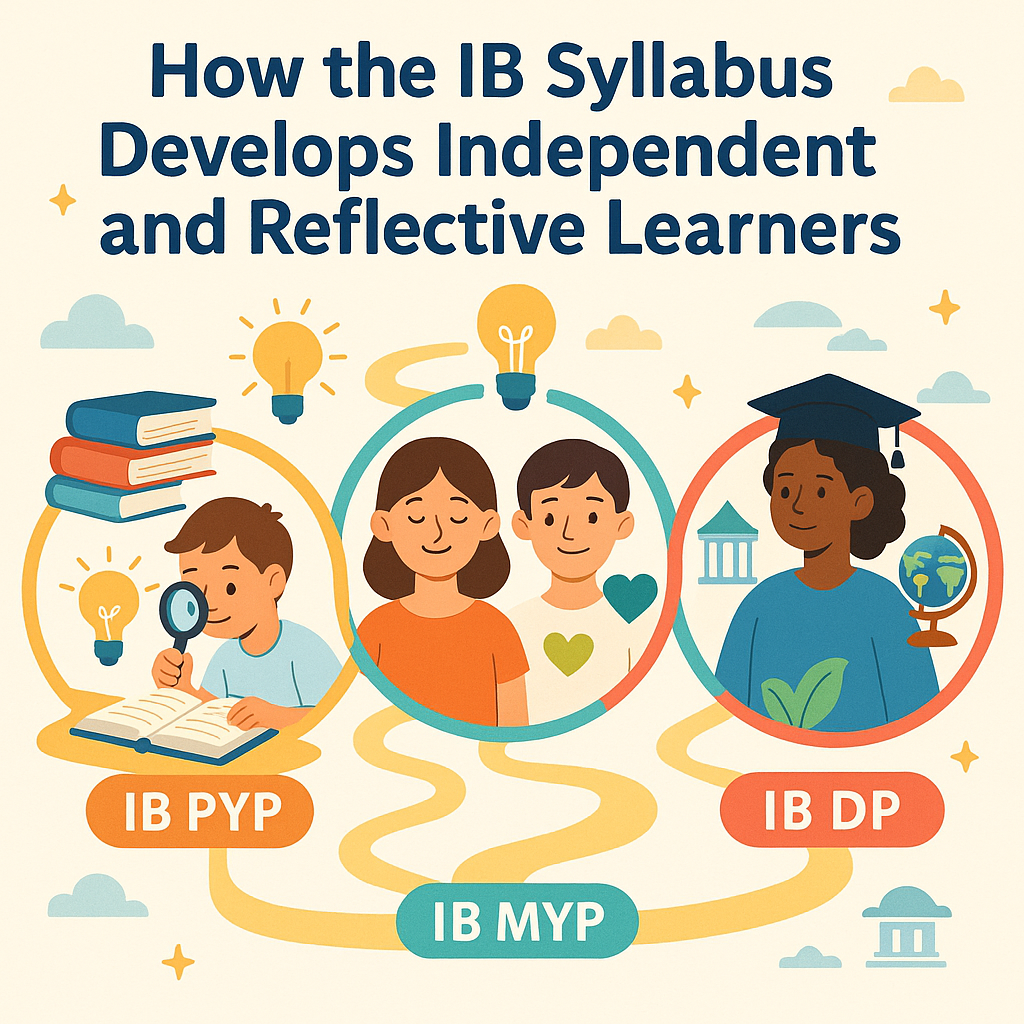
Discover how the IB syllabus builds independent and reflective learners through inquiry-based learning, emotional...
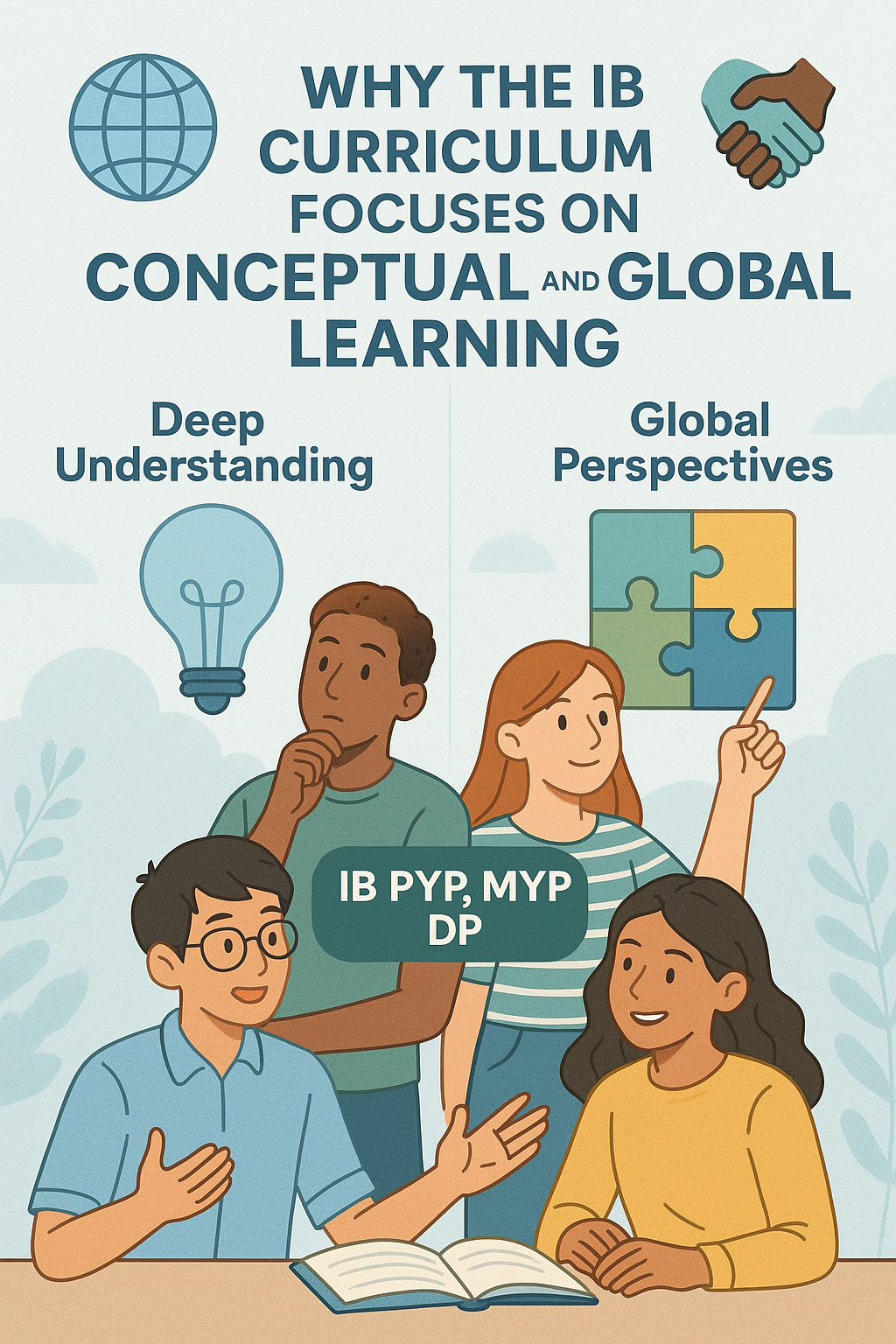
Learn why the IB curriculum focuses on conceptual and global learning, how IB PYP, MYP, and DP develop deep...
Understand the educational philosophy behind the IB board, including IB PYP, MYP, and DP, and learn how IB learning...
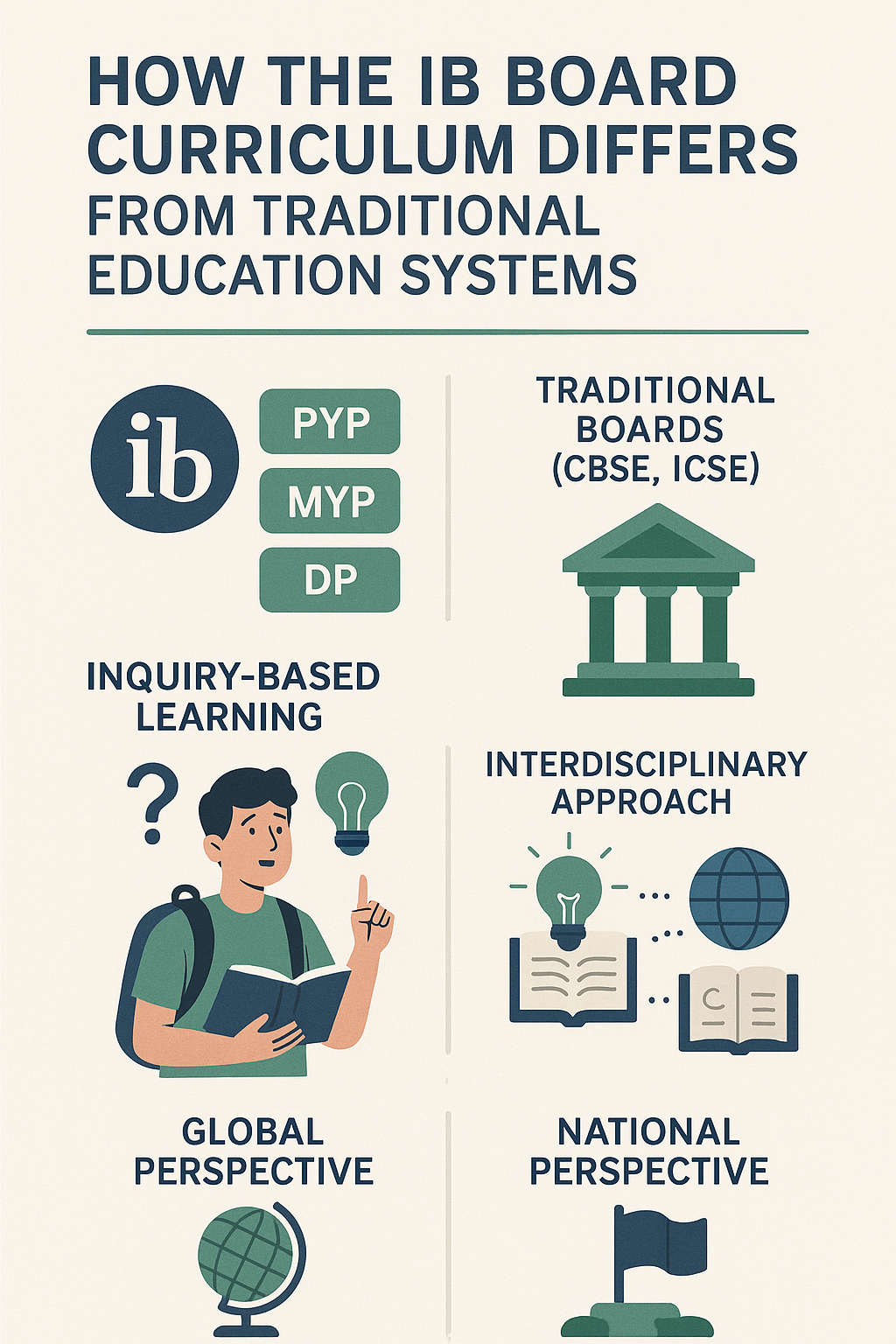
Explore how the IB board curriculum differs from traditional education systems like CBSE and ICSE, and understand IB...
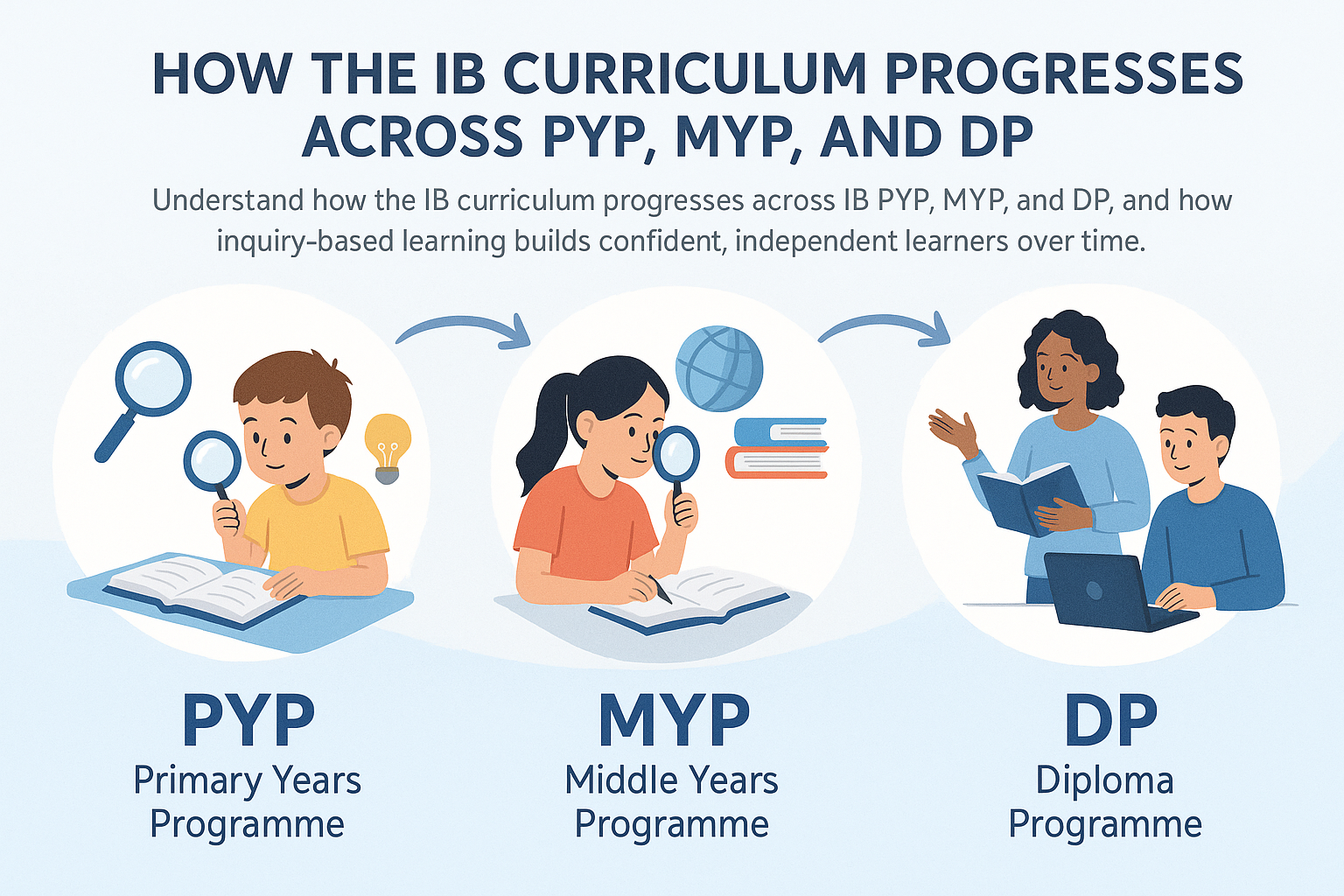
Understand how the IB curriculum progresses across IB PYP, MYP, and DP, and how inquiry-based learning builds...
A parent friendly guide to understanding the IB curriculum, IB PYP, MYP, and DP, and how inquiry based learning...
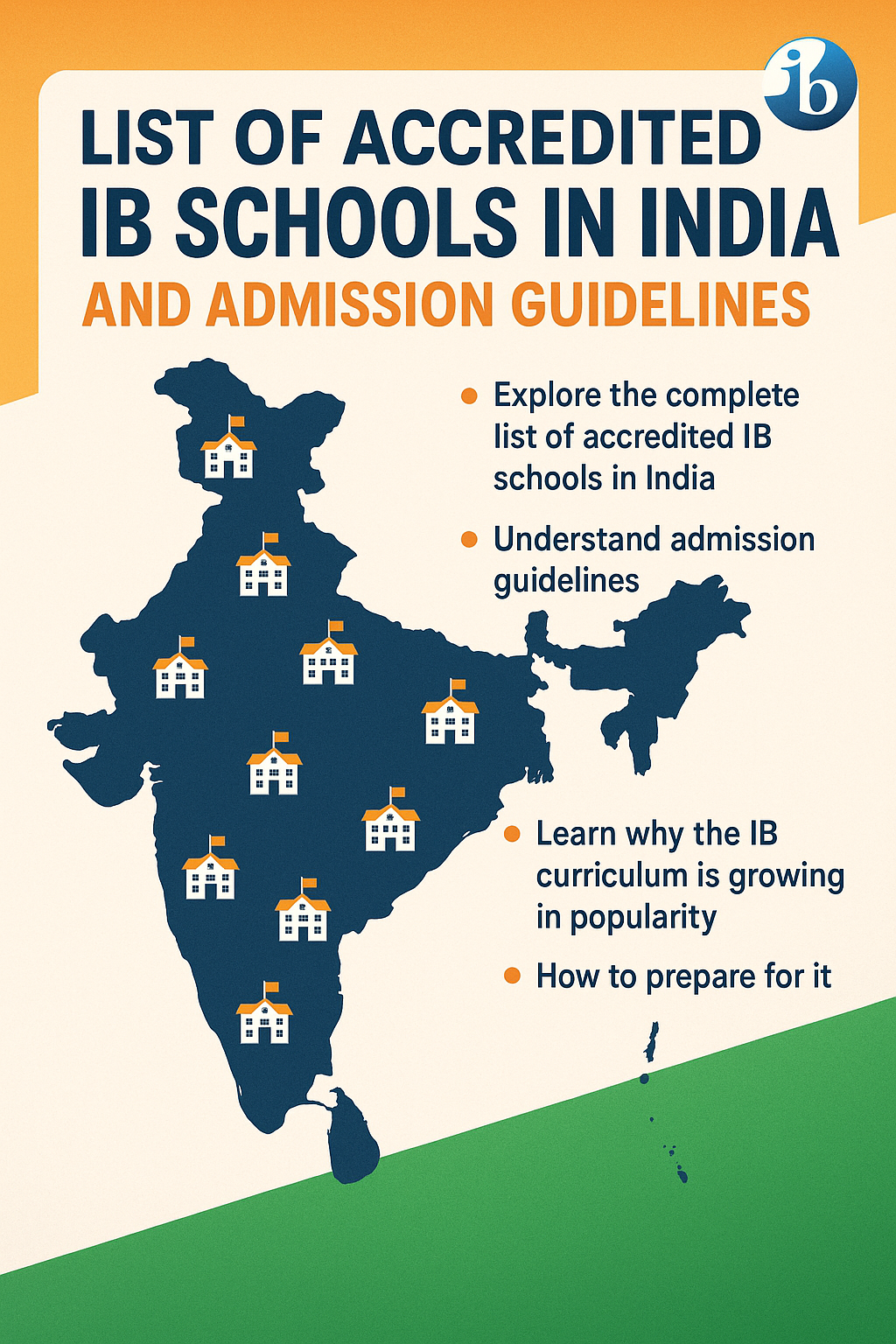
Explore the complete list of accredited IB schools in India and understand admission guidelines. Learn why the IB...

A complete guide for parents in Kolkata to understand the IB curriculum. Learn about PYP, MYP, IBDP stages,...

Discover the IB Diploma Programme curriculum, subject groups, core requirements, and benefits of IB. Learn how...

Thinking of joining the IB Programme? Learn about its rewards, challenges, and how AllRounder.ai can help you...

Discover the IB PYP curriculum framework, key learning areas, transdisciplinary themes, and how it nurtures lifelong...

Explore the IB syllabus structure, subject groups, and core components like TOK, CAS, and EE. A complete guide to IB...

Discover how the IB curriculum prepares students for Ivy League and top global universities. Explore skills,...

Explore how to choose IB subjects wisely. Learn about IB subject groups, HL vs SL, and combinations aligned with...

Understand the 10 IB Learner Profile attributes and why they matter in shaping global, future-ready students.

A detailed comparison of IB, CBSE, and ICSE boards. Learn about curriculum, teaching methods, and which board best...

Discover the IB Board – its global recognition, programs, and unique education philosophy.
Resources
-
Your complete JEE Advanced resource for eligibility, exam dates, syllabus, marks vs rank, and...
-
Understand the entire JEE Main process, from application and eligibility rules to the exam...
-

Explore the IB Board – a global curriculum emphasizing holistic, student-centered learning...
-

Learn about CBSE – India’s national school board offering a standardized curriculum, NCERT...
-

Explore everything about the ICSE board – its curriculum, subjects, exam format, and academic...