Professional Courses
Industry-relevant training in Business, Technology, and Design
Categories
Interactive Games
Fun games to boost memory, math, typing, and English skills
Typing
Memory
Math
English Adventures
Knowledge

How to Support IB Students Without Micromanaging Their Studies

How to Support IB Students Without Micromanaging Their Studies
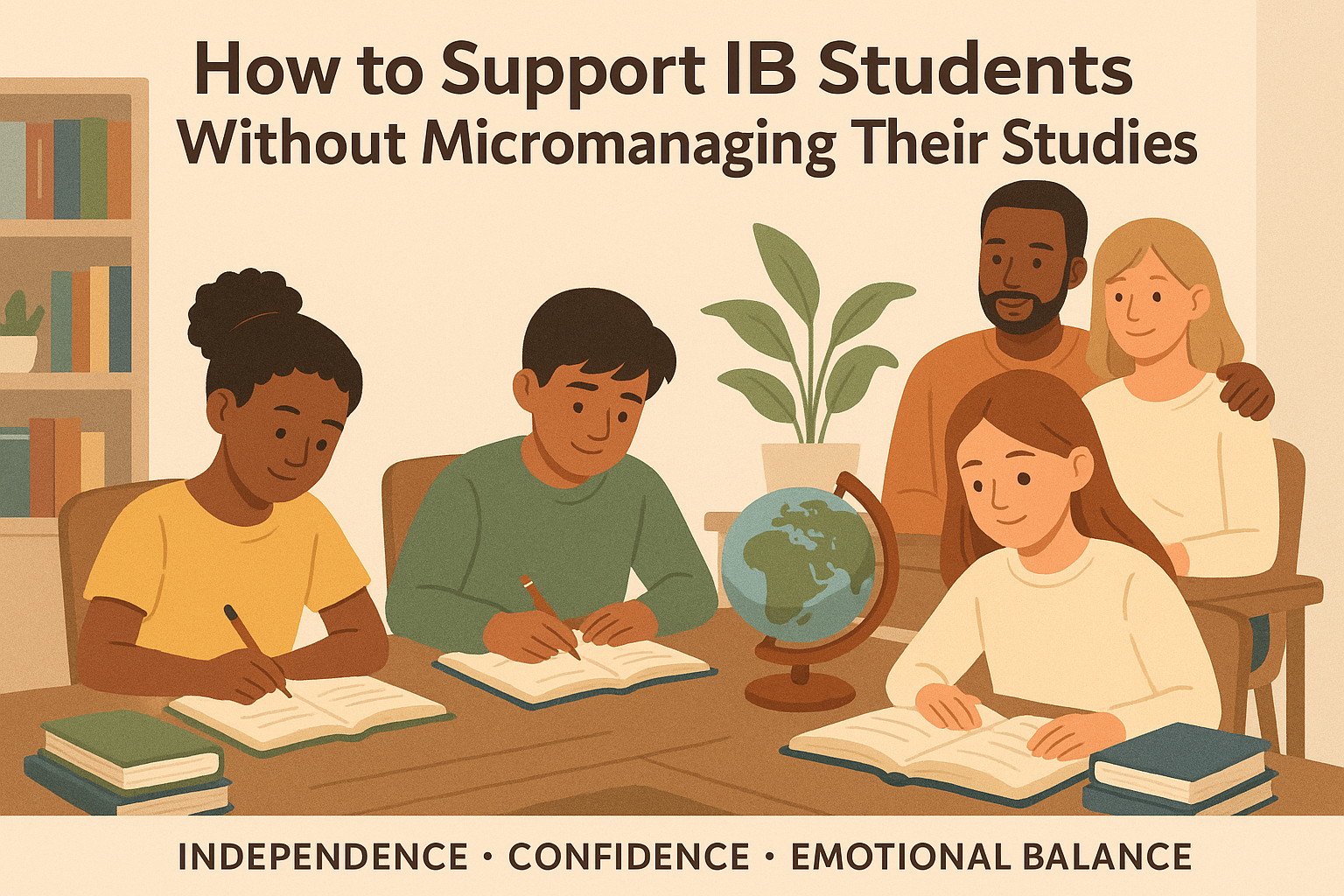
Supporting a child enrolled in the International Baccalaureate programme is both rewarding and challenging. The IB curriculum is known for its academic depth, inquiry-based learning, and strong emphasis on independent thinking. While these qualities prepare students well for university and life beyond school, they can also make parents feel unsure about how involved they should be. Many parents worry about doing too little and leaving their child overwhelmed, while others worry about doing too much and interfering with independence.
The key lies in offering support without micromanagement. IB students thrive when they feel trusted, guided, and emotionally secure rather than constantly monitored. This article explores how parents can effectively support children across the IB PYP, IB MYP, and IB DP years, while respecting autonomy and nurturing confidence. Understanding the IB philosophy and aligning parental support with it can make a meaningful difference in a student’s academic and emotional journey.
Understanding the IB Philosophy Before Offering Support
The International Baccalaureate is not just an academic board. It is an educational philosophy that values inquiry, reflection, global awareness, and self-directed learning. Before parents decide how to support their child, it is essential to understand what the IB curriculum expects from students.
The IB encourages students to ask questions, explore concepts deeply, and take ownership of their learning. Assignments often focus on research, critical thinking, and reflection rather than rote memorisation. Parents unfamiliar with this approach may mistakenly interpret independent work as lack of structure. A helpful starting point for parents is the IB curriculum guide for parents, which explains how the IB system works and what students are expected to manage on their own.
Why Micromanagement Can Harm IB Students
Micromanagement often comes from good intentions. Parents want to ensure deadlines are met, concepts are understood, and performance remains strong. However, in the IB environment, excessive control can undermine learning.
When parents constantly check assignments, remind students about every task, or intervene too early, students lose the chance to build self-regulation. The IB syllabus is designed to help students develop time management, responsibility, and resilience. Micromanagement sends the message that students are not capable of handling these demands themselves, which can reduce confidence and motivation over time.
Supporting IB learners means trusting the process while staying available as a safety net.
Supporting IB Students by Understanding Programme Stages
The IB journey looks different at each stage. The kind of support students need evolves as they move from primary years to the diploma programme. Parents who adjust their involvement according to these stages create a healthier balance.
Supporting Children in the IB PYP Years
The IB Primary Years Programme focuses on curiosity, exploration, and foundational skills. Students learn through inquiry and projects rather than traditional exams. Parents often feel tempted to step in frequently at this stage.
The most effective support during IB PYP is encouragement rather than instruction. Asking children what they learned, what they enjoyed, or what surprised them helps reinforce curiosity. Parents can explore the philosophy of early IB learning through the IB PYP curriculum guide, which explains how play, reflection, and exploration drive learning.
At this stage, micromanagement is unnecessary. What children need most is reassurance that learning is enjoyable and mistakes are part of discovery.
Guiding Students Through IB MYP Without Controlling Them
The Middle Years Programme introduces more academic structure while maintaining inquiry-based learning. Students start managing multiple subjects, projects, and deadlines. This transition often makes parents anxious.
Instead of tracking every task, parents can help students build planning habits. Encouraging the use of planners, digital calendars, or weekly goal-setting sessions allows students to take ownership while still feeling supported. Understanding the broader IB framework through the IB programme guide for students can help parents align expectations with programme demands.
Support during IB MYP should focus on skill-building rather than performance monitoring.
Supporting IB DP Students During High-Pressure Years
The IB Diploma Programme is academically demanding and emotionally intense. Students juggle subject coursework, internal assessments, extended essays, and theory of knowledge alongside exam preparation. Parents often feel the urge to intervene more during this phase.
However, IB DP students need trust more than supervision. Parents can support by creating a calm home environment, encouraging regular breaks, and helping students prioritise tasks without dictating how they should study. Understanding the structure of the diploma through the IBDP curriculum subjects and benefits guide helps parents offer informed support without taking control.
Helping IB Students Manage the IB Syllabus Independently
The IB syllabus is broad and interconnected, which can feel overwhelming at times. Parents can help students navigate this by encouraging planning and reflection rather than checking every page of work.
Helping students break large tasks into smaller milestones reduces stress. Asking questions like what is your plan for this week or which subject needs more focus encourages self-assessment. Parents who want a clearer picture of subject expectations can explore the IB syllabus key learning areas breakdown to understand how different subjects are structured.
Support becomes effective when it empowers rather than controls.
Encouraging Healthy Study Habits Without Constant Monitoring
IB students benefit from consistent study routines, but they should be involved in creating these routines themselves. Instead of enforcing strict schedules, parents can guide students to design routines that match their energy levels and workload.
Providing a quiet study space, respecting focused study time, and normalising breaks helps students develop sustainable habits. Parents can also encourage students to use structured learning platforms like IB courses that offer clarity and reduce confusion around expectations.
Healthy habits flourish when students feel ownership over their time.
Balancing Academics With Emotional Wellbeing
The IB curriculum values holistic development, but students may still feel pressure to excel academically. Emotional wellbeing plays a crucial role in long-term success. Parents can support this by listening without immediately offering solutions.
Simple conversations about how students are feeling can prevent stress from building up. When students know they can express frustration without judgment, they are more likely to seek help early. Encouraging balance through hobbies, physical activity, or creative outlets reinforces the IB philosophy of developing well-rounded individuals.
Using Practice and Feedback Without Creating Pressure
Assessment is a key part of the IB system, but it should not dominate daily life. Parents can support exam readiness by encouraging regular practice rather than last-minute cramming.
Using tools like practice tests helps students become familiar with question styles and time management. Parents should focus conversations on learning progress rather than scores. This approach reinforces confidence and reduces anxiety.
Supporting Learning Across Grades With Age-Appropriate Expectations
IB students may also be navigating transitions between grades and academic expectations. Support should evolve accordingly. Younger secondary students need reassurance and guidance, while senior students need trust and emotional backing.
Students across different stages can benefit from structured academic resources such as Grade 8 courses, Grade 9 courses, Grade 10 courses, Grade 11 courses, and Grade 12 courses. These resources provide structure without replacing independent effort.
Allowing Students to Learn From Challenges
The IB curriculum intentionally includes challenging tasks to build resilience. Parents should resist the urge to rescue students too quickly when difficulties arise. Struggling with a concept or receiving critical feedback is part of the learning process.
When parents respond calmly and encourage problem-solving, students learn to handle setbacks independently. This prepares them not only for IB success but also for university life.
Preparing IB Students for University and Beyond
One of the greatest strengths of the IB curriculum is how well it prepares students for higher education. Universities value IB students for their research skills, critical thinking, and independence. Parents who support without micromanaging help students fully develop these strengths.
The long-term benefits of IB learning are explored in the IB curriculum university preparation guide. When parents trust the process, students gain confidence in their ability to manage complex academic environments.
Encouraging Balanced Learning Through Exploration and Play
Even older IB students benefit from moments of relaxation and creative engagement. Continuous academic focus without downtime can lead to burnout. Encouraging educational play and exploration supports mental balance.
Interactive learning experiences such as learning games allow students to recharge while staying intellectually engaged. These breaks enhance focus and emotional resilience.
Supporting IB Students While Respecting Individual Paths
Not all IB students will follow the same academic or career paths. Some may excel in sciences, others in humanities or arts. Parents who respect individual strengths foster emotional security and motivation.
Comparing siblings or peers can damage confidence. Instead, focusing on personal growth aligns with IB values and supports emotional wellbeing.
Creating a Partnership Rather Than a Power Dynamic
The healthiest form of parental support feels like a partnership. Parents provide guidance, resources, and emotional safety, while students take responsibility for learning. This dynamic encourages trust and open communication.
Parents can explore broader academic support options through AllRounder.ai, which offers structured resources designed to complement independent learning rather than replace it.
Final Thoughts on Supporting IB Students Without Micromanaging
Supporting IB students effectively requires patience, trust, and understanding of the IB philosophy. Micromanagement may offer short-term reassurance but can hinder long-term growth. When parents focus on guidance rather than control, students develop confidence, independence, and resilience.
The IB journey is demanding, but it is also deeply rewarding. With the right balance of support and autonomy, students are empowered to thrive academically, emotionally, and personally throughout their IB years and beyond.
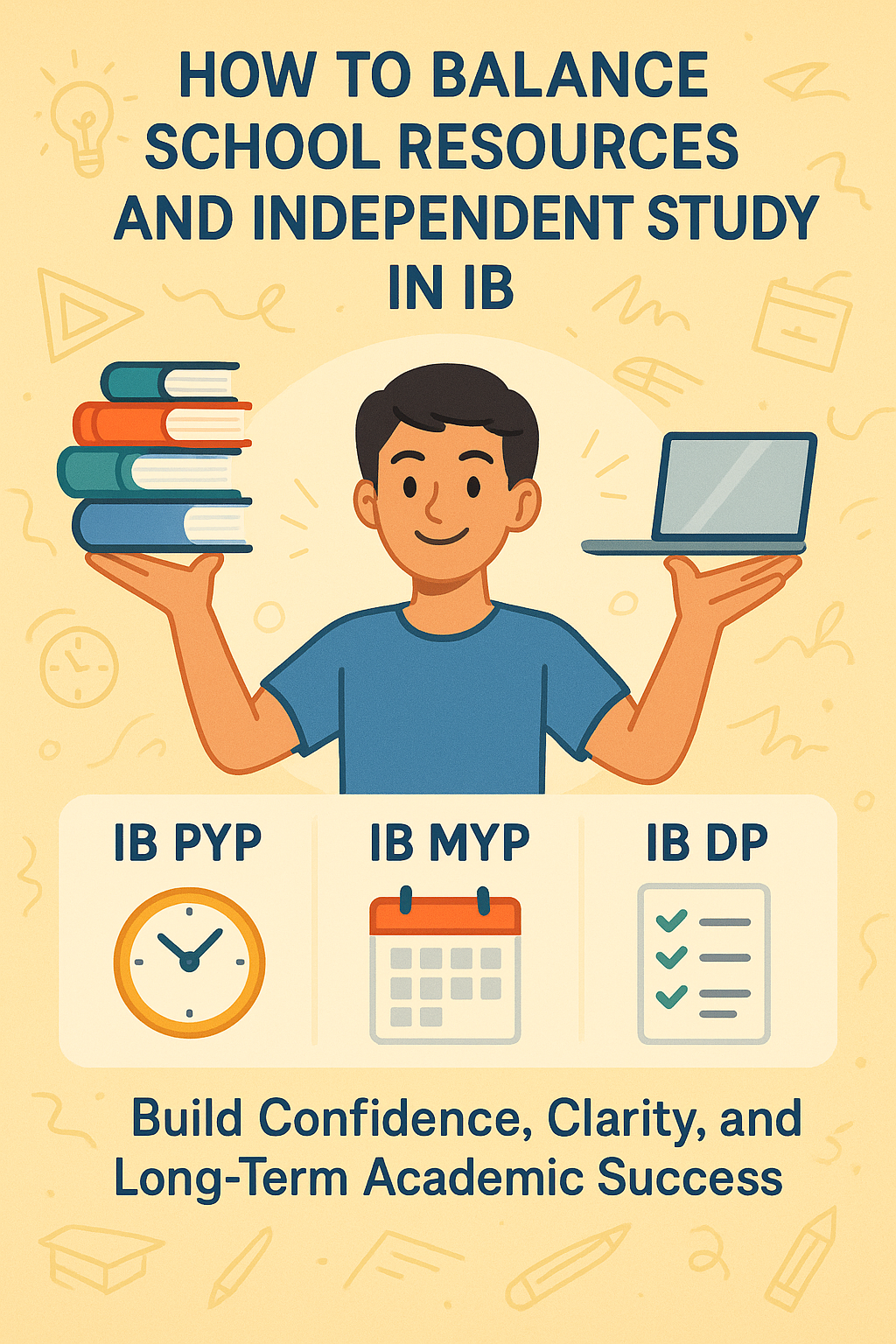
Learn how IB students can balance school resources and independent study across IB PYP, MYP, and DP to build...
Learn how parents can identify quality academic support for IB learners that aligns with IB PYP, MYP, and DP values...
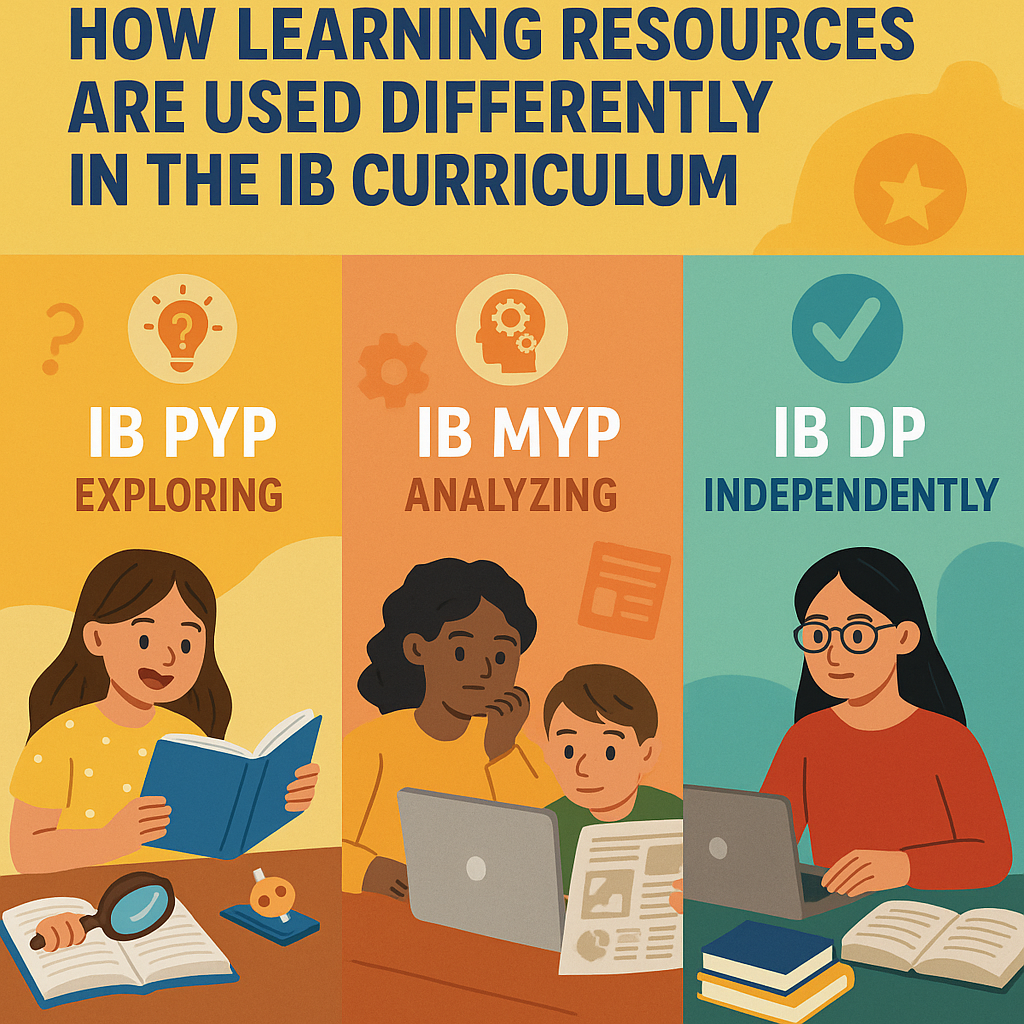
Discover how learning resources are used differently in the IB curriculum and how IB PYP, MYP, and DP students...
Learn how the IB curriculum helps students develop strong research and writing skills across IB PYP, MYP, and DP,...
Discover why reflection is a core skill in the IB education system and how it supports independent thinking,...
Learn how parents can support IB students across IB PYP, MYP, and DP without micromanaging, while building...
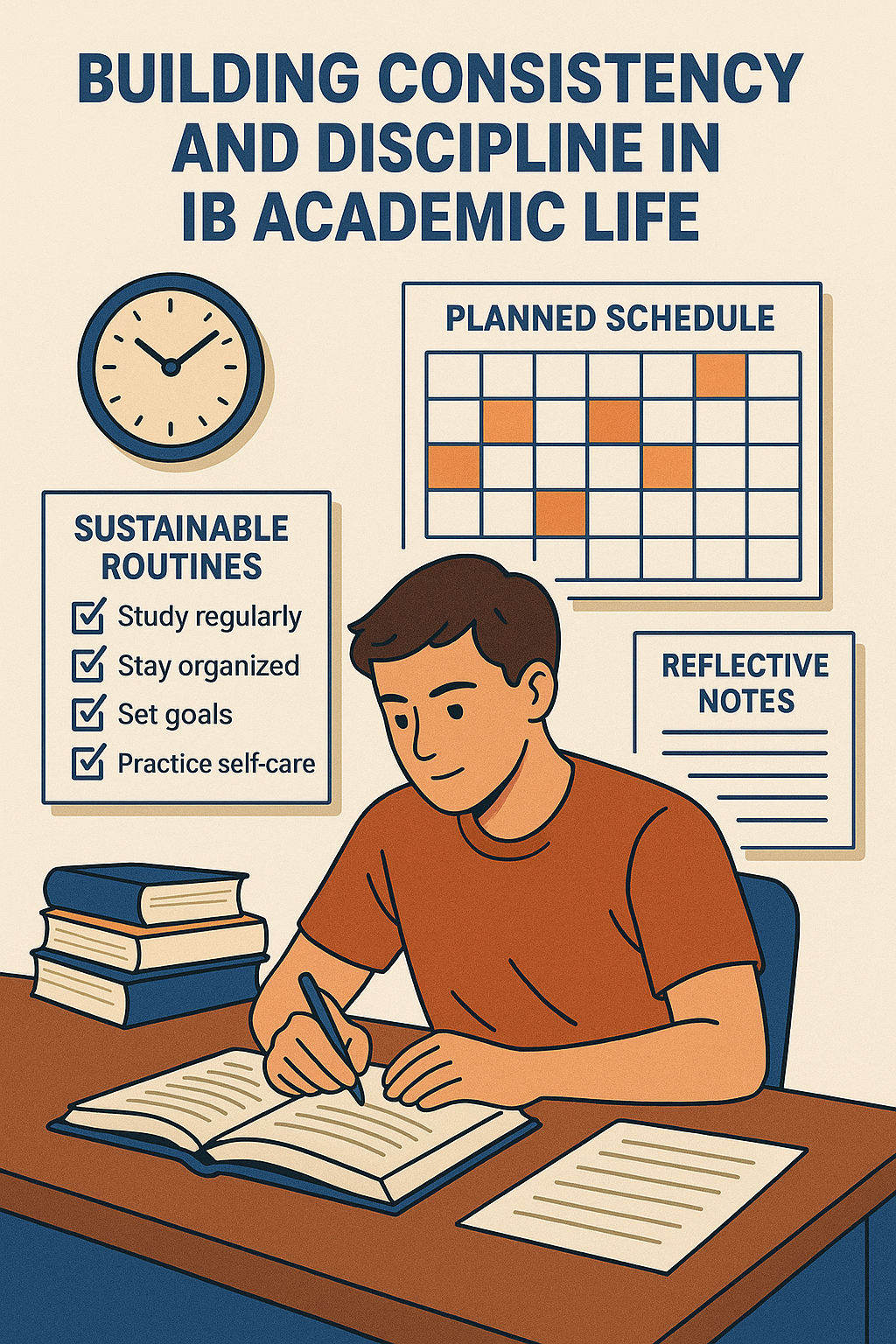
Learn how IB students can build consistency and discipline through sustainable routines, reflective habits, and...
Discover how the IB curriculum teaches students effective time management and academic planning skills that support...
Learn how IB students can avoid burnout while managing coursework by building balanced routines, aligning study...
Discover study habits that align with the IB curriculum and help students succeed through inquiry-based learning,...
Learn how the IB curriculum builds strong research and reading habits through inquiry-based learning, reflection,...
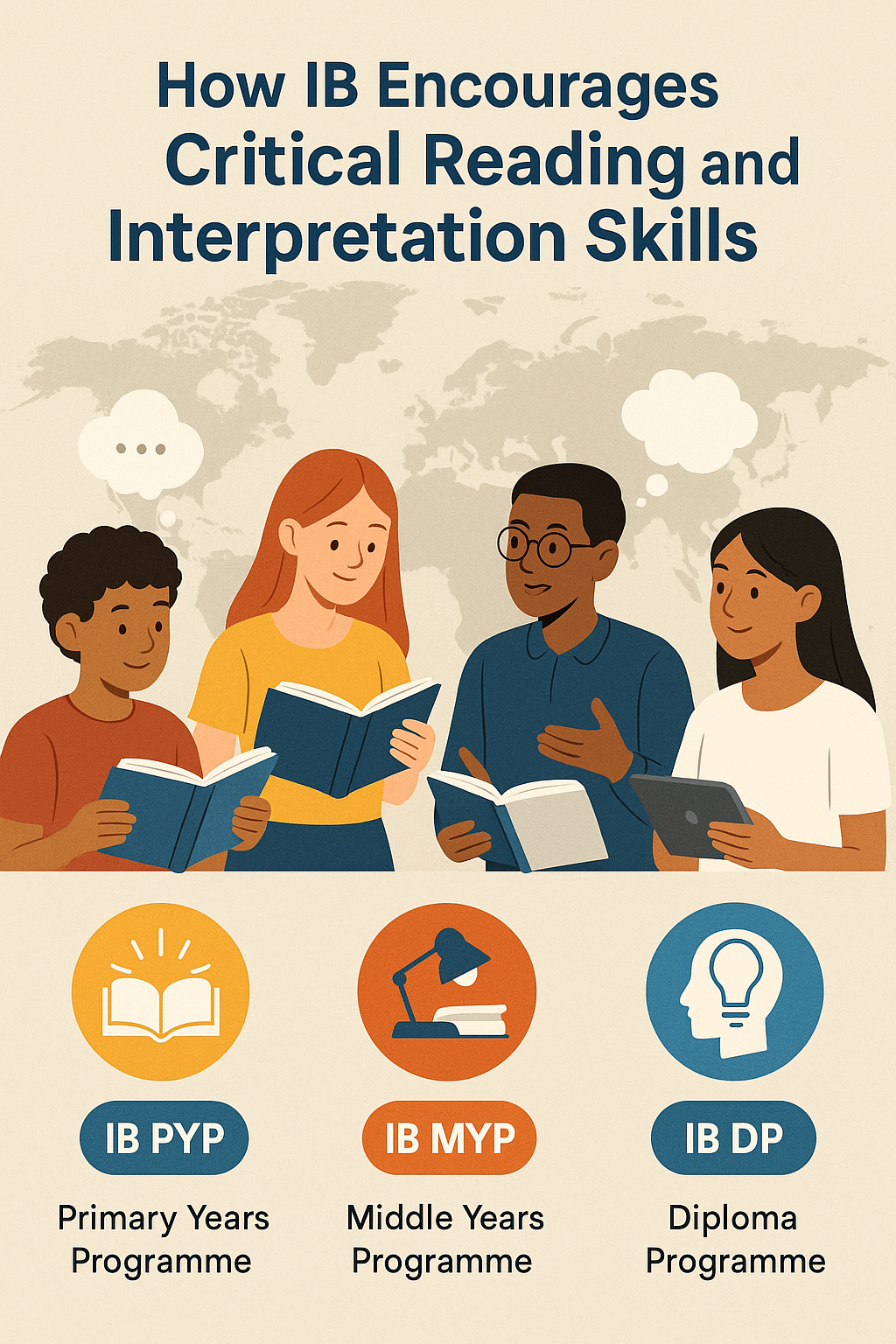
Discover how the IB syllabus builds strong critical reading and interpretation skills through inquiry-based...
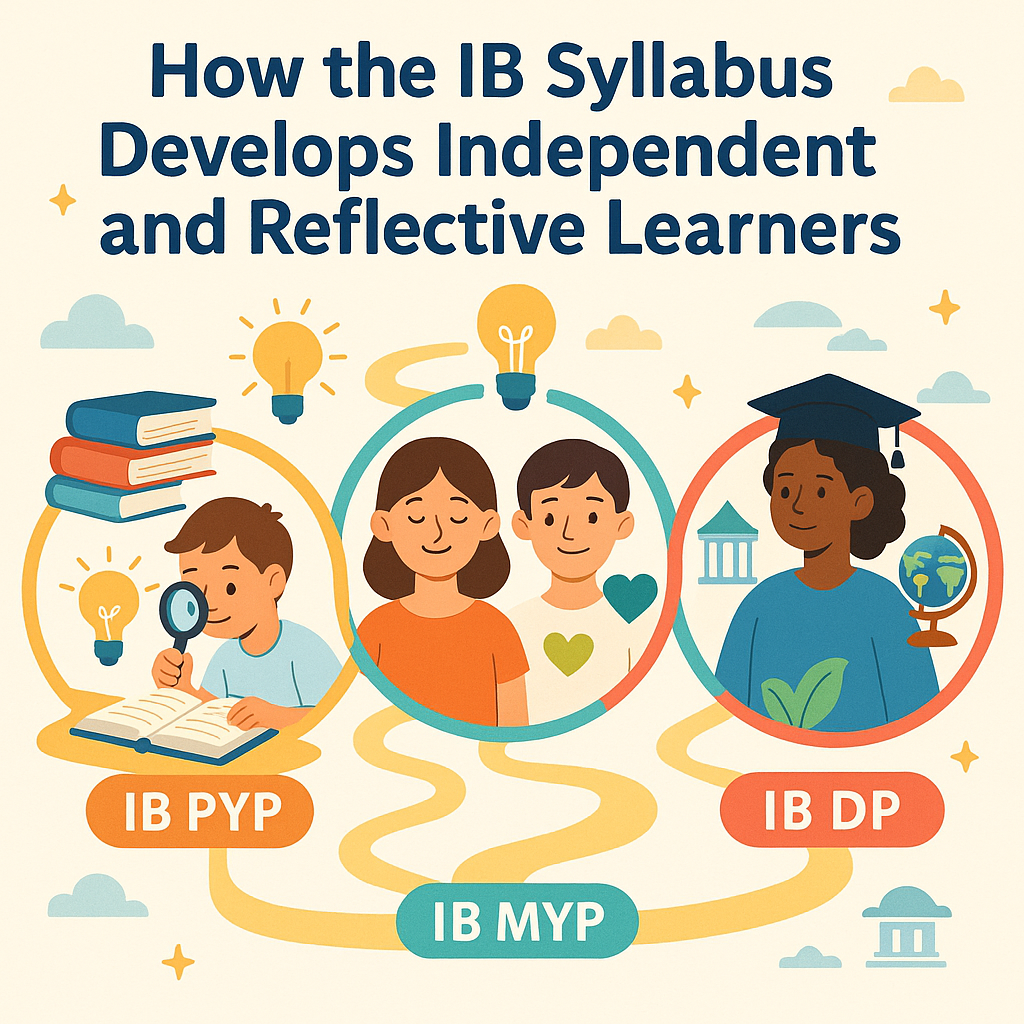
Discover how the IB syllabus builds independent and reflective learners through inquiry-based learning, emotional...
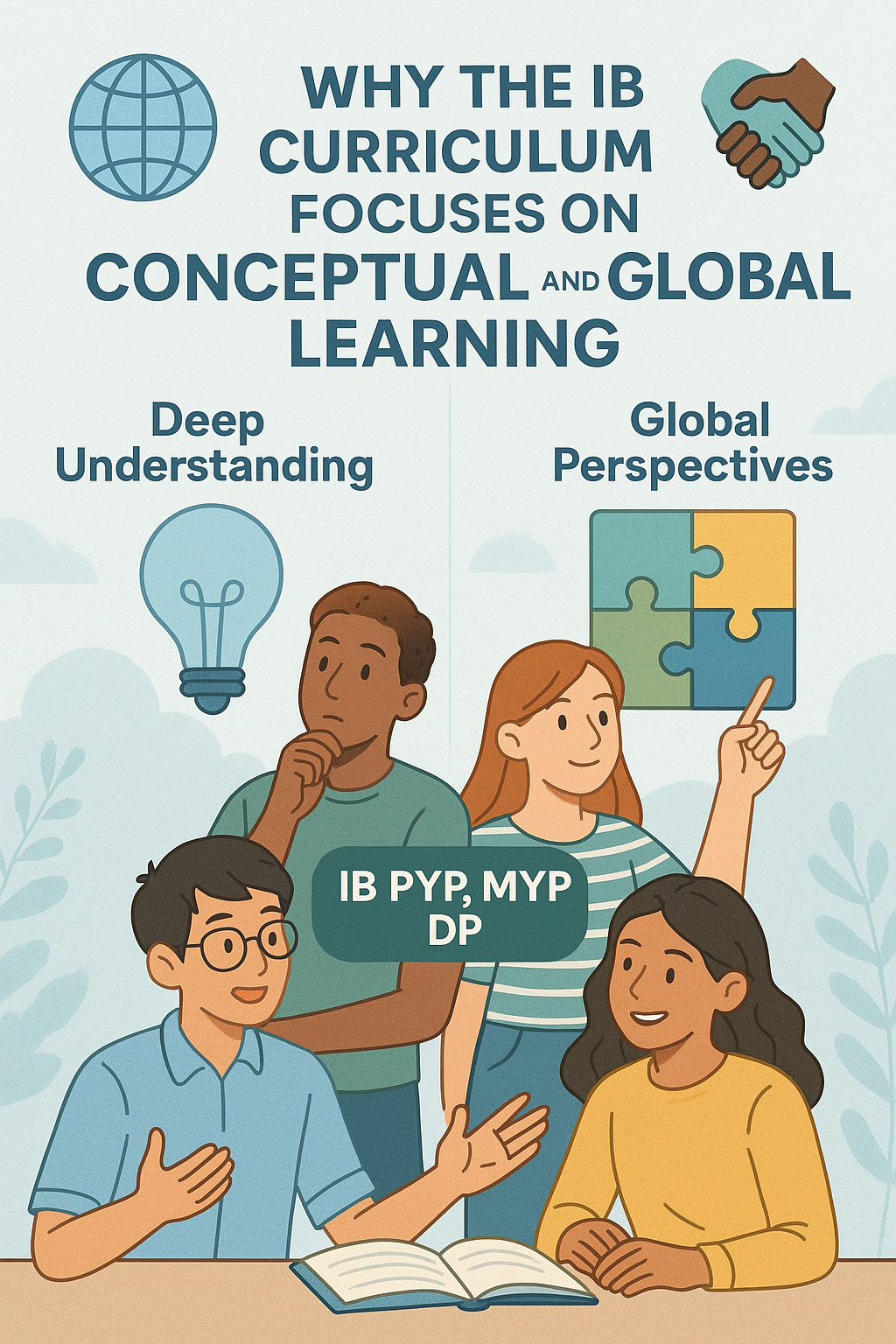
Learn why the IB curriculum focuses on conceptual and global learning, how IB PYP, MYP, and DP develop deep...
Understand the educational philosophy behind the IB board, including IB PYP, MYP, and DP, and learn how IB learning...
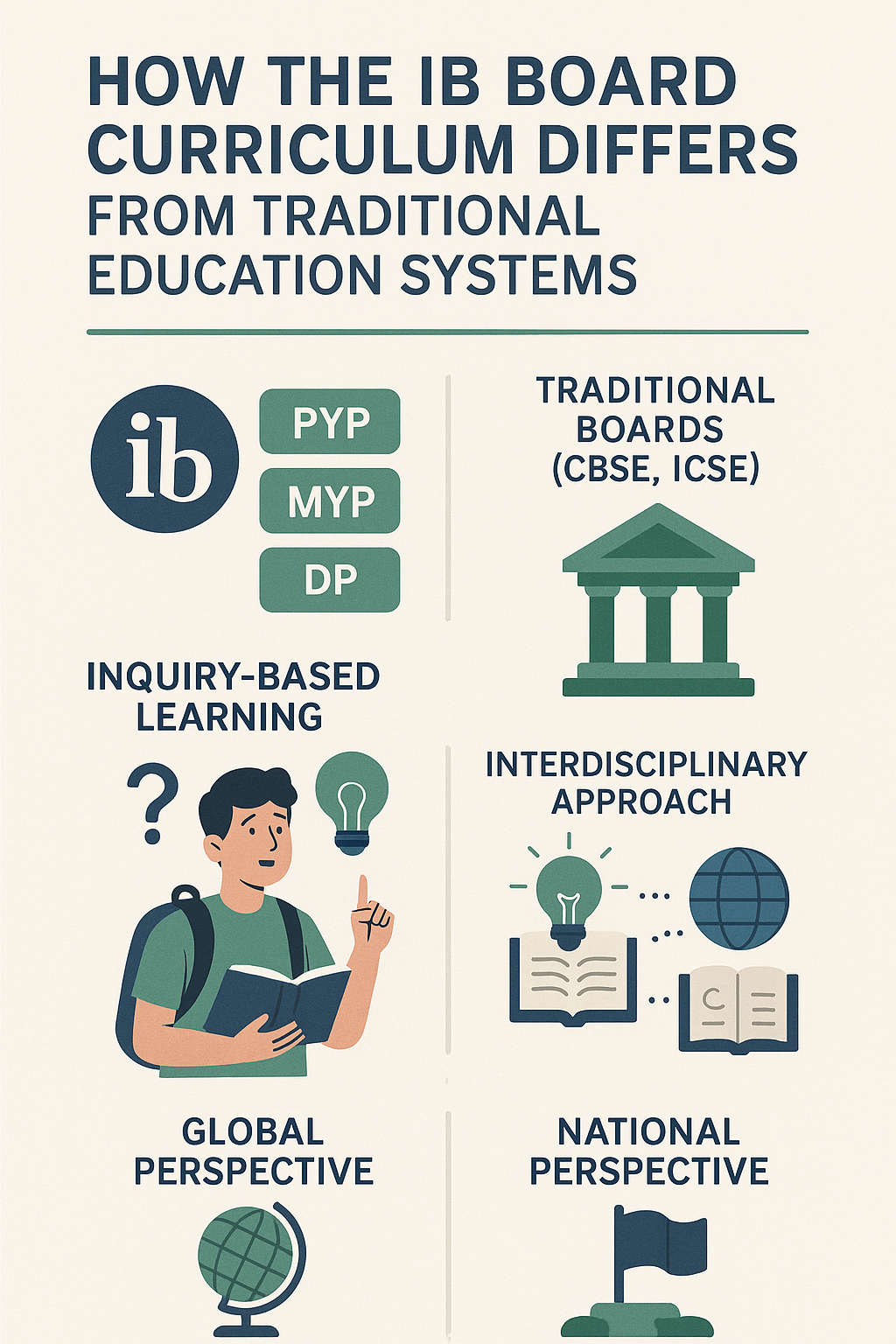
Explore how the IB board curriculum differs from traditional education systems like CBSE and ICSE, and understand IB...
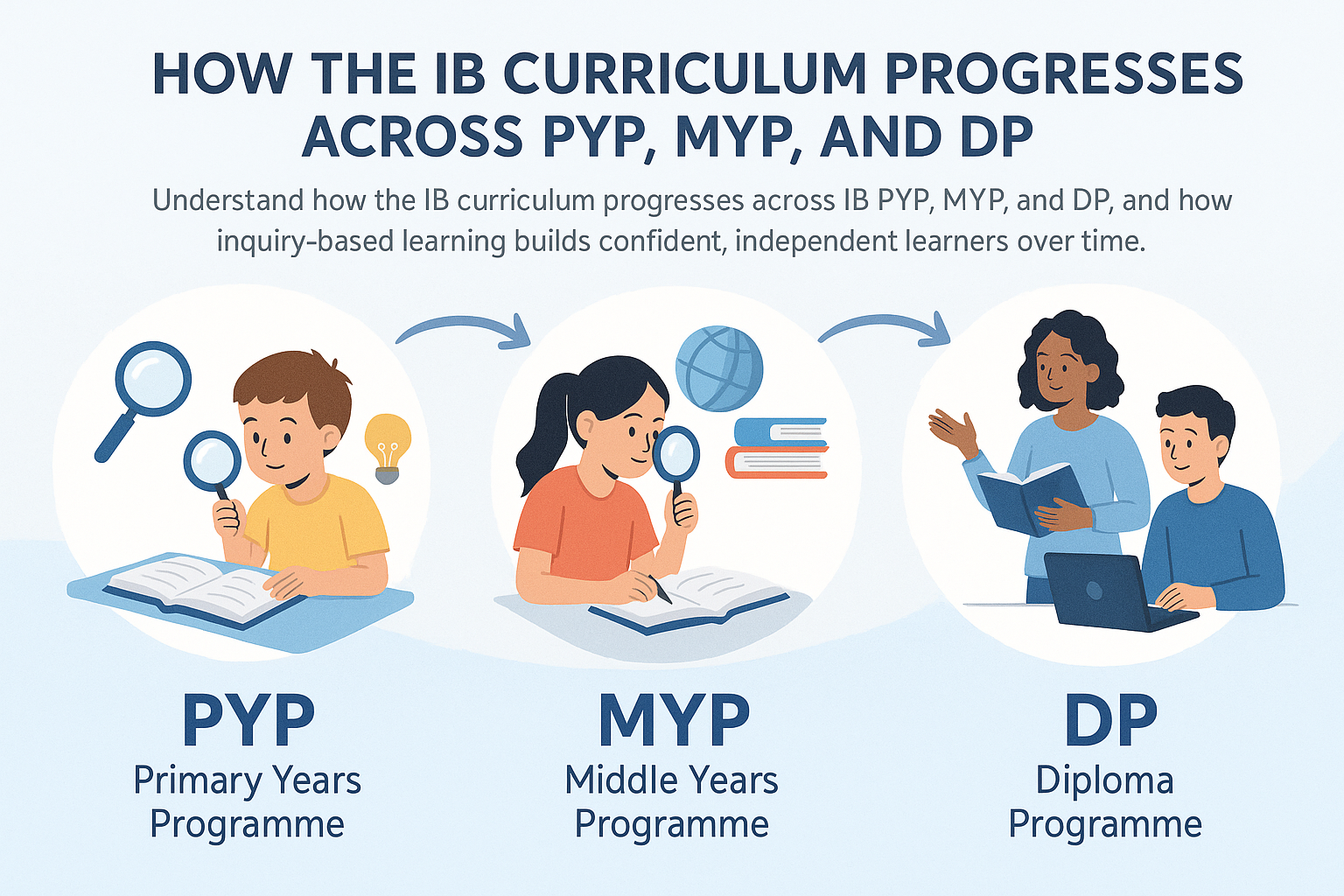
Understand how the IB curriculum progresses across IB PYP, MYP, and DP, and how inquiry-based learning builds...
A parent friendly guide to understanding the IB curriculum, IB PYP, MYP, and DP, and how inquiry based learning...
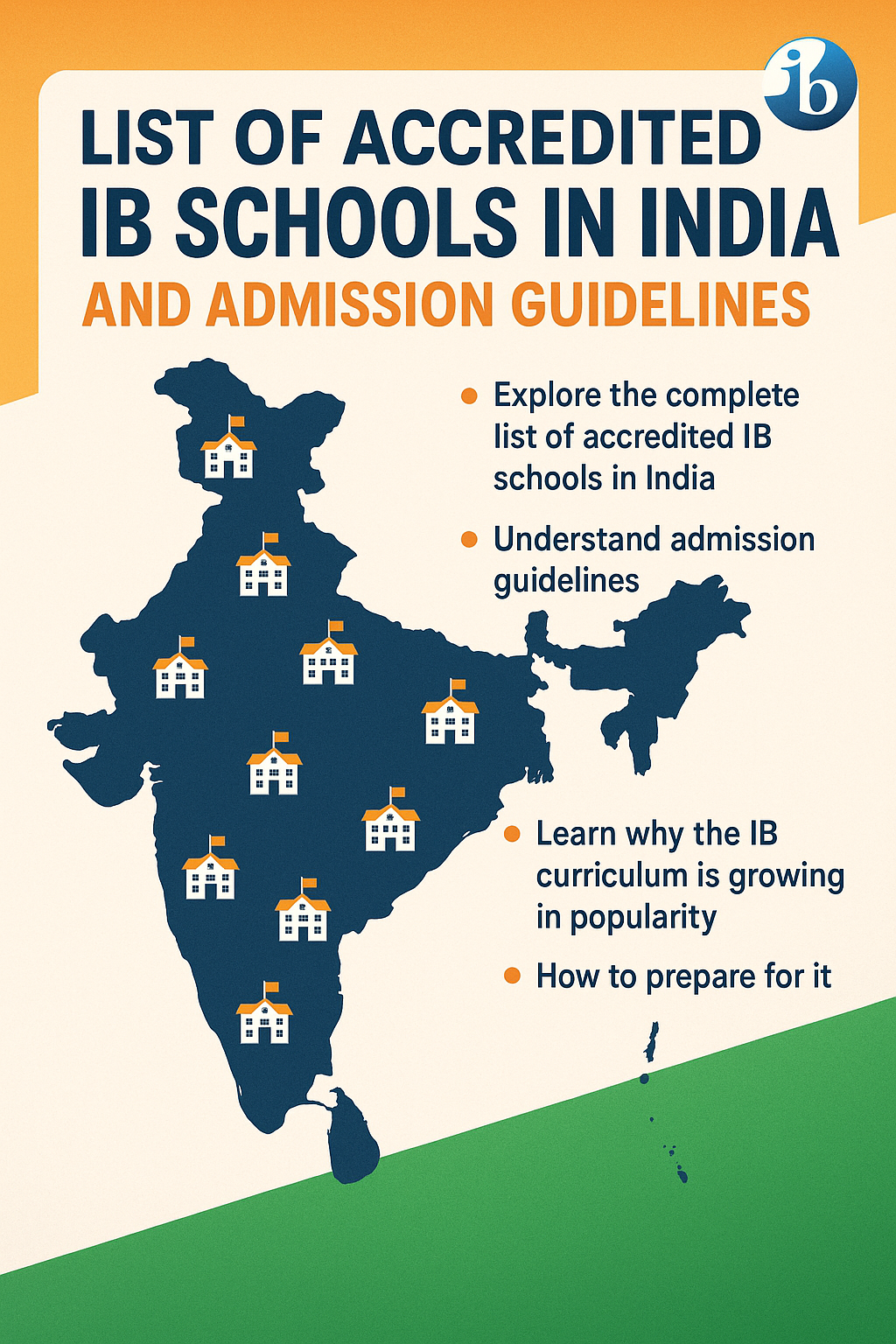
Explore the complete list of accredited IB schools in India and understand admission guidelines. Learn why the IB...

A complete guide for parents in Kolkata to understand the IB curriculum. Learn about PYP, MYP, IBDP stages,...

Discover the IB Diploma Programme curriculum, subject groups, core requirements, and benefits of IB. Learn how...

Thinking of joining the IB Programme? Learn about its rewards, challenges, and how AllRounder.ai can help you...

Discover the IB PYP curriculum framework, key learning areas, transdisciplinary themes, and how it nurtures lifelong...

Explore the IB syllabus structure, subject groups, and core components like TOK, CAS, and EE. A complete guide to IB...

Discover how the IB curriculum prepares students for Ivy League and top global universities. Explore skills,...

Explore how to choose IB subjects wisely. Learn about IB subject groups, HL vs SL, and combinations aligned with...

Understand the 10 IB Learner Profile attributes and why they matter in shaping global, future-ready students.

A detailed comparison of IB, CBSE, and ICSE boards. Learn about curriculum, teaching methods, and which board best...

Discover the IB Board – its global recognition, programs, and unique education philosophy.
Resources
-

Your complete JEE Advanced resource for eligibility, exam dates, syllabus, marks vs rank, and...
-
Understand the entire JEE Main process, from application and eligibility rules to the exam...
-

Explore the IB Board – a global curriculum emphasizing holistic, student-centered learning...
-

Learn about CBSE – India’s national school board offering a standardized curriculum, NCERT...
-

Explore everything about the ICSE board – its curriculum, subjects, exam format, and academic...