Professional Courses
Industry-relevant training in Business, Technology, and Design
Categories
Interactive Games
Fun games to boost memory, math, typing, and English skills
Typing
Memory
Math
English Adventures
Knowledge

How Parents Can Identify Quality Academic Support for IB Learners

How Parents Can Identify Quality Academic Support for IB Learners
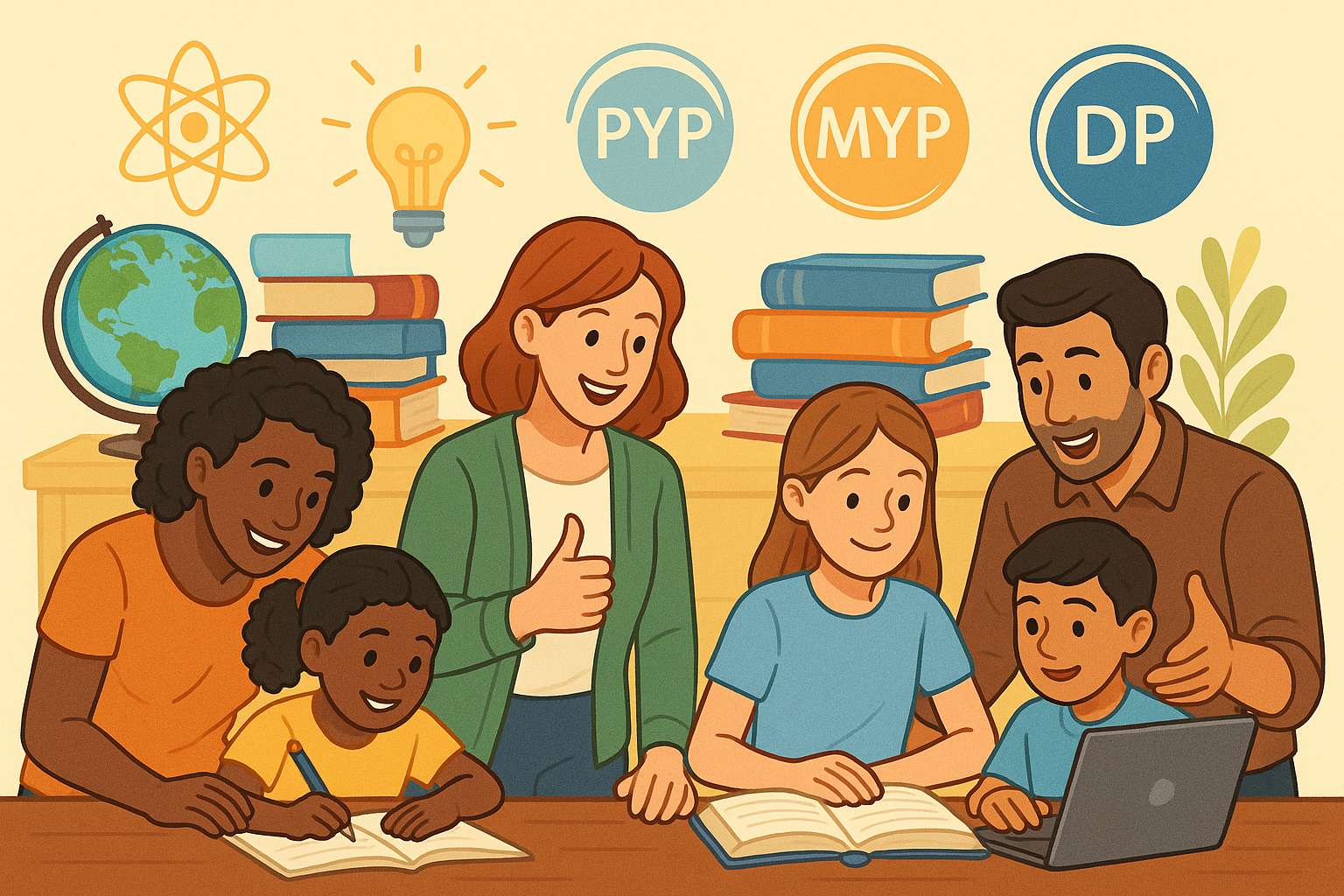
Choosing the right academic support for an IB student can feel overwhelming for many parents. The International Baccalaureate curriculum is rigorous, inquiry driven, and very different from traditional education systems. While the IB encourages independence, critical thinking, and depth of understanding, many students still need additional academic support at different stages of their journey. The challenge for parents is not whether support is needed, but how to identify support that genuinely aligns with IB philosophy rather than working against it.
Not all tutoring or learning resources suit IB learners. Support that focuses only on rote learning, shortcuts, or exam tricks can weaken conceptual understanding and reduce confidence. Quality academic support strengthens thinking, reinforces inquiry, and helps students manage workload without compromising independence. This article explores how parents can recognise effective, IB-aligned academic support across IB PYP, IB MYP, and IB DP.
Understanding What IB Learners Actually Need
Before choosing academic support, parents must understand what the IB curriculum expects from students. The IB is not just about completing a syllabus. It focuses on inquiry, reflection, interdisciplinary thinking, and real-world application of knowledge.
IB students are expected to ask questions, explore multiple perspectives, justify opinions with evidence, and reflect on their learning process. Support that only provides answers without explanation does not build these skills. Parents who understand this distinction are better equipped to evaluate whether a support system truly benefits their child. A helpful overview of IB expectations can be found in the IB curriculum guide for parents.
Why Generic Tutoring Often Fails IB Students
Many traditional tutoring services are designed for syllabus completion and exam scoring. While this approach may work in some systems, it often clashes with the IB philosophy.
IB assessments value understanding over memorisation. Essays, internal assessments, and projects require analysis, reflection, and original thinking. Generic tutoring that focuses on giving model answers or speeding through content may temporarily improve scores but weakens long-term learning. Parents should be cautious of support that promises quick fixes without addressing thinking skills.
Identifying Support That Aligns With IB Philosophy
Quality academic support for IB learners respects the IB approach to learning. It encourages questioning, discussion, and independent thought. Rather than simplifying content excessively, it helps students navigate complexity with confidence.
Good support asks students why they chose a particular answer, how they reached a conclusion, and what alternatives exist. This mirrors classroom expectations and prepares students for assessments more effectively than rote practice.
Understanding Support Needs Across IB Programme Stages
IB learners need different types of support at different stages. Parents should evaluate academic support based on where their child is in the IB journey rather than applying a one-size-fits-all solution.
Supporting Students in the IB PYP Years
In the IB Primary Years Programme, academic support should focus on curiosity, confidence, and expression rather than performance. Children at this stage learn through exploration and guided inquiry.
Quality support encourages children to ask questions, explain ideas in their own words, and reflect on experiences. Worksheets and memorisation-heavy methods are less effective at this level. Parents can better understand these needs through the IB PYP curriculum primary years programme guide.
Academic Support for IB MYP Learners
The Middle Years Programme introduces more structure and subject depth. Students begin handling multiple deadlines, projects, and assessments. Academic support at this stage should focus on organisation, conceptual clarity, and skill development.
Effective support helps students learn how to plan projects, research topics, and structure responses. It should guide rather than dictate. Parents can gain clarity on MYP demands through the IB programme guide for students demands and rewards.
Choosing the Right Support for IB DP Students
The IB Diploma Programme is academically demanding and emotionally intense. Students juggle internal assessments, extended essays, theory of knowledge, and exam preparation.
Quality support for IB DP students focuses on time management, research skills, conceptual understanding, and academic writing. It should never involve doing work for the student. Parents can understand diploma expectations more deeply through the IBDP curriculum subjects and benefits guide.
Evaluating Whether Support Understands the IB Syllabus
IB subjects are structured around concepts and learning objectives rather than fixed chapter sequences. Academic support that strictly follows textbooks without addressing conceptual goals may be misaligned.
Parents should look for support that understands how subjects are assessed and how learning outcomes are framed. Reviewing the IB syllabus key learning areas breakdown can help parents ask informed questions when evaluating tutors or platforms.
Signs of High Quality IB Academic Support
Quality IB support shows certain consistent characteristics. It encourages students to explain reasoning rather than memorise answers. It provides feedback that focuses on improvement rather than judgement. It helps students develop planning and reflection skills.
Good support also respects academic honesty. It guides students in research and writing without crossing ethical boundaries. These qualities indicate long-term value rather than short-term results.
The Role of Structured Digital Learning Platforms
Digital learning platforms can offer effective academic support when designed thoughtfully. Structured platforms provide clarity, consistency, and access to high-quality explanations without replacing independent thinking.
Platforms aligned with IB philosophy such as IB courses offer structured lessons, practice, and progress tracking that support understanding. Families managing multiple curricula may also explore CBSE courses and ICSE courses for curriculum-specific needs.
Using Practice Resources the Right Way
Practice is essential for IB learners, but it must be used thoughtfully. Quality academic support uses practice to reinforce understanding rather than encourage repetition without reflection.
Tools like practice tests help students familiarise themselves with question styles and expectations. Parents should ensure practice is accompanied by discussion and feedback rather than just scoring.
Supporting Academic Growth Across Grades
IB learners progress through different academic demands as they move through grades. Support should evolve accordingly.
Students at different stages benefit from age-appropriate learning pathways such as Grade 8 courses, Grade 9 courses, Grade 10 courses, Grade 11 courses, and Grade 12 courses.
Balancing Support With Independence
One of the biggest risks of academic support is over-dependence. IB learners must develop independence to succeed. Quality support gradually reduces hand-holding as confidence grows.
Parents should be cautious if a support system makes students feel incapable of working alone. True support empowers students to think independently and manage challenges confidently.
Using Interactive Learning to Reinforce Understanding
Engagement enhances learning, especially when students feel overwhelmed. Interactive tools can support conceptual understanding and motivation.
Educational platforms offering learning games provide low-pressure environments where students experiment with ideas and strategies. These tools should complement, not replace, deeper learning.
Preparing IB Students for University Through the Right Support
One of the key strengths of the IB curriculum is its preparation for higher education. Universities value IB students for their research skills, writing ability, and independence.
Quality academic support reinforces these strengths rather than weakening them. Parents can explore how IB learning supports university readiness through the IB curriculum university preparation guide. Support that aligns with this goal offers long-term value.
Questions Parents Should Ask Before Choosing Support
Parents should ask whether the support encourages understanding or memorisation. They should ask how feedback is given and how independence is nurtured. They should also ask how academic honesty is maintained.
Clear answers to these questions indicate whether the support system aligns with IB values.
Common Red Flags to Watch Out For
Support that promises guaranteed grades, discourages questions, or provides ready-made answers should raise concern. These approaches may undermine confidence and integrity.
Parents should also be wary of support that increases stress or dependence rather than clarity and confidence.
Building a Supportive Home Environment Alongside Academic Help
Academic support works best when combined with a supportive home environment. Encouraging open communication, realistic expectations, and emotional balance helps students benefit fully from external support.
Parents do not need to become subject experts. Listening, asking thoughtful questions, and trusting the process often matter more.
Academic Support as a Partnership
The most effective academic support functions as a partnership between students, parents, and learning resources. Each plays a role in maintaining balance and progress.
When support respects the IB philosophy, students feel empowered rather than pressured. They learn to navigate challenges independently while knowing help is available.
Final Thoughts on Identifying Quality Academic Support for IB Learners
Choosing academic support for IB learners requires careful consideration and understanding of the IB curriculum. Quality support strengthens inquiry, confidence, and independence rather than replacing thinking with shortcuts.
Parents who focus on alignment with IB values, stage-appropriate guidance, and long-term skill development help their children thrive academically and emotionally. With the right support, IB learners not only succeed in school but also develop the resilience and independence needed for university and beyond.
Learn how IB students can balance school resources and independent study across IB PYP, MYP, and DP to build...
Learn how parents can identify quality academic support for IB learners that aligns with IB PYP, MYP, and DP values...
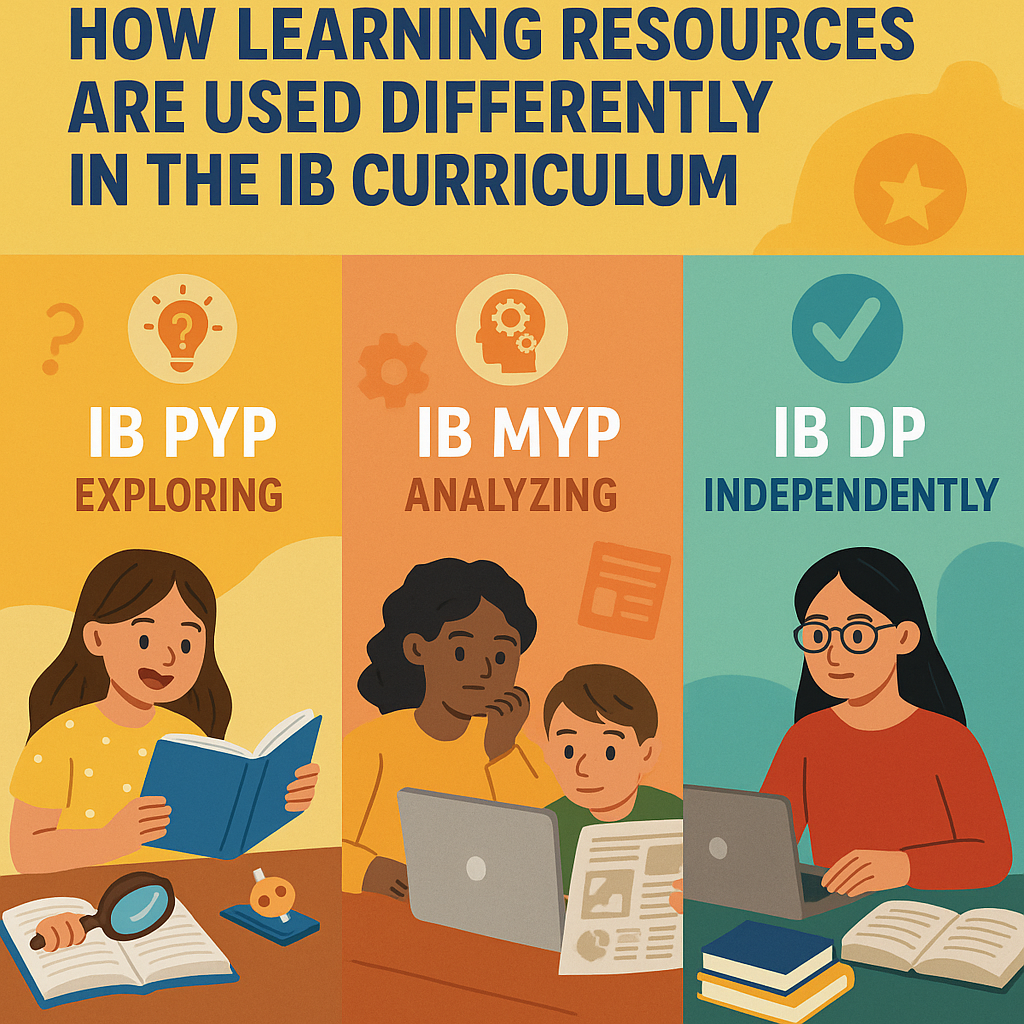
Discover how learning resources are used differently in the IB curriculum and how IB PYP, MYP, and DP students...
Learn how the IB curriculum helps students develop strong research and writing skills across IB PYP, MYP, and DP,...
Discover why reflection is a core skill in the IB education system and how it supports independent thinking,...
Learn how parents can support IB students across IB PYP, MYP, and DP without micromanaging, while building...
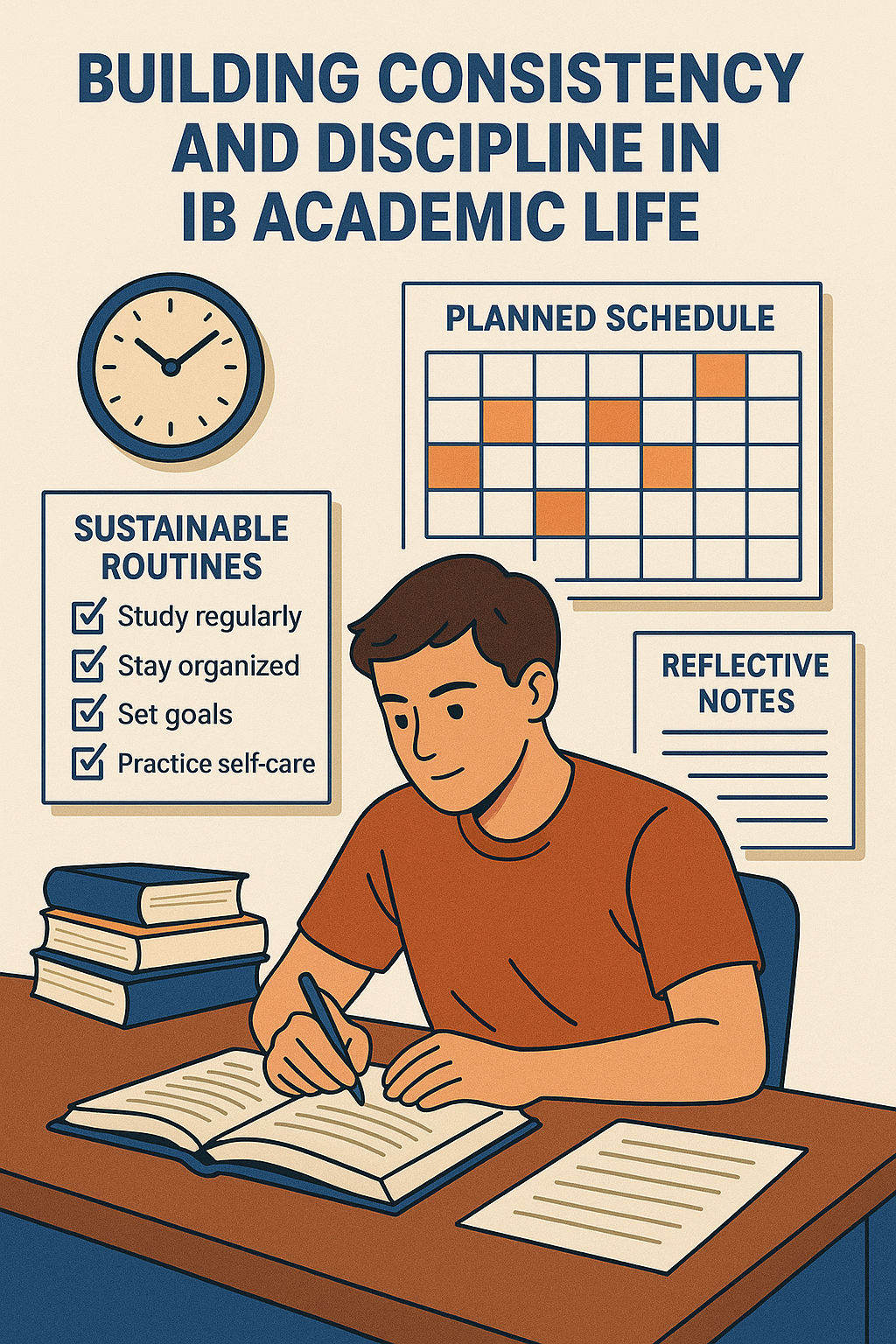
Learn how IB students can build consistency and discipline through sustainable routines, reflective habits, and...
Discover how the IB curriculum teaches students effective time management and academic planning skills that support...
Learn how IB students can avoid burnout while managing coursework by building balanced routines, aligning study...
Discover study habits that align with the IB curriculum and help students succeed through inquiry-based learning,...
Learn how the IB curriculum builds strong research and reading habits through inquiry-based learning, reflection,...
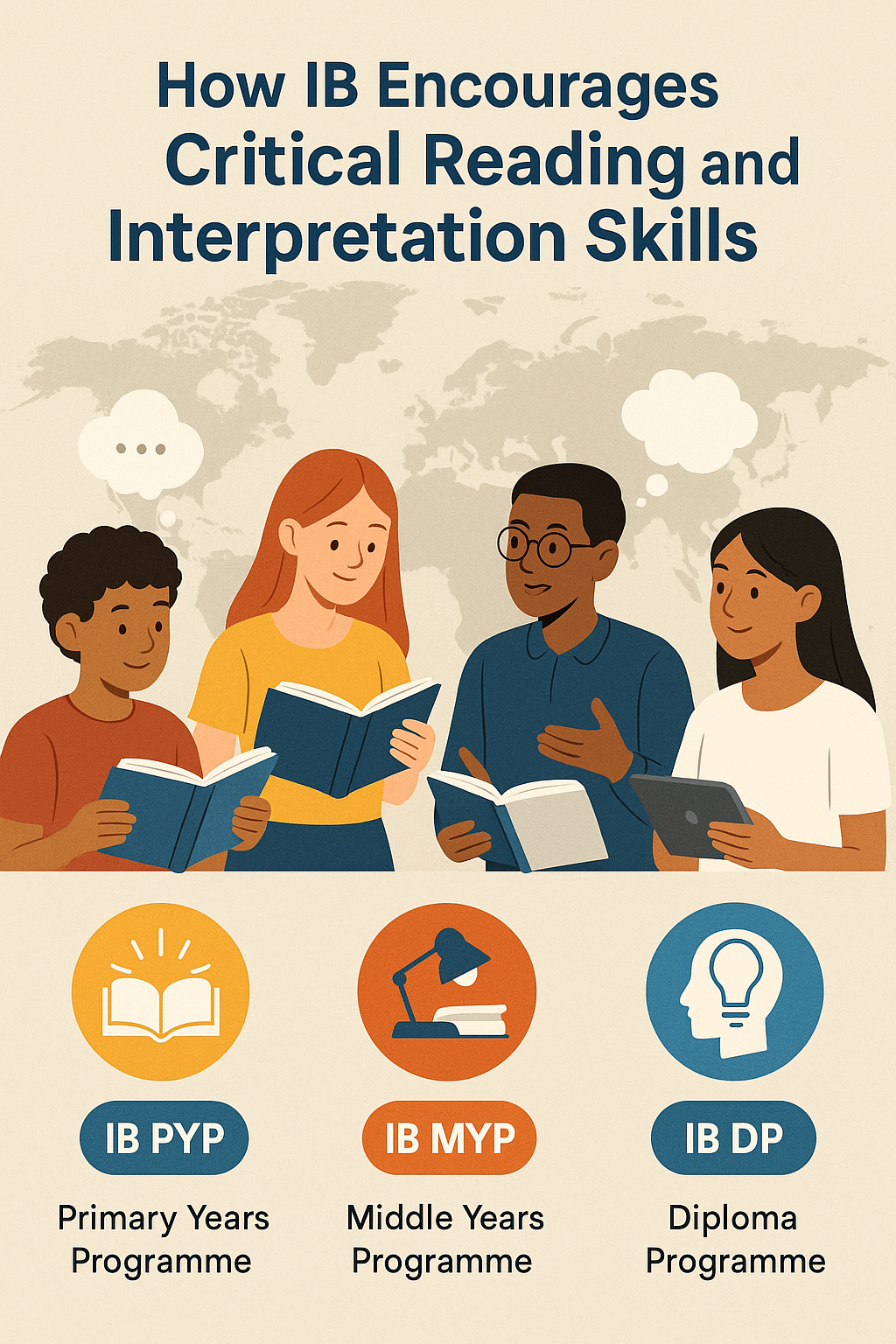
Discover how the IB syllabus builds strong critical reading and interpretation skills through inquiry-based...
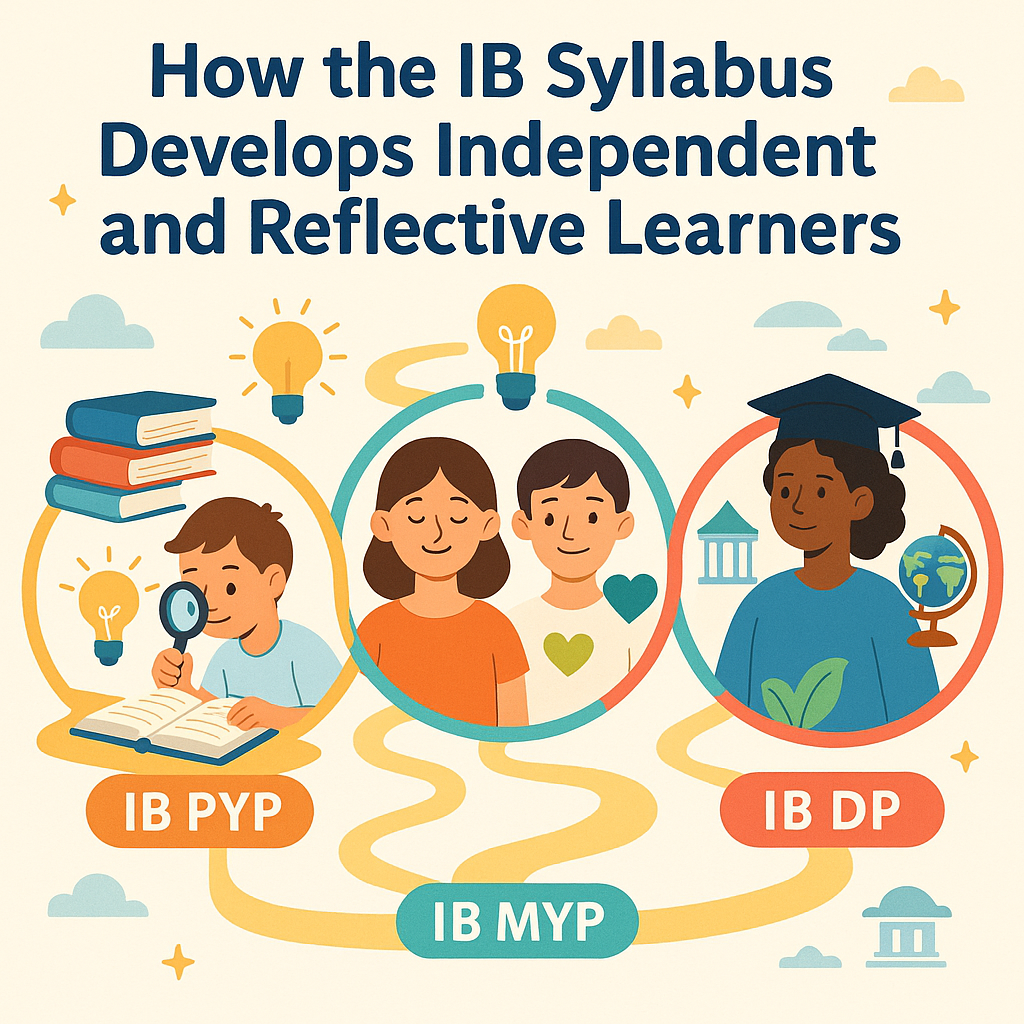
Discover how the IB syllabus builds independent and reflective learners through inquiry-based learning, emotional...
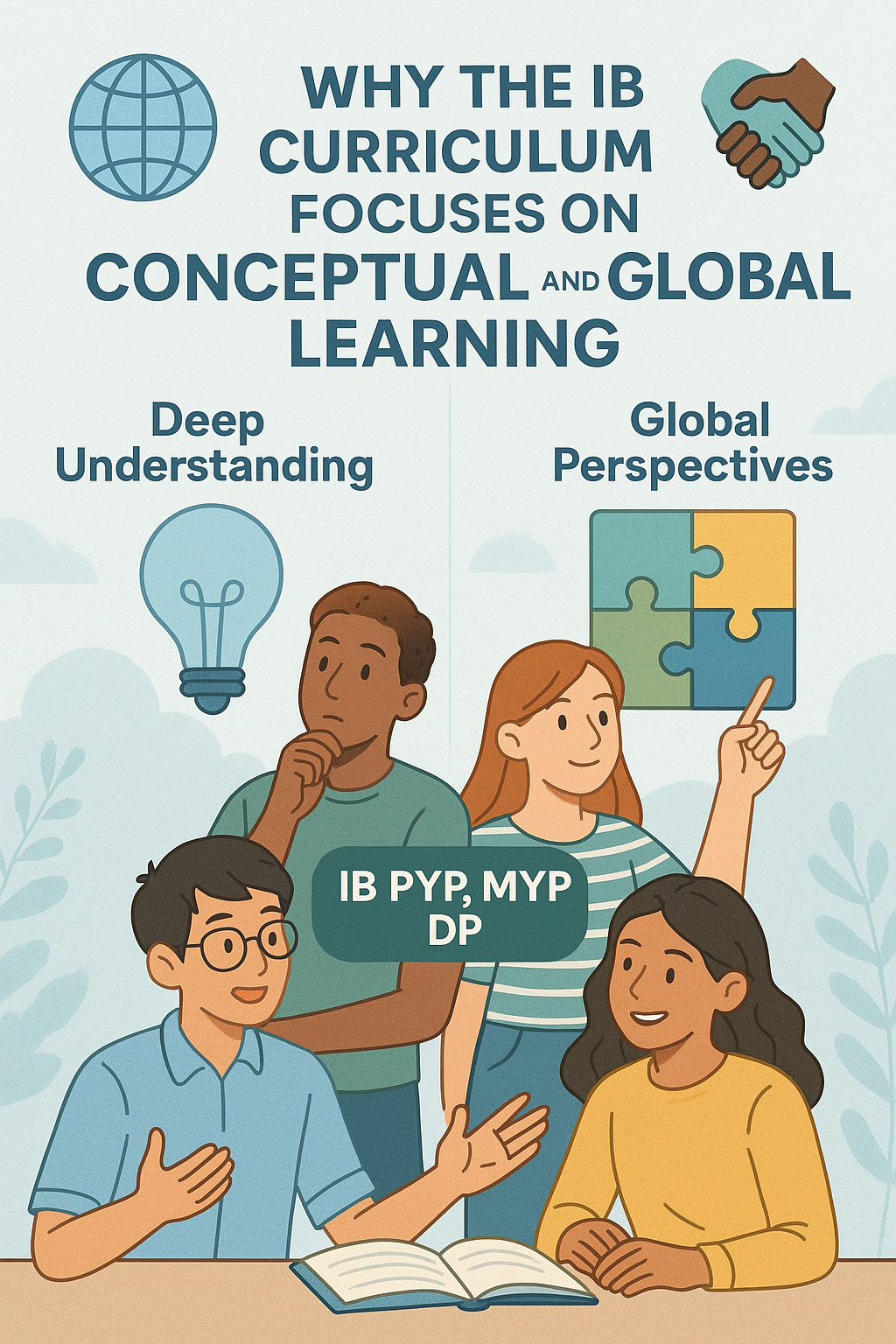
Learn why the IB curriculum focuses on conceptual and global learning, how IB PYP, MYP, and DP develop deep...
Understand the educational philosophy behind the IB board, including IB PYP, MYP, and DP, and learn how IB learning...
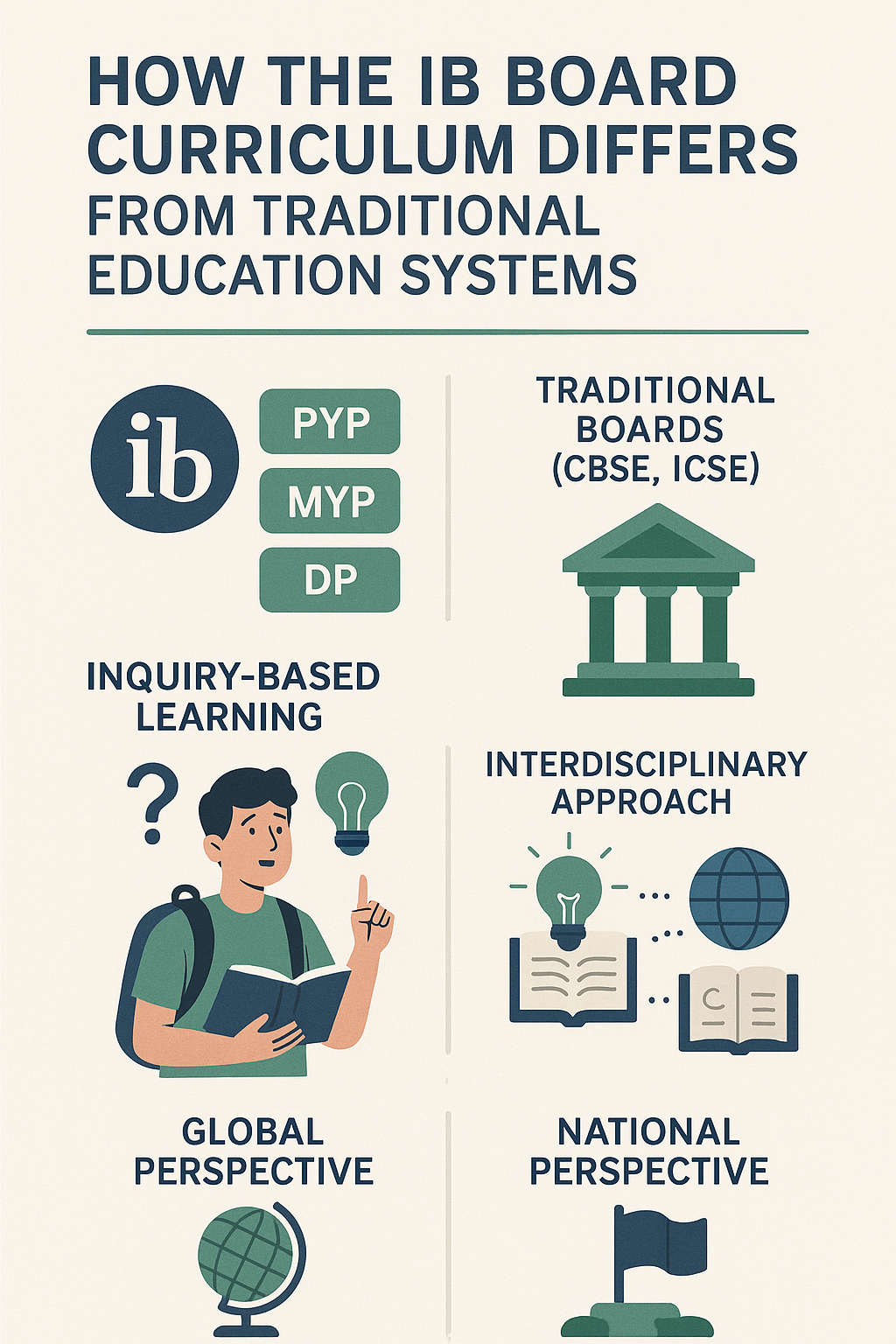
Explore how the IB board curriculum differs from traditional education systems like CBSE and ICSE, and understand IB...
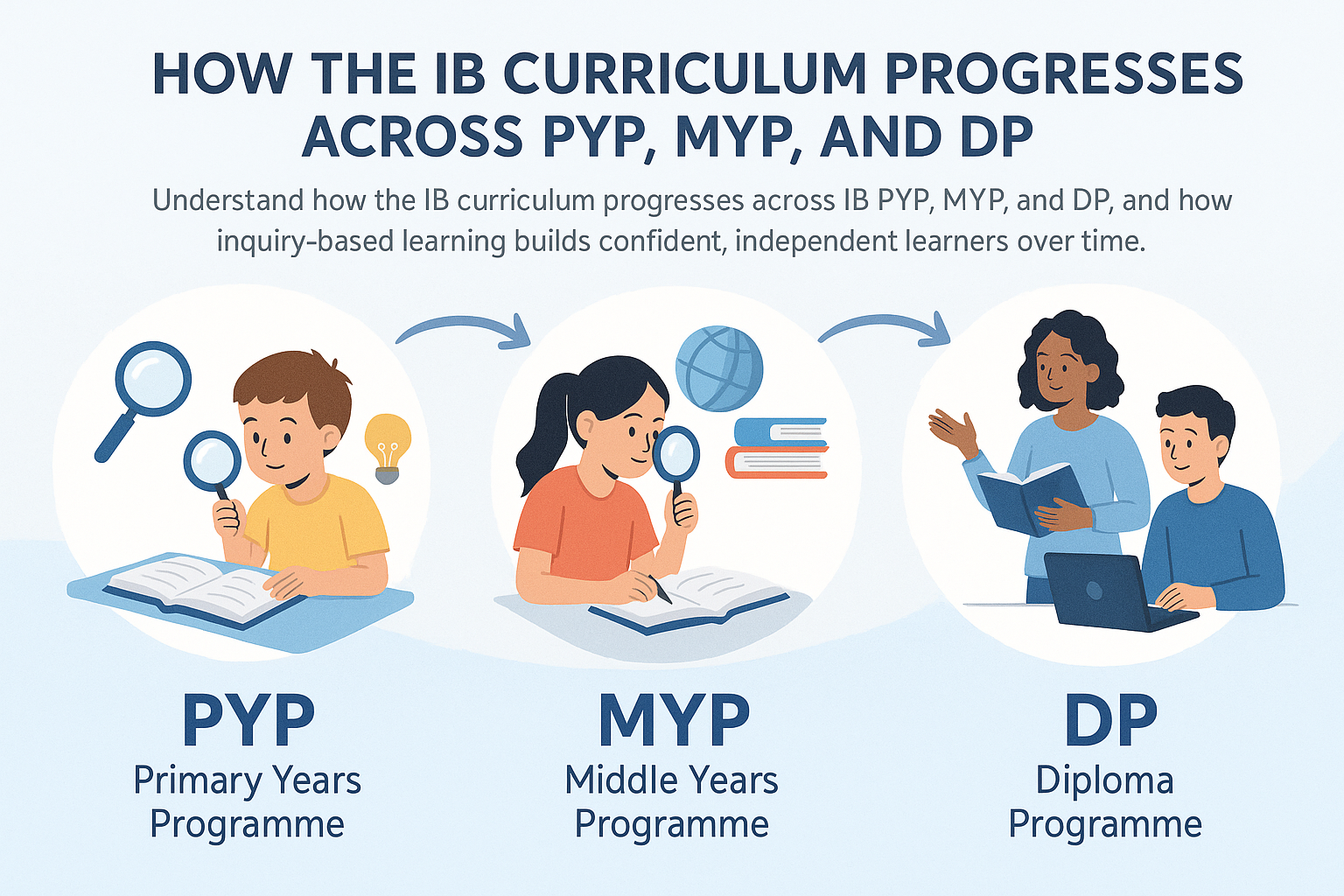
Understand how the IB curriculum progresses across IB PYP, MYP, and DP, and how inquiry-based learning builds...
A parent friendly guide to understanding the IB curriculum, IB PYP, MYP, and DP, and how inquiry based learning...
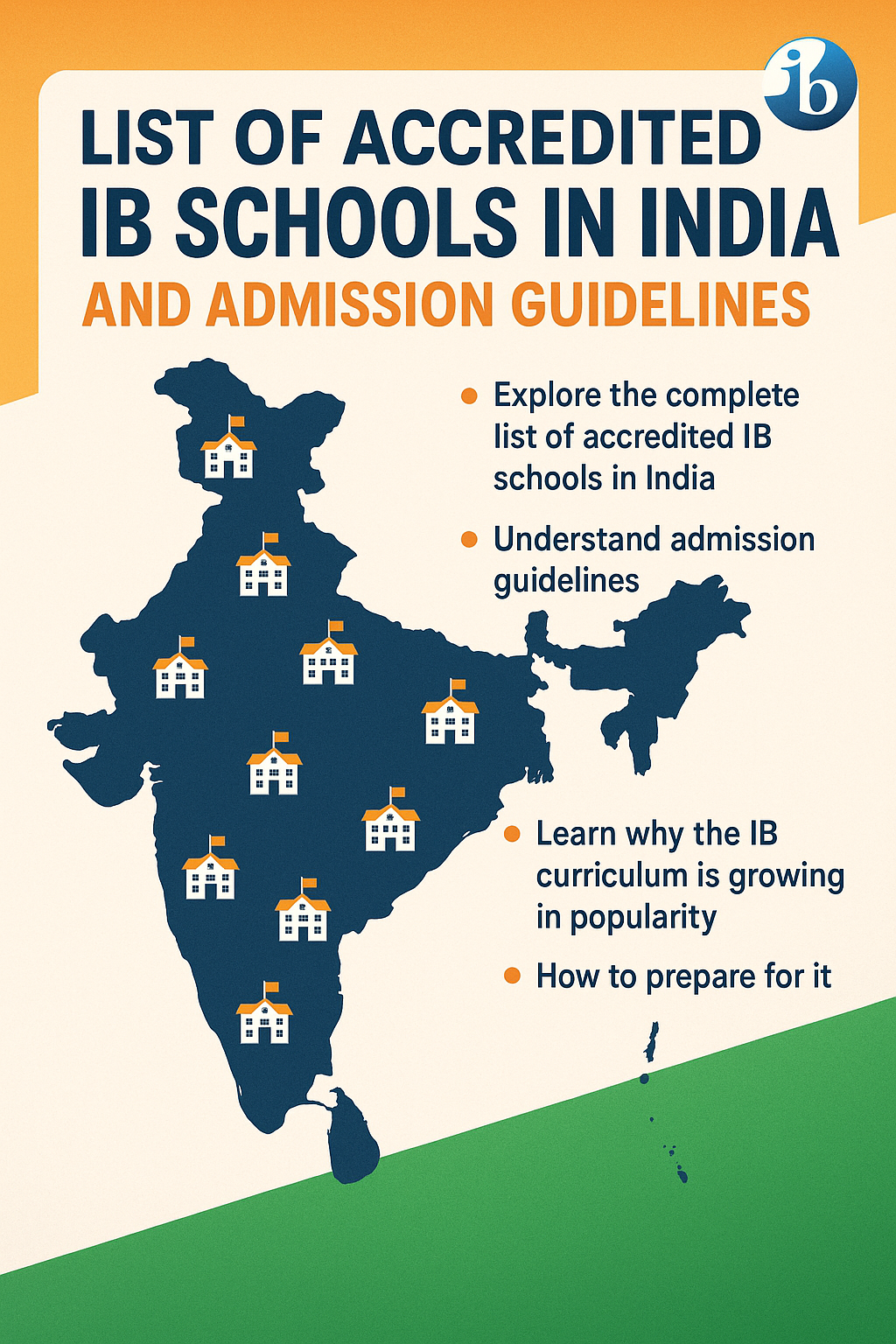
Explore the complete list of accredited IB schools in India and understand admission guidelines. Learn why the IB...

A complete guide for parents in Kolkata to understand the IB curriculum. Learn about PYP, MYP, IBDP stages,...

Discover the IB Diploma Programme curriculum, subject groups, core requirements, and benefits of IB. Learn how...

Thinking of joining the IB Programme? Learn about its rewards, challenges, and how AllRounder.ai can help you...

Discover the IB PYP curriculum framework, key learning areas, transdisciplinary themes, and how it nurtures lifelong...

Explore the IB syllabus structure, subject groups, and core components like TOK, CAS, and EE. A complete guide to IB...

Discover how the IB curriculum prepares students for Ivy League and top global universities. Explore skills,...

Explore how to choose IB subjects wisely. Learn about IB subject groups, HL vs SL, and combinations aligned with...

Understand the 10 IB Learner Profile attributes and why they matter in shaping global, future-ready students.

A detailed comparison of IB, CBSE, and ICSE boards. Learn about curriculum, teaching methods, and which board best...

Discover the IB Board – its global recognition, programs, and unique education philosophy.
Resources
-

Your complete JEE Advanced resource for eligibility, exam dates, syllabus, marks vs rank, and...
-

Understand the entire JEE Main process, from application and eligibility rules to the exam...
-

Explore the IB Board – a global curriculum emphasizing holistic, student-centered learning...
-

Learn about CBSE – India’s national school board offering a standardized curriculum, NCERT...
-

Explore everything about the ICSE board – its curriculum, subjects, exam format, and academic...