Professional Courses
Industry-relevant training in Business, Technology, and Design
Categories
Interactive Games
Fun games to boost memory, math, typing, and English skills
Typing
Memory
Math
English Adventures
Knowledge

Study Habits That Align With the IB Curriculum

Study Habits That Align With the IB Curriculum
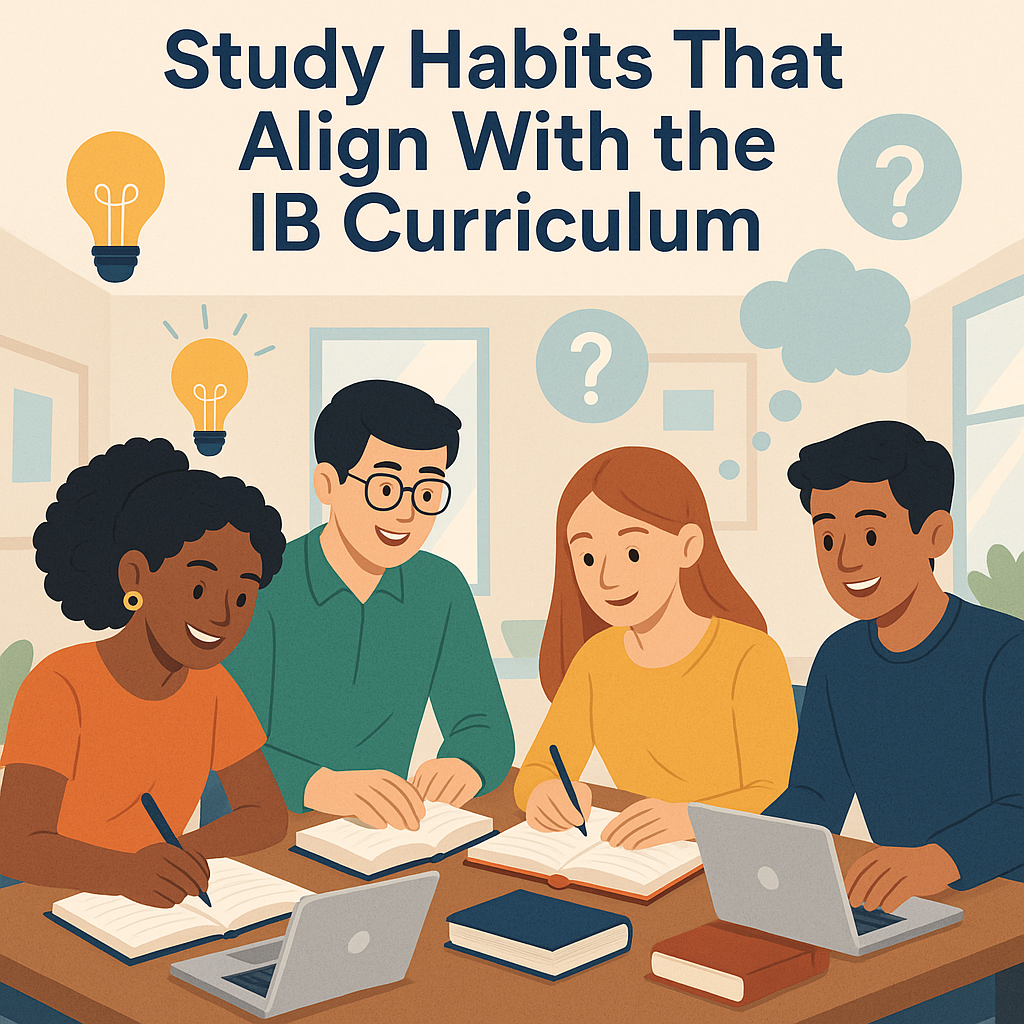
The IB curriculum is designed very differently from traditional education systems. It does not reward rote memorisation or last-minute studying. Instead, it values inquiry, reflection, conceptual understanding, and independent thinking. For students to succeed in the IB, their study habits must align with these principles. Using methods that work in more exam-focused systems often leads to frustration and burnout in the IB environment.
Developing the right study habits helps IB students feel confident, organised, and emotionally balanced. From the IB PYP through the IB MYP and into the IB DP, learning becomes more self-directed and concept-driven. This article explores study habits that truly align with the IB syllabus and explains how students and parents can support this learning journey effectively.
Understanding How the IB Curriculum Approaches Learning
The IB curriculum focuses on how students think, not just what they remember. Learning is inquiry-based, meaning students are encouraged to ask questions, explore multiple perspectives, and connect ideas across subjects. Assessment often values explanation, reflection, and application rather than direct recall.
Students who understand this philosophy early adapt more easily to IB expectations. A clear overview of what the IB demands from learners is outlined in the IB programme guide for students, demands and rewards. When study habits reflect this mindset, learning becomes more meaningful and less stressful.
Why Rote Learning Does Not Work in the IB
Many students transitioning to the IB struggle initially because they rely on memorisation. In the IB, memorised answers without understanding rarely score well. Questions often require interpretation, justification, and critical thinking.
Effective IB study habits focus on understanding concepts deeply and explaining ideas clearly in one’s own words. This approach prepares students to handle unfamiliar questions confidently. The difference between IB learning and traditional systems is explored in IB schools in India vs traditional institutions, highlighting why study habits must shift accordingly.
Building Inquiry Based Study Habits
Inquiry is central to the IB syllabus. Students are expected to explore topics by asking why and how, not just what. Study habits should include reading beyond textbooks, researching different viewpoints, and forming personal interpretations.
Instead of passively revising notes, IB students benefit from writing questions, discussing ideas aloud, and connecting topics to real-world contexts. Digital platforms like AllRounder.ai support inquiry-based learning by offering structured content that encourages exploration without overwhelming students.
Study Habits That Support Conceptual Understanding
Conceptual understanding means seeing the bigger picture and recognising connections between ideas. IB students should focus on understanding key concepts that run across subjects rather than isolated facts.
Effective habits include summarising concepts in one’s own words, creating mind maps, and explaining ideas to others. These techniques help students internalise learning rather than memorise temporarily. Conceptual clarity becomes especially important as students progress into higher grades and more abstract topics.
Developing Strong Reading and Research Routines
Reading and research are essential components of IB learning. Students are expected to engage with a wide range of texts, analyse sources critically, and support arguments with evidence.
Good study habits include regular reading, note-making that captures ideas rather than copying text, and evaluating the reliability of sources. These habits prepare students for tasks like the Extended Essay and Theory of Knowledge in the IB DP. Parents can better understand these expectations through the IBDP curriculum subjects benefits guide.
Reflection as a Daily Study Practice
Reflection is not optional in the IB. Students are encouraged to reflect on what they learned, how they learned it, and how they can improve. Making reflection a daily habit helps students become self-aware learners.
Simple practices like reviewing mistakes, noting areas of confusion, and setting small goals for improvement strengthen learning over time. Reflection transforms study sessions into opportunities for growth rather than judgment.
Age Appropriate Study Habits Across IB Stages
Study habits evolve as students move through the IB programmes. In the IB PYP, habits focus on curiosity, discussion, and exploration. Learning is interactive and experience-based.
The IB MYP introduces more structure, encouraging organisation, time management, and analytical thinking. Students learn to plan tasks, meet deadlines, and evaluate their work.
In the IB DP, study habits must support independence, sustained focus, and long-term planning. Understanding these stages helps parents and students set realistic expectations. A detailed explanation of early learning foundations can be found in the IB PYP curriculum primary years programme guide.
Transitioning to IB Requires Habit Changes
Students moving from CBSE or ICSE often need time to adjust study habits. The shift from structured textbooks to open-ended tasks can feel challenging at first.
Successful transition involves reducing dependence on memorisation and increasing engagement with concepts and questions. Families can explore this shift in detail through transitioning to IB from CBSE or ICSE. With patience and the right habits, students adapt quickly.
Organised Study Planning Over Long Term Cramming
IB assessments often involve projects, internal assessments, and extended tasks. Long-term planning is essential. Effective IB study habits include breaking large tasks into smaller steps and setting realistic timelines.
Students who plan ahead experience less stress and produce higher-quality work. Consistency matters more than intensity in the IB. Regular study sessions help students stay engaged and confident.
Using Practice and Feedback Strategically
Practice in the IB is about applying understanding, not repeating identical questions. Students benefit from practising explanation-based and application-focused questions.
Using tools like practice tests allows students to assess understanding and refine responses based on feedback. Reflection after practice is just as important as the practice itself.
Board Aligned Support Enhances Study Efficiency
While the IB has a global framework, local support helps students understand expectations clearly. Board-aligned resources reduce confusion and help students focus on learning rather than interpretation.
Students studying alongside other boards can also benefit from structured learning through CBSE courses and ICSE courses, especially when strengthening foundational skills.
Grade Wise Study Habits for IB Students
As students progress, study habits must mature. Younger IB learners benefit from guided routines and encouragement. Older students need autonomy and accountability.
Students can access targeted academic support through Grade 8 courses, Grade 9 courses, Grade 10 courses, Grade 11 courses, and Grade 12 courses. Grade-appropriate pacing supports sustainable learning habits.
Making Learning Engaging Through Interactive Tools
Engagement is essential for sustaining IB study habits. Interactive learning helps students stay motivated and curious.
Educational resources such as learning games can reinforce concepts in enjoyable ways. When learning feels engaging, students are more likely to explore ideas deeply rather than avoid challenging topics.
Supporting Parents in the IB Journey
Parents play a vital role in shaping study habits. Understanding the IB philosophy helps parents offer support without micromanaging. Encouraging reflection, discussion, and curiosity at home strengthens learning.
A helpful overview for families is available in the IB curriculum guide for parents in Kolkata. When parents understand expectations, they can guide more effectively.
Preparing for University Through IB Study Habits
IB study habits prepare students well for higher education. Skills such as research, time management, and independent thinking align closely with university expectations.
The connection between IB learning and higher education readiness is explained in the IB curriculum university preparation guide. Students who build strong habits early transition more smoothly into academic and professional life.
How AllRounder.ai Supports IB Aligned Study Habits
IB students benefit from learning platforms that respect inquiry, reflection, and flexibility. Platforms like AllRounder.ai support IB-aligned study habits by offering structured explanations, interactive practice, and progress tracking.
By combining guidance with independence, such platforms help students stay organised and confident while preserving the spirit of IB learning.
Study Habits Are Skills That Can Be Learned
Strong IB study habits are not innate. They develop through practice, reflection, and support. Students who struggle initially can improve significantly by adjusting how they study.
Consistency, curiosity, and patience are more important than speed. When students focus on building habits rather than chasing marks, IB learning becomes more rewarding.
Conclusion: Aligning Study Habits With the IB Mindset
The IB curriculum rewards students who think deeply, question actively, and reflect honestly. Study habits that align with this mindset help students thrive academically and emotionally.
By focusing on inquiry, conceptual understanding, reflection, and long-term planning, IB students can navigate the curriculum with confidence. With supportive resources and thoughtful guidance, IB learning becomes not just manageable, but deeply enriching.
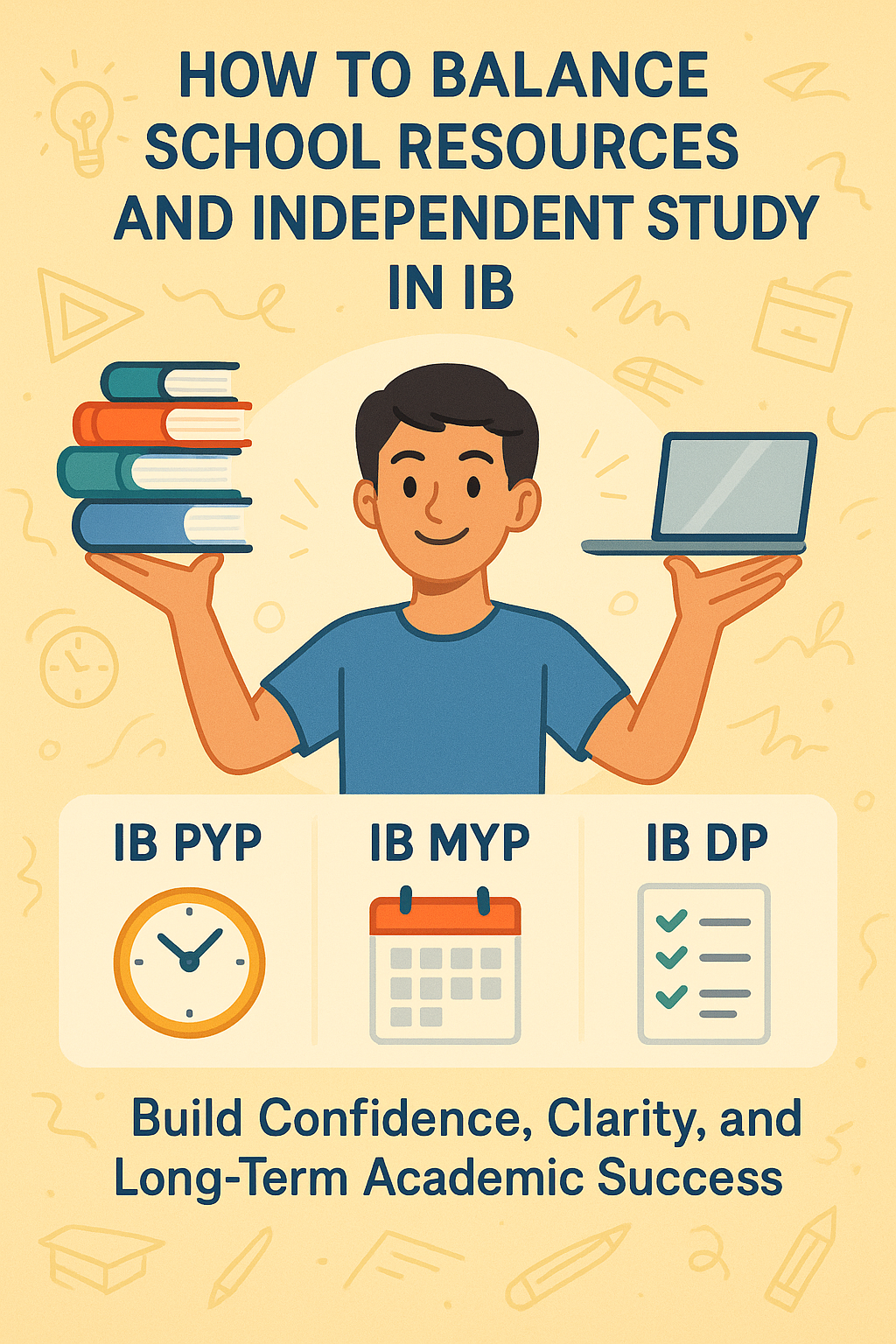
Learn how IB students can balance school resources and independent study across IB PYP, MYP, and DP to build...
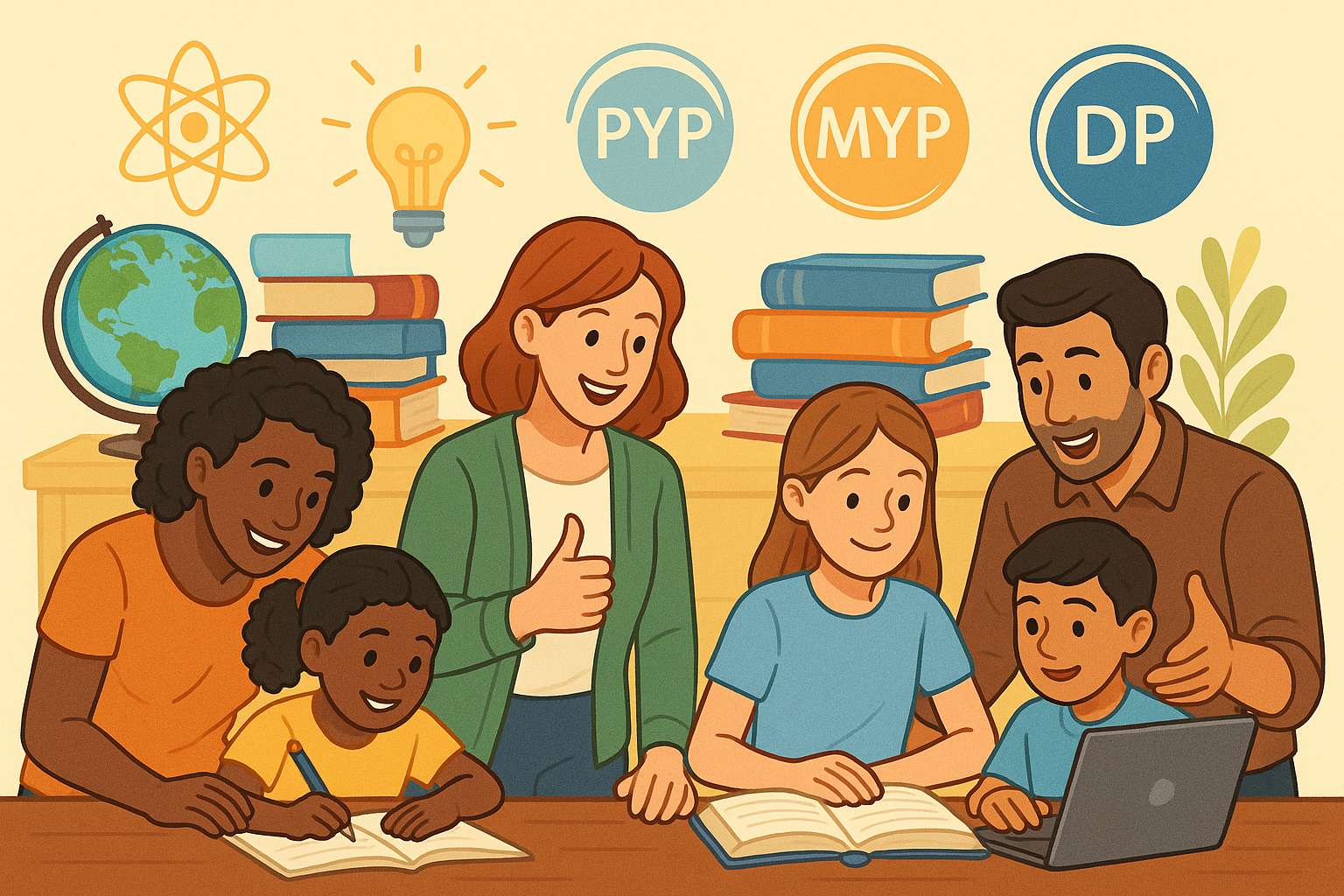
Learn how parents can identify quality academic support for IB learners that aligns with IB PYP, MYP, and DP values...
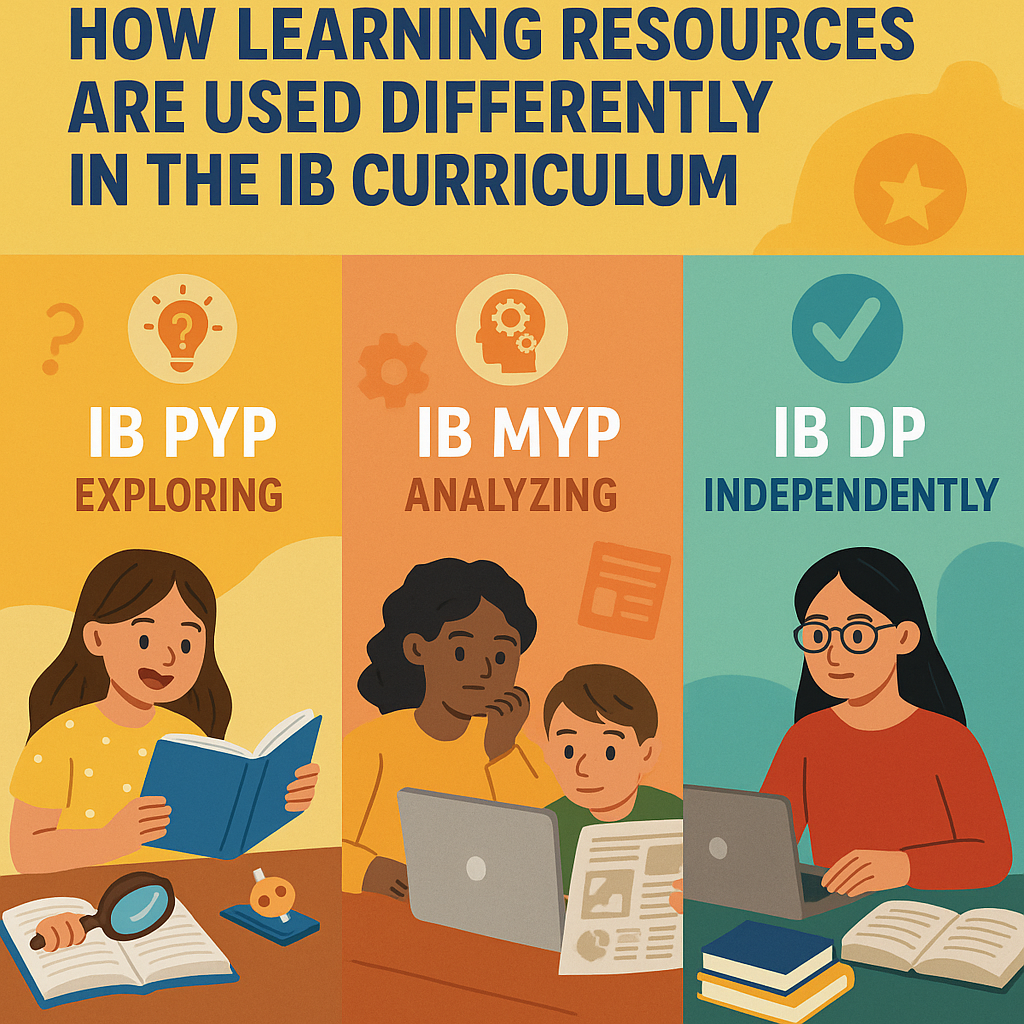
Discover how learning resources are used differently in the IB curriculum and how IB PYP, MYP, and DP students...
Learn how the IB curriculum helps students develop strong research and writing skills across IB PYP, MYP, and DP,...
Discover why reflection is a core skill in the IB education system and how it supports independent thinking,...
Learn how parents can support IB students across IB PYP, MYP, and DP without micromanaging, while building...
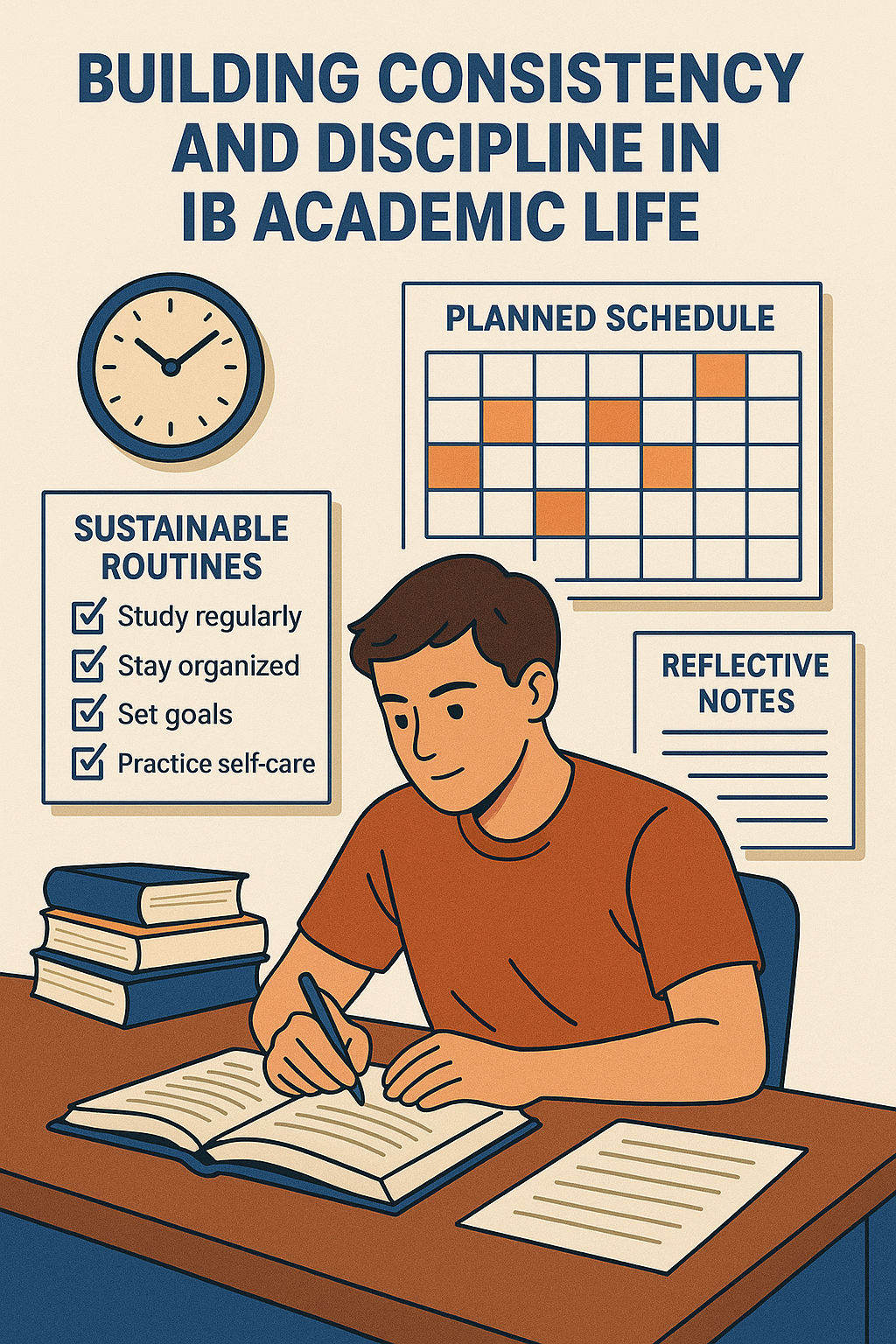
Learn how IB students can build consistency and discipline through sustainable routines, reflective habits, and...
Discover how the IB curriculum teaches students effective time management and academic planning skills that support...
Learn how IB students can avoid burnout while managing coursework by building balanced routines, aligning study...
Discover study habits that align with the IB curriculum and help students succeed through inquiry-based learning,...
Learn how the IB curriculum builds strong research and reading habits through inquiry-based learning, reflection,...
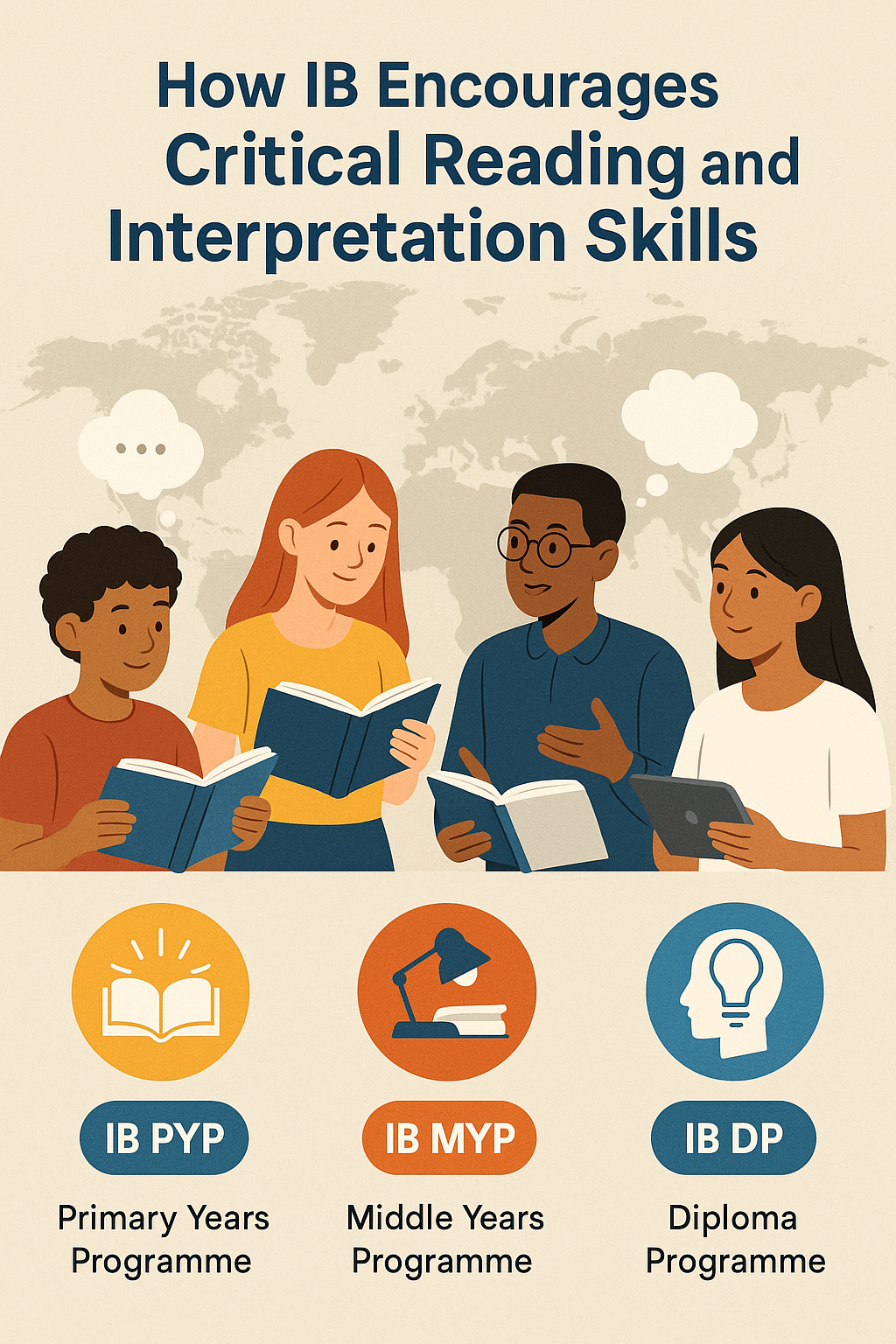
Discover how the IB syllabus builds strong critical reading and interpretation skills through inquiry-based...
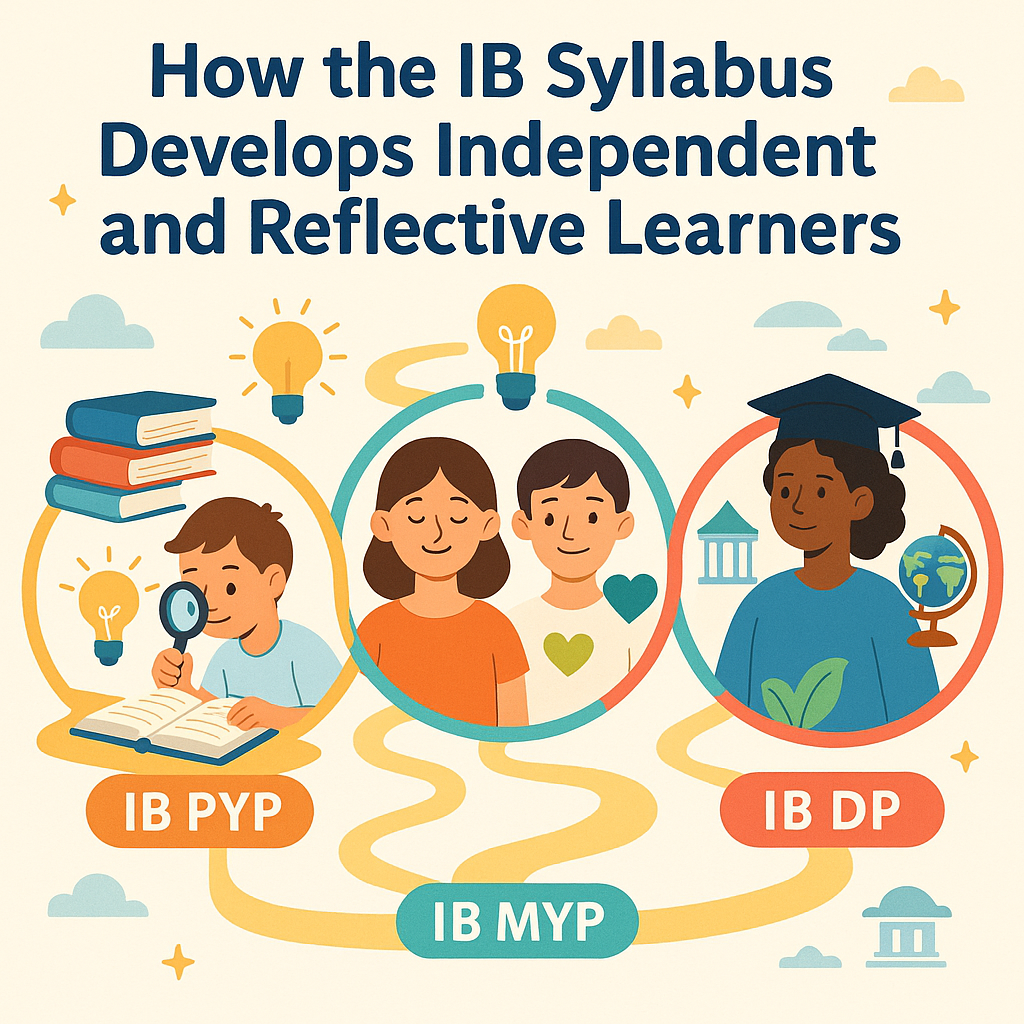
Discover how the IB syllabus builds independent and reflective learners through inquiry-based learning, emotional...
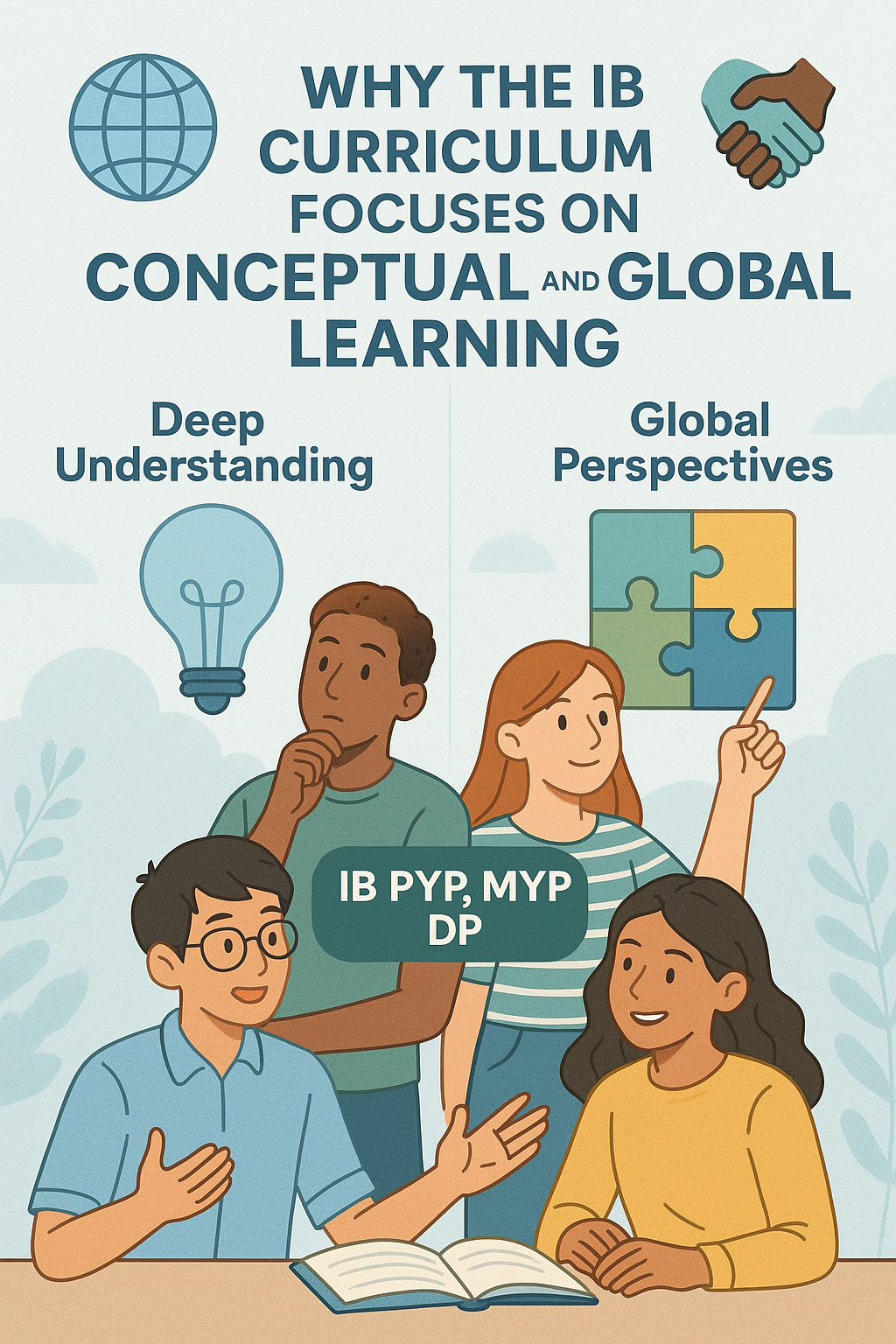
Learn why the IB curriculum focuses on conceptual and global learning, how IB PYP, MYP, and DP develop deep...
Understand the educational philosophy behind the IB board, including IB PYP, MYP, and DP, and learn how IB learning...
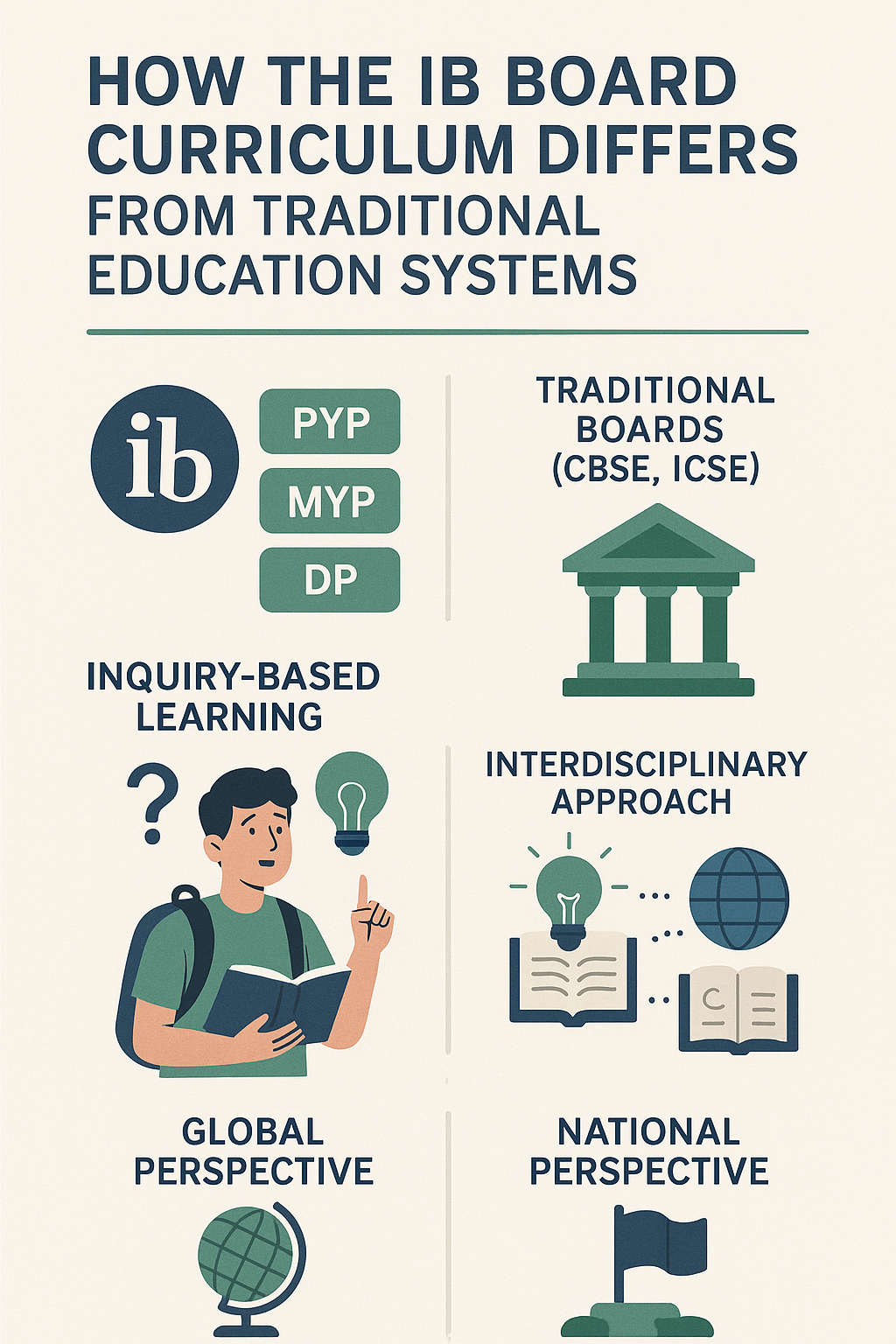
Explore how the IB board curriculum differs from traditional education systems like CBSE and ICSE, and understand IB...
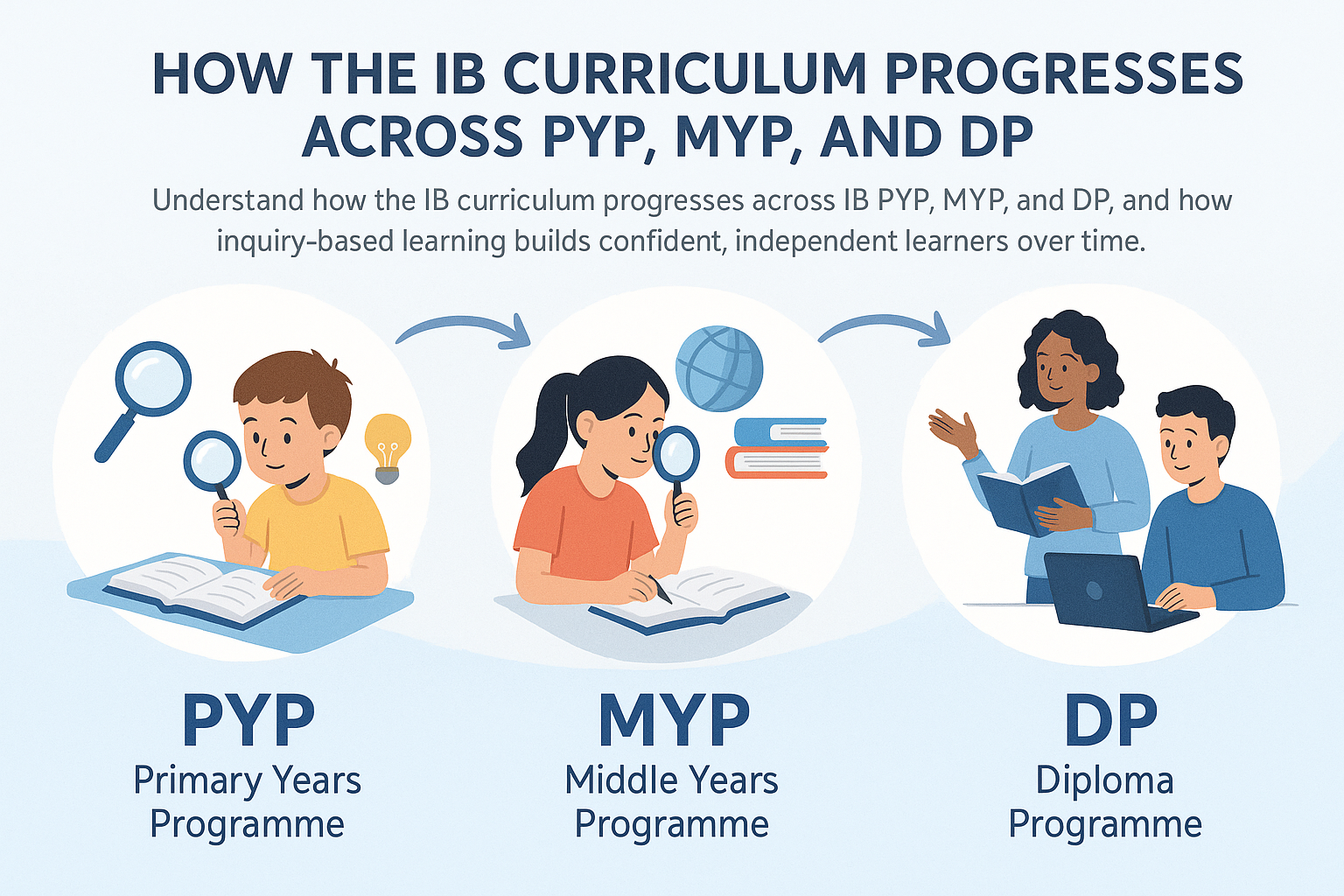
Understand how the IB curriculum progresses across IB PYP, MYP, and DP, and how inquiry-based learning builds...
A parent friendly guide to understanding the IB curriculum, IB PYP, MYP, and DP, and how inquiry based learning...
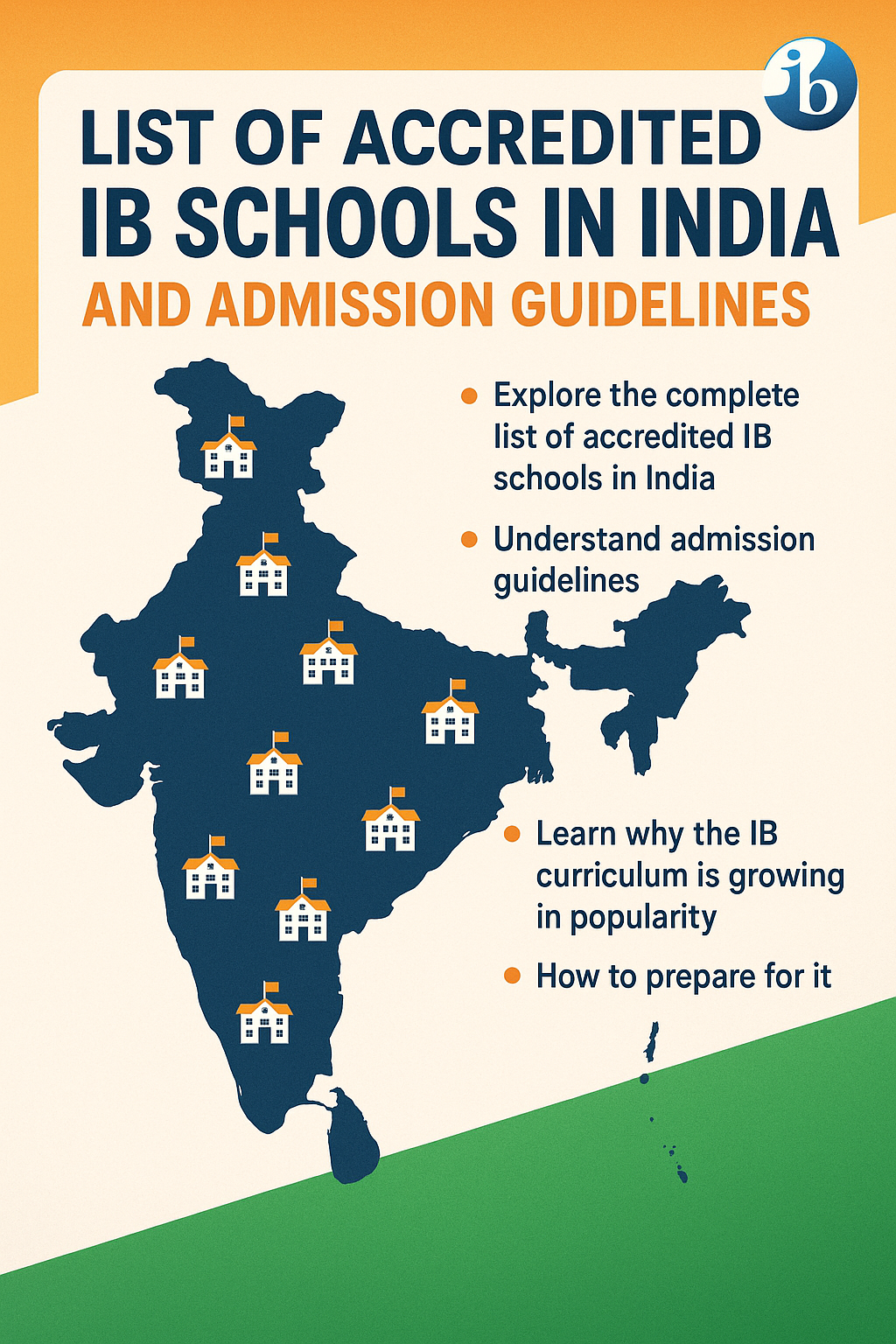
Explore the complete list of accredited IB schools in India and understand admission guidelines. Learn why the IB...

A complete guide for parents in Kolkata to understand the IB curriculum. Learn about PYP, MYP, IBDP stages,...

Discover the IB Diploma Programme curriculum, subject groups, core requirements, and benefits of IB. Learn how...

Thinking of joining the IB Programme? Learn about its rewards, challenges, and how AllRounder.ai can help you...

Discover the IB PYP curriculum framework, key learning areas, transdisciplinary themes, and how it nurtures lifelong...

Explore the IB syllabus structure, subject groups, and core components like TOK, CAS, and EE. A complete guide to IB...

Discover how the IB curriculum prepares students for Ivy League and top global universities. Explore skills,...

Explore how to choose IB subjects wisely. Learn about IB subject groups, HL vs SL, and combinations aligned with...

Understand the 10 IB Learner Profile attributes and why they matter in shaping global, future-ready students.

A detailed comparison of IB, CBSE, and ICSE boards. Learn about curriculum, teaching methods, and which board best...

Discover the IB Board – its global recognition, programs, and unique education philosophy.
Resources
-

Your complete JEE Advanced resource for eligibility, exam dates, syllabus, marks vs rank, and...
-
Understand the entire JEE Main process, from application and eligibility rules to the exam...
-

Explore the IB Board – a global curriculum emphasizing holistic, student-centered learning...
-

Learn about CBSE – India’s national school board offering a standardized curriculum, NCERT...
-

Explore everything about the ICSE board – its curriculum, subjects, exam format, and academic...