Professional Courses
Industry-relevant training in Business, Technology, and Design
Categories
Interactive Games
Fun games to boost memory, math, typing, and English skills
Typing
Memory
Math
English Adventures
Knowledge

Building Strong Research and Reading Habits in IB Students

Building Strong Research and Reading Habits in IB Students
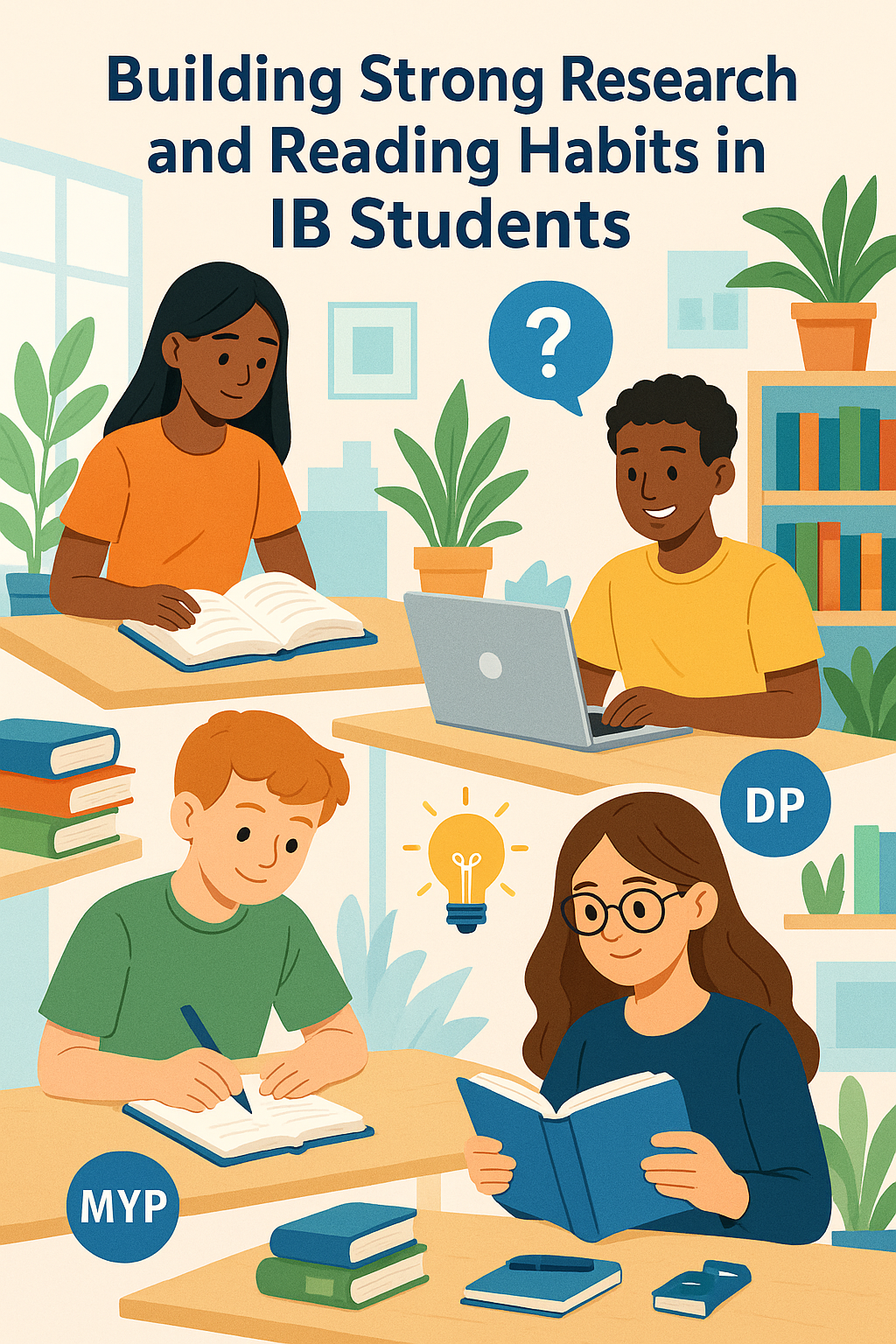
The IB curriculum is designed for a world where information is everywhere, but deep understanding is rare. IB students are expected not only to read extensively, but to read critically, research independently, and form well-reasoned interpretations. These expectations can feel demanding at first, especially for students transitioning from more traditional learning systems. However, when strong research and reading habits are developed early, IB learning becomes far more manageable, meaningful, and rewarding.
Research and reading in the IB are not isolated academic skills. They shape how students think, question, analyse, and communicate across all subjects. From the IB PYP to the IB MYP and IB DP, learners are guided to explore ideas independently and engage deeply with texts, data, and perspectives. This article explains how strong research and reading habits develop within the IB syllabus and how students, parents, and educators can support this process effectively.
Why Research and Reading Matter So Much in the IB
Unlike rote-based systems, the IB curriculum places thinking at the centre of learning. Students are expected to explore concepts, investigate questions, and justify their understanding with evidence. Reading and research are the foundation of this approach.
Strong reading habits help students interpret questions correctly, understand complex instructions, and analyse source material. Research habits teach students how to locate reliable information, compare viewpoints, and build arguments logically. These skills are essential not only for assessments, but for the overall IB learning experience. A clear overview of these expectations is outlined in the IB programme guide for students, demands and rewards.
How the IB Curriculum Encourages Independent Inquiry
Inquiry is at the heart of the IB syllabus. Students are encouraged to ask questions rather than simply accept answers. This inquiry-based approach naturally strengthens both reading and research habits.
Instead of relying on a single textbook, IB students explore multiple sources, perspectives, and interpretations. They learn how to evaluate credibility, identify bias, and synthesise information. Learning platforms such as AllRounder.ai support this process by providing structured content that encourages exploration while maintaining academic clarity.
Developing Early Reading Curiosity in IB PYP
The IB PYP introduces research and reading in age-appropriate and engaging ways. Young learners explore stories, visuals, informational texts, and discussions that encourage curiosity rather than memorisation. Teachers prompt students to ask questions about what they read and express their understanding in their own words.
This early emphasis on inquiry builds confidence and comfort with reading. Students learn that reading is not about finding one correct answer, but about understanding ideas and sharing perspectives. Parents can gain deeper insight into this foundation through the IB PYP curriculum primary years programme guide.
Strengthening Research Skills in the IB MYP
As students move into the IB MYP, reading and research become more structured and analytical. Students are introduced to subject-specific texts, case studies, and global issues. They learn to extract relevant information, connect ideas across disciplines, and support interpretations with evidence.
Research projects in the IB MYP encourage planning, organisation, and reflection. Students learn how to manage sources, present findings, and evaluate their own work. These habits prepare them for more advanced academic demands while building confidence in independent learning.
Advanced Reading and Research in the IB DP
The IB DP places significant responsibility on students to manage their own research and reading. Components such as the Extended Essay and Theory of Knowledge require deep engagement with academic texts and independent investigation.
Students must learn how to frame research questions, evaluate sources critically, and construct well-supported arguments. These experiences mirror university-level expectations. A detailed understanding of subject demands and benefits at this stage can be found in the IBDP curriculum subjects benefits guide.
Reading Across Subjects in the IB Syllabus
One of the strengths of the IB curriculum is that reading and research skills are applied across all subjects. Science students read research papers and interpret data. Humanities students analyse historical sources and ethical arguments. Even mathematics requires careful reading and interpretation of problem statements.
This cross-disciplinary application strengthens comprehension and critical thinking. Students learn that reading deeply is essential regardless of subject. A subject-wise overview of how these skills are embedded can be explored in the IB syllabus key learning areas breakdown.
Supporting Students Transitioning to the IB
Students transitioning from traditional boards often find IB reading and research expectations challenging initially. The shift from memorisation to interpretation and inquiry requires adjustment.
Understanding this transition helps reduce anxiety and frustration. Helpful insights for families and students making this shift are shared in transitioning to IB from CBSE or ICSE. With the right guidance, students adapt quickly and begin to enjoy the independence IB offers.
Comparing IB Reading Culture With Traditional Systems
In traditional systems, reading often focuses on reproducing information accurately. In contrast, IB students are encouraged to question texts, explore multiple interpretations, and form independent conclusions.
This difference can feel unfamiliar at first but becomes a major strength over time. The contrast between these approaches is explored in IB schools in India vs traditional institutions. IB students gradually become confident readers who engage actively with content rather than passively consuming it.
Reflection as a Key Research Habit
Reflection is a core element of IB learning. Students regularly reflect on what they read, how they researched, and how their understanding has evolved. This habit strengthens metacognition, helping students recognise gaps and refine strategies.
Reflective reading and research encourage deeper comprehension and self-awareness. Students learn to evaluate not just the information they gather, but also how they approach learning itself.
Using the Right Learning Tools to Support IB Research
While the IB encourages independence, structured support plays an important role. Digital platforms like IB courses provide guided explanations, curated resources, and practice opportunities that help students develop strong habits without feeling overwhelmed.
Students studying under other boards can also strengthen reading and research skills through CBSE courses and ICSE courses. Strong foundational skills benefit all learners, regardless of curriculum.
Grade-Wise Development of Reading and Research Skills
Research and reading habits develop progressively across grades. Younger students focus on comprehension and curiosity, while older students refine analysis and evaluation.
Students can access structured academic support through Grade 8 courses, Grade 9 courses, Grade 10 courses, Grade 11 courses, and Grade 12 courses. This progression ensures skills develop at a comfortable pace.
Practising Research and Interpretation Through Assessment
Assessment in the IB often requires interpretation rather than recall. Students must justify answers, analyse sources, and present arguments clearly.
Using tools like practice tests allows students to practise these skills regularly. Feedback helps them refine reading strategies and research techniques in a low-pressure environment.
Making Reading Engaging Through Interactive Learning
Engagement plays a crucial role in habit formation. Interactive learning encourages students to participate actively in discussions, debates, and problem-solving.
Educational resources such as learning games can support comprehension and reasoning in enjoyable ways. When learning feels engaging, students are more likely to read thoughtfully and explore topics independently.
Helping Parents Support Research and Reading at Home
Parents play an important role in shaping learning habits. Understanding IB expectations helps parents encourage discussion, curiosity, and reflection rather than focusing only on answers.
A helpful overview for families is provided in the IB curriculum guide for parents in Kolkata. When parents support inquiry at home, students gain confidence in their reading and research abilities.
Preparing IB Students for University-Level Learning
Universities value IB students for their strong research and reading skills. The ability to analyse texts, evaluate sources, and construct arguments prepares students for academic success beyond school.
The connection between IB learning and higher education readiness is explained in the IB curriculum university preparation guide. These skills remain relevant throughout academic and professional life.
Building Lifelong Learning Habits Through the IB
Strong research and reading habits developed during IB years extend far beyond exams. Students become independent thinkers who can navigate complex information, adapt to new challenges, and continue learning throughout life.
The IB syllabus creates learners who are curious, reflective, and confident in their ability to understand the world around them.
Conclusion: Why IB Students Become Strong Readers and Researchers
The IB curriculum systematically builds strong research and reading habits through inquiry, reflection, and cross-disciplinary learning. From the IB PYP to the IB DP, students are encouraged to explore ideas deeply, question sources, and develop independent interpretations.
With the right support from educators, parents, and structured learning platforms like AllRounder.ai, IB students grow into confident readers and skilled researchers. These habits not only support academic success but also prepare students for thoughtful engagement with the world beyond school.
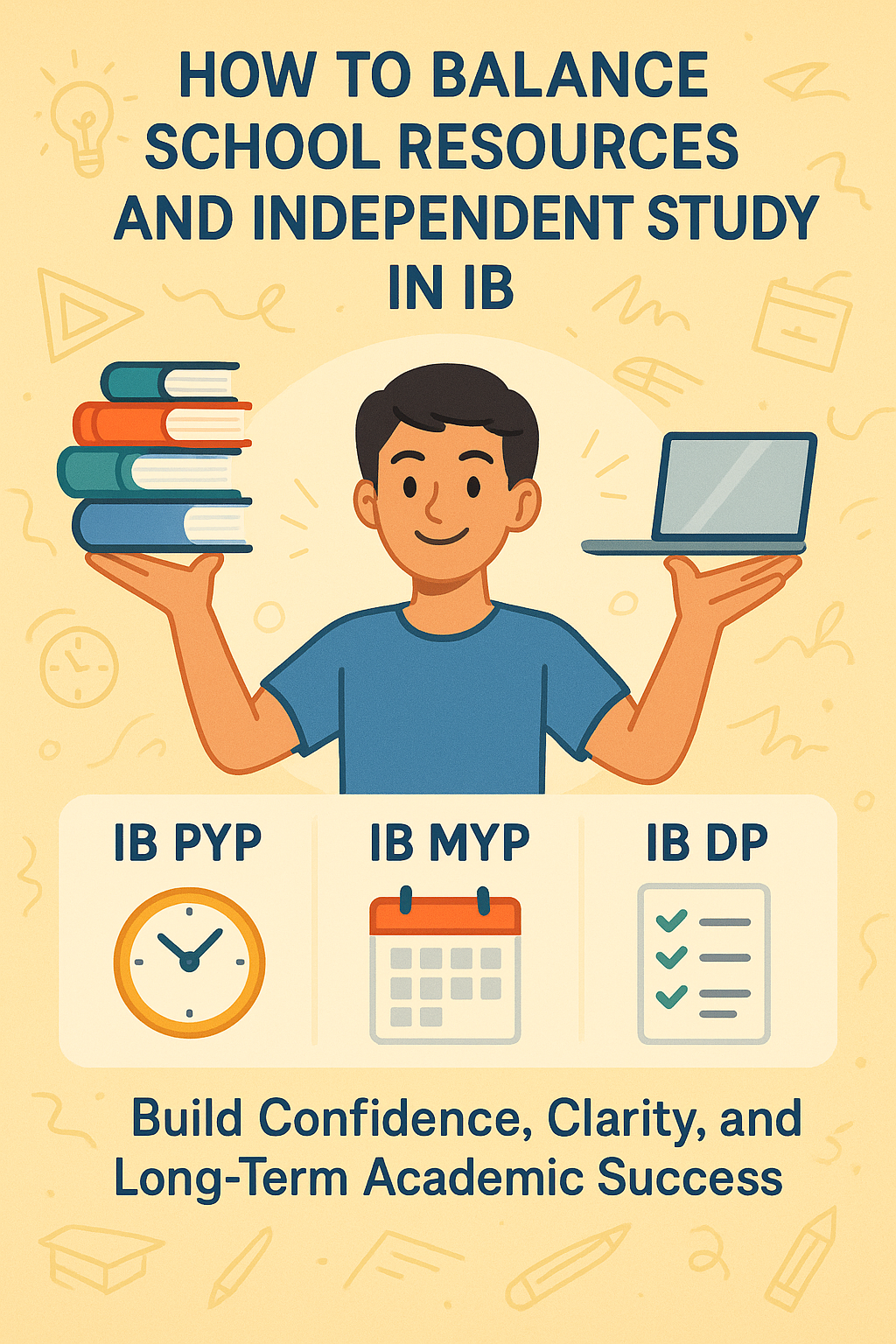
Learn how IB students can balance school resources and independent study across IB PYP, MYP, and DP to build...
Learn how parents can identify quality academic support for IB learners that aligns with IB PYP, MYP, and DP values...
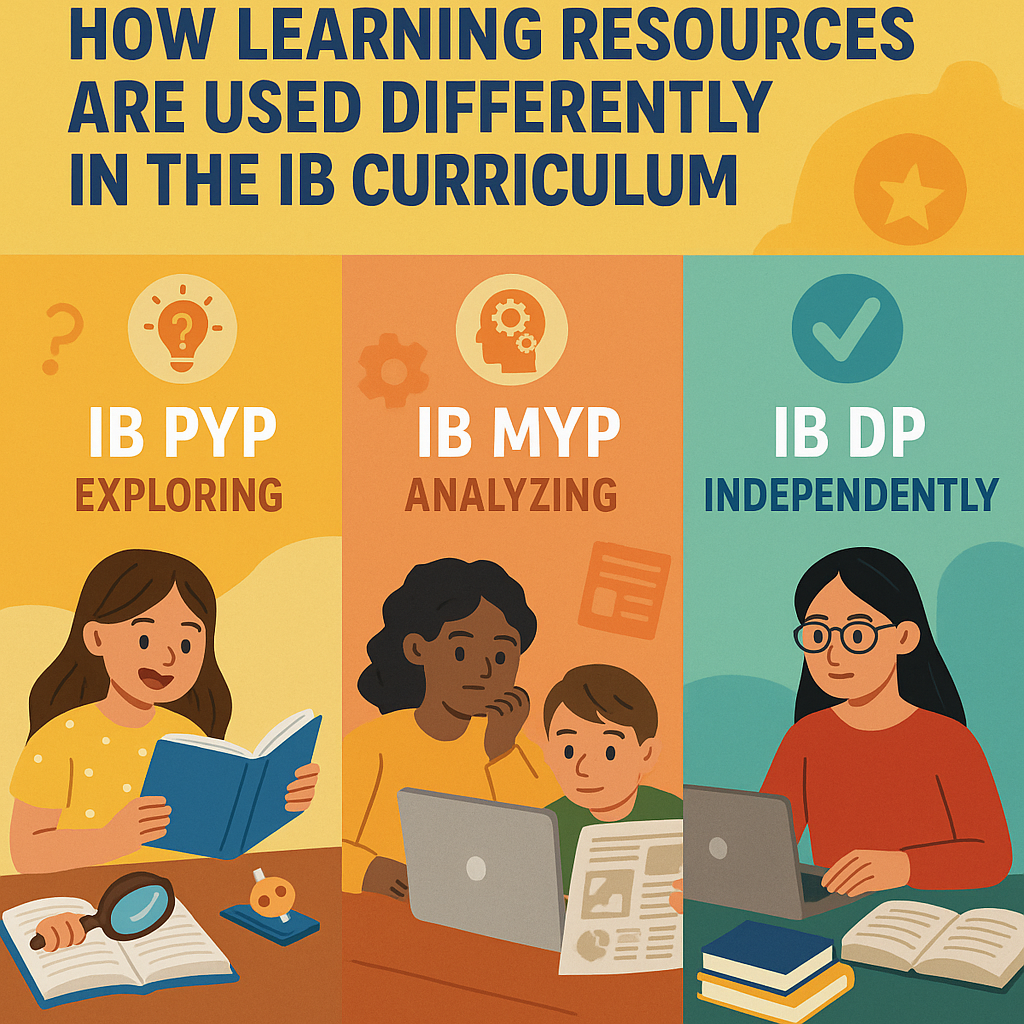
Discover how learning resources are used differently in the IB curriculum and how IB PYP, MYP, and DP students...
Learn how the IB curriculum helps students develop strong research and writing skills across IB PYP, MYP, and DP,...
Discover why reflection is a core skill in the IB education system and how it supports independent thinking,...
Learn how parents can support IB students across IB PYP, MYP, and DP without micromanaging, while building...
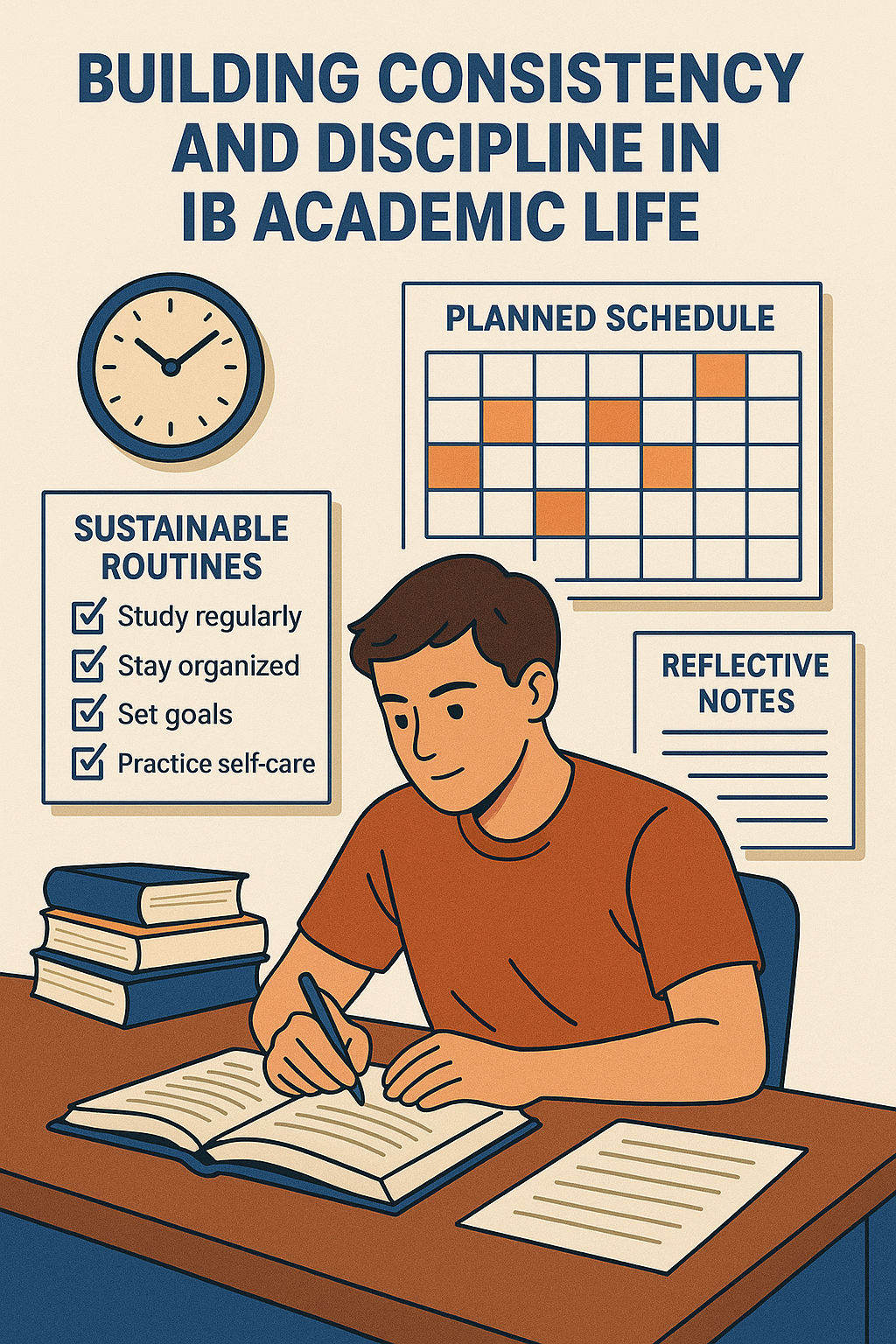
Learn how IB students can build consistency and discipline through sustainable routines, reflective habits, and...
Discover how the IB curriculum teaches students effective time management and academic planning skills that support...
Learn how IB students can avoid burnout while managing coursework by building balanced routines, aligning study...
Discover study habits that align with the IB curriculum and help students succeed through inquiry-based learning,...
Learn how the IB curriculum builds strong research and reading habits through inquiry-based learning, reflection,...
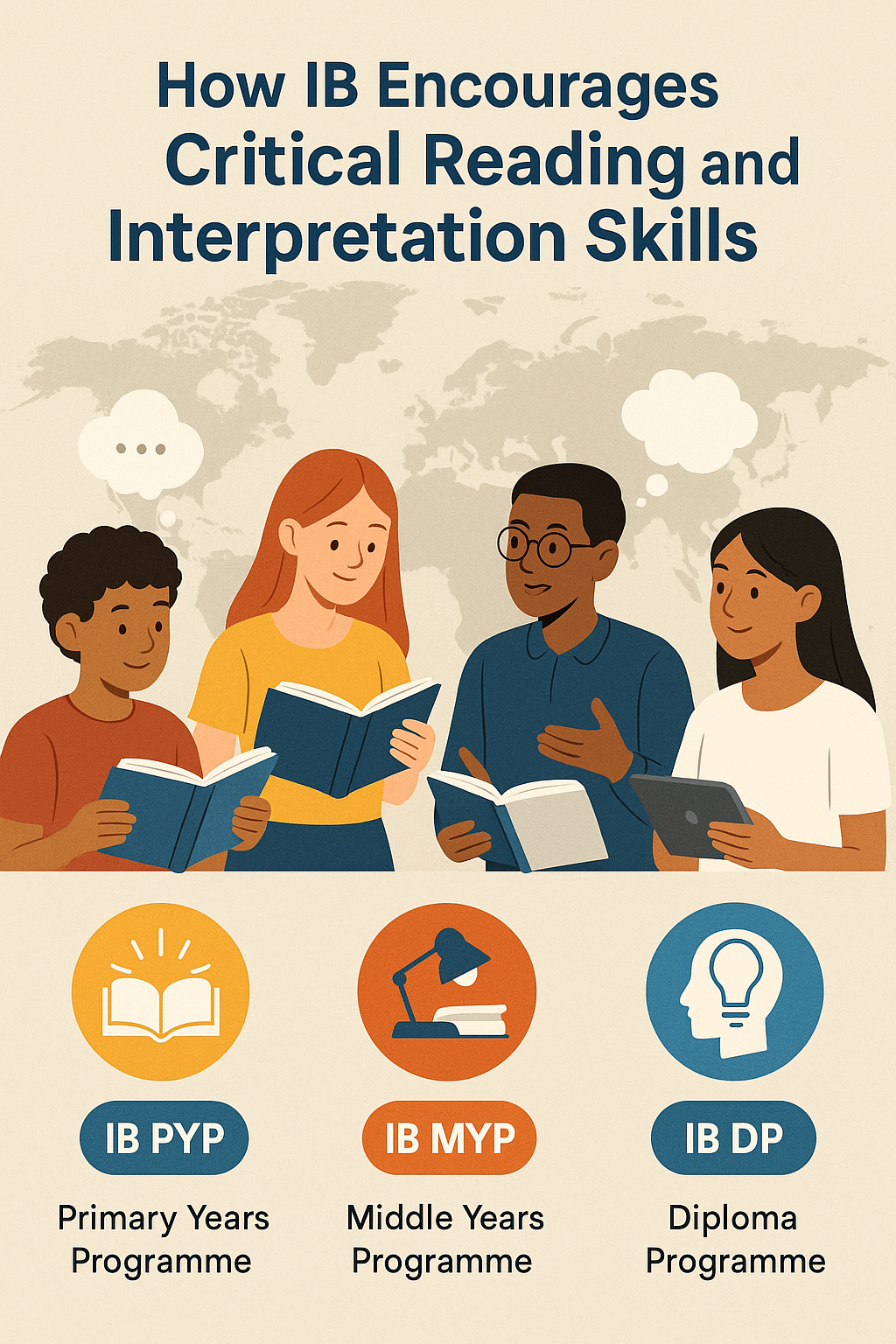
Discover how the IB syllabus builds strong critical reading and interpretation skills through inquiry-based...
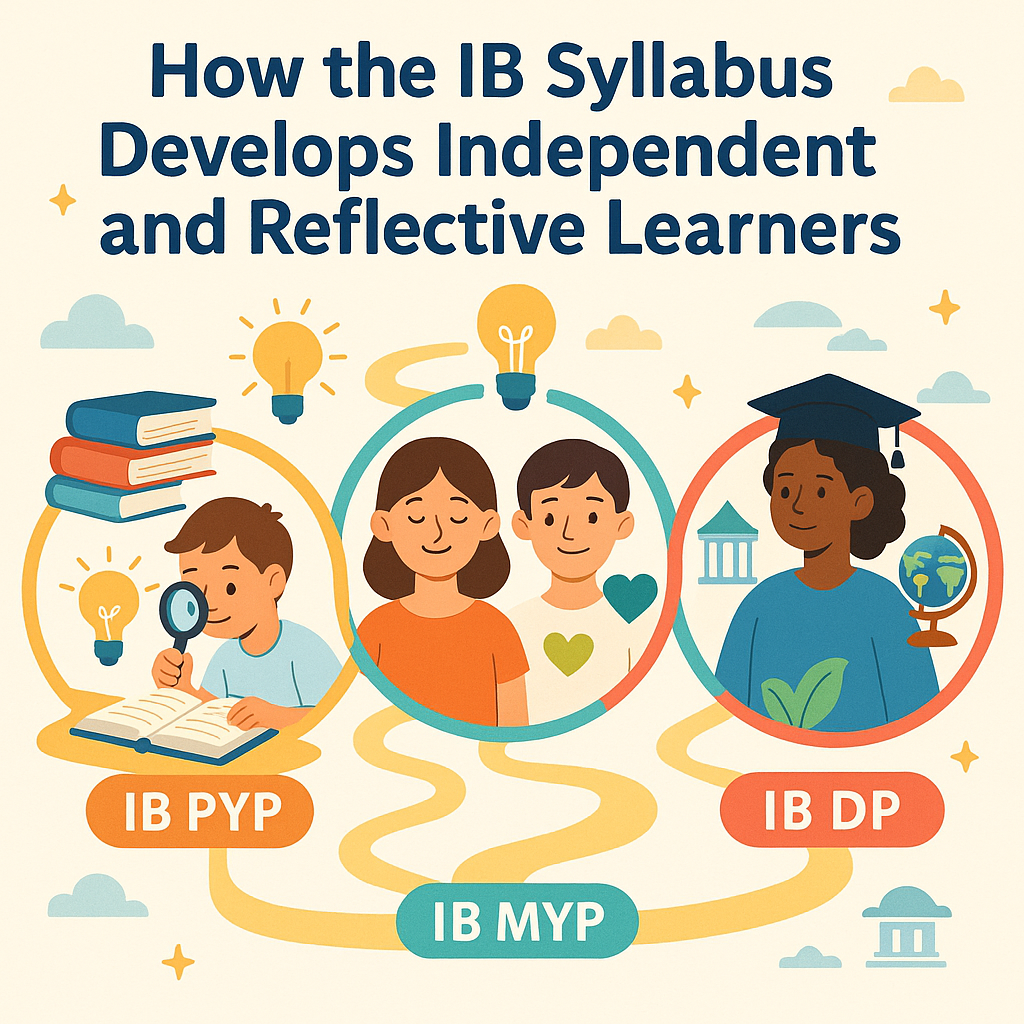
Discover how the IB syllabus builds independent and reflective learners through inquiry-based learning, emotional...
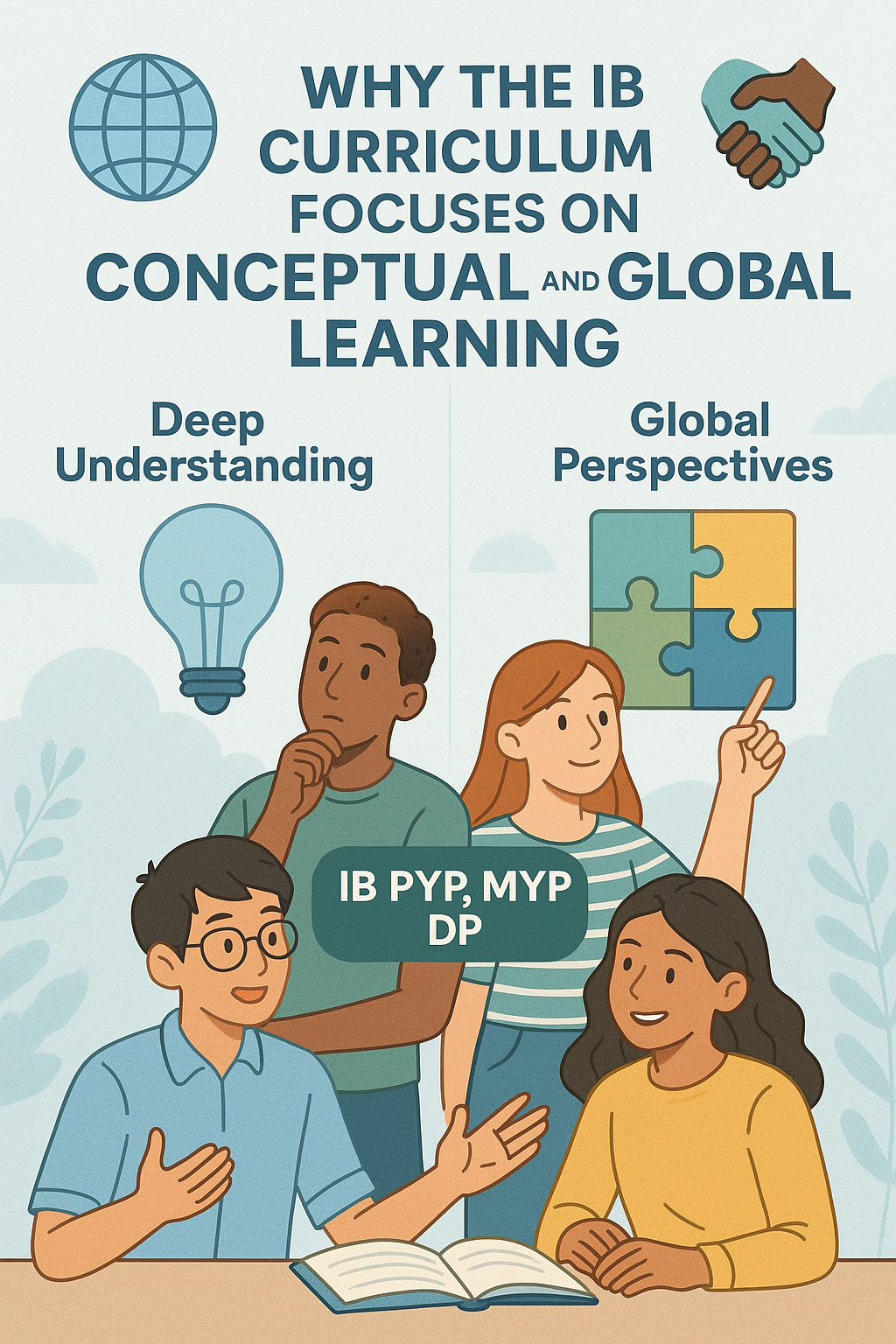
Learn why the IB curriculum focuses on conceptual and global learning, how IB PYP, MYP, and DP develop deep...
Understand the educational philosophy behind the IB board, including IB PYP, MYP, and DP, and learn how IB learning...
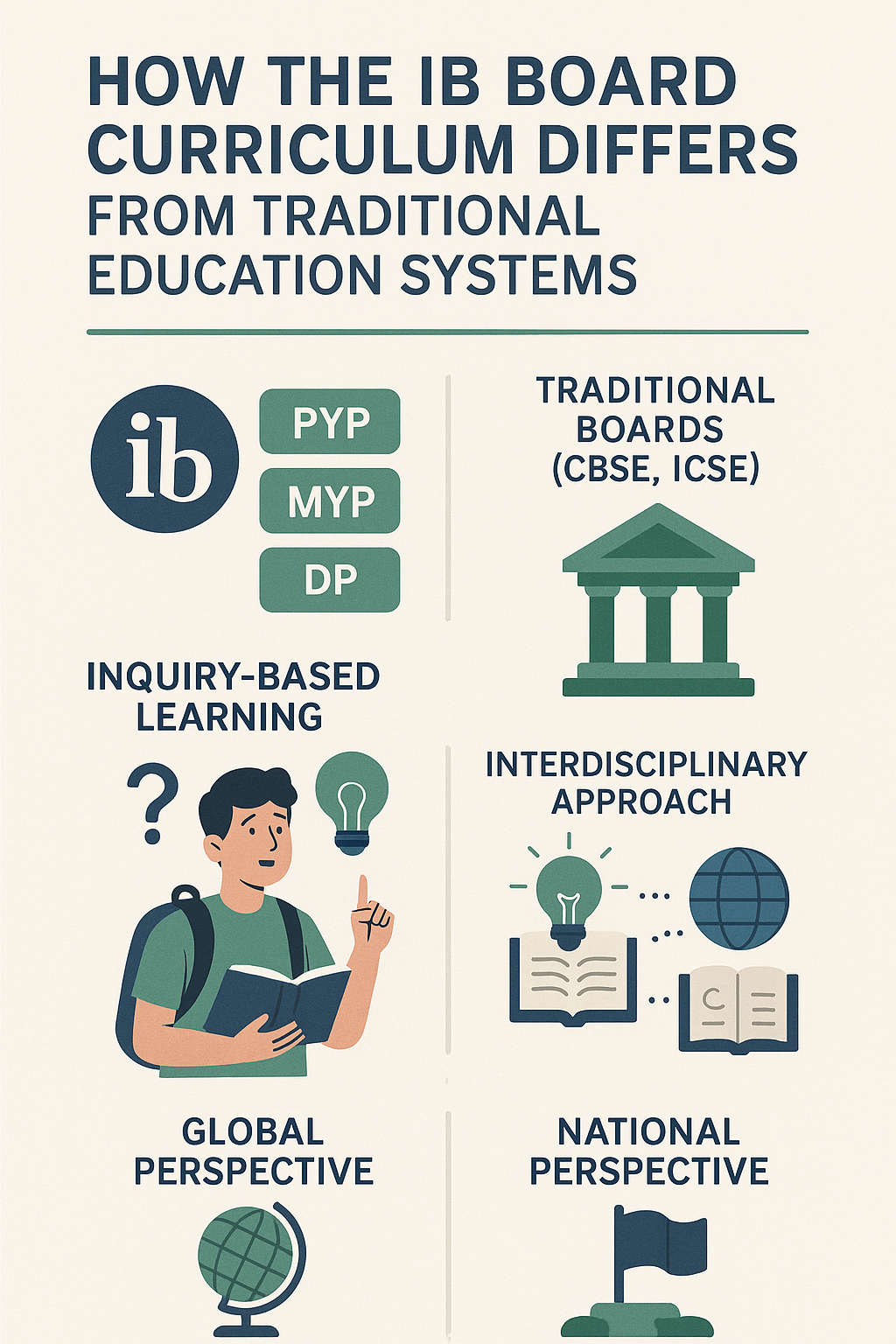
Explore how the IB board curriculum differs from traditional education systems like CBSE and ICSE, and understand IB...
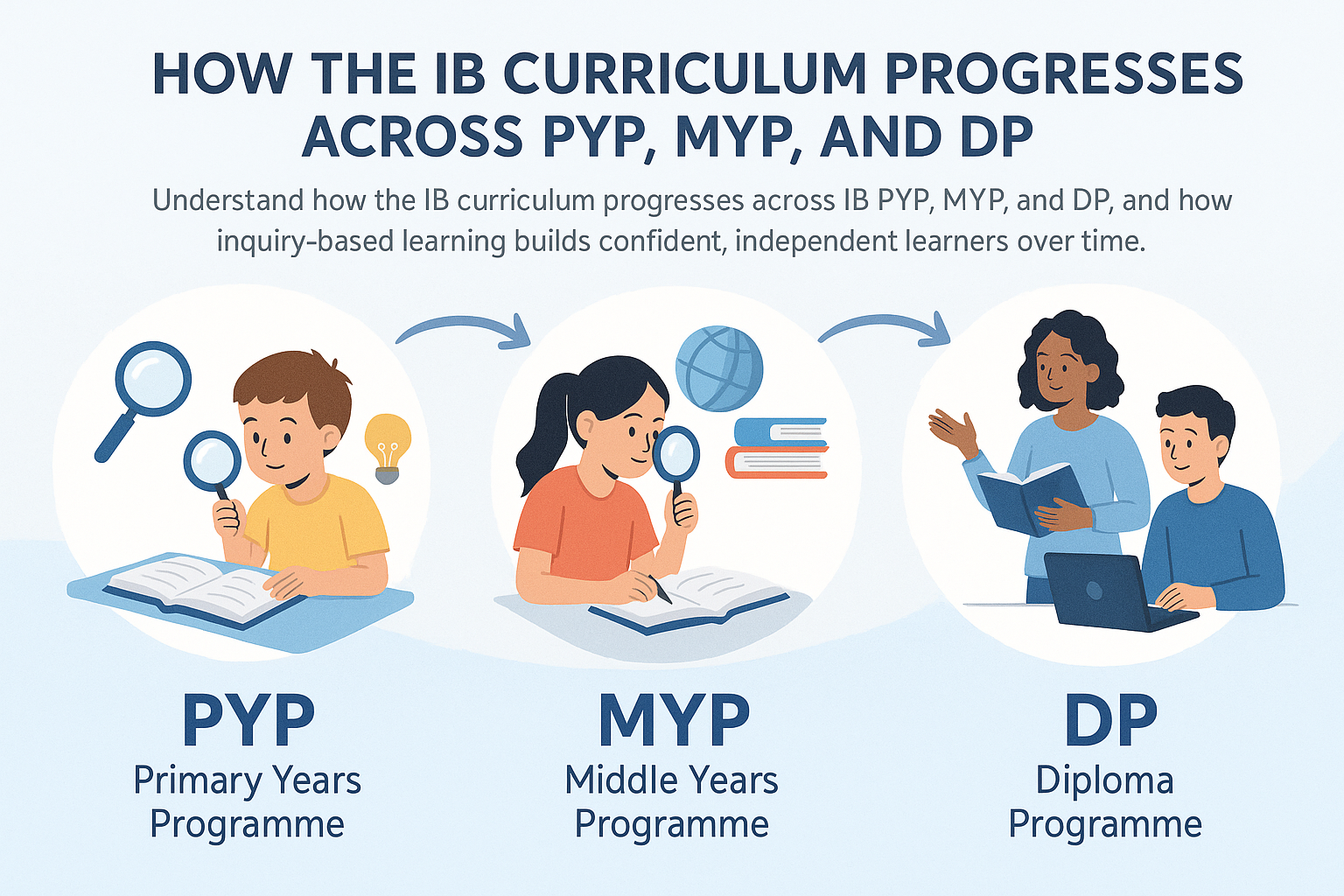
Understand how the IB curriculum progresses across IB PYP, MYP, and DP, and how inquiry-based learning builds...
A parent friendly guide to understanding the IB curriculum, IB PYP, MYP, and DP, and how inquiry based learning...
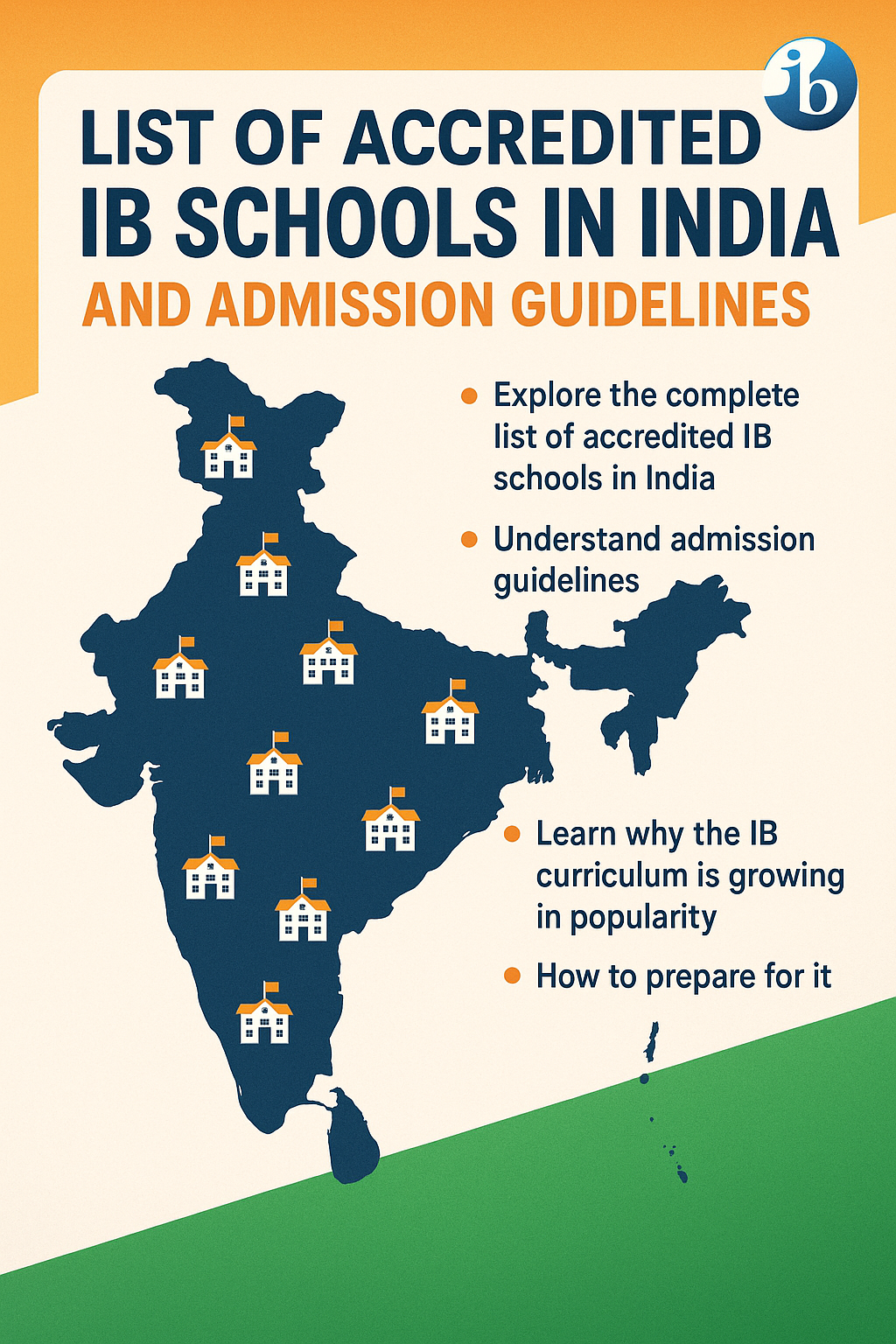
Explore the complete list of accredited IB schools in India and understand admission guidelines. Learn why the IB...

A complete guide for parents in Kolkata to understand the IB curriculum. Learn about PYP, MYP, IBDP stages,...

Discover the IB Diploma Programme curriculum, subject groups, core requirements, and benefits of IB. Learn how...

Thinking of joining the IB Programme? Learn about its rewards, challenges, and how AllRounder.ai can help you...

Discover the IB PYP curriculum framework, key learning areas, transdisciplinary themes, and how it nurtures lifelong...

Explore the IB syllabus structure, subject groups, and core components like TOK, CAS, and EE. A complete guide to IB...

Discover how the IB curriculum prepares students for Ivy League and top global universities. Explore skills,...

Explore how to choose IB subjects wisely. Learn about IB subject groups, HL vs SL, and combinations aligned with...

Understand the 10 IB Learner Profile attributes and why they matter in shaping global, future-ready students.

A detailed comparison of IB, CBSE, and ICSE boards. Learn about curriculum, teaching methods, and which board best...

Discover the IB Board – its global recognition, programs, and unique education philosophy.
Resources
-
Your complete JEE Advanced resource for eligibility, exam dates, syllabus, marks vs rank, and...
-
Understand the entire JEE Main process, from application and eligibility rules to the exam...
-

Explore the IB Board – a global curriculum emphasizing holistic, student-centered learning...
-

Learn about CBSE – India’s national school board offering a standardized curriculum, NCERT...
-

Explore everything about the ICSE board – its curriculum, subjects, exam format, and academic...