Professional Courses
Industry-relevant training in Business, Technology, and Design
Categories
Interactive Games
Fun games to boost memory, math, typing, and English skills
Typing
Memory
Math
English Adventures
Knowledge

How the IB Board Curriculum Differs From Traditional Education Systems

How the IB Board Curriculum Differs From Traditional Education Systems
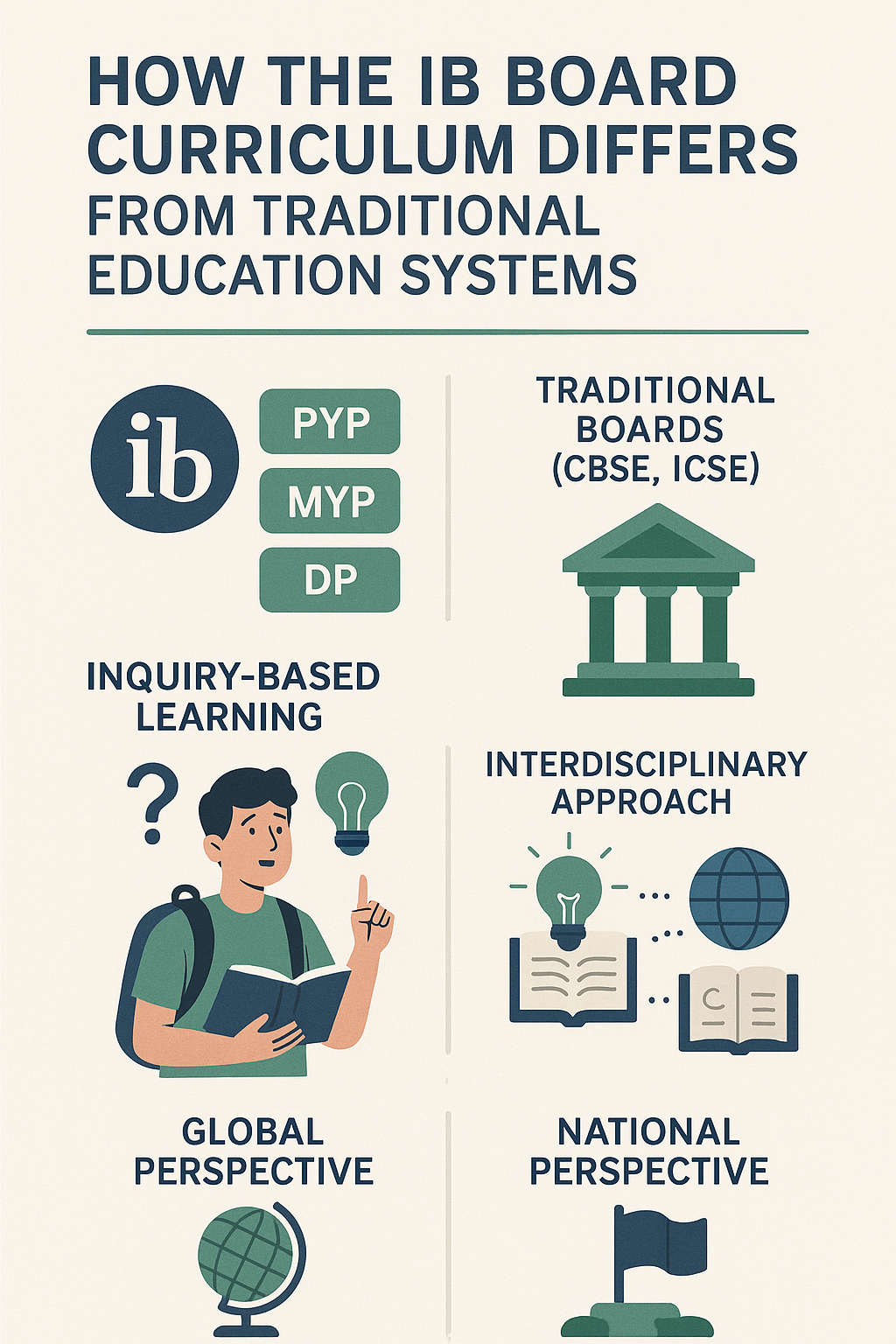
Choosing the right education system is one of the most important decisions parents make for their children. With the growing presence of IB schools in India and cities like Kolkata, many families find themselves comparing the IB board curriculum with more traditional systems such as CBSE or ICSE. While all boards aim to educate children, the philosophy, classroom experience, and learning outcomes can be very different.
The IB curriculum is not simply a tougher or more global version of traditional boards. It is a fundamentally different way of thinking about education. It focuses on how students learn, how they think, and how they apply knowledge in real life, not just how well they perform in exams. This article explains how the IB board curriculum differs from traditional education systems, what makes it unique across IB PYP, IB MYP, and IB DP, and how parents can decide whether it is the right fit.
The Core Philosophy Behind the IB Curriculum
Traditional education systems are largely content driven. The focus is on covering a syllabus, completing textbooks, and preparing students for examinations. Success is often measured by marks, ranks, and speed of recall.
The IB curriculum, on the other hand, is learner centred. It emphasizes inquiry, reflection, and application. Students are encouraged to ask questions, explore multiple perspectives, and connect learning to real world contexts. Knowledge is not treated as fixed information to be memorized, but as something to be explored and understood deeply.
This philosophical shift is the foundation of every difference parents notice when comparing IB with traditional boards.
Inquiry Based Learning Versus Instruction Based Teaching
One of the most visible differences between IB and traditional education systems is the classroom dynamic. In traditional classrooms, teachers usually lead lessons through explanation and demonstration, followed by practice and testing.
In IB classrooms, learning is inquiry based. Teachers act as facilitators rather than lecturers. Lessons often begin with questions, case studies, or real world problems. Students discuss, research, collaborate, and reflect before arriving at conclusions.
This approach builds curiosity and critical thinking, but it can initially feel unfamiliar to parents who expect visible teaching and direct answers.
How Learning Goals Are Defined
Traditional boards define learning goals largely in terms of syllabus completion and exam readiness. Students are expected to master specific chapters within fixed timelines.
The IB curriculum defines learning goals more broadly. Along with subject knowledge, it focuses on skills such as communication, research, self-management, and reflection. These goals are revisited and strengthened across years rather than being confined to a single grade.
Parents can understand this holistic approach more clearly through the IB syllabus key learning areas breakdown, which explains how different areas of learning work together.
IB PYP Versus Early Years in Traditional Systems
In traditional systems, early years education often focuses on foundational literacy, numeracy, and routine based learning. While this builds basic skills, learning is usually segmented by subjects.
IB PYP integrates subjects through broad themes. Children explore ideas that connect language, mathematics, science, and social understanding. Learning happens through discussion, play, projects, and reflection.
This helps children see learning as connected rather than fragmented. Parents can explore this stage in detail through the IB PYP curriculum primary years programme guide.
IB MYP Versus Middle School in Traditional Boards
Middle school in traditional systems often becomes more exam oriented. Subjects increase, homework grows, and assessment pressure begins to rise.
IB MYP takes a different approach. While academic rigor increases, learning remains concept driven and interdisciplinary. Students are encouraged to connect ideas across subjects and apply learning to real world contexts.
Projects, investigations, and reflections play a major role in assessment. This stage focuses on developing thinkers rather than simply preparing test takers. Parents can understand this phase better through IB MYP curriculum building thinkers and innovators.
IB DP Versus Senior Secondary Education
In traditional senior secondary education, the primary focus is board exams and competitive preparation. Subjects are often studied in isolation, and performance is measured mainly through final examinations.
The IB DP combines academic depth with independent learning. Students study subjects at varying levels while also completing core components that focus on research, reflection, and community engagement.
This balance prepares students for university style learning. Parents can explore subject choices and benefits through the IBDP curriculum subjects benefits guide and gain realistic expectations from the IB programme guide for students demands and rewards.
Assessment Style: Continuous Versus Exam Heavy
Traditional boards rely heavily on final exams. While internal assessments exist, year end exams often carry the greatest weight.
The IB curriculum uses continuous assessment. Students are evaluated through projects, presentations, research tasks, reflections, and exams. This spreads pressure across time and encourages consistent engagement.
Assessment in IB focuses on how students think, not just what they remember. Feedback is descriptive and developmental rather than purely numerical.
Skill Development Versus Content Coverage
Traditional systems prioritize content coverage. Finishing the syllabus is often seen as the main goal.
The IB curriculum prioritizes skill development alongside content. Research skills, writing, time management, and self-reflection are explicitly taught and assessed.
These skills support long term academic success and adaptability. This is one reason IB students often transition smoothly into higher education.
Role of Parents in IB Versus Traditional Systems
In traditional education systems, parents often monitor homework, check test scores, and push revision schedules.
In IB, the parent’s role shifts toward emotional support and guidance. Parents are encouraged to ask questions, listen to explanations, and support independence rather than manage daily tasks.
This shift can feel uncomfortable initially, but it helps students take ownership of learning over time.
IB Support and Structured Learning Tools
Because IB learning is inquiry based, some parents worry about structure. This is where structured academic support becomes useful.
Platforms like AllRounder.ai provide curriculum aligned explanations and guided learning paths that support IB learners without replacing inquiry.
Parents exploring IB specific support can refer to IB courses to understand how structured guidance and independent learning can work together.
Comparison With CBSE and ICSE
CBSE and ICSE are well established boards with clear strengths. CBSE emphasizes standardized structure and competitive readiness, while ICSE focuses on language depth and conceptual clarity.
IB differs by emphasizing global perspectives, inquiry, and interdisciplinary learning. Parents comparing these boards can explore detailed perspectives through IB vs CBSE vs ICSE right fit learning style.
Understanding differences helps families choose based on learning style rather than perceived difficulty.
IB Schools in Kolkata and Growing Interest
IB schools in Kolkata and other Indian cities are gaining popularity as parents seek education that prepares children for global opportunities.
However, choosing IB should be based on learning fit rather than trend. IB suits students who enjoy exploration, discussion, and independent thinking, and parents who value long term skill development over short term marks.
Practice and Familiarity in IB Learning
Although IB emphasizes inquiry, practice remains important. Regular application helps students consolidate learning and feel confident with expectations.
Low pressure preparation through practice tests helps IB learners apply concepts without exam anxiety. Practice is treated as feedback, not judgment.
Balancing Learning With Play and Well Being
Traditional systems often sacrifice play as academic pressure increases. IB explicitly values balance and well being.
Creative exploration and relaxed learning through interactive learning games on AllRounder.ai games support cognitive flexibility and emotional health, which are essential for sustained learning.
Supporting Students Across Grades in IB and Beyond
As students progress, support needs change. Middle school learners benefit from structured guidance through Grade 8 courses and Grade 9 courses. Senior learners preparing for transitions benefit from Grade 10 courses, Grade 11 courses, and Grade 12 courses.
Age appropriate support helps IB learners thrive without pressure.
Long Term Outcomes of IB Versus Traditional Education
Traditional education systems prepare students well for structured exams and local curricula. The IB curriculum prepares students for complexity, global perspectives, and independent learning.
IB learners often develop strong communication skills, adaptability, and confidence in unfamiliar situations. These traits support success in international universities and evolving career paths.
Choosing the Right System for Your Child
No education system is universally better. The right choice depends on the child’s learning style, personality, and long term goals.
IB works well for students who enjoy asking questions, exploring ideas, and working independently. Traditional systems work well for students who thrive on structure and exam driven goals.
Parents should focus on alignment rather than comparison.
Understanding Difference Leads to Better Decisions
Many concerns about IB arise from misunderstanding. When parents understand how the IB curriculum works and why it differs, expectations become more realistic and supportive.
The IB approach may feel slower or less structured initially, but it builds deep, lasting learning over time.
IB Is a Different Way of Learning, Not Just a Different Board
The IB board curriculum differs from traditional education systems not in difficulty, but in purpose. It aims to develop thinkers, communicators, and lifelong learners rather than just exam performers.
When parents understand and support this philosophy, IB students thrive academically and emotionally.
Choosing IB is not about choosing more work. It is about choosing a different way of learning that prepares students for a complex and changing world.
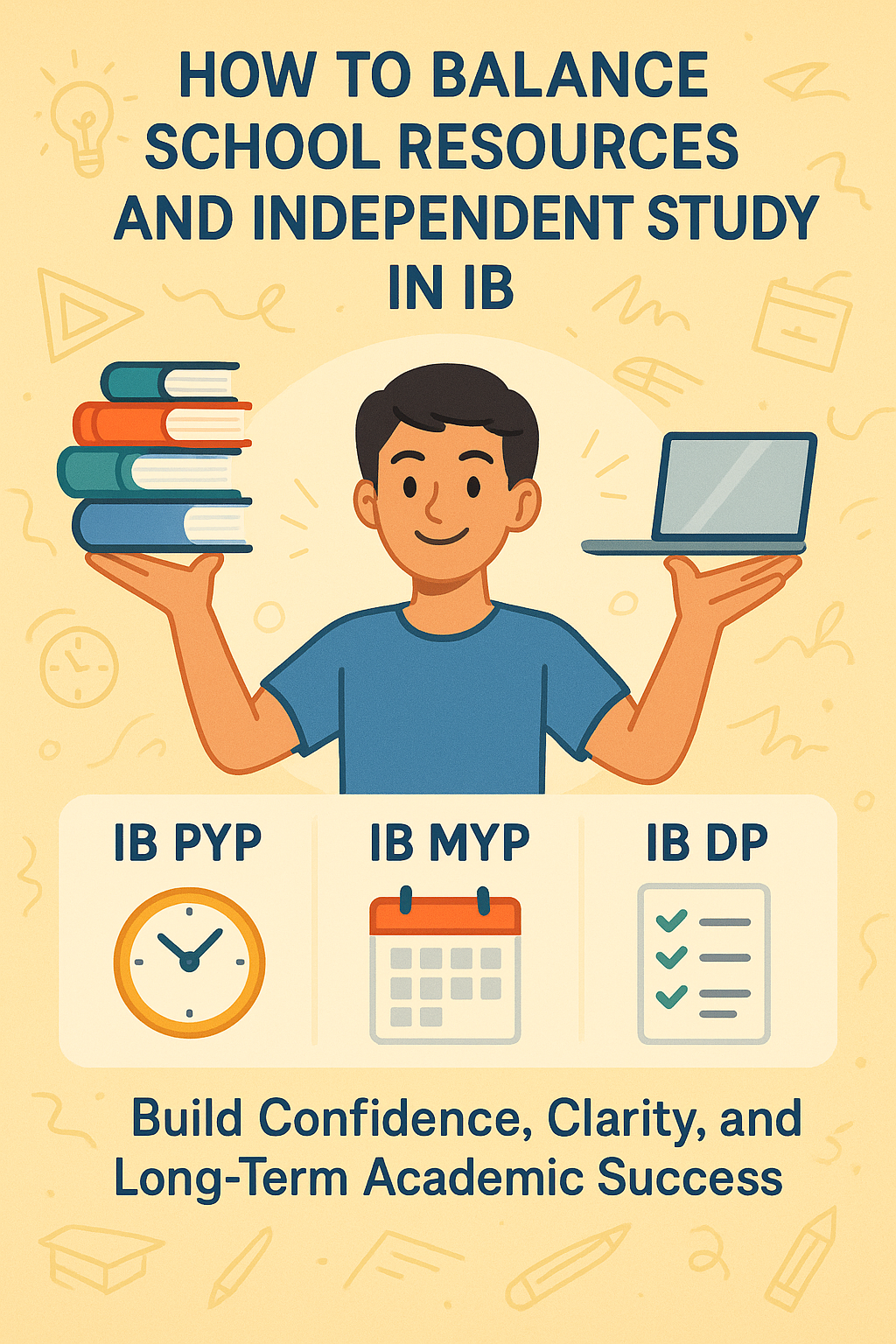
Learn how IB students can balance school resources and independent study across IB PYP, MYP, and DP to build...
Learn how parents can identify quality academic support for IB learners that aligns with IB PYP, MYP, and DP values...
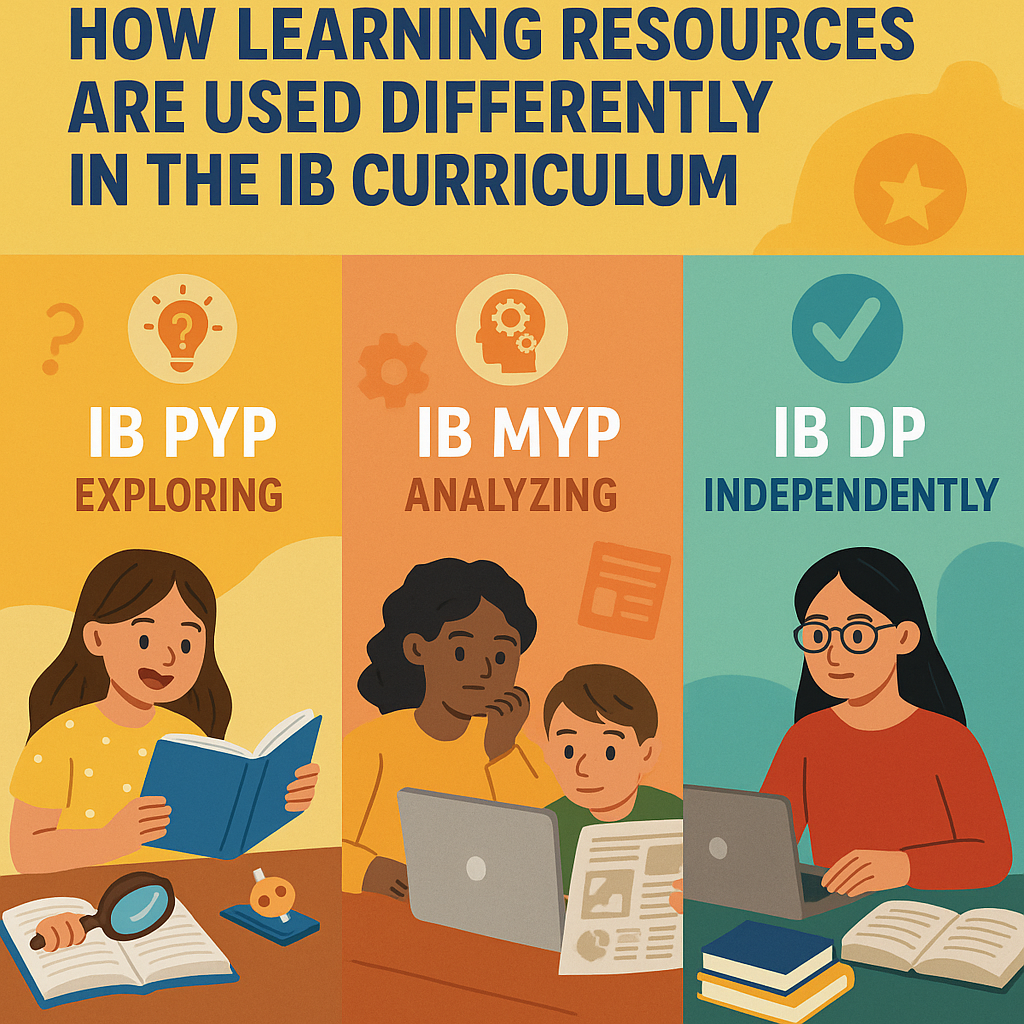
Discover how learning resources are used differently in the IB curriculum and how IB PYP, MYP, and DP students...
Learn how the IB curriculum helps students develop strong research and writing skills across IB PYP, MYP, and DP,...
Discover why reflection is a core skill in the IB education system and how it supports independent thinking,...
Learn how parents can support IB students across IB PYP, MYP, and DP without micromanaging, while building...
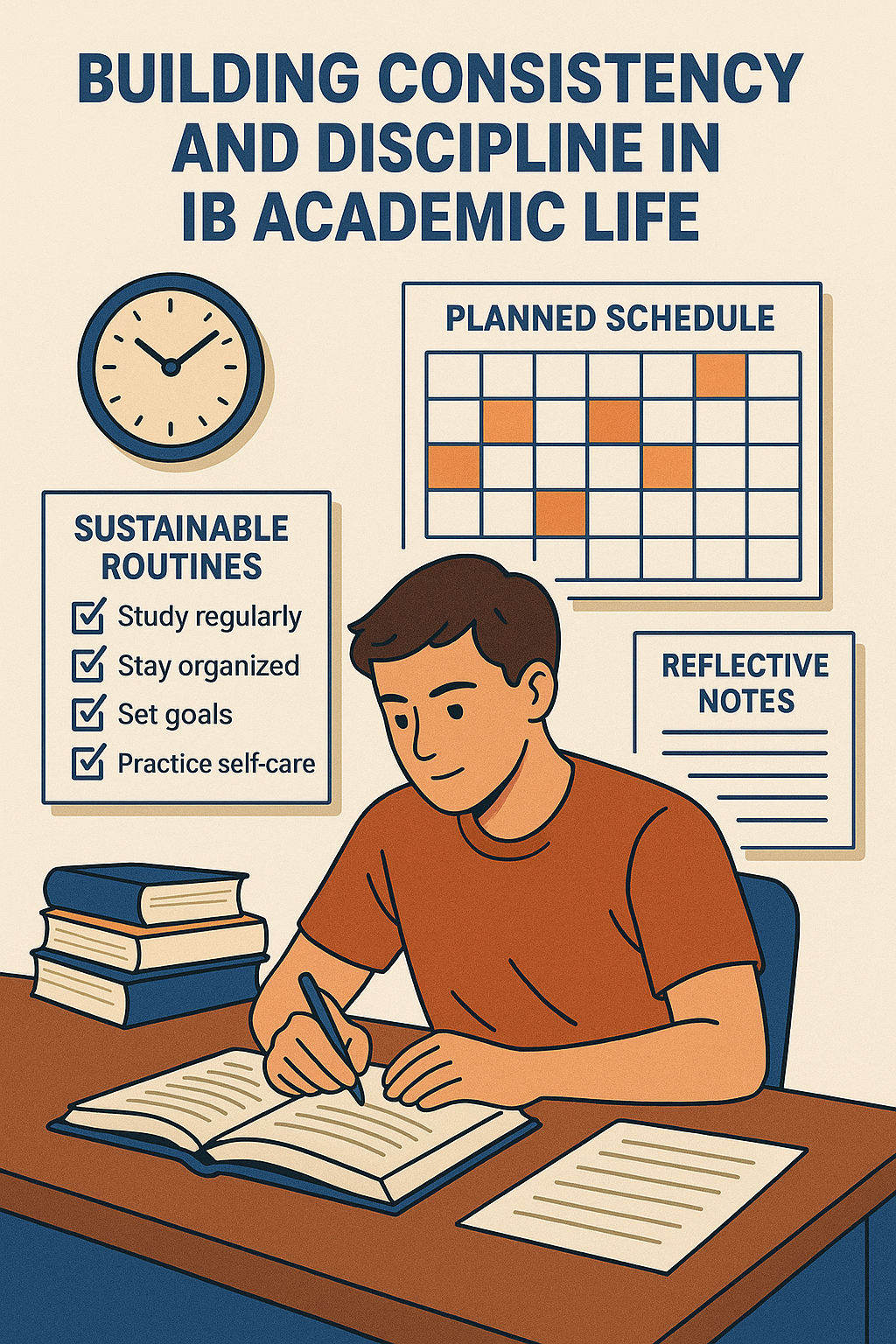
Learn how IB students can build consistency and discipline through sustainable routines, reflective habits, and...
Discover how the IB curriculum teaches students effective time management and academic planning skills that support...
Learn how IB students can avoid burnout while managing coursework by building balanced routines, aligning study...
Discover study habits that align with the IB curriculum and help students succeed through inquiry-based learning,...
Learn how the IB curriculum builds strong research and reading habits through inquiry-based learning, reflection,...
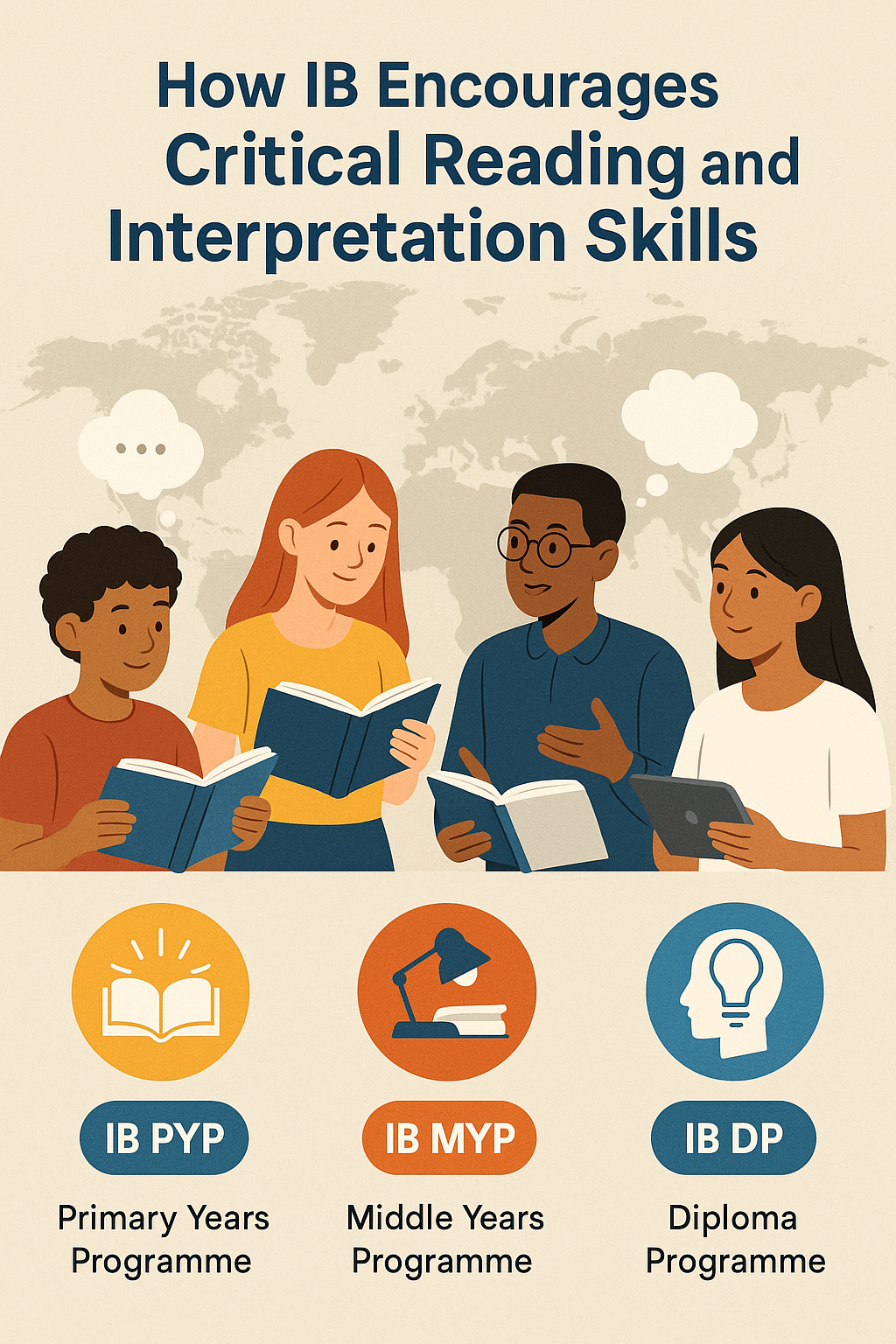
Discover how the IB syllabus builds strong critical reading and interpretation skills through inquiry-based...
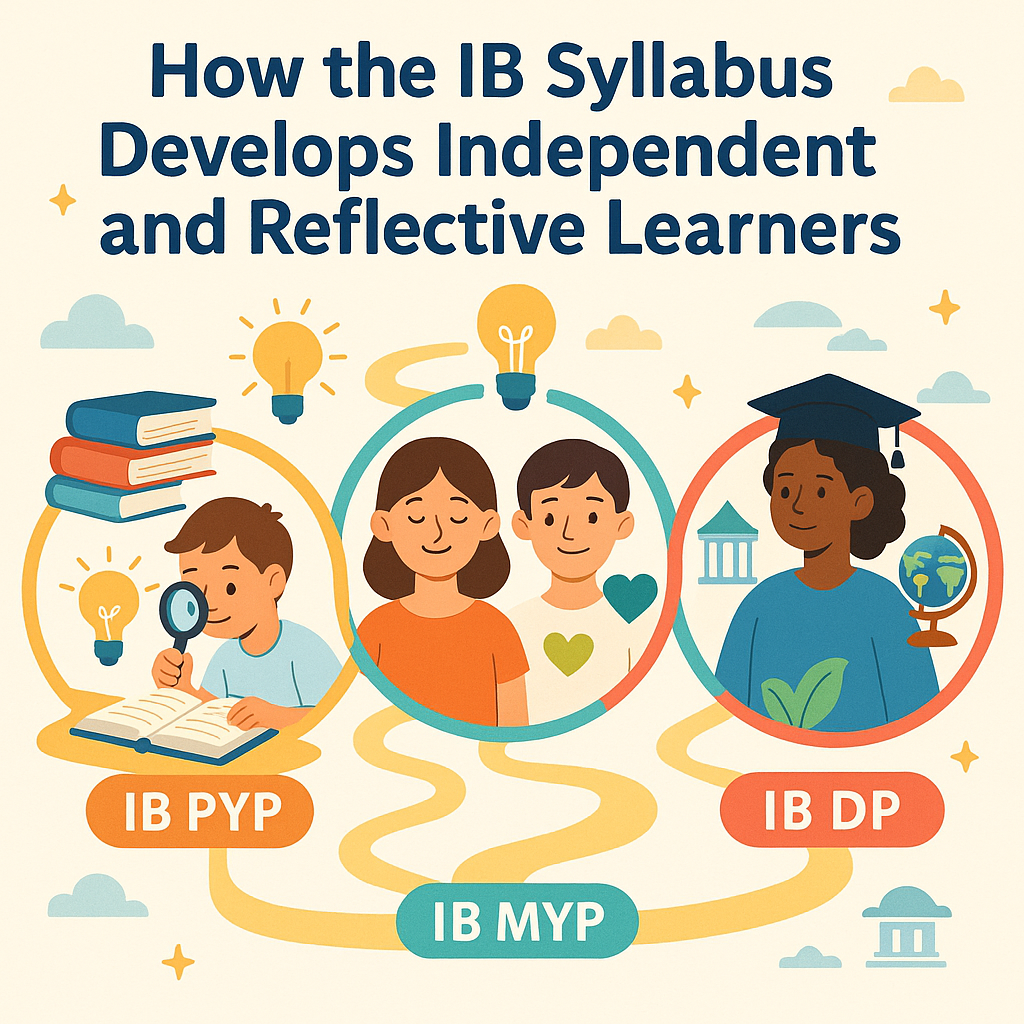
Discover how the IB syllabus builds independent and reflective learners through inquiry-based learning, emotional...
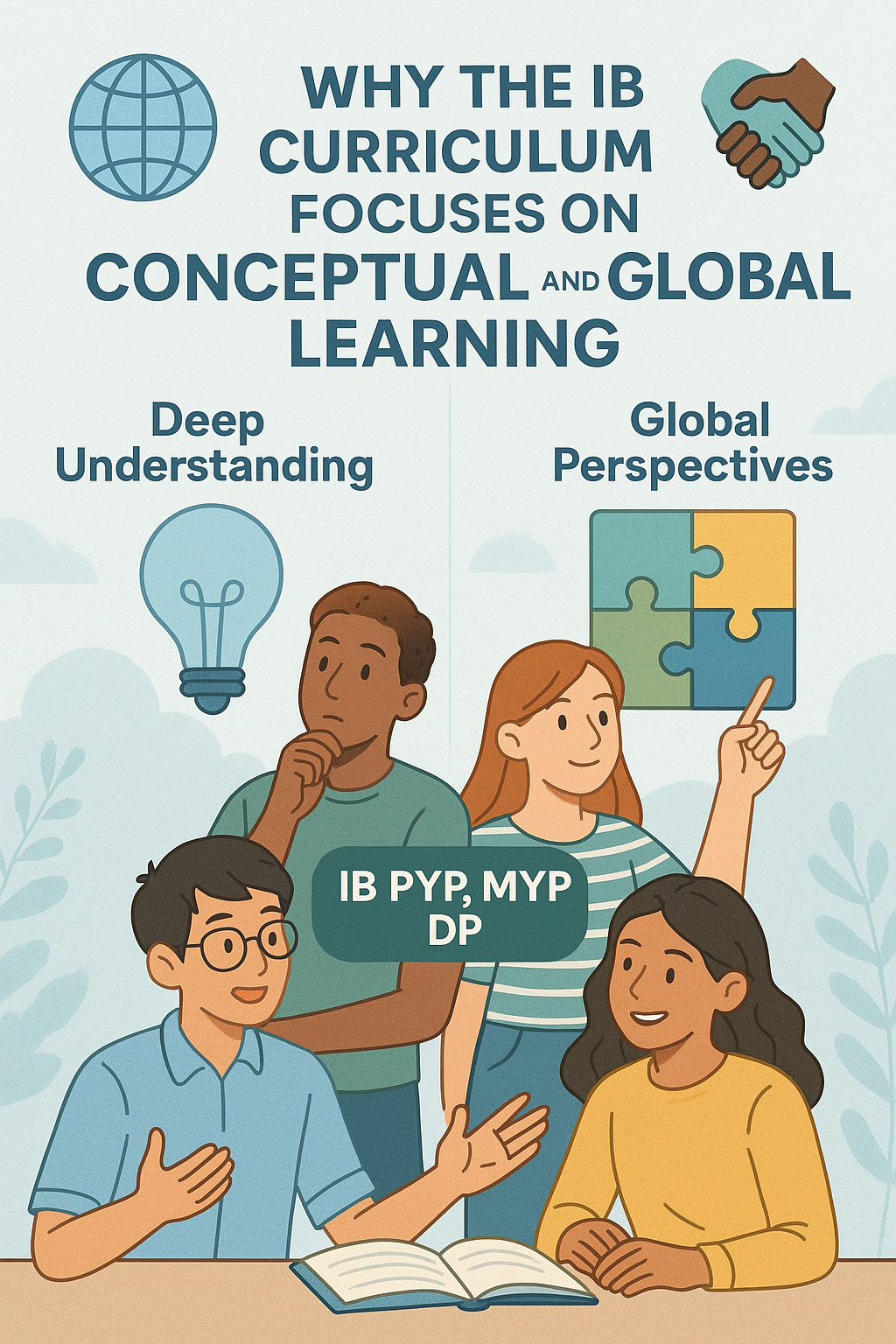
Learn why the IB curriculum focuses on conceptual and global learning, how IB PYP, MYP, and DP develop deep...
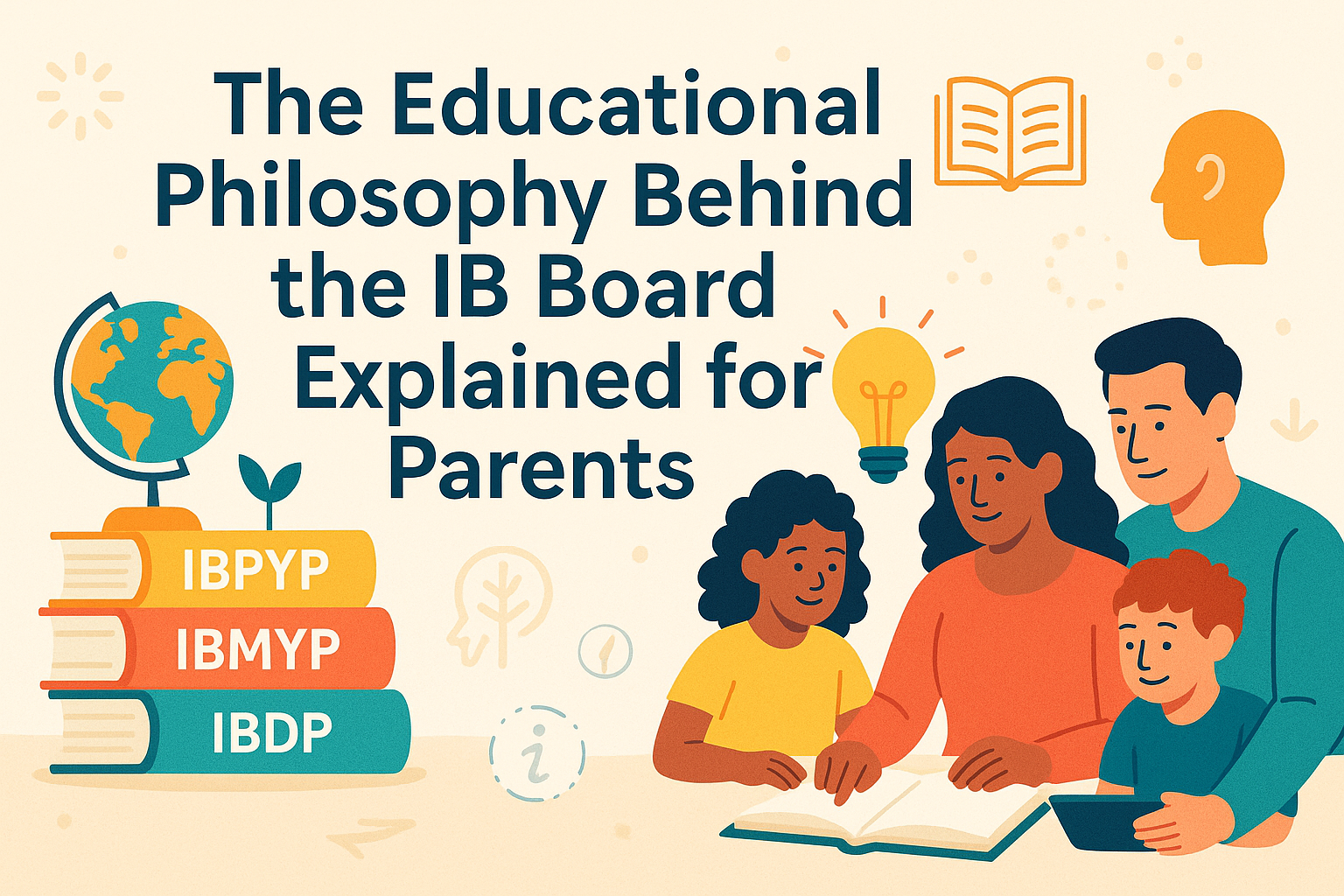
Understand the educational philosophy behind the IB board, including IB PYP, MYP, and DP, and learn how IB learning...
Explore how the IB board curriculum differs from traditional education systems like CBSE and ICSE, and understand IB...
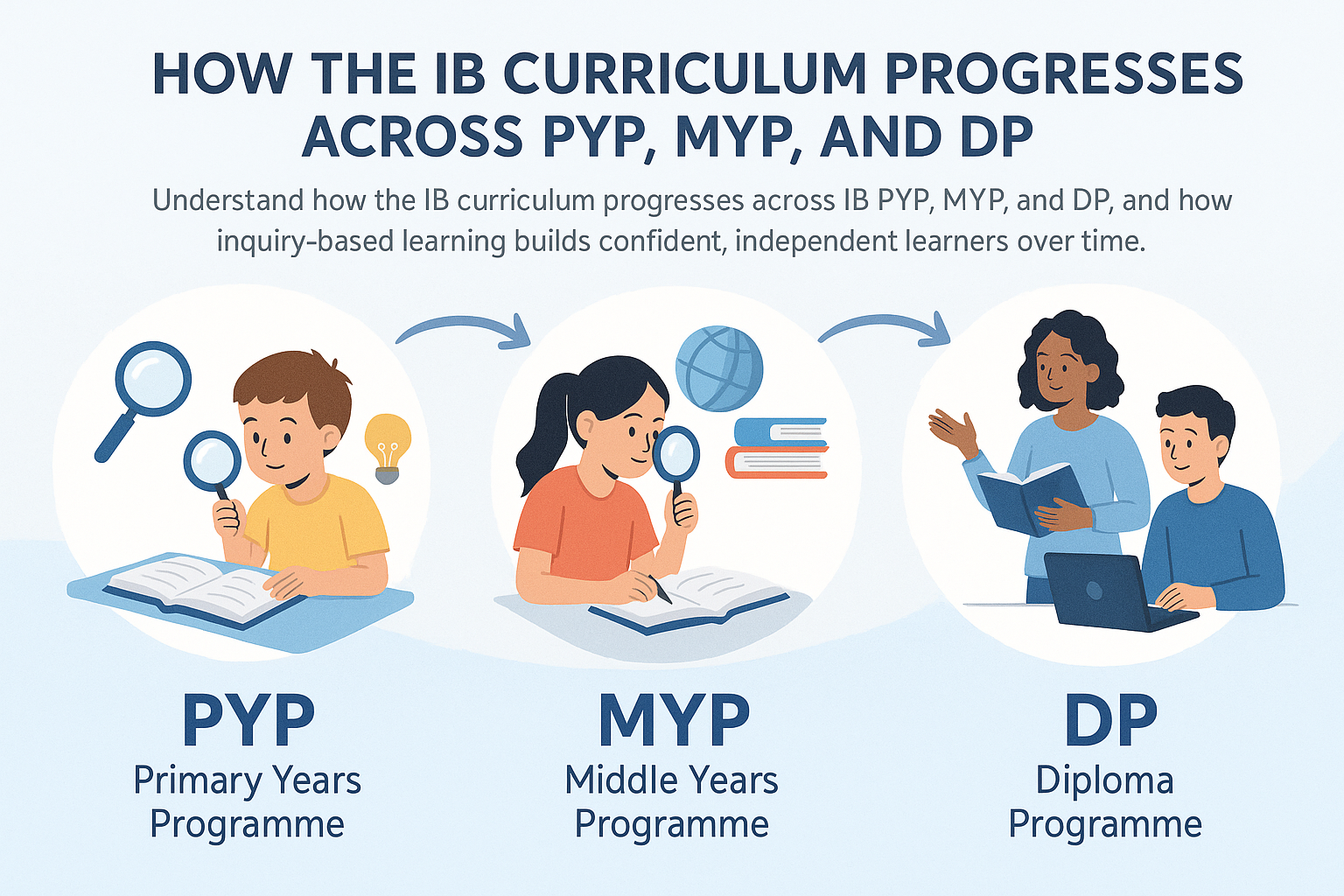
Understand how the IB curriculum progresses across IB PYP, MYP, and DP, and how inquiry-based learning builds...
A parent friendly guide to understanding the IB curriculum, IB PYP, MYP, and DP, and how inquiry based learning...
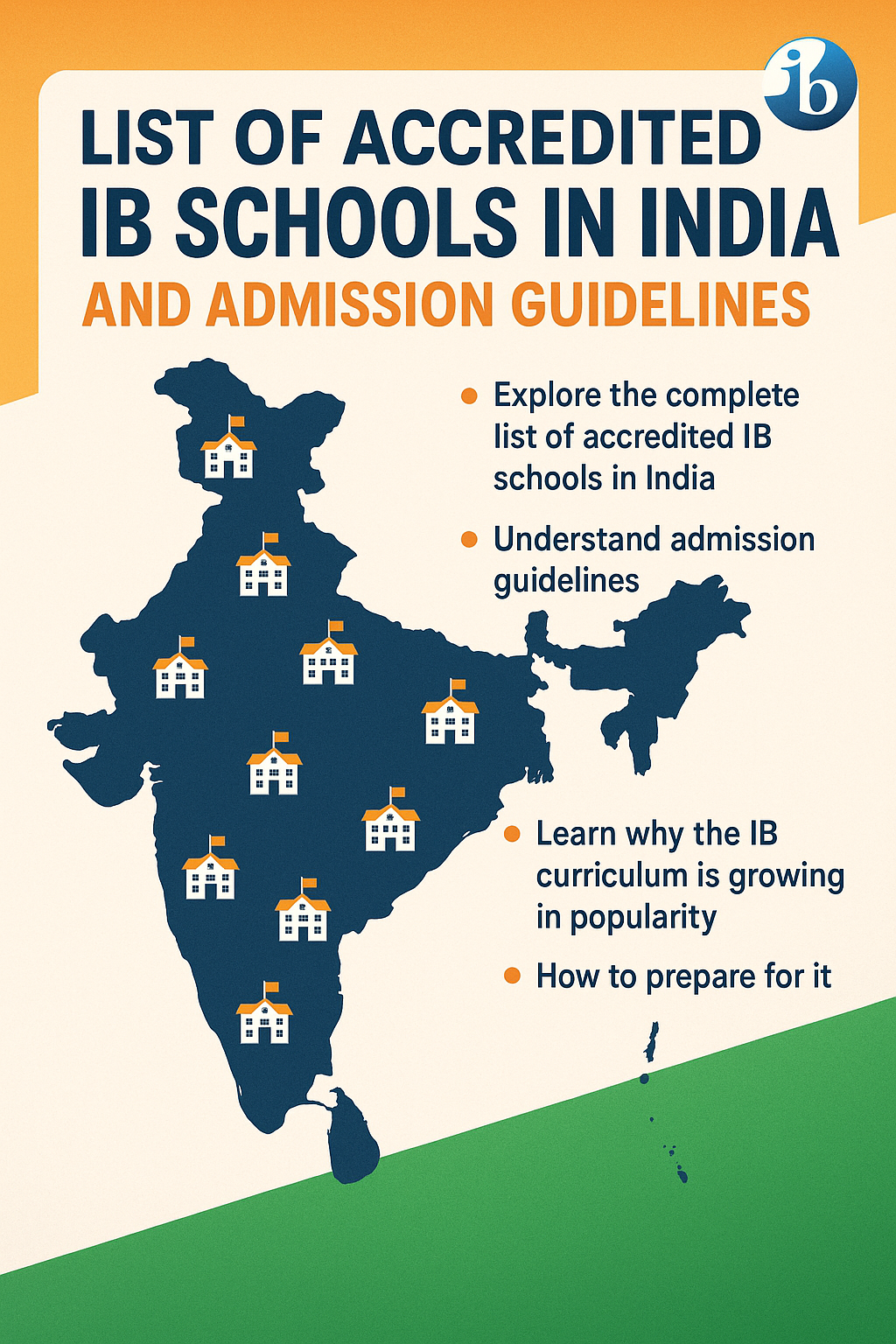
Explore the complete list of accredited IB schools in India and understand admission guidelines. Learn why the IB...

A complete guide for parents in Kolkata to understand the IB curriculum. Learn about PYP, MYP, IBDP stages,...

Discover the IB Diploma Programme curriculum, subject groups, core requirements, and benefits of IB. Learn how...

Thinking of joining the IB Programme? Learn about its rewards, challenges, and how AllRounder.ai can help you...

Discover the IB PYP curriculum framework, key learning areas, transdisciplinary themes, and how it nurtures lifelong...

Explore the IB syllabus structure, subject groups, and core components like TOK, CAS, and EE. A complete guide to IB...

Discover how the IB curriculum prepares students for Ivy League and top global universities. Explore skills,...

Explore how to choose IB subjects wisely. Learn about IB subject groups, HL vs SL, and combinations aligned with...

Understand the 10 IB Learner Profile attributes and why they matter in shaping global, future-ready students.

A detailed comparison of IB, CBSE, and ICSE boards. Learn about curriculum, teaching methods, and which board best...

Discover the IB Board – its global recognition, programs, and unique education philosophy.
Resources
-
Your complete JEE Advanced resource for eligibility, exam dates, syllabus, marks vs rank, and...
-
Understand the entire JEE Main process, from application and eligibility rules to the exam...
-

Explore the IB Board – a global curriculum emphasizing holistic, student-centered learning...
-

Learn about CBSE – India’s national school board offering a standardized curriculum, NCERT...
-

Explore everything about the ICSE board – its curriculum, subjects, exam format, and academic...