Professional Courses
Industry-relevant training in Business, Technology, and Design
Categories
Interactive Games
Fun games to boost memory, math, typing, and English skills
Typing
Memory
Math
English Adventures
Knowledge

List of Accredited IB Schools in India and Admission Guidelines

List of Accredited IB Schools in India and Admission Guidelines
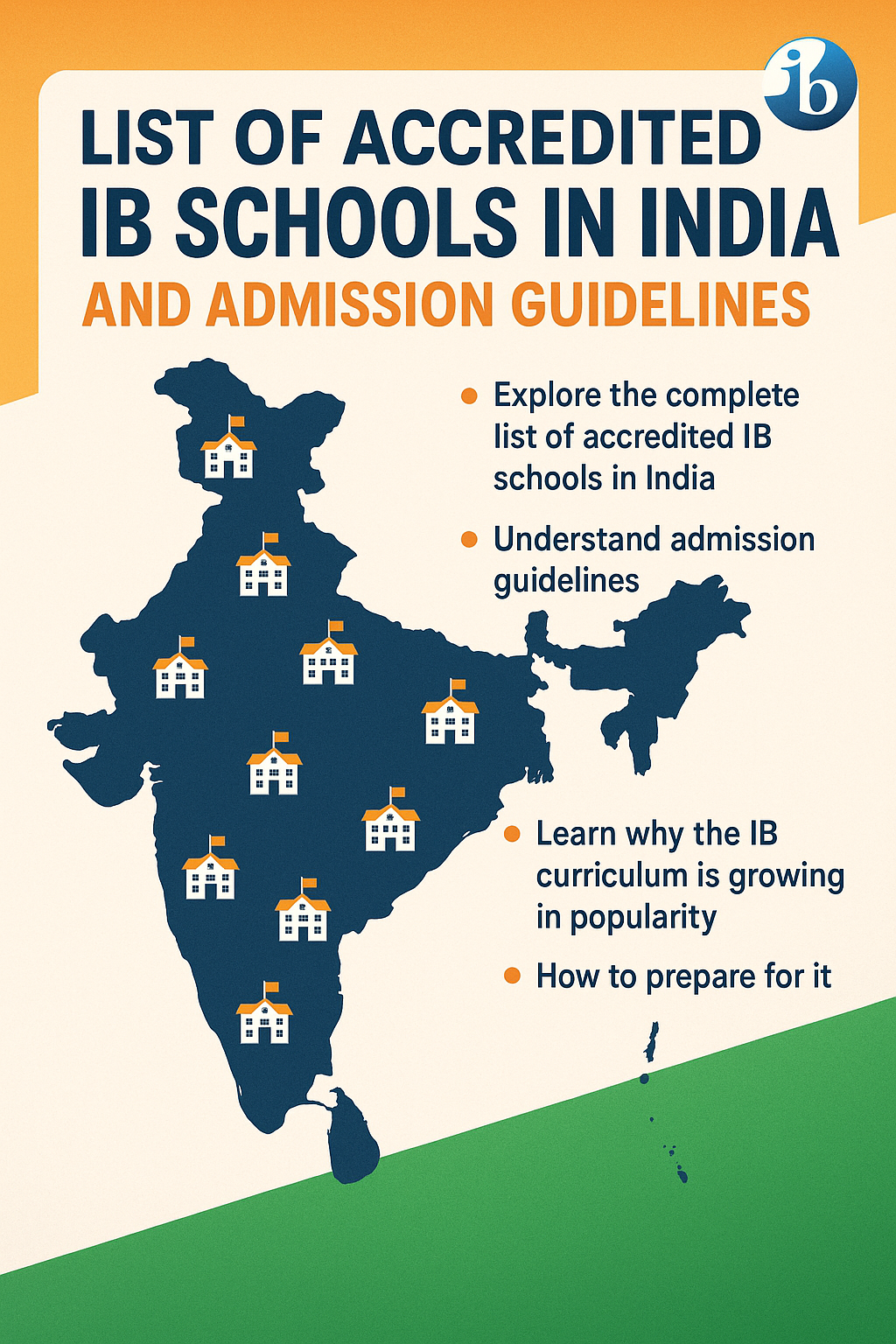
Over the last decade, the IB curriculum has become one of the most aspirational education systems for families in India. Once confined to a few elite international schools, the International Baccalaureate is now a recognized pathway for students aiming to build critical thinking, creativity, and global perspectives. The number of IB schools in India is steadily rising, and more parents are considering it as an alternative to CBSE and ICSE.
However, with its rising popularity comes confusion. Parents often ask: Which schools in India actually offer accredited IB programmes? What is the admission process? How different is IB from traditional boards?
In this guide, we provide a detailed list of accredited IB schools in India, explain their admission guidelines, and highlight what families can expect from the IB curriculum.
For deeper insights, explore:
- IB programme guide for students
- IB vs CBSE vs ICSE comparison
- IB curriculum guide for parents in Kolkata
- IB syllabus key learning areas breakdown
- IB curriculum and university preparation
Why the IB Curriculum Appeals to Indian Parents
Global Recognition
The International Baccalaureate (IB) is accepted by universities worldwide, including Ivy League schools in the US, Russell Group universities in the UK, and top institutions in Canada, Singapore, and Australia. Parents who want to prepare their children for global higher education see IB as the natural choice.
Holistic Education
Unlike boards that focus heavily on rote learning, the IB emphasizes inquiry-based learning, independent research, and critical thinking. Its approach prepares students not just for exams but for life beyond school.
Multiple Programmes
IB offers four key programmes: Primary Years Programme (PYP), Middle Years Programme (MYP), Diploma Programme (DP), and Career-related Programme (CP). Many IB schools in India offer PYP and DP, with a growing number now expanding into MYP.
Balanced Skills
The IB encourages students to balance academics with creativity, service, and global engagement. It aligns with the needs of families who want well-rounded education rather than exam-focused study.
For a deeper overview, see the IB programme guide.
List of Accredited IB Schools in India
India has over 200 IB-accredited schools, with concentrations in major cities like Mumbai, Delhi NCR, Bengaluru, Pune, Hyderabad, and Kolkata. Some of the most recognized names include:
- Mumbai: Dhirubhai Ambani International School, Oberoi International School, American School of Bombay
- Delhi NCR: Pathways World School, The British School, GD Goenka World School
- Bengaluru: Canadian International School, Stonehill International, Greenwood High International
- Hyderabad: Oakridge International School, Indus International School
- Pune: Symbiosis International School, Victorious Kidss Educares
- Kolkata: Calcutta International School, The Heritage School
Each of these schools has undergone a rigorous accreditation process to deliver IB programmes. Parents can verify a school’s status on the official IB website. For city-specific analysis, see the IB curriculum guide for parents in Kolkata.
Admission Guidelines for IB Schools in India
Eligibility
IB schools in India accept applications at various entry points, PYP admissions often start at Kindergarten, MYP usually at Class 6 or 7, and DP admissions at Class 11. While eligibility depends on school policies, most require a transfer certificate and prior academic records.
Admission Tests and Interviews
Unlike traditional CBSE or ICSE schools, IB institutions often conduct admission tests that focus on problem-solving and critical thinking rather than rote memorization. Interviews with students and parents are also common, reflecting IB’s holistic approach.
Documentation
Parents should prepare:
- Birth certificate and passport copies (for international applicants)
- Previous school records and transcripts
- Transfer certificate
- Recommendation letters in some cases
Fees
IB schools are generally more expensive than CBSE or ICSE counterparts. Annual fees can range from ₹3 lakhs to over ₹10 lakhs depending on the city and institution. This is because of the infrastructure, global accreditation, and specialized faculty required.
Early Application
Seats in top IB schools are limited. Parents are advised to apply early, sometimes a year in advance. For a structured comparison of IB with other boards, refer to the IB vs CBSE vs ICSE guide.
What Makes IB Admissions Different
Focus on Holistic Fit
IB schools do not just test subject knowledge; they assess whether a child can thrive in inquiry-based learning.
Parental Role
Schools often include parents in orientation sessions to explain the IB philosophy. The goal is to ensure families understand the demands and rewards of the system.
Transition Support
Students moving from CBSE or ICSE to IB may find the transition challenging. Schools provide orientation and bridging programs to help students adapt.
Preparing for the IB Journey
Students entering IB programmes must adapt to a more demanding system. They need to balance coursework, research projects, and extracurricular requirements. Parents can help by:
- Encouraging consistent study habits with AllRounder.ai IB courses
- Using practice tests to build confidence
- Supporting with interactive learning games for stress-free revision
- Aligning preparation from Class 8 to Class 12 for long-term success
For subject breakdowns, explore the IB syllabus guide.
IB Curriculum and University Readiness
One of the strongest appeals of IB is its direct connection to university preparation. The Diploma Programme (DP) is especially valued by top universities worldwide because it emphasizes:
- Extended Essay (EE): A 4,000-word research paper that develops analytical and academic writing skills
- Theory of Knowledge (TOK): A course that challenges students to think critically about knowledge itself
- CAS (Creativity, Activity, Service): A structured way to ensure students balance academics with personal growth and community service
These elements mirror the expectations of international universities and make IB graduates stand out. Learn more from the IB curriculum and university preparation guide.
Challenges Parents Should Be Aware Of
While IB offers many advantages, it also has challenges:
- High Workload: IB students often face more assignments and projects compared to CBSE or ICSE peers.
- Cost: Fees and additional expenses like international exam registrations can be significant.
- Adjustment: Students shifting from traditional rote-learning boards may need time to adapt.
However, with the right support and planning, these challenges can be managed effectively.
Final Thoughts
The number of IB schools in India is growing rapidly, reflecting a shift in parental expectations and global aspirations. With schools in Mumbai, Delhi NCR, Bengaluru, Hyderabad, Pune, and Kolkata leading the way, families now have more choices than ever.
The IB curriculum is not just about academics, it is about preparing students for life. It builds critical thinking, research skills, and global citizenship, making students stand out in university applications worldwide.
If you are considering this path, start early. Review the list of IB-accredited schools, understand admission guidelines, and prepare your child with support from AllRounder.ai. From IB courses and games to practice tests, tools are available to make the transition smoother.
Choosing IB is a long-term investment in your child’s future. With careful planning, the right school, and effective support, it can open doors to top universities and global opportunities.
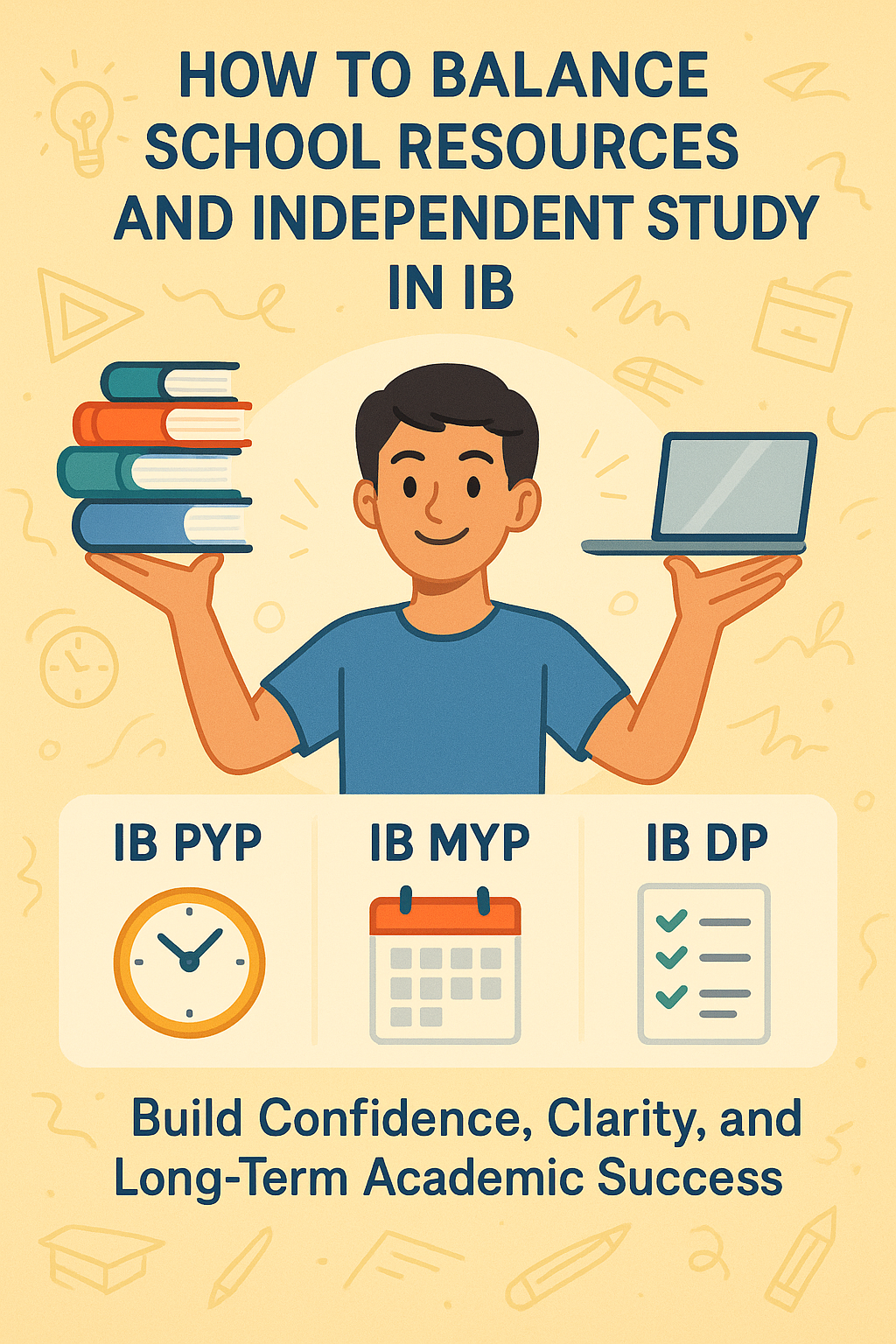
Learn how IB students can balance school resources and independent study across IB PYP, MYP, and DP to build...
Learn how parents can identify quality academic support for IB learners that aligns with IB PYP, MYP, and DP values...
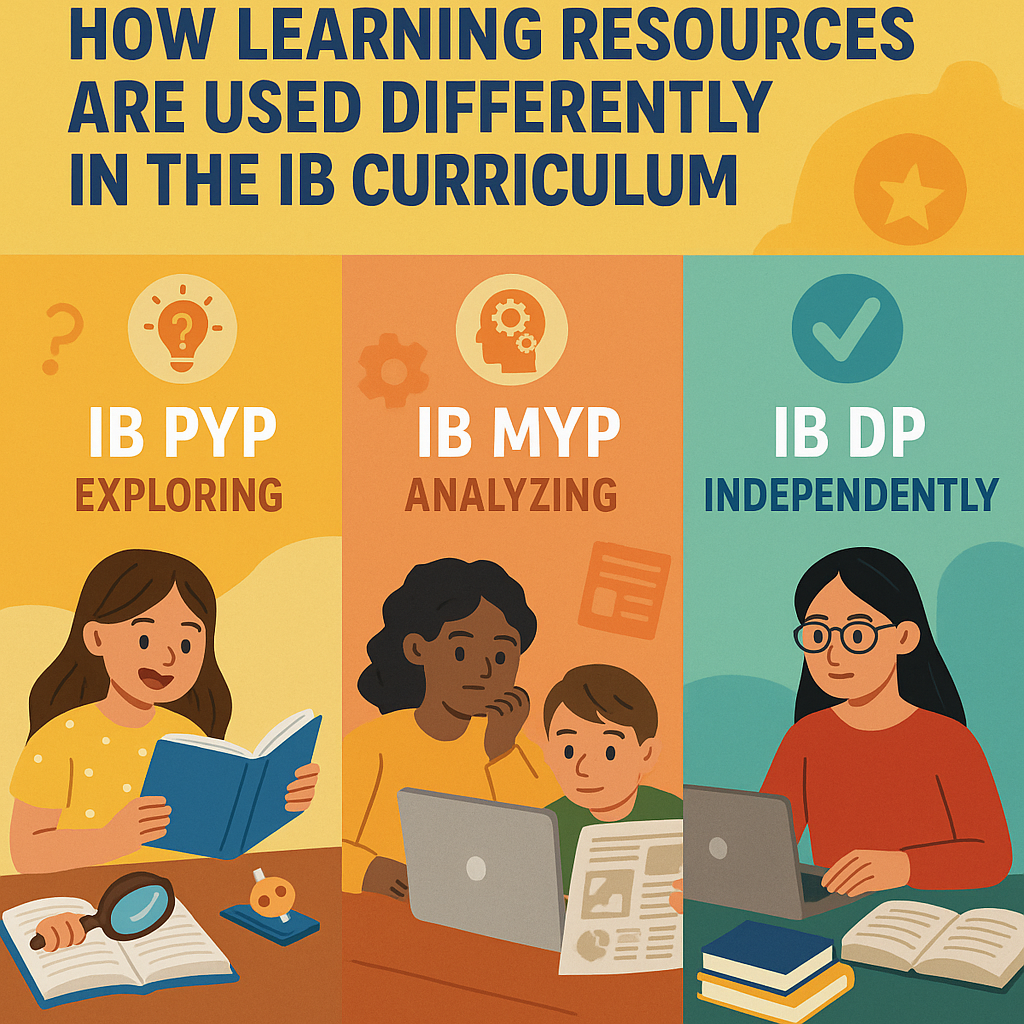
Discover how learning resources are used differently in the IB curriculum and how IB PYP, MYP, and DP students...
Learn how the IB curriculum helps students develop strong research and writing skills across IB PYP, MYP, and DP,...
Discover why reflection is a core skill in the IB education system and how it supports independent thinking,...
Learn how parents can support IB students across IB PYP, MYP, and DP without micromanaging, while building...
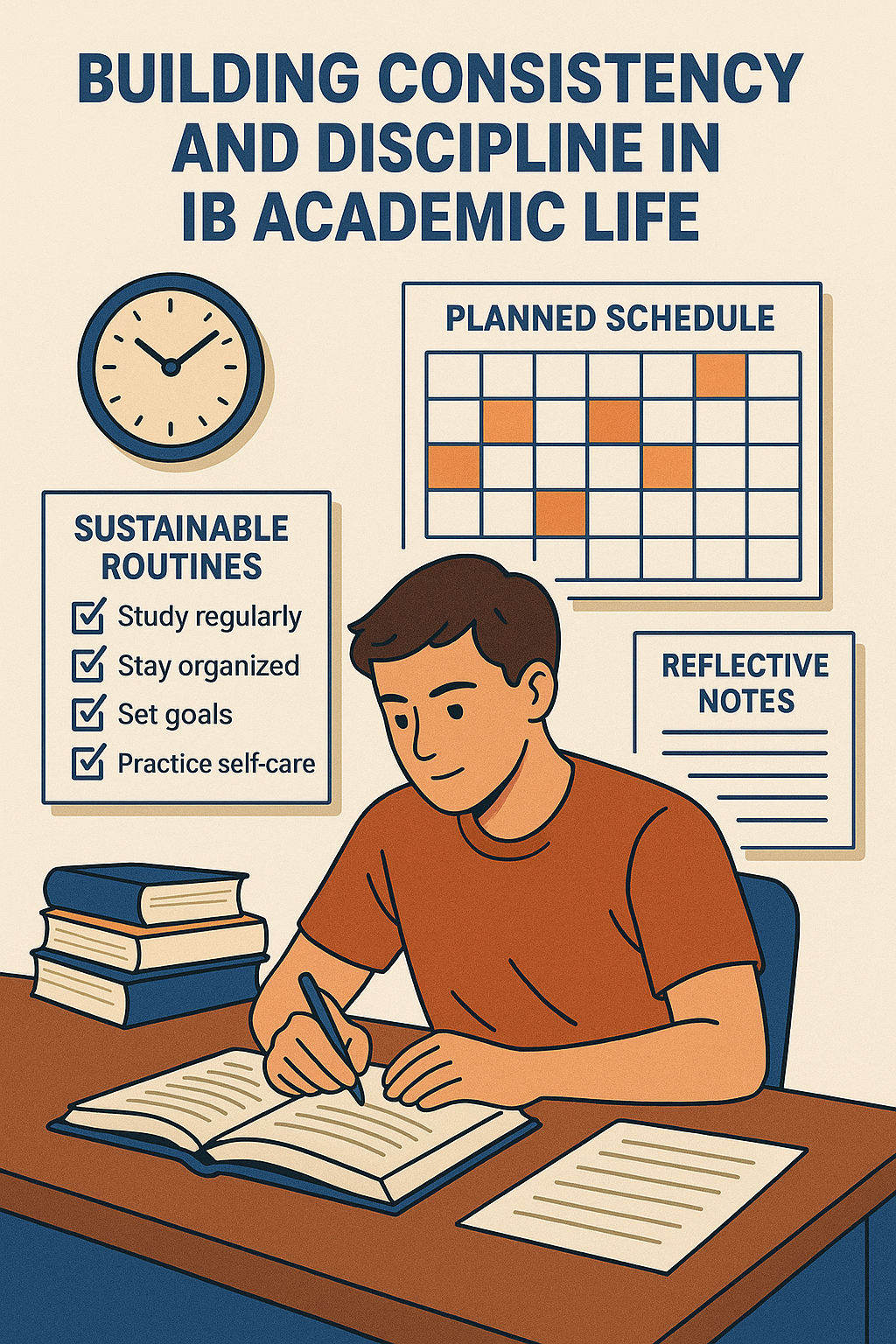
Learn how IB students can build consistency and discipline through sustainable routines, reflective habits, and...
Discover how the IB curriculum teaches students effective time management and academic planning skills that support...
Learn how IB students can avoid burnout while managing coursework by building balanced routines, aligning study...
Discover study habits that align with the IB curriculum and help students succeed through inquiry-based learning,...
Learn how the IB curriculum builds strong research and reading habits through inquiry-based learning, reflection,...
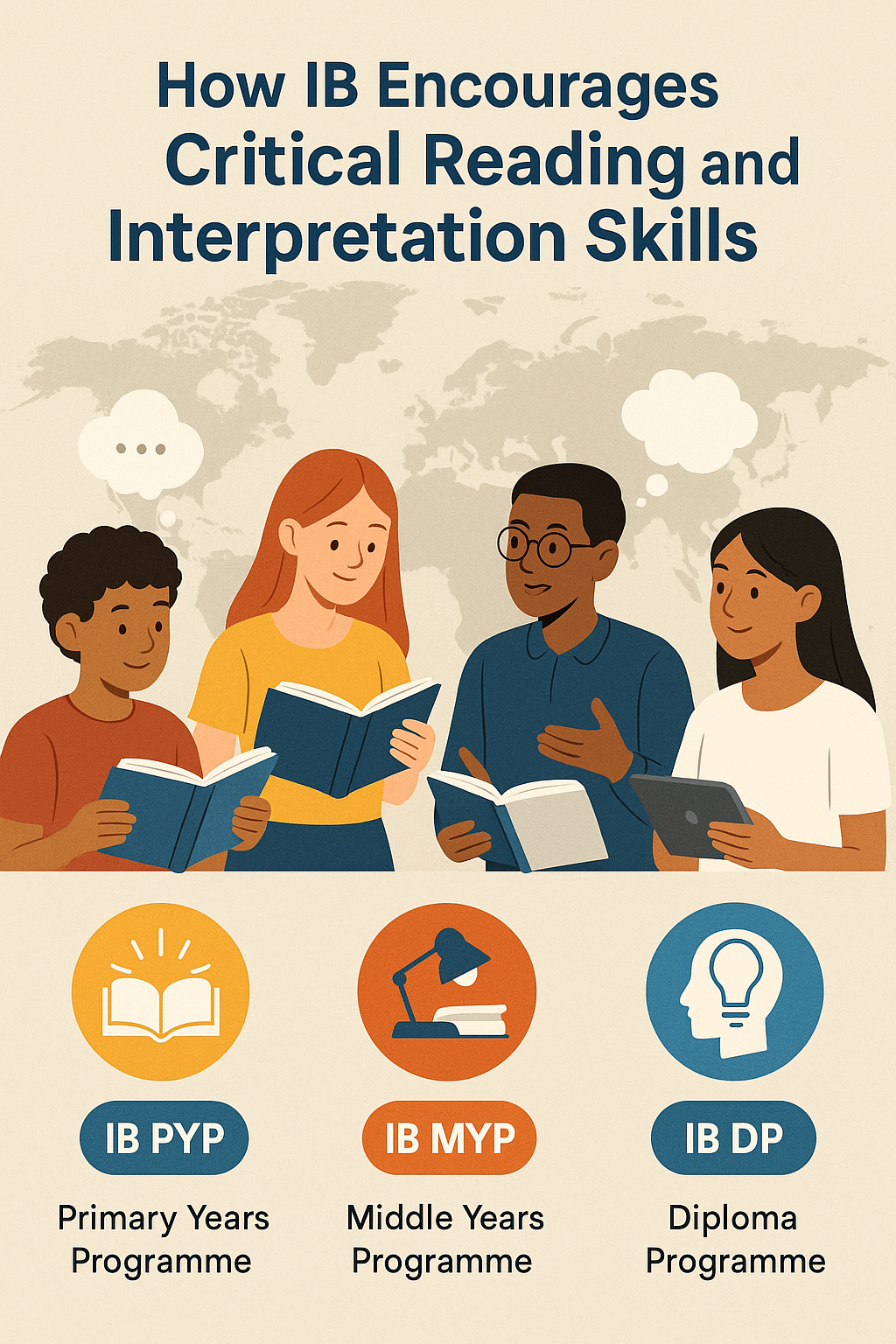
Discover how the IB syllabus builds strong critical reading and interpretation skills through inquiry-based...
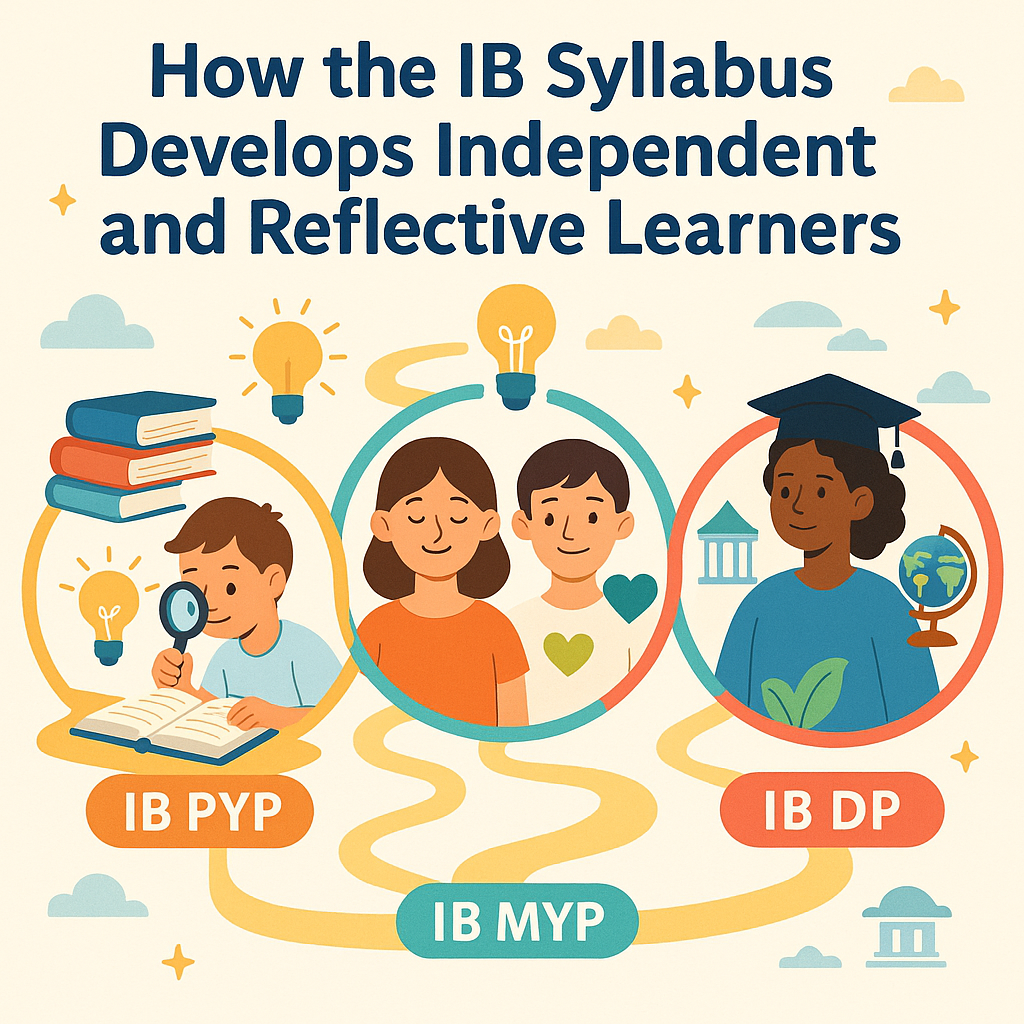
Discover how the IB syllabus builds independent and reflective learners through inquiry-based learning, emotional...
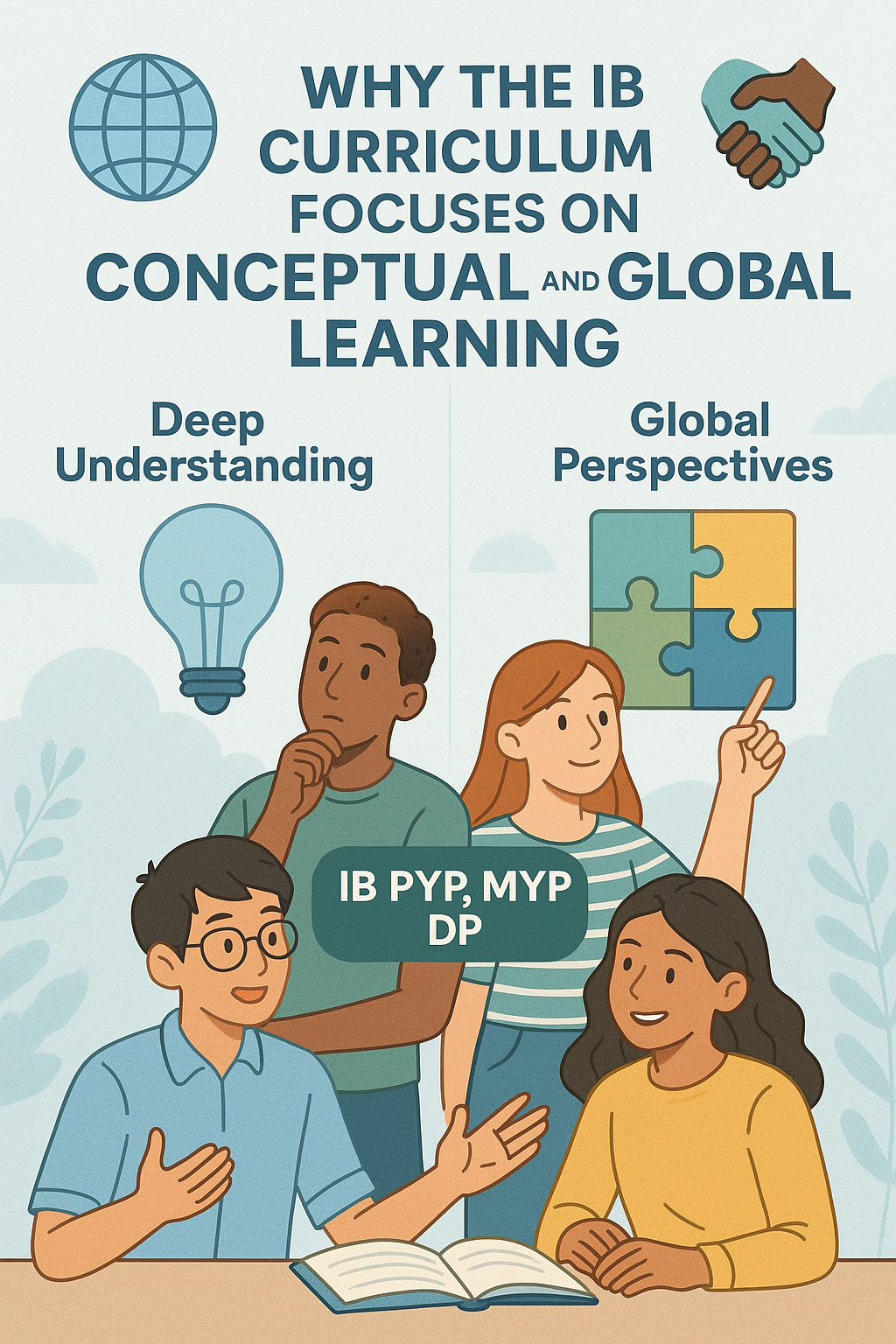
Learn why the IB curriculum focuses on conceptual and global learning, how IB PYP, MYP, and DP develop deep...
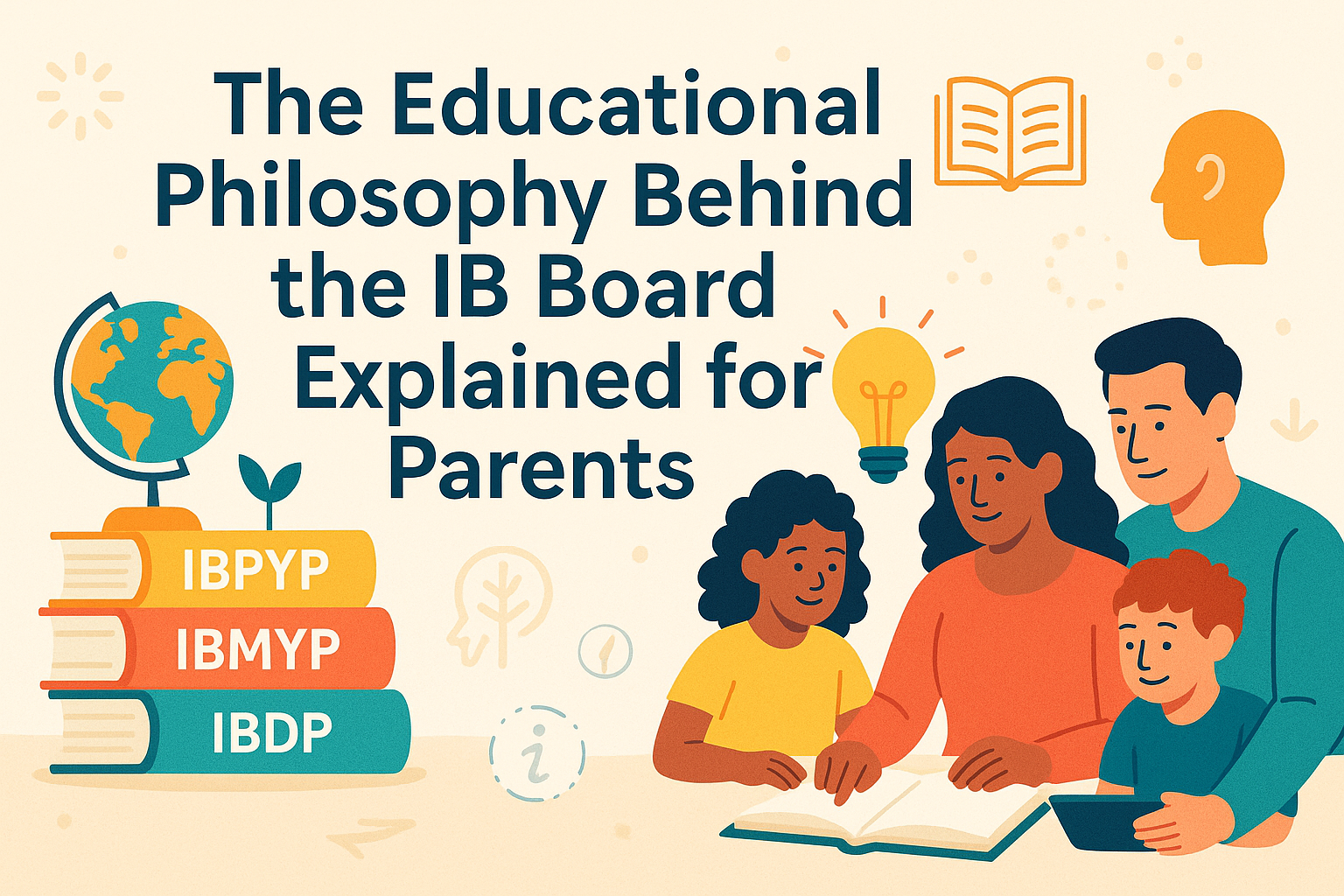
Understand the educational philosophy behind the IB board, including IB PYP, MYP, and DP, and learn how IB learning...
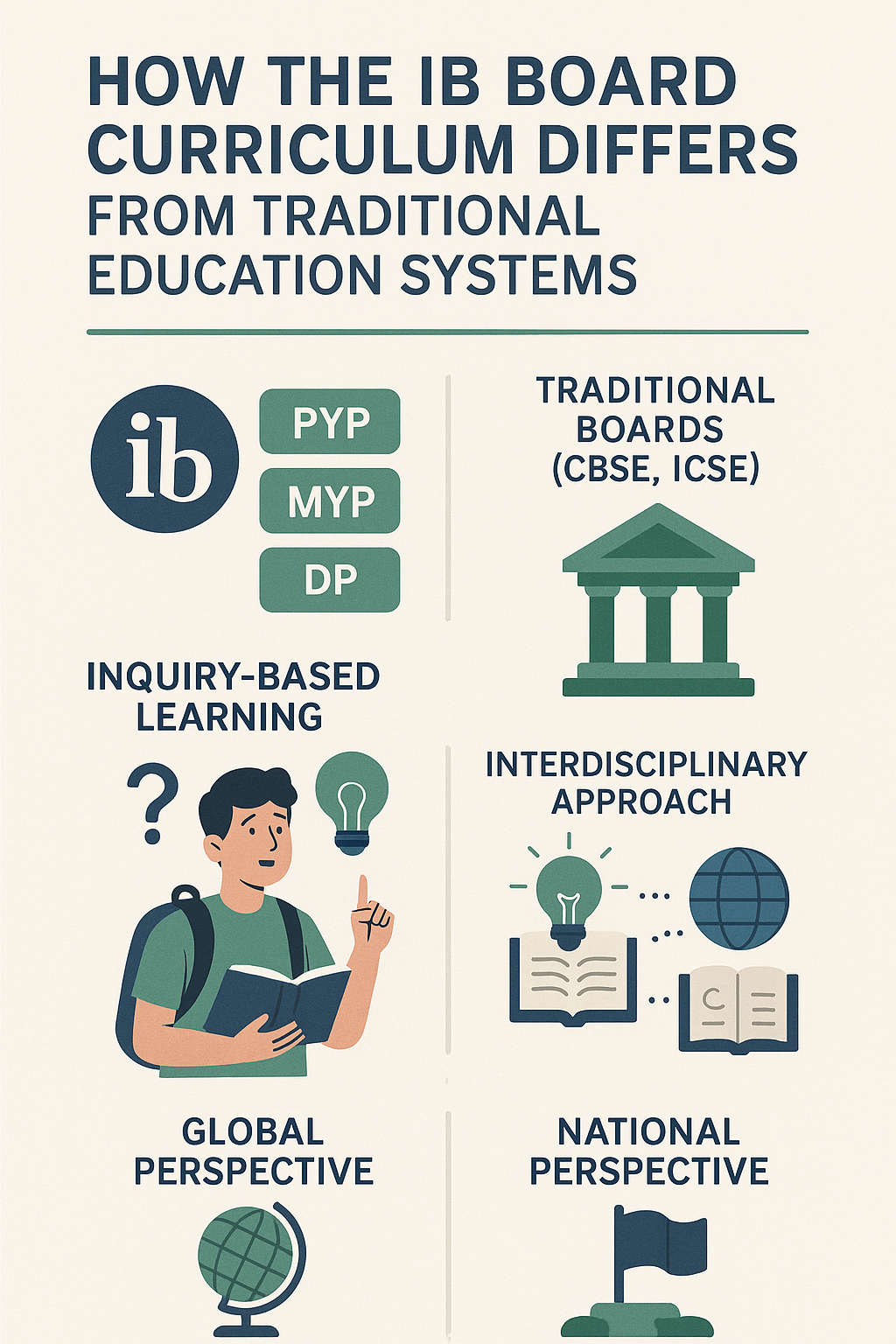
Explore how the IB board curriculum differs from traditional education systems like CBSE and ICSE, and understand IB...
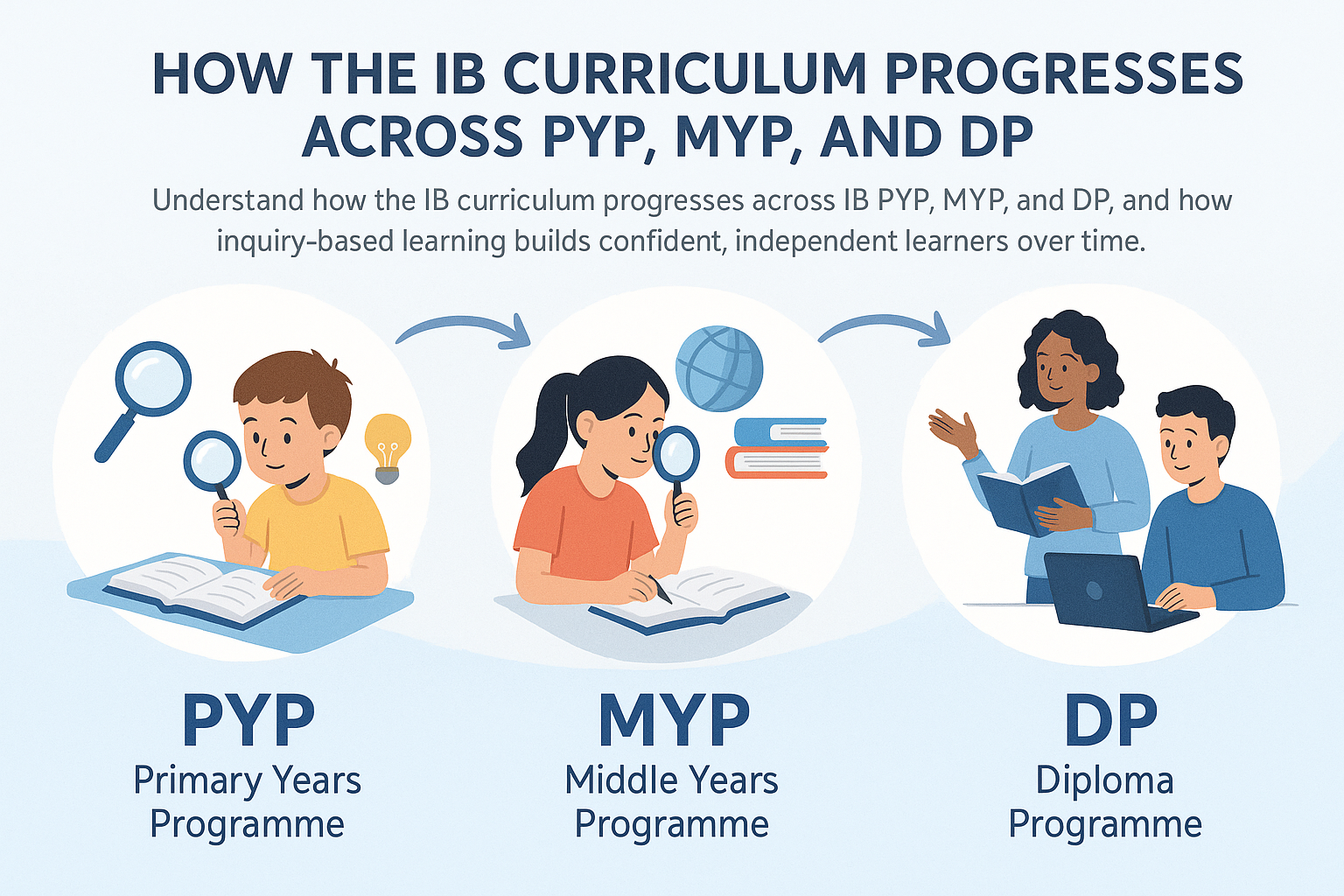
Understand how the IB curriculum progresses across IB PYP, MYP, and DP, and how inquiry-based learning builds...
A parent friendly guide to understanding the IB curriculum, IB PYP, MYP, and DP, and how inquiry based learning...
Explore the complete list of accredited IB schools in India and understand admission guidelines. Learn why the IB...

A complete guide for parents in Kolkata to understand the IB curriculum. Learn about PYP, MYP, IBDP stages,...

Discover the IB Diploma Programme curriculum, subject groups, core requirements, and benefits of IB. Learn how...

Thinking of joining the IB Programme? Learn about its rewards, challenges, and how AllRounder.ai can help you...

Discover the IB PYP curriculum framework, key learning areas, transdisciplinary themes, and how it nurtures lifelong...

Explore the IB syllabus structure, subject groups, and core components like TOK, CAS, and EE. A complete guide to IB...

Discover how the IB curriculum prepares students for Ivy League and top global universities. Explore skills,...

Explore how to choose IB subjects wisely. Learn about IB subject groups, HL vs SL, and combinations aligned with...

Understand the 10 IB Learner Profile attributes and why they matter in shaping global, future-ready students.

A detailed comparison of IB, CBSE, and ICSE boards. Learn about curriculum, teaching methods, and which board best...

Discover the IB Board – its global recognition, programs, and unique education philosophy.
Resources
-
Your complete JEE Advanced resource for eligibility, exam dates, syllabus, marks vs rank, and...
-
Understand the entire JEE Main process, from application and eligibility rules to the exam...
-

Explore the IB Board – a global curriculum emphasizing holistic, student-centered learning...
-

Learn about CBSE – India’s national school board offering a standardized curriculum, NCERT...
-

Explore everything about the ICSE board – its curriculum, subjects, exam format, and academic...